bbq trays
CN → US| HS Code | Tariff Rate | Origin | Destination | Doc |
|---|---|---|---|---|
| 7615107125 | 63.1% | CN | US | Official Doc |
| 7615107130 | 63.1% | CN | US | Official Doc |
| 6911108010 | 38.3% | CN | US | Official Doc |
| 6911104100 | 16.3% | CN | US | Official Doc |
| 7323915020 | 15.3% | CN | US | Official Doc |
| 7323930035 | 62.0% | CN | US | Official Doc |
Product Images
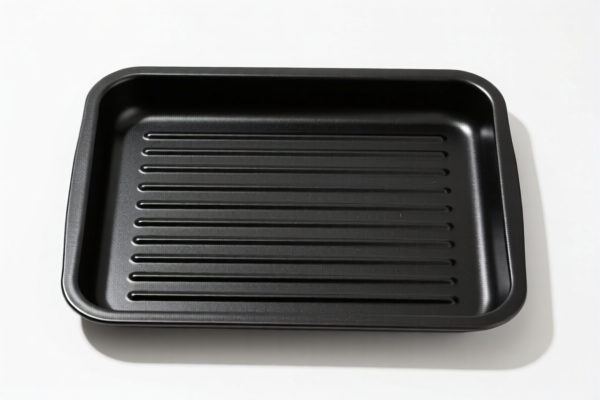


AI Analysis
🍖 BBQ Trays & Cookware (Iron, Steel, Aluminum, & Porcelain)
🌐 HS Code Reference & Customs Clearance Guide | 2026 Latest Tariff Analysis | Professional Strategy for US Imports
📌 I. Product Definition & Classification: What Exactly is a "BBQ Tray"?
"BBQ Trays" is a generic trade term that can refer to several distinct product categories depending on the material, coating, and intended use. In international trade, misclassification is the #1 cause of customs delays and unexpected tariffs.
Broadly, these items fall into three main material categories: 1. Cast Iron or Stainless Steel Cookware: Racks, baking sheets, or grilling pans. 2. Aluminum Cookware: Foil trays, disposable pans, or reusable aluminum bakeware. 3. Porcelain/Ceramic Dishes: Serving platters, roasting dishes, or ceramic BBQ accessories.
⚠️ Critical Distinction:
- Material is Key: The HS Code differs significantly between Steel/Aluminum (Chapter 73/76) and Ceramics (Chapter 69). - Stove-Top vs. Oven-Only: "Bakeware" (oven-only) often has different sub-codes than general "Cookware" (stove-top compatible). - Non-Stick vs. Plain: Some aluminum codes distinguish based on non-stick finishes.
📦 II. HS Code Classification Details (2026 Latest Harmonized System)
Below are the specific HS Codes extracted from the provided data, categorized by material and function.
| HS Code | Product Description | Material | Key Characteristics | Applicable Use Case |
|---|---|---|---|---|
| 7323.91.50.20 | Other household articles of iron/steel | Cast Iron | Not enameled. Specifically Bakeware (cookware not suitable for stove-top use). | Cast iron baking sheets, grill grates used in ovens, cast iron roasting trays. |
| 7323.93.00.35 | Other household articles of iron/steel | Stainless Steel | Cooking/Kitchen ware. Specifically Bakeware (oven-only). | Stainless steel oven racks, baking pans, stainless steel BBQ drip trays. |
| 7615.10.71.25 | Other household articles of aluminum | Aluminum | Not enameled/glazed, no non-stick finish. Thickness: 0.04mm–0.22mm. | Aluminum foil trays, thin aluminum baking pans, disposable BBQ trays. |
| 7615.10.71.30 | Other household articles of aluminum | Aluminum | Not enameled/glazed, no non-stick finish. Specifically Bakeware. | Reusable aluminum BBQ trays, oven-safe aluminum racks (non-stick excluded in this sub-code description). |
| 6911.10.80.10 | Tableware/Kitchenware | Porcelain/China | Food contact safe. General "Other" category. | Ceramic BBQ serving platters, porcelain roasting dishes, decorative BBQ trays. |
| 6911.10.41.00 | Tableware/Kitchenware | Porcelain/China | Specific shapes: Steins, boxes, decanters, servers, etc. | Specialized ceramic BBQ accessories (e.g., tiered servers, pretzel dishes, specialized serving ware). |
🔍 Focus Note:
- Codes7323.91.50.20and7323.93.00.35explicitly mention "Bakeware (cookware not suitable for stove top use)". If your BBQ tray is designed to go on a stove (like a griddle), it may not fit this specific USITC sub-code description and might require a broader "Cookware" code not listed here.
- Aluminum codes (7615.10.71.25/.30) require the item to be "Not enameled or glazed and not containing nonstick interior finishes." If your tray has a Teflon/Non-stick coating, these codes might be incorrect; check for other aluminum non-stick codes.
💰 III. 2026 Tariff Rate Breakdown (Detailed & Accurate)
✅ Target Market: United States (US)
✅ Origin: China (CN) (Implied by "Section 301" and "IEEPA" notes in data)
✅ Effective Date: Current rates apply as per provided data.
🎯 1. Cast Iron BBQ Trays / Bakeware
HS Code: 7323.91.50.20
| Item | Detail |
|---|---|
| Base Tariff | 5.3% |
| Additional Tariffs | 0.0% |
| Total Landed Tariff | 5.3% |
| Remarks | No Section 301 or IEEPA additional duties applied in this specific data entry. |
📌 Explanation:
Cast iron bakeware (not enameled) enjoys a relatively low total tariff of 5.3%. This is significantly cheaper than stainless steel or aluminum options in this specific dataset.
🎯 2. Stainless Steel BBQ Trays / Bakeware
HS Code: 7323.93.00.35
| Item | Detail |
|---|---|
| Base Tariff | 2.0% |
| Section 301/IEEPA | 50% (Note: "Steel, Aluminum, Copper products add 50%") |
| Total Landed Tariff | 52.0% |
| Remarks | HIGH TARIFF ZONE. |
📌 Explanation:
While the base MFN rate is only 2.0%, the data explicitly notes a 50% additional tariff for steel products.
Calculation: 2.0% (Base) + 50% (Additional) = 52.0% Total.
This makes stainless steel BBQ trays very expensive to import from China into the US.
🎯 3. Porcelain/Ceramic BBQ Serving Ware
HS Code: 6911.10.80.10
| Item | Detail |
|---|---|
| Base Tariff | 20.8% |
| Additional Tariffs | 7.5% |
| Total Landed Tariff | 28.3% |
| Remarks | Standard ceramic tariffs apply. |
📌 Explanation:
Porcelain tableware faces a moderate-to-high tariff.
Calculation: 20.8% + 7.5% = 28.3% Total.
HS Code: 6911.10.41.00 (Specialty Shapes)
| Item | Detail |
|---|---|
| Base Tariff | 6.3% |
| Additional Tariffs | 0.0% |
| Total Landed Tariff | 6.3% |
| Remarks | Low tariff for specific specialty items (e.g., tiered servers). |
📌 Explanation:
If your "BBQ Tray" is actually a specialized ceramic server (like a tiered tray for appetizers), it may qualify for the lower 6.3% rate under6911.10.41.00.
🎯 4. Aluminum BBQ Trays / Bakeware
HS Code: 7615.10.71.25 (Thin, 0.04-0.22mm)
| Item | Detail |
|---|---|
| Base Tariff | 0.0% |
| Section 301/IEEPA | 50% (Note: "Steel, Aluminum, Copper products add 50%") |
| Total Landed Tariff | 50.0% |
| Remarks | Base is 0%, but the 50% surcharge dominates. |
📌 Explanation:
Aluminum has a 0% base tariff, but the 50% additional tariff applies.
Total: 50.0%.
HS Code: 7615.10.71.30 (Other Aluminum Bakeware)
| Item | Detail |
|---|---|
| Base Tariff | 3.1% |
| Section 301/IEEPA | 50% |
| Total Landed Tariff | 53.1% |
| Remarks | Highest rate in the aluminum category. |
📌 Explanation:
For general aluminum bakeware (not thin foil), the base is 3.1% + 50% surcharge = 53.1%.
🛠️ IV. Customs Clearance Practical Advice (Avoid Pitfalls)
✅ 1. Material Declaration is Critical
- Do NOT just say "BBQ Tray."
- Correct Description: "Cast Iron Baking Tray, Not Enamel, Not for Stove Top" or "Stainless Steel Oven Rack, Bakeware."
- Why? Customs officers will verify the material. If you declare "Metal Tray" but import Cast Iron, and it’s classified under Stainless Steel codes, you may face penalties.
✅ 2. Watch Out for the "50% Steel/Aluminum Surcharge"
- If your product is Stainless Steel (
7323.93.00.35) or Aluminum (7615.10.71.25/30), expect a ~50-53% total tariff. - Strategy:
- Consider sourcing from non-China origins (e.g., Vietnam, Mexico) to avoid Section 301 tariffs if possible.
- Evaluate if Cast Iron (
7323.91.50.20) is a viable alternative for similar functions, as it only carries a 5.3% total tariff. - Check if Porcelain/Ceramic options (
6911.10.80.10) fit your product design, with a 28.3% rate, which is lower than Steel/Aluminum but higher than Cast Iron.
✅ 3. "Bakeware" vs. "Cookware" Distinction
- The provided HS Codes for Steel (
7323.91.50.20,7323.93.00.35) and Aluminum (7615.10.71.25,7615.10.71.30) specifically mention "Bakeware (cookware not suitable for stove top use)." - Risk: If your BBQ tray is a flat griddle designed for stovetop use, do not use these codes. You must find the correct "Cookware" (stove-top) HS Code, which may have different tariff rates.
- Check: Does your product have a lid? Is it meant for the oven only? If yes, "Bakeware" classification is likely correct.
✅ 4. Aluminum Non-Stick Warning
- The Aluminum codes provided (
7615.10.71.25,7615.10.71.30) specify "Not containing nonstick interior finishes." - Risk: If your aluminum BBQ tray has a non-stick coating (Teflon, Ceramic coating), these codes are incorrect. Using them for non-stick items could lead to misclassification fines. You must identify the HS Code for "Non-stick Aluminum Cookware."
✅ 5. Required Documentation
- Commercial Invoice: Must clearly state Material (Cast Iron, Stainless Steel, Aluminum, Porcelain), Usage (Bakeware/Oven-only), and Finish (Non-enamelled, Non-stick).
- Product Photos: Show the entire item and any markings.
- Material Certificate: For steel/aluminum, customs may request proof of composition to ensure it falls under the correct sub-category.
🌍 V. Global Market Comparison (Summary)
| Product Type | HS Code (Example) | Base Tariff | Additional Tariff (China) | Total Tariff (US) | Strategy |
|---|---|---|---|---|---|
| Cast Iron | 7323.91.50.20 |
5.3% | 0.0% | 5.3% | ✅ BEST RATE for metal |
| Stainless Steel | 7323.93.00.35 |
2.0% | 50.0% | 52.0% | ⚠️ Avoid if possible due to high tax |
| Aluminum (Thin) | 7615.10.71.25 |
0.0% | 50.0% | 50.0% | ⚠️ High tax despite 0% base |
| Aluminum (General) | 7615.10.71.30 |
3.1% | 50.0% | 53.1% | ⚠️ Highest metal tax |
| Porcelain (General) | 6911.10.80.10 |
20.8% | 7.5% | 28.3% | Moderate option |
| Porcelain (Specialty) | 6911.10.41.00 |
6.3% | 0.0% | 6.3% | ✅ Good if product fits shape |
📌 VI. Common Mistakes & Pitfalls
❌ Mistake 1: Declaring "Aluminum Foil" as "Aluminum Cookware"
👉 Consequence: If the item is reusable bakeware, it’s 7615.10.71.30 (53.1%). If it’s disposable foil, it might be a different code. Misdeclaration leads to audits.
❌ Mistake 2: Using Cast Iron codes for Enamel Cast Iron
👉 Consequence: Code 7323.91.50.20 specifies "Not enameled." If your product is enameled (e.g., Le Creuset style), it falls under a different HS Code (likely 7323.91.10 or similar) with different tariffs.
❌ Mistake 3: Ignoring the "Stove-Top" Limitation
👉 Consequence: Using "Bakeware" codes for a stovetop grill pan. Customs may reclassify it, leading to back-taxes and delays.
🎯 VII. Conclusion: Smart Sourcing for BBQ Trays
🎯 Key Takeaway:
Cast Iron (
7323.91.50.20) is the most tariff-efficient metal option at 5.3%.
Stainless Steel and Aluminum are heavily penalized (50-53%) due to Section 301/IEEPA duties.
🚀 Action Plan:
1. Verify Material: Is it Cast Iron, Steel, Aluminum, or Porcelain?
2. Verify Use: Is it Oven-Only (Bakeware) or Stovetop (Cookware)?
3. Verify Finish: Is it Enamel-coated? Non-stick? Plain?
4. Select HS Code: Match precisely to the data provided.
5. Calculate Landed Cost: Include the 50% surcharge for Steel/Aluminum in your profit margin.
📣 Disclaimer:
This analysis is based strictly on the provided <DATA> snippet. Always consult a licensed customs broker for final classification. Tariff rates and HS Codes are subject to change by the USITC and CBP.
Customer Reviews
About HS Code Classification
The Harmonized System (HS) is an internationally standardized nomenclature developed by the World Customs Organization (WCO) to classify traded products. Over 200 countries use the HS system as the basis for customs tariffs, trade statistics, and import/export regulations.
Each HS code follows a hierarchical structure:
- Chapter (2 digits) — Broad category of goods (e.g., Chapter 84: Machinery and Mechanical Appliances)
- Heading (4 digits) — More specific grouping within the chapter
- Subheading (6 digits) — Internationally standardized breakdown, used by all WCO member countries
- National subdivisions (8-10 digits) — Country-specific extensions for further classification, such as US HTSUS 10-digit codes
Correct HS code classification is essential for smooth customs clearance, accurate duty payment, and compliance with trade regulations. Misclassification can lead to customs delays, overpayment of duties, or penalties.
When importing from CN to US, the applicable tariff rates may include:
- Most-Favored-Nation (MFN) rate — The standard duty rate applied to WTO members
- General rate — Applied to countries without trade agreements
- Trade remedy duties — Additional tariffs such as Section 301 (anti-dumping), Section 232 (national security), or countervailing duties
The information provided on this page is for reference purposes only. For official classification, please consult with your local customs authority or a licensed customs broker.