bead set
CN → US| HS Code | Tariff Rate | Origin | Destination | Doc |
|---|---|---|---|---|
| 9503000071 | 10.0% | CN | US | Official Doc |
| 7018105000 | 35.0% | CN | US | Official Doc |
| 7018101000 | 39.0% | CN | US | Official Doc |
| 7117901000 | 17.5% | CN | US | Official Doc |
| 7326908688 | 87.9% | CN | US | Official Doc |
Product Images
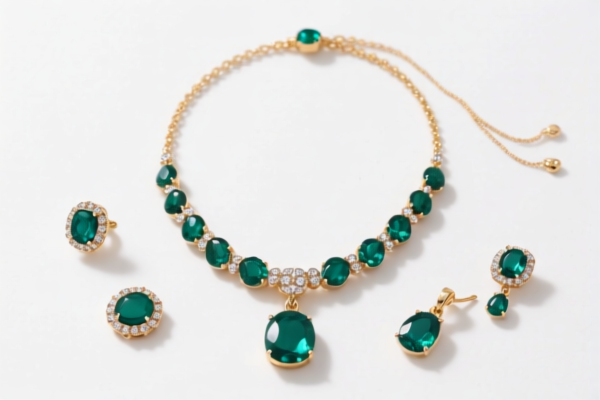
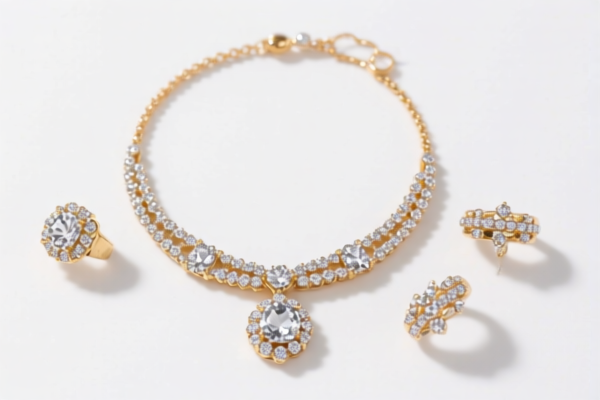
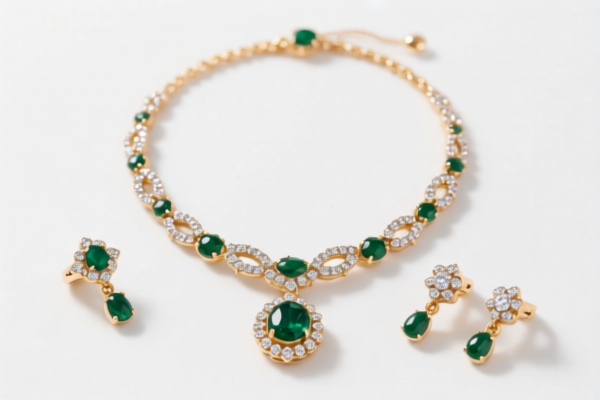
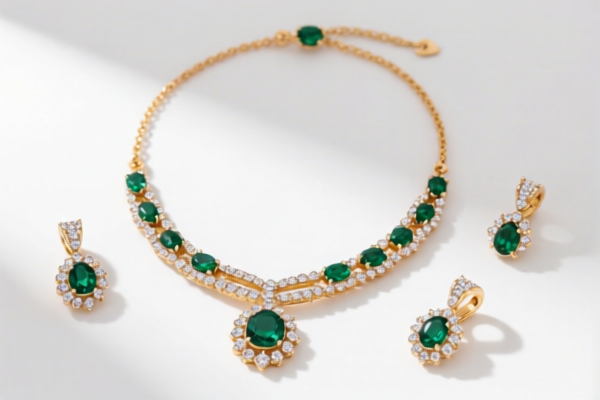
AI Analysis
📦 Bead Set (Stringing Beads / Jewelry Components)
🌐 HS Code Reference & Customs Clearance Guide | 2026 Latest Tariff Analysis | Professional Entry Strategy
📌 I. Product Definition & Classification: What Exactly is a "Bead Set"?
A "Bead Set" typically refers to a collection of small, decorative, non-motorized items used primarily for jewelry making, crafting, or costume accessories. In international trade, the classification hinges critically on Material and Form (strung vs. unstrung).
- Glass/Imitation Pearl Beads: Often categorized under Chapter 70 (Glass) or Chapter 71 (Imitation Jewelry) depending on whether they are "unstrung" components or finished jewelry parts.
- Plastic/Gemstone/Other Material Beads: May fall under Chapter 95 (Toys/Games) if they resemble puzzle pieces or toys, or Chapter 96 (Miscellaneous Manufactured Articles) if they are distinct non-jewelry items.
- Metal Beads: If metallic, they fall under Chapter 73 (Iron/Steel) or Chapter 74/75 (Copper/Nickel), often as "parts."
⚠️ Key Classification Divergence:
- If the beads are unstrung and made of glass/imitation pearls → HS 7018.10.xxxx
- If the beads are strung or considered imitation jewelry components → HS 7117.90.xxxx
- If the beads are plastic/glass but classified as toy accessories/puzzle parts → HS 9503.00.00.71
- If the beads are metal (iron/steel) → HS 7326.90.86.88
📦 II. HS Code Classification Details (2026 Latest Tariff Reference)
Based on the provided data, here are the specific HS Codes and their logical justifications:
| HS Code | Product Description | Material/Form Logic | Tax Rate |
|---|---|---|---|
9503.00.00.71 |
Toy Accessories/Puzzle Parts | Inferred as plastic or glass handmade materials; matches the attribute of spare parts under toy categories/puzzles. | 10.0% |
7018.10.50.00 |
Glass Beads/Imitation Pearls | Matches material & form: Beads are small items similar to glass beads or imitation pearls; form category. | 35.0% |
7018.10.10.00 |
Unstrung Glass Beads | Goods belong to glass beads/imitation pearls; unstrung logic; material is glass or imitation pearl. | 39.0% |
7117.90.10.00 |
Imitation Jewelry Parts | Belongs to jewelry parts/semi-finished products; form logic matches imitation jewelry; no conflict with plastic/fiber materials. | 17.5% |
7326.90.86.88 |
Metal Parts (Iron/Steel) | Belongs to parts/components category; inferred as iron or steel material; fits other residual categories. | 87.9% |
🔍 Critical Note:
- HS 7018 applies to Glass Beads.
- HS 7117 applies to Imitation Jewelry Parts.
- HS 9503 applies to Toy-Related Beads (e.g., craft beads for kids, puzzle pieces).
- HS 7326 applies to Metal Beads (specifically iron/steel).
💰 III. 2026 Latest Tariff Rate Details (Including Surtaxes & Policy Add-ons)
✅ Applicable Country: United States (US)
✅ Origin: China (CN)
✅ Effective Date: November 10, 2025 (and subsequent imports)
🎯 1. 9503.00.00.71 —— Toy Accessories / Puzzle Parts
| Item | Content |
|---|---|
| Base Duty Rate | 0.0% |
| Section 301 Surtax | 0.0% |
| 122-Clause Tariff | +10.0% (Specific clause for this category) |
| Total Rate | 10.0% |
| Tax Calculation | CIF Value × 10% |
| De Minimis Eligibility | ❌ Not Eligible (High risk of audit) |
| Legal Basis Path | 122-Clause:9503.00.00.71 |
📌 Explanation:
- This classification treats beads as toy components or puzzle parts.
- It benefits from 0% Section 301 tariffs, making it significantly cheaper than glass or metal classifications.
- The 10% comes from specific "122 Clause" regulations, not general 301 tariffs.
🎯 2. 7018.10.50.00 —— Glass Beads (Strung/General)
| Item | Content |
|---|---|
| Base Duty Rate | 0.0% |
| Section 301 Surtax | +25.0% |
| 122-Clause Tariff | +10.0% |
| Total Rate | 35.0% |
| Tax Calculation | CIF Value × 35% |
| De Minimis Eligibility | ❌ Not Eligible |
| Legal Basis Path | USITC:7018.10.50.00 → 301-Footnote:25% → 122-Clause:10% |
📌 Explanation:
- Classifies beads as glass products.
- Subject to 25% Section 301 tariff due to being Chinese-origin glass goods.
- Plus 10% under specific trade measures.
🎯 3. 7018.10.10.00 —— Unstrung Glass Beads
| Item | Content |
|---|---|
| Base Duty Rate | 4.0% |
| Section 301 Surtax | +25.0% |
| 122-Clause Tariff | +10.0% |
| Total Rate | 39.0% |
| Tax Calculation | CIF Value × 39% |
| De Minimis Eligibility | ❌ Not Eligible |
| Legal Basis Path | USITC:7018.10.10.00 → 301-Footnote:25% → 122-Clause:10% |
📌 Explanation:
- For unstrung glass beads.
- Has a 4% base duty (unlike the 0% for strung/general glass beads).
- Plus 25% Section 301 and 10% surtax.
- Most expensive glass-related option.
🎯 4. 7117.90.10.00 —— Imitation Jewelry Parts
| Item | Content |
|---|---|
| Base Duty Rate | 0.0% |
| Section 301 Surtax | +7.5% |
| 122-Clause Tariff | +10.0% |
| Total Rate | 17.5% |
| Tax Calculation | CIF Value × 17.5% |
| De Minimis Eligibility | ❌ Not Eligible |
| Legal Basis Path | USITC:7117.90.10.00 → 301-Footnote:7.5% → 122-Clause:10% |
📌 Explanation:
- Classifies beads as imitation jewelry parts.
- Benefits from lower Section 301 surtax (7.5%) compared to glass (25%).
- Total 17.5% is moderate, significantly cheaper than metal or unstrung glass.
🎯 5. 7326.90.86.88 —— Metal Parts (Iron/Steel)
| Item | Content |
|---|---|
| Base Duty Rate | 2.9% |
| Section 301 Surtax | +25.0% |
| 122-Clause Tariff | +10.0% |
| Steel/Aluminum/Copper Surtax | +50.0% (Section 232) |
| Total Rate | 87.9% |
| Tax Calculation | CIF Value × 87.9% |
| De Minimis Eligibility | ❌ Not Eligible |
| Legal Basis Path | USITC:7326.90.86.88 → 301:25% → 232(Steel):50% → 122-Clause:10% |
📌 Explanation:
- Classifies beads as iron/steel parts.
- Subject to Section 232 tariffs (50%) for steel products.
- Plus 25% Section 301, 2.9% base, and 10% surtax.
- Extremely high tax burden! Avoid this classification if possible.
🛠️ IV. Customs Clearance Practical Advice (Real-World Pitfall Guide)
✅ 1. Document Checklist (Essential)
| Document | Mandatory | Explanation |
|---|---|---|
| ✅ Product Specification Sheet | ✔️ | Must detail material (glass, plastic, metal, imitation pearl), size, weight. |
| ✅ Product Photos (Clear) | ✔️ | Show beads unstrung vs. strung; close-ups of material texture. |
| ✅ Commercial Invoice | ✔️ | Clearly state "Beads for Jewelry Making" or "Craft Beads." Avoid vague terms like "Accessories." |
| ✅ Material Declaration | ✔️ | Explicitly state if beads are Glass, Plastic, or Metal. Misdeclaration leads to penalties. |
| ✅ Packing List | ✔️ | Indicate if beads are loose (unstrung) or pre-strung. |
✅ 2. Declaration Tips (Key Mantras)
🔥 "Material First, Form Second, Name Precise, Tax Saved!"
| Scenario | Correct Declaration | Wrong Practice |
|---|---|---|
| Plastic/Glass Beads (Toy Use) | 9503.00.00.71 |
Misdeclare as Jewelry → Higher tax |
| Glass Beads (Jewelry Use) | 7117.90.10.00 (if parts) or 7018.10.50.00 |
Misdeclare as Plastic → Audit risk |
| Unstrung Glass Beads | 7018.10.10.00 |
Declare as Strung → Underpayment |
| Metal Beads | 7326.90.86.88 |
Declare as Plastic → 87.9% vs 10% difference! |
📌 Critical Warning:
- If beads are metal (iron/steel), the tax is 87.9%. Consider if they can be classified as imitation jewelry parts (17.5%) if they are decorative and not structural.
- If beads are plastic, try to classify under 9503.00.00.71 (10%) if they are for toys/crafts, rather than general plastic goods.
✅ 3. Special Situations
| Situation | Handling Advice |
|---|---|
| Mixed Material Beads | Separate by material in declaration. Do not mix metal and plastic beads in one HS Code. |
| Strung vs. Unstrung | For glass beads, unstrung (7018.10.10.00) has a 4% base duty, while strung/general (7018.10.50.00) has 0% base but same surtaxes. Check which is accurate. |
| Imitation Jewelry | If beads are designed specifically as jewelry components (e.g., with holes for stringing, decorative), use 7117.90.10.00 (17.5%). |
🌍 V. Global Customs Comparison (2026 Latest)
| Country/Region | Recommended HS Code | Tariff | Certification | Notes |
|---|---|---|---|---|
| 🇺🇸 USA | 9503.00.00.71 (Plastic/Toy) |
10% | None | Lowest tax for plastic/beads |
| 🇺🇸 USA | 7117.90.10.00 (Jewelry Parts) |
17.5% | None | Best for decorative beads |
| 🇺🇸 USA | 7018.10.10.00 (Unstrung Glass) |
39% | None | Highest for glass |
| 🇺🇸 USA | 7326.90.86.88 (Metal) |
87.9% | None | Avoid if possible |
| 🇪🇺 EU | Various (Chapter 71/70) | 0-2.7% | CE/RoHS | Generally lower tariffs |
| 🇨🇳 China | Various | 0-10% | CCC | No Section 301 |
📌 Conclusion:
- USA is the most complex market due to Section 301 and 122 Clause tariffs.
- Plastic/Toy beads (9503) and Jewelry Parts (7117) offer the lowest US tariffs (10% and 17.5%).
- Metal beads (7326) are prohibitively expensive (87.9%) in the US.
📌 VI. Common Mistakes & Pitfalls (Blood & Tears Lessons)
❌ Mistake 1: Declaring metal beads as "plastic beads" to avoid 87.9% tax
👉 Consequence: Customs inspection reveals metal → 60% penalty + seizure!
❌ Mistake 2: Declaring unstrung glass beads as "strung"
👉 Consequence: Underpayment of base duty (4% vs 0%) → Back taxes + fines!
❌ Mistake 3: Using vague terms like "Craft Supplies"
👉 Consequence: Customs cannot classify → Delay, Inspection, 100% Duty Assessment!
❌ Mistake 4: Ignoring the 122 Clause
👉 Consequence: All listed HS Codes have a 10% 122-Clause surtax. Failure to declare correctly may lead to disputes.
✅ Correct Approach:
"Glass Beads, Unstrung, 5mm, for Jewelry Making, HS Code 7018.10.10.00"
"Plastic Craft Beads, for Toy Assembly, HS Code 9503.00.00.71"
🎯 VII. Conclusion: Precise Classification Saves Money!
🎯 Remember the Mantra:
🔹 "Plastic/Toy: 10%, Jewelry Parts: 17.5%, Glass: 35-39%, Metal: 87.9%!"
🔹 "Material determines tax, form affects base rate, name must be precise!"
📌 Pro Tip:
If your beads are imitation jewelry parts, use 7117.90.10.00 (17.5%) instead of glass or metal categories. This is often the sweet spot for decorative beads.
For plastic beads, try to justify toy/craft use under 9503.00.00.71 (10%) to minimize costs.
📣 Immediate Action:
📞 Contact your customs broker + Provide material samples + Apply for HS Code Pre-ruling
🚀 Ensure your beads clear customs smoothly, save costs, and maximize profit!
✨ Professional Clearance Starts with Accurate Classification!
💼 Every cent of tax paid should be justified and minimized!
Customer Reviews
About HS Code Classification
The Harmonized System (HS) is an internationally standardized nomenclature developed by the World Customs Organization (WCO) to classify traded products. Over 200 countries use the HS system as the basis for customs tariffs, trade statistics, and import/export regulations.
Each HS code follows a hierarchical structure:
- Chapter (2 digits) — Broad category of goods (e.g., Chapter 84: Machinery and Mechanical Appliances)
- Heading (4 digits) — More specific grouping within the chapter
- Subheading (6 digits) — Internationally standardized breakdown, used by all WCO member countries
- National subdivisions (8-10 digits) — Country-specific extensions for further classification, such as US HTSUS 10-digit codes
Correct HS code classification is essential for smooth customs clearance, accurate duty payment, and compliance with trade regulations. Misclassification can lead to customs delays, overpayment of duties, or penalties.
When importing from CN to US, the applicable tariff rates may include:
- Most-Favored-Nation (MFN) rate — The standard duty rate applied to WTO members
- General rate — Applied to countries without trade agreements
- Trade remedy duties — Additional tariffs such as Section 301 (anti-dumping), Section 232 (national security), or countervailing duties
The information provided on this page is for reference purposes only. For official classification, please consult with your local customs authority or a licensed customs broker.