bear rose bouquet
CN → US| HS Code | Tariff Rate | Origin | Destination | Doc |
|---|---|---|---|---|
| 9505102500 | 10.0% | CN | US | Official Doc |
| 9505105020 | 10.0% | CN | US | Official Doc |
| 3926400010 | 15.3% | CN | US | Official Doc |
| 3926400090 | 15.3% | CN | US | Official Doc |
| 6702104000 | 13.4% | CN | US | Official Doc |
| 6702903500 | 19.0% | CN | US | Official Doc |
Product Images
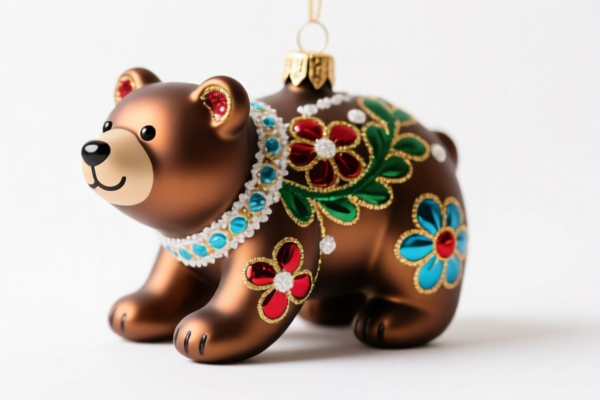
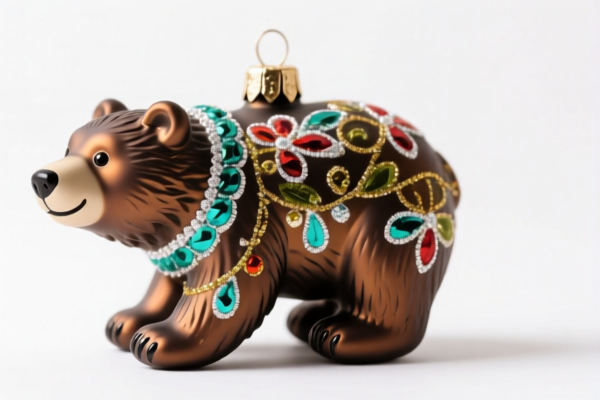
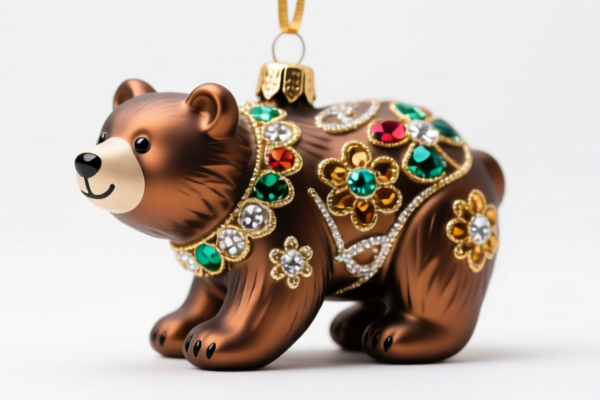
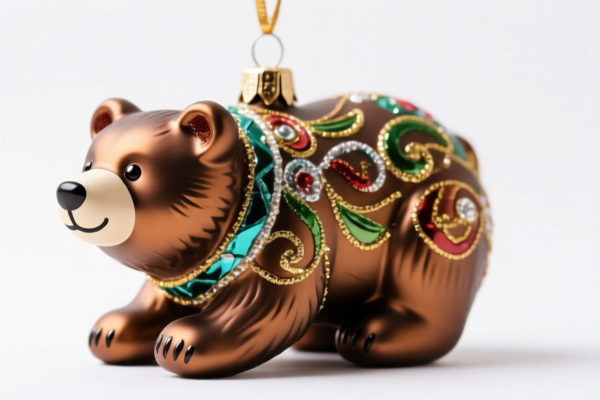
AI Analysis
🌹 Artificial Rose Bouquet (Artificial Flowers, Foliage, and Fruit)
🌐 HS Code Reference & Customs Clearance Guide | 2026 Latest Tariff Analysis | Professional Entry Strategy
📌 I. Product Definition & Classification: Are These Real or Artificial?
Artificial Rose Bouquets are decorative floral arrangements made from synthetic materials rather than fresh or dried natural flora. In international trade, the classification depends entirely on the primary material used for the flower heads and foliage. Misclassification leads to severe tariff discrepancies (from 0% to 9%).
⚠️ Critical Distinction:
- If the roses are made of plastics (PET, PE, PVC, etc.) → Go to 6702.10.40.00
- If the roses are made of man-made fibers (polyester, nylon fabric, etc.) → Go to 6702.90.35.00
- ❌ Do NOT classify as "Christmas Ornaments" (9505) unless they are specifically marketed as holiday-themed decorations with no floral resemblance.
📦 II. HS Code Classification Details (2026 Latest Tariff Authority Comparison)
| HS Code | Product Description | Applicable Scenario | Material Type |
|---|---|---|---|
6702.10.40.00 |
Artificial flowers, foliage, and fruit... Of plastics: Other, including parts | Plastic roses, silk-like plastic petals, wired plastic stems | ✅ Plastic |
6702.90.35.00 |
Artificial flowers, foliage, and fruit... Of other materials: Other: Of man-made fibers | Fabric roses, polyester fiber flowers, woven textile bouquets | ✅ Man-made Fibers |
3926.40.00.10 |
Statuettes and other ornamental articles Bows and similar products for decorative purposes | Plastic bows attached to bouquets (if declared separately) | ✅ Plastic |
3926.40.00.90 |
Statuettes and other ornamental articles Other | Non-floral plastic ornaments (e.g., plastic rose-shaped weights) | ✅ Plastic |
9505.10.25.00 |
Christmas ornaments: Other: Other | ❌ Incorrect for standard bouquets unless specifically "Christmas-themed" | ❌ Specific Use |
9505.10.50.20 |
Articles for Christmas festivities: Other | ❌ Incorrect for general use | ❌ Specific Use |
🔍 Key Reminder:
- 9505.10.xxxx (Christmas Ornaments) applies ONLY if the item is explicitly designed for Christmas festivities (e.g., red/green color scheme, Santa motifs). A generic "Red Rose Bouquet" is NOT a Christmas ornament. - 6702 is the correct chapter for "Artificial Flowers." Chapter 95 is for "Toys and Games," which includes festive items but not general artificial flora.
💰 III. 2026 Latest Tariff Rate Details (Detailed Tax Breakdown)
✅ Applicable Country: United States (US)
✅ Origin: China (CN)
✅ Effective Time: Current rates (No additional Section 301 or IEEPA tariffs listed for these specific HS codes in the provided data)
🎯 1. 6702.10.40.00 —— Artificial Flowers, Of Plastics
| Item | Content |
|---|---|
| Base Tariff | 3.4% (ad valorem) |
| Additional Tariff | 0.0% (None listed in data) |
| Total Effective Tax Rate | 3.4% |
| Tax Calculation | CIF Value × 3.4% |
| De Minimis Eligibility | ❌ No (Value usually exceeds $800 for bulk bouquets; if single unit < $800, may qualify under Section 321, but bulk shipments do not) |
| Legal Basis | HTSUS 6702.10.40.00 |
📌 Explanation:
- This is the most common classification for mass-produced plastic rose bouquets.
- The rate is relatively low compared to electronics or textiles.
- No additional punitive tariffs apply to this specific plastic floral category in the provided dataset.
🎯 2. 6702.90.35.00 —— Artificial Flowers, Of Man-made Fibers
| Item | Content |
|---|---|
| Base Tariff | 9.0% (ad valorem) |
| Additional Tariff | 0.0% (None listed in data) |
| Total Effective Tax Rate | 9.0% |
| Tax Calculation | CIF Value × 9.0% |
| De Minimis Eligibility | ❌ No |
| Legal Basis | HTSUS 6702.90.35.00 |
📌 Explanation:
- Fabric/silk roses fall under "Other Materials."
- Higher Tax Burden: 9.0% is significantly higher than the 3.4% for plastics.
- Cost Impact: On a $10,000 shipment, you pay $900 vs. $340 for plastic roses. Material choice directly affects landed cost.
🛠️ IV. Customs Clearance Practical Advice (Battle-Tested Pitfall Guide)
✅ 1. Documentation Checklist (Non-negotiable)
| Document | Must Provide? | Notes |
|---|---|---|
| ✅ Product Specifications | ✔️ | Must explicitly state material: "100% Polyester Fabric" or "Plastic (PVC/PE)" |
| ✅ Commercial Invoice | ✔️ | Description must match HS Code: "Artificial Rose Bouquet, Plastic, 12 stems" |
| ✅ Material Certificate | ✔️ | Crucial for distinguishing between 6702.10 (Plastic) and 6702.90 (Fiber) |
| ✅ Photos | ✔️ | Clear images of petals and stems to prove artificial nature |
| ✅ Packing List | ✔️ | Weight and dimensions for volumetric weight calculation |
✅ 2. Declaration Tips (Key Mantra)
🔥 "Material is King! Plastic is 3.4%, Fabric is 9%. Don't Guess!"
| Scenario | Correct Declaration | Incorrect Declaration | Consequence |
|---|---|---|---|
| Plastic Roses | 6702.10.40.00 |
6702.90.35.00 |
Overpay by 5.6% unnecessarily |
| Fabric Roses | 6702.90.35.00 |
6702.10.40.00 |
Underpay → Penalty + Interest |
| Mixed Material | Breakdown by weight | Single vague code | Audit Risk → Customs may assign highest rate |
| Christmas Theme | 9505.10.25.00 |
6702.10.40.00 |
Risk → If not strictly Christmas, deemed misclassification |
⚠️ Warning:
- Do NOT use generic terms like "Floral Decor" or "Home Decoration."
- Be precise: "Artificial Flowers of Plastics" or "Artificial Flowers of Man-made Fibers."
✅ 3. Special Cases
| Case | Handling Advice |
|---|---|
| Bouquet with Plastic Vase | Separate the vase! Vase may fall under 3926.40.00.10/90 (5.3% tax). Flowers stay in 6702. Bundling them incorrectly may complicate valuation. |
| Gift-Set with Bow | If the bow is plastic and significant, it might be classified under 3926.40.00.10 (5.3%). However, if integral to the bouquet, it’s often included in the floral value. |
| "Silk" Roses | "Silk" in trade often means synthetic fiber. If made of polyester, use 6702.90.35.00 (9.0%), NOT real silk (which would be different). Verify material. |
🌍 V. Global Market Clearance Comparison (2026 Latest)
| Country/Region | Recommended HS Code | Tariff Rate | Certification | Notes |
|---|---|---|---|---|
| 🇺🇸 USA | 6702.10.40.00 (Plastic) |
3.4% | None specific | Low duty, fast clearance |
| 🇺🇸 USA | 6702.90.35.00 (Fiber) |
9.0% | None specific | Higher duty, check material |
| 🇪🇺 EU | 6702.10.40 |
0% | CE (if electrical, but none here) | Generally duty-free for artificial flowers |
| 🇨🇳 China | 6702.10.40 |
0% | N/A | Import duty often 0% |
| 🇬🇧 UK | 6702.10.40 |
0% | UKCA | Post-Brexit alignment |
📌 Conclusion:
- USA is a moderate-duty market for artificial flowers.
- Plastic is significantly cheaper to import than Fiber (3.4% vs. 9.0%).
- No additional Section 301 tariffs apply to these HS codes in the provided data, making them competitive.
📌 VI. Common Mistakes & Pitfall Guide (Lessons Learned)
❌ Mistake 1: Declaring "Silk Roses" as "Real Silk"
👉 Consequence: Real silk has different HS codes and potentially higher/complex tariffs. Most "silk" roses are synthetic polyester. Use 6702.90.35.00.
❌ Mistake 2: Classifying as "Christmas Ornaments" (9505) for Year-Round Sales
👉 Consequence: Customs may reject if not explicitly for Christmas. Even if 0% tax, incorrect classification triggers audits. Stick to 6702.
❌ Mistake 3: Ignoring Material Composition in Mixed Packages
👉 Consequence: If a bouquet has plastic heads and fabric leaves, declare the principal material or separate values. Misdeclaration leads to penalties.
✅ Correct Practice:
"Artificial Rose Bouquet, 12 Stems, Plastic Petals & Stems, Decorative Use, Model ABC, Material: PVC/PE"
🎯 VII. Conclusion: Precision Saves Money!
🎯 Remember the Mantra:
🔹 "Plastic Roses: 3.4% Tax. Fabric Roses: 9.0% Tax. Choose Wisely!"
🔹 "Material Matters More Than Appearance. Get the HS Code Right!"
📌 Pro Tip:
If you are importing large volumes, consider switching to plastic-based materials (6702.10.40.00) to save 5.6% on duties compared to fiber (6702.90.35.00). For small, high-end boutique bouquets, the 9% tax may be absorbed by higher retail margins.
📣 Immediate Action:
📞 Verify Material Composition with your supplier.
📝 Update Invoice Description to reflect "Artificial Flowers of Plastics" or "Of Man-made Fibers."
🚀 Apply for Customs Advance Ruling if unsure, to avoid post-clearance audits.
✨ Professional Clearance Starts with Accurate Classification!
💼 Your Profit Margin Depends on a 5.6% Tariff Difference!
Customer Reviews
About HS Code Classification
The Harmonized System (HS) is an internationally standardized nomenclature developed by the World Customs Organization (WCO) to classify traded products. Over 200 countries use the HS system as the basis for customs tariffs, trade statistics, and import/export regulations.
Each HS code follows a hierarchical structure:
- Chapter (2 digits) — Broad category of goods (e.g., Chapter 84: Machinery and Mechanical Appliances)
- Heading (4 digits) — More specific grouping within the chapter
- Subheading (6 digits) — Internationally standardized breakdown, used by all WCO member countries
- National subdivisions (8-10 digits) — Country-specific extensions for further classification, such as US HTSUS 10-digit codes
Correct HS code classification is essential for smooth customs clearance, accurate duty payment, and compliance with trade regulations. Misclassification can lead to customs delays, overpayment of duties, or penalties.
When importing from CN to US, the applicable tariff rates may include:
- Most-Favored-Nation (MFN) rate — The standard duty rate applied to WTO members
- General rate — Applied to countries without trade agreements
- Trade remedy duties — Additional tariffs such as Section 301 (anti-dumping), Section 232 (national security), or countervailing duties
The information provided on this page is for reference purposes only. For official classification, please consult with your local customs authority or a licensed customs broker.