bear themed clothing
CN → US| HS Code | Tariff Rate | Origin | Destination | Doc |
|---|---|---|---|---|
| 6217109550 | 32.1% | CN | US | Official Doc |
| 9503000071 | 10.0% | CN | US | Official Doc |
| 9503000073 | 10.0% | CN | US | Official Doc |
Product Images
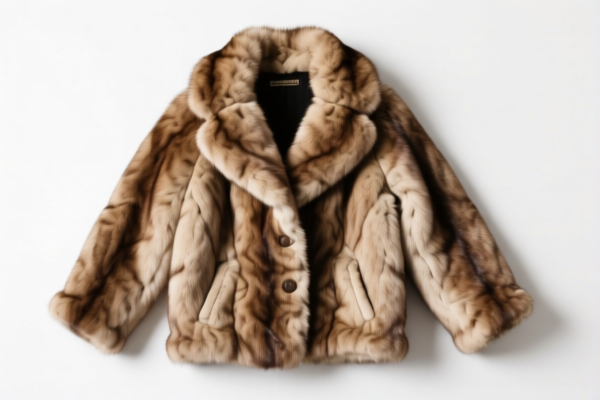
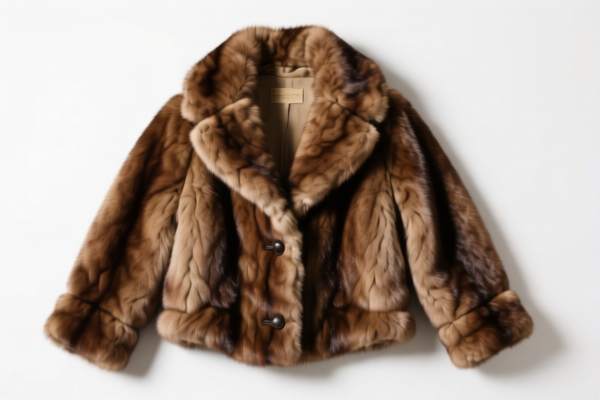
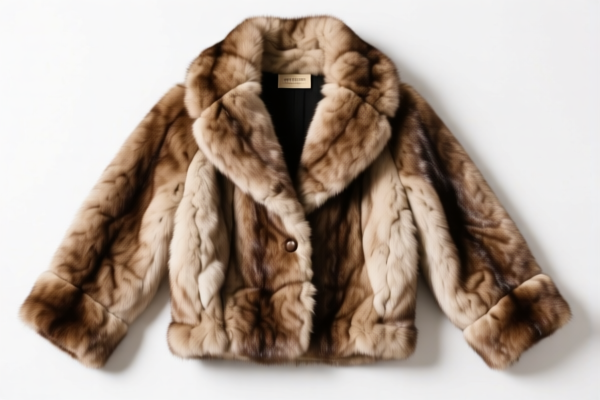
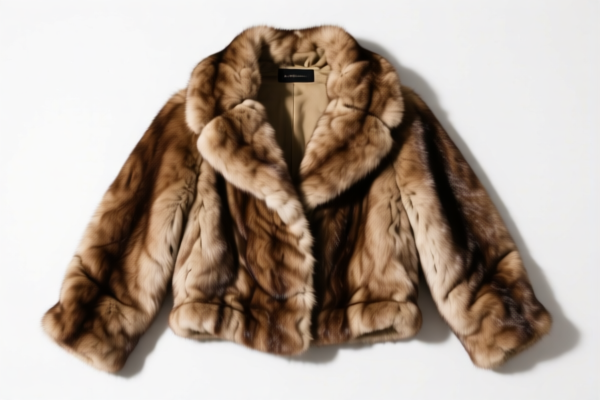
AI Analysis
🐻 Bear Themed Clothing (Costumes & Apparel)
🌐 HS Code Reference & Customs Clearance Guide | 2026 Latest Tariff Analysis | Professional Clearance Strategy
📌 I. Product Definition & Classification: Is it Clothing or a Toy Accessory?
Bear-themed clothing presents a unique classification challenge in international trade. It sits at the intersection of Apparel (Chapter 62) and Toys/Plush Accessories (Chapter 95). The correct HS Code depends entirely on the primary purpose and target audience of the item.
Scenario A: Adult/Child Costume (Apparel)
Garments designed for general wear, cosplay, or adult costumes that happen to feature bear aesthetics (ears, patches, patterns) but are not strictly "toy parts."
Scenario B: Toy/Doll Accessories (Toy Parts)
Small-scale garments specifically designed to fit dolls, plush toys, or stuffed animals (e.g., a tiny bear shirt for a 30cm plush toy). These are considered "parts" or "accessories" of the toy.
⚠️ Key Distinction:
- If the item is worn by a human (even as a costume) → Likely Chapter 62 (Clothing).
- If the item is worn by a toy/plush → Chapter 95 (Toy Accessories).
- Note: Even if "Bear-themed," if it’s a full costume for a human, it generally falls under clothing, not toys, unless it’s a "one-piece" plush suit for children, which may still be argued as apparel. However, for accessories (hats, tiny clothes), Chapter 95 is common for doll wear.
📦 II. HS Code Classification Details (Based on Provided Data)
According to the provided dataset, three potential HS Codes are identified for "Bear Themed Clothing." Here is the detailed breakdown:
| HS Code | Product Description | Purpose/Context | Tax Rate |
|---|---|---|---|
| 6217.10.95.50 | Clothing Accessories / Parts | General clothing accessories or parts not elsewhere specified. Used when the item is considered a "garment part" or generic accessory with unclear specific material/category, falling into a residual "catch-all" bucket for clothing. | 32.1% |
| 9503.00.00.71 | Toy/Plush Accessories (Fabric) | Specifically for accessories matching toys/dolls. Inferred material is fabric. Intended for doll clothing or plush toy outfits. | 10.0% |
| 9503.00.00.73 | Toy Accessories/Attachments | Accessories/attachments for toys. Specifically includes clothing for dolls/bears. Classified under "Toys and their parts, accessories." | 10.0% |
🔍 Critical Insight:
- 6217.10.95.50 applies if Customs views the item as apparel/clothing parts. This is the highest tax bracket due to base tariffs + Section 301/122 tariffs.
- 9503.00.00.71/73 applies if the item is clearly doll clothes or plush toy accessories. This is the lowest tax bracket (only 122 tariff applies) because the base tariff for toys is 0%.
- Strategic Tip: If the "Bear Themed Clothing" is small-scale (e.g., for a teddy bear), always declare under 9503 to save 22.1% in taxes. If it’s for humans, 6217 is unavoidable.
💰 III. 2026 Latest Tariff Rate Breakdown (Including Additional Duties)
✅ Applicable Country: United States (US)
✅ Origin: China (CN)
✅ Effective Time: Post-2025 (Including 122 Clause Tariffs)
🎯 1. 6217.10.95.50 —— Clothing Accessories / Parts (Human Apparel)
| Item | Details |
|---|---|
| Base Tariff | 14.6% |
| Section 301 Tariff | 7.5% |
| Section 122 Tariff | 10.0% |
| Total Tax Rate | 32.1% |
| Tax Calculation | CIF Value × 32.1% |
| De Minimis Eligibility | ❌ No (High tax rate usually triggers strict scrutiny) |
| Legal Basis Path | Base Tariff → Section 301 → Section 122 → 6217.10.95.50 |
📌 Explanation:
- 14.6% Base: Standard US tariff for clothing accessories.
- 7.5% Section 301: Additional tariff on Chinese goods under US Trade Act Section 301.
- 10% Section 122: Tariff imposed under International Emergency Economic Powers Act (IEEPA) for specific national security concerns (often applied to textile/apparel sectors in recent years).
- Total 32.1%: This is a significant cost. Importers must account for this in pricing.
🎯 2. 9503.00.00.71 —— Toy Accessories (Fabric, for Dolls/Plush)
| Item | Details |
|---|---|
| Base Tariff | 0.0% |
| Section 301 Tariff | 0.0% |
| Section 122 Tariff | 10.0% |
| Total Tax Rate | 10.0% |
| Tax Calculation | CIF Value × 10.0% |
| De Minimis Eligibility | ⚠️ Check Specifics: Lower base tariff may allow de minimis if value is under $800, but 122 tariff still applies to Chinese origin. |
| Legal Basis Path | Section 122 → 9503.00.00.71 |
📌 Explanation:
- 0% Base: Toys and their accessories typically have 0% base tariff.
- 0% Section 301: Many toy categories are exempt from the 7.5% Section 301 rate.
- 10% Section 122: The only additional duty applied.
- Total 10.0%: This is a massive saving compared to the apparel classification.
- Condition: The item must be explicitly marketed/described as toy accessories (e.g., "doll clothes," "plush toy outfit"), not "human clothing."
🎯 3. 9503.00.00.73 —— Toy Accessories/Attachments (General)
| Item | Details |
|---|---|
| Base Tariff | 0.0% |
| Section 301 Tariff | 0.0% |
| Section 122 Tariff | 10.0% |
| Total Tax Rate | 10.0% |
| Tax Calculation | CIF Value × 10.0% |
| De Minimis Eligibility | ⚠️ Check Specifics: Similar to 71, depends on valuation and 122 rules. |
| Legal Basis Path | Section 122 → 9503.00.00.73 |
📌 Explanation:
- Essentially identical to9503.00.00.71in terms of tax burden.
- Both 71 and 73 are under Chapter 95 (Toys).
- Use 71 if the material is clearly fabric/cloth.
- Use 73 if it’s a broader "accessory" category or if the material description is less specific.
🛠️ IV. Customs Clearance Practical Advice (Avoiding Pitfalls)
✅ 1. Documentation Checklist (Must-Haves)
| Document | Required | Notes |
|---|---|---|
| ✅ Product Photos | ✔️ | Show scale. Is it for a human or a 10-inch doll? |
| ✅ Detailed Description | ✔️ | Explicitly state: "Clothing for [Teddy Bear/Doll]" vs. "Costume for Adult." |
| ✅ Material Composition | ✔️ | e.g., "100% Polyester Fabric." Crucial for distinguishing between 6217 and 9503. |
| ✅ Commercial Invoice | ✔️ | Must match HS Code description exactly. |
| ✅ Proof of Intended Use | ✔️ | If claiming 9503, provide photos of the doll/toy it fits. |
✅ 2. Declaration Strategy (The "Save Money" Maneuver)
🔥 "Size Matters, Purpose Dictates!"
| Scenario | Recommended HS Code | Why? |
|---|---|---|
| Human Bear Costume (e.g., Onesie, Hoodie) | 6217.10.95.50 |
It’s apparel. Tax = 32.1%. No choice. |
| Doll Clothes (e.g., Tiny Bear Shirt) | 9503.00.00.71 |
It’s a toy accessory. Tax = 10.0%. Save 22.1%! |
| Plush Toy with Integrated Clothing | 9503.00.00.73 |
Part of the toy assembly. Tax = 10.0%. |
| Bear Hat/Cape for Humans | 6217.10.95.50 |
Clothing accessory. Tax = 32.1%. |
⚠️ Warning:
- Do NOT declare human-sized bear costumes as "toy accessories" to save tax. This is fraud.
- Customs can reject the declaration if the size is obviously human (e.g., Large/XL).
- If the item is ambiguous (e.g., unisex child’s costume), be prepared to defend its classification as apparel (6217) or provide strong evidence for toy status (9503) if it’s small-scale.
✅ 3. Special Considerations
| Situation | Advice |
|---|---|
| "Bear Ears" Headbands | If worn by humans → 6217.10.95.50 (32.1%). If for dolls → 9503.00.00.71 (10%). |
| Bear-Paw Gloves | Human wear → 6217.10.95.50. Toy wear → 9503.00.00.71. |
| 122 Tariff Impact | The 10% 122 tariff applies to both 6217 and 9503 for Chinese goods. Do not assume 9503 is tariff-free! It is only 0% base + 0% Section 301 + 10% 122. |
| De Minimis (Section 321) | Items valued under $800 may enter duty-free, but if 122 tariff applies, it may still be collected. Check current CBP rules on 122 de minimis exemptions. |
🌍 V. Global Market Comparison (2026)
| Country/Region | Recommended HS Code | Approx. Tax Rate | Notes |
|---|---|---|---|
| 🇺🇸 USA | 9503.00.00.71 (Toy) |
10.0% | Only 122 Tariff applies. Save vs. Apparel. |
| 🇺🇸 USA | 6217.10.95.50 (Apparel) |
32.1% | High cost due to 301 + 122. |
| 🇪🇺 EU | Varies | 0-12% | No Section 301. 122 Tariff may not apply. Check EU-China tariff rates. |
| 🇨🇳 China | Varies | 0-15% | Depends on import policy. No US-style 122/301. |
📌 Conclusion for US Market:
- Classify correctly! If it’s for a toy, use 9503.
- If it’s for a human, expect 32.1%.
- The 22.1% difference is significant for high-volume shipments.
📌 VI. Common Mistakes & Pitfalls (Lessons Learned)
❌ Mistake 1: Declaring "Bear Costume" as "Toy Accessory" for human sizes.
👉 Consequence: Customs seizure, fines, and back-taxes. CBP uses size and design to verify intent.
❌ Mistake 2: Ignoring the 122 Tariff (10%) on Toy Accessories.
👉 Consequence: Assuming 0% tax on toys. You still owe 10% on Chinese-origin toys!
❌ Mistake 3: Confusing "Clothing Parts" (6217) with "Toys" (9503).
👉 Consequence: Misclassification leads to delayed clearance and potential penalties.
✅ Correct Approach:
"If it fits a doll, it’s 9503. If it fits a human, it’s 6217. Always pay the 122 Tariff on Chinese goods!"
🎯 VII. Final Recommendation
🎯 For Importers of Bear-Themed Clothing:
1. Audit Your Products: Separate human-sized apparel from toy accessories.
2. Update Labels: Clearly mark "For Doll Use Only" on toy accessories to justify 9503.
3. Budget Accurately:
- Human Apparel: Budget 32.1% tax.
- Toy Accessories: Budget 10.0% tax.
4. Consult a Broker: For ambiguous items (e.g., small child costumes), get a Pre-Ruling from CBP to avoid post-import disputes.
📌 Pro Tip:
📞 Contact a Customs Broker with product photos.
🚀 Clarify the "End Use" in your commercial invoice.
💰 Save 22.1% by correctly classifying doll clothes as toys!
✨ Smart Classification, Smarter Savings!
💼 Don’t let tax misclassification cost you your profit margin!
Customer Reviews
About HS Code Classification
The Harmonized System (HS) is an internationally standardized nomenclature developed by the World Customs Organization (WCO) to classify traded products. Over 200 countries use the HS system as the basis for customs tariffs, trade statistics, and import/export regulations.
Each HS code follows a hierarchical structure:
- Chapter (2 digits) — Broad category of goods (e.g., Chapter 84: Machinery and Mechanical Appliances)
- Heading (4 digits) — More specific grouping within the chapter
- Subheading (6 digits) — Internationally standardized breakdown, used by all WCO member countries
- National subdivisions (8-10 digits) — Country-specific extensions for further classification, such as US HTSUS 10-digit codes
Correct HS code classification is essential for smooth customs clearance, accurate duty payment, and compliance with trade regulations. Misclassification can lead to customs delays, overpayment of duties, or penalties.
When importing from CN to US, the applicable tariff rates may include:
- Most-Favored-Nation (MFN) rate — The standard duty rate applied to WTO members
- General rate — Applied to countries without trade agreements
- Trade remedy duties — Additional tariffs such as Section 301 (anti-dumping), Section 232 (national security), or countervailing duties
The information provided on this page is for reference purposes only. For official classification, please consult with your local customs authority or a licensed customs broker.