beech wood cross section
CN → US| HS Code | Tariff Rate | Origin | Destination | Doc |
|---|---|---|---|---|
| 4403940100 | 35.0% | CN | US | Official Doc |
| 4407920000 | 35.0% | CN | US | Official Doc |
| 4403930100 | 35.0% | CN | US | Official Doc |
Product Images
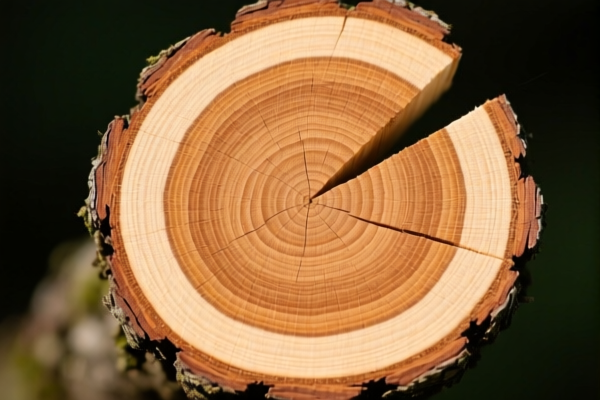
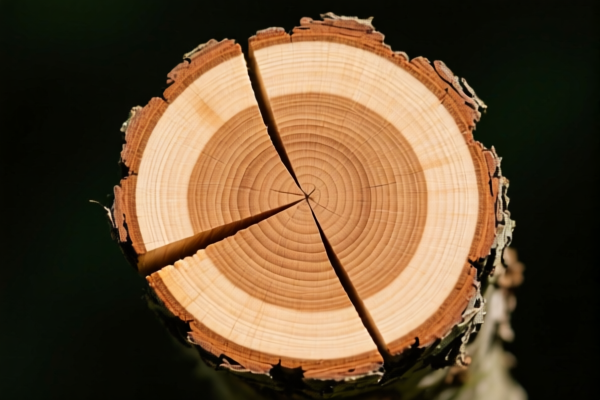
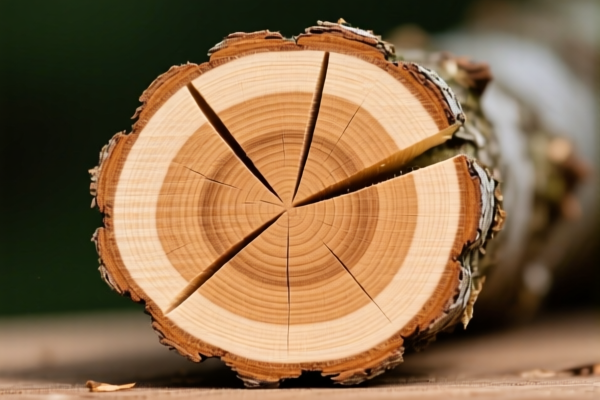

AI Analysis
🪵 Beech Wood Cross Section (山毛榉木横截面)
🌐 HS Code Reference & Customs Clearance Guide | 2026 Latest Tariff Analysis | Professional Entry Strategy
📌 I. Product Definition & Classification: What is "Beech Wood Cross Section"?
Beech wood (Fagus genus) is a widely used temperate hardwood known for its density, fine texture, and light color. In international trade, "Beech Wood Cross Section" generally refers to processed beech timber that has been cut or sliced transversely or longitudinally, primarily used for furniture, flooring, tool handles, or industrial applications.
The classification depends strictly on the degree of processing: 1. Rough/Sawn Logs (粗锯原木/粗制木材): Wood that has been roughly sawn or simply peeled/sliced but retains the basic form of logs or rough timber. 2. Primary Processed (初级形态/切片): Wood that has been peeled, sliced, or otherwise processed into sheets or simple forms but not yet shaped into finished goods.
⚠️ Key Distinction Point:
- If the wood is in the form of rough sawn logs or rough timber, it falls under Chapter 44 Heading 44.03.
- If the wood has been peeled, sliced, or planed into sheets or specific primary forms (but not furniture parts), it falls under Chapter 44 Heading 44.07.
- Note: This analysis is strictly based on the provided<DATA>which maps "Cross Section" to these specific subheadings.
📦 II. HS Code Classification Details (2026 Latest Tariff Authority对照)
| HS Code | Product Description | Summary | Application Scenario |
|---|---|---|---|
4403.94.01.00 |
Beech Wood, Roughly Sawn Logs | 山毛榉木横截面,匹配材质与粗锯原木形态 | Rough lumber, construction beams, raw material for milling |
4407.92.00.00 |
Beech Wood, Peeled/Sliced Primary Form | 山毛榉木横截面,匹配材质与切片/剥皮类初级形态 | Veneer sheets, plywood cores, thin slices for lamination |
4403.93.01.00 |
Beech Wood, Rough Timber Features | 山毛榉木横截面,匹配材质与粗制木材特征 | General rough timber, unrefined sawn wood |
🔍 Critical Reminder:
- All three codes listed above share the same tariff structure for imports from China to the US under current trade policies.
- Misclassification (e.g., declaring rough logs as veneer slices) can lead to customs delays or penalties. Ensure the physical state of the goods matches the description.
💰 III. 2026 Latest Tariff Rate Breakdown (Including Additional Duties)
✅ Applicable Country: United States (US)
✅ Origin: China (CN)
✅ Effective Time: Current policy (2025-2026 period)
✅ Total Tariff Rate: 35.0%
🎯 1. Universal Application for All Listed HS Codes
| Item | Detail |
|---|---|
| Base Tariff Rate | 0.0% (Ad valorem) |
| Section 301 Additional Tariff | +25.0% (Retaliatory tariffs on Chinese goods) |
| Section 122 Tariff | +10.0% (Specific statutory provision applied here) |
| Total Effective Rate | 35.0% |
| Calculation Basis | CIF Value (Cost, Insurance, Freight) × 35% |
| De Minimis Exemption | ❌ Not Applicable |
| Legal Reference Path | USITC:4403.94.01.00 / 4407.92.00.00 / 4403.93.01.00 → FOOTNOTE:301 → SECTION:122 |
📌 Explanation:
- The 0% base rate reflects the standard MFN (Most Favored Nation) duty for wood products.
- The +25% Section 301 tariff is the primary punitive tariff on Chinese wood products.
- The +10% Section 122 tariff is an additional layer specified in the data for these specific beech wood cross-sections.
- Total 35% is a significant cost factor. Importers must factor this into landed cost calculations.
🛠️ IV. Customs Clearance Practical Advice (Battle-Tested Pitfall Avoidance)
✅ 1. Required Documentation Checklist (Non-negotiable)
| Document | Mandatory? | Note |
|---|---|---|
| ✅ Commercial Invoice | ✔️ | Must clearly state "Beech Wood Cross Section" and specify HS Code. |
| ✅ Packing List | ✔️ | Detail dimensions, weight, and number of pieces. |
| ✅ Phytosanitary Certificate | ✔️ | Crucial for wood products. Issued by the exporting country's plant protection agency. |
| ✅ Fumigation Certificate | ✔️ | Required to prove wood is pest-free (ISPM 15 standard). |
| ✅ Product Description/Sample Photos | ✔️ | Show cross-section, surface texture (rough vs. peeled), and dimensions. |
| ✅ Certificate of Origin | ✔️ | To verify Chinese origin and apply correct tariffs. |
✅ 2. Declaration Tips (Key Mantra)
🔥 "Match the State: Rough is 4403, Sliced is 4407, Certs are Key!"
| Scenario | Correct Declaration | Wrong Approach |
|---|---|---|
| Rough Sawn Logs | 4403.94.01.00 or 4403.93.01.00 |
Declaring as "Veneer" → Risk of misclassification penalty |
| Peel/Slice Sheets | 4407.92.00.00 |
Declaring as "Lumber" → Risk of duty mismatch |
| Mixed Shipment | Split invoice clearly | Combining rough and sliced wood → Customs hold for inspection |
| Unfired Wood | Include Phytosanitary Certificate | Ignoring pest control docs → Shipment detained or destroyed |
✅ 3. Special Handling
| Situation | Recommendation |
|---|---|
| High Moisture Content | Ensure wood is dried to appropriate standards (e.g., 12-15% for furniture). Wet wood may incur additional fees or rejection. |
| End Use Declaration | If used for specific purposes (e.g., musical instruments), provide proof, though HS Code remains the same. |
| Section 122 Compliance | Verify that the +10% tariff is correctly applied. Some brokers may omit this if unaware. |
🌍 V. Global Market Comparison (2026 Latest)
| Country/Region | Recommended HS Code | Tariff Rate | Certification Requirement | Notes |
|---|---|---|---|---|
| 🇺🇸 USA | 4403.94.01.00 / 4407.92.00.00 / 4403.93.01.00 |
35% (CN Origin) | Phytosanitary + ISPM 15 | Highest barrier due to 301 + 122 tariffs |
| 🇨🇳 China | Same HS Codes | Variable (Import Duty + VAT) | Phytosanitary | Domestic trade does not apply these US tariffs |
| 🇪🇺 EU | 4403.94 / 4407.92 | 0% - 2.5% (depending on specifics) | FSC/PEFC (Voluntary but recommended) | No Section 301/122 equivalents. Lower cost entry. |
| 🇬🇧 UK | Same HS Codes | 0% - 2.5% | Phytosanitary | Post-Brexit rules may vary; check UK TARIC. |
| 🇨🇦 Canada | Same HS Codes | 0% - 2.5% | Phytosanitary | CUSMA agreement may offer benefits for non-CN wood. |
📌 Conclusion:
- The US market is the most expensive for Chinese Beech Wood due to the 35% total tariff.
- EU and UK markets offer significantly lower tariff barriers, making them more attractive for Chinese exporters if logistics allow.
📌 VI. Common Errors & Pitfalls (Lessons Learned)
❌ Error 1: Failing to provide a Phytosanitary Certificate.
👉 Consequence: Shipment quarantined or destroyed at US port. Avoidable!
❌ Error 2: Confusing Rough Sawn (4403) with Sliced/Veneer (4407).
👉 Consequence: While tariff rate is the same (35%) in this specific data, misclassification can lead to duty drawbacks issues or legal penalties for false declaration.
❌ Error 3: Ignoring the Section 122 +10% tariff.
👉 Consequence: Underpayment of duties, leading to penalties and interest from CBP.
✅ Correct Approach:
"Beech Wood, Beechus, Roughly Sawn, Planed to 2cm, ISPM 15 Fumigated, Certificate No. XXX, HS Code 4403.94.01.00"
🎯 VII. Conclusion: Precision in Classification, Savings in Costs!
🎯 Remember the Mantra:
🔹 "Rough is 4403, Sliced is 4407, 35% Tax is the Truth!"
🔹 "Phytosanitary is a Must, Avoid Detention, Stay Trust!"
🔹 "Section 301 + 122, Check Your Invoice, Don't Miss!"
📌 Pro Tip:
If you are exporting to the US, consider supply chain diversification. Sourcing beech wood from EU or North America can avoid the 35% tariff entirely, significantly improving profit margins.
For existing Chinese stock, ensure perfect documentation to avoid any delays or additional inspections.
📣 Immediate Action:
📞 Consult a licensed customs broker
📋 Prepare Phytosanitary & Fumigation Certs
🚀 Clear your Beech Wood, Fast and Efficient, Protect Your Margin!
✨ Professional Customs Clearance Starts with Accurate Classification!
💼 Every Percent of Duty Matters in the Wood Trade!
Customer Reviews
About HS Code Classification
The Harmonized System (HS) is an internationally standardized nomenclature developed by the World Customs Organization (WCO) to classify traded products. Over 200 countries use the HS system as the basis for customs tariffs, trade statistics, and import/export regulations.
Each HS code follows a hierarchical structure:
- Chapter (2 digits) — Broad category of goods (e.g., Chapter 84: Machinery and Mechanical Appliances)
- Heading (4 digits) — More specific grouping within the chapter
- Subheading (6 digits) — Internationally standardized breakdown, used by all WCO member countries
- National subdivisions (8-10 digits) — Country-specific extensions for further classification, such as US HTSUS 10-digit codes
Correct HS code classification is essential for smooth customs clearance, accurate duty payment, and compliance with trade regulations. Misclassification can lead to customs delays, overpayment of duties, or penalties.
When importing from CN to US, the applicable tariff rates may include:
- Most-Favored-Nation (MFN) rate — The standard duty rate applied to WTO members
- General rate — Applied to countries without trade agreements
- Trade remedy duties — Additional tariffs such as Section 301 (anti-dumping), Section 232 (national security), or countervailing duties
The information provided on this page is for reference purposes only. For official classification, please consult with your local customs authority or a licensed customs broker.