bicycle accessories
CN → US| HS Code | Tariff Rate | Origin | Destination | Doc |
|---|---|---|---|---|
| 8714998000 | 27.5% | CN | US | Official Doc |
| 8714995000 | 17.5% | CN | US | Official Doc |
| 8302496055 | 90.7% | CN | US | Official Doc |
| 3926909989 | 22.8% | CN | US | Official Doc |
| 8302498050 | 38.5% | CN | US | Official Doc |
Product Images
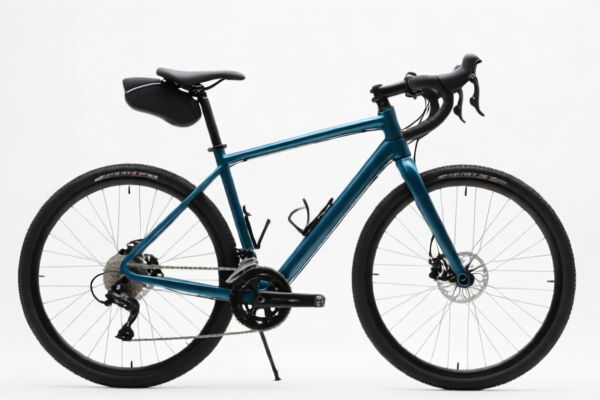
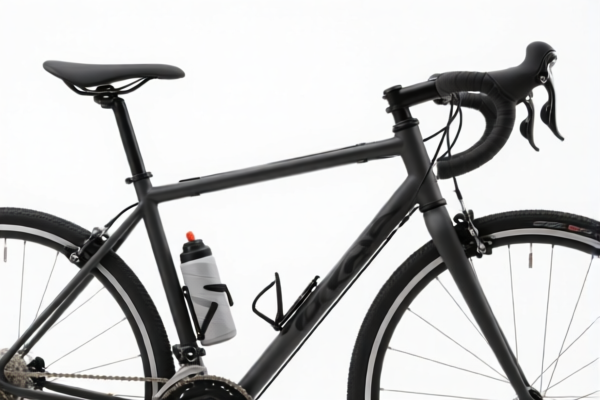
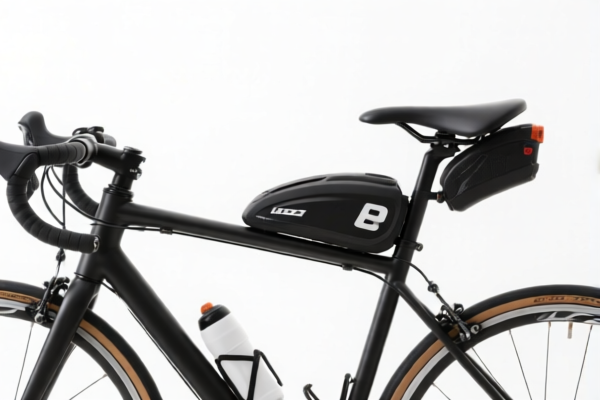
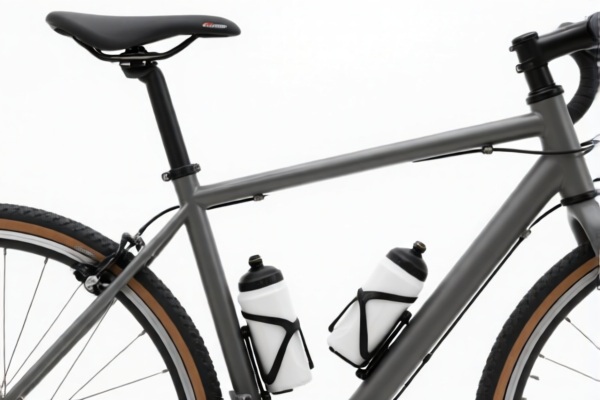
AI Analysis
🚲 Bicycle Accessories: The Ultimate HS Code Classification & Tax Strategy Guide (2026)
🌐 HS Code Reference & Customs Clearance Guide | 2026 Latest Tariff Analysis | Professional-Level Clearance Strategy
📌 I. Product Definition: What Exactly Are "Bicycle Accessories"?
Bicycle accessories are not a single commodity in international trade. They are a heterogeneous group consisting of metal components, plastic parts, and vehicle-specific fittings. The correct HS Code classification depends entirely on material composition and functionality. Misclassification leads to severe tax penalties (up to 38.5% vs. 17.5%) and customs delays.
⚠️ Critical Distinction:
- Metal Parts (Brackets, racks, baskets): Often fall under 8302 or 8714. - Plastic Parts (Housings, grips, guards): Often fall under 3926. - Vehicle-Specific Parts: If clearly identifiable as bicycle parts, they fall under 8714. - General Purpose Parts: If ambiguous, they may be classified as "other articles," falling under 3926 or 8714 general buckets.
📦 II. HS Code Classification Matrix (2026 Authorized Data)
Based on the provided , here are the five specific HS Codes authorized for Bicycle Accessories. Each has a distinct tax burden.
| HS Code | Summary Description | Material Focus | Total Tax Rate | Key Differentiator |
|---|---|---|---|---|
8302.49.80.50 |
Bicycle Accessories, Metal, for Non-Automotive Vehicles | Metal | 38.5% | Highest tax; strict metal classification |
3926.90.96.00 |
Bicycle Accessories, Plastic, Classified as Other Plastic Articles | Plastic | 35.0% | Specific plastic article classification |
3926.90.99.89 |
Bicycle Accessories, Plastic, "Catch-All" for Other Plastic Articles | Plastic | 22.8% | Lower tax plastic option; fallback for unclear plastic items |
8714.99.80.00 |
Bicycle Accessories, Vehicle Parts, Fallback Category | Mixed/General | 27.5% | Fallback for vehicle parts with no material conflict |
8714.99.50.00 |
Bicycle Accessories, Vehicle Parts & Attachments, No Material Conflict | Mixed/General | 17.5% | Lowest Tax; optimal for clear vehicle-specific parts |
🔍 Key Insight:
- The tax difference between the highest (8302.49.80.50at 38.5%) and the lowest (8714.99.50.00at 17.5%) is 21 percentage points. - Metal items are heavily penalized (38.5%), while Plastic items have two options (35.0%or22.8%). - Vehicle-specific parts (8714) generally offer lower rates than material-specific categories (8302/3926).
💰 III. 2026 Tariff Breakdown & Legal Basis (US Market)
✅ Applicable Country: United States (US)
✅ Origin: China (CN)
✅ Components of Tax:
- Base Duty: Standard MFN rate.
- Section 301 Duty: 25% (USITC Footnote 9903.88.01).
- Section 122 Duty: 10% (IEEPA / Additional China Tariff).
🎯 1. 8302.49.80.50 – Metal Bicycle Parts
⚠️ Highest Risk Category
| Item | Detail |
|---|---|
| Base Duty | 3.5% |
| Section 301 Duty | +25.0% |
| Section 122 Duty | +10.0% |
| Total Effective Rate | 38.5% |
| Tax Calculation | CIF Value × 38.5% |
| De Minimis Exemption | ❌ Not Eligible |
📌 Explanation:
- Metal accessories (e.g., aluminum racks, steel baskets) are classified as "Mountings, Fittings, and Hardware of Base Metal."
- The 25% Section 301 duty applies broadly to Chinese metal goods.
- Strategy: Avoid this classification if possible. Can the part be redesigned in plastic or reclassified as a vehicle-specific part (8714)?
🎯 2. 3926.90.96.00 – Plastic Bicycle Parts (Specific)
High Tax Plastic Option
| Item | Detail |
|---|---|
| Base Duty | 0.0% |
| Section 301 Duty | +25.0% |
| Section 122 Duty | +10.0% |
| Total Effective Rate | 35.0% |
| Tax Calculation | CIF Value × 35.0% |
| De Minimis Exemption | ❌ Not Eligible |
📌 Explanation:
- Applies to specific plastic articles not elsewhere specified.
- Although base duty is 0%, the 25% + 10% surcharges drive the total to 35%.
- Strategy: Only use if the item is clearly a "plastic article" and not a dedicated bicycle part.
🎯 3. 3926.90.99.89 – Plastic Bicycle Parts (Catch-All)
Optimal Plastic Classification
| Item | Detail |
|---|---|
| Base Duty | 5.3% |
| Section 301 Duty | +7.5% |
| Section 122 Duty | +10.0% |
| Total Effective Rate | 22.8% |
| Tax Calculation | CIF Value × 22.8% |
| De Minimis Exemption | ❌ Not Eligible |
📌 Explanation:
- This is the "fallback" for plastic goods.
- Crucial Difference: The Section 301 duty drops from 25% to 7.5%, saving 17.5% compared to the previous plastic code.
- Strategy: Use this for generic plastic accessories (e.g., cable covers, non-specific guards) if they can be argued as "other plastic articles."
🎯 4. 8714.99.80.00 – Bicycle Vehicle Parts (Fallback)
Middle-Ground Option
| Item | Detail |
|---|---|
| Base Duty | 10.0% |
| Section 301 Duty | +7.5% |
| Section 122 Duty | +10.0% |
| Total Effective Rate | 27.5% |
| Tax Calculation | CIF Value × 27.5% |
| De Minimis Exemption | ❌ Not Eligible |
📌 Explanation:
- Classifies parts as "Parts and Accessories of Vehicles Other Than Road Vehicles."
- Higher base duty (10%), but lower Section 301 duty (7.5%).
- Strategy: Use when the item is clearly a bicycle part but doesn't fit the optimal8714.99.50description.
🎯 5. 8714.99.50.00 – Bicycle Vehicle Parts (Optimal)
🏆 Lowest Tax Category
| Item | Detail |
|---|---|
| Base Duty | 0.0% |
| Section 301 Duty | +7.5% |
| Section 122 Duty | +10.0% |
| Total Effective Rate | 17.5% |
| Tax Calculation | CIF Value × 17.5% |
| De Minimis Exemption | ❌ Not Eligible |
📌 Explanation:
- Classifies parts as "Other Parts and Accessories" specifically for bicycles.
- Zero base duty and low Section 301 duty (7.5%).
- Strategy: Aim for this code. Ensure the item is clearly identifiable as a bicycle part (e.g., seat posts, specific brackets, handlebar grips) and not a generic hardware item.
🛠️ IV. Customs Clearance Strategy (Practical Avoidance Guide)
✅ 1. Documentation Checklist (Mandatory)
| Document | Required? | Purpose |
|---|---|---|
| ✅ Product Spec Sheet | ✔️ | Must specify material (Metal vs. Plastic) and function. |
| ✅ Photos (Labeled) | ✔️ | Show the item installed on a bicycle or clearly labeled as "Bicycle Part." |
| ✅ Commercial Invoice | ✔️ | Describe item as "Bicycle Accessory" or "Bicycle Part," NOT "Hardware" or "Plastic Ornament." |
| ✅ Material Composition Statement | ✔️ | Explicitly state % of Metal/Plastic/Rubber to support 3926 or 8714 classification. |
| ✅ Origin Certificate | ✔️ | For proof of Chinese origin (triggering Section 301/122). |
✅ 2. Classification Tips (The "Golden Rules")
🔥 "Material Matters, Function Rules All!"
| Scenario | Recommended HS Code | Tax Rate | Why? |
|---|---|---|---|
| Plastic Handlebar Grip | 3926.90.99.89 |
22.8% | If it's a generic plastic grip, use the lower-tax plastic code. |
| Plastic Bike Bell Housing | 3926.90.99.89 |
22.8% | Avoid 3926.90.96.00 (35%) unless specifically mandated. |
| Metal Bike Rack | 8714.99.50.00 |
17.5% | DO NOT use 8302.49.80.50 (38.5%). Argue it as a "Vehicle Part." |
| Metal Brake Lever | 8714.99.50.00 |
17.5% | Clearly a bicycle part. Avoid metal hardware classification. |
| Generic Plastic Clamp | 3926.90.99.89 |
22.8% | Not a dedicated bike part → Use plastic catch-all. |
| Metal Bolt/Nut | 7318.xx.xx (Not in Data) |
Check Data | If forced to use data, likely 8302 (38.5%) - AVOID. |
✅ 3. Critical Warnings
- ❌ Never use
8302.49.80.50for metal bike parts unless absolutely forced. The 38.5% tax is prohibitive. Even if it's metal, if it's a bicycle-specific part, argue for8714.99.50.00. - ❌ Avoid
3926.90.96.00(35%) for plastics. Always check if3926.90.99.89(22.8%) is applicable. It is cheaper by 12.2%. - ✅ Prioritize
8714.99.50.00(17.5%). This is the "Golden Code." Ensure your product descriptions emphasize "Bicycle Part" or "Bicycle Accessory" in every document.
🌍 V. Global Market Comparison (2026)
| Market | Recommended HS Code | Est. Tax Impact | Key Requirement |
|---|---|---|---|
| 🇺🇸 USA | 8714.99.50.00 |
17.5% | Section 301 & 122 apply. Avoid 8302. |
| 🇨🇳 China | 8714.99.50.00 |
~5-10% | Lower base duties, but verify local VAT. |
| 🇪🇺 EU | 8714.99.90 |
~4-6% | No Section 301/122. Focus on CE marking. |
| 🇨🇦 Canada | 8714.99.00 |
~10% | Check CUSMA eligibility if originating in NA. |
📌 Conclusion:
The US market is the most punitive for Chinese bicycle parts due to Section 301 and 122 duties. Classification accuracy is not optional—it is a profit driver.
📌 VI. Common Mistakes & Pitfalls (Lessons Learned)
❌ Mistake 1: Calling a metal bike rack "Hardware" → 8302.49.80.50 (38.5%)
👉 Fix: Call it "Bicycle Rack, Vehicle Part" → 8714.99.50.00 (17.5%).
👉 Savings: 21% per unit.
❌ Mistake 2: Calling a plastic bell "Plastic Article" → 3926.90.96.00 (35%)
👉 Fix: Call it "Bicycle Accessory, Plastic" → 3926.90.99.89 (22.8%).
👉 Savings: 12.2% per unit.
❌ Mistake 3: Mixing metal and plastic parts in one shipment without clear separation.
👉 Fix: Ship separately or clearly label each item to avoid ambiguous classification by customs brokers.
🎯 VII. Final Recommendation: How to Save Money
- Audit Your Bill of Materials (BOM): Identify which parts are metal vs. plastic.
- Redesign if Necessary: Can a metal part be made of plastic? Switching from
8302(38.5%) to3926(22.8%) saves 15.7%. - Leverage
8714: For both metal and plastic, if the part is uniquely for a bicycle, always aim for8714.99.50.00(17.5%). This is the cheapest option in the dataset. - Documentation is Key: Ensure invoices and packing lists explicitly state "Bicycle Part" or "Bicycle Accessory," NOT "General Hardware" or "Plastic Ornament."
📌 Pro Tip:
"If it looks like a bicycle part, declare it as a bicycle part. If it looks like hardware, you’re paying double tax!"
📣 Immediate Action Required:
📞 Contact your customs broker with the 2026 tariff data provided above.
🚀 Request an Advance Ruling for high-volume SKUs to lock in the8714.99.50.00(17.5%) classification.
💼 Optimize your supply chain to prioritize the lowest-tax HS codes.
✨ Precision Classification = Maximum Profit.
💼 Don't let misclassification cost you 21% of your revenue!
Customer Reviews
About HS Code Classification
The Harmonized System (HS) is an internationally standardized nomenclature developed by the World Customs Organization (WCO) to classify traded products. Over 200 countries use the HS system as the basis for customs tariffs, trade statistics, and import/export regulations.
Each HS code follows a hierarchical structure:
- Chapter (2 digits) — Broad category of goods (e.g., Chapter 84: Machinery and Mechanical Appliances)
- Heading (4 digits) — More specific grouping within the chapter
- Subheading (6 digits) — Internationally standardized breakdown, used by all WCO member countries
- National subdivisions (8-10 digits) — Country-specific extensions for further classification, such as US HTSUS 10-digit codes
Correct HS code classification is essential for smooth customs clearance, accurate duty payment, and compliance with trade regulations. Misclassification can lead to customs delays, overpayment of duties, or penalties.
When importing from CN to US, the applicable tariff rates may include:
- Most-Favored-Nation (MFN) rate — The standard duty rate applied to WTO members
- General rate — Applied to countries without trade agreements
- Trade remedy duties — Additional tariffs such as Section 301 (anti-dumping), Section 232 (national security), or countervailing duties
The information provided on this page is for reference purposes only. For official classification, please consult with your local customs authority or a licensed customs broker.