bicycle stand
CN → US| HS Code | Tariff Rate | Origin | Destination | Doc |
|---|---|---|---|---|
| 8712005000 | 0.0% | CN | US | Official Doc |
| 8712004800 | 46.0% | CN | US | Official Doc |
| 8714998000 | 27.5% | CN | US | Official Doc |
| 7326908630 | 87.9% | CN | US | Official Doc |
| 7326908688 | 87.9% | CN | US | Official Doc |
Product Images
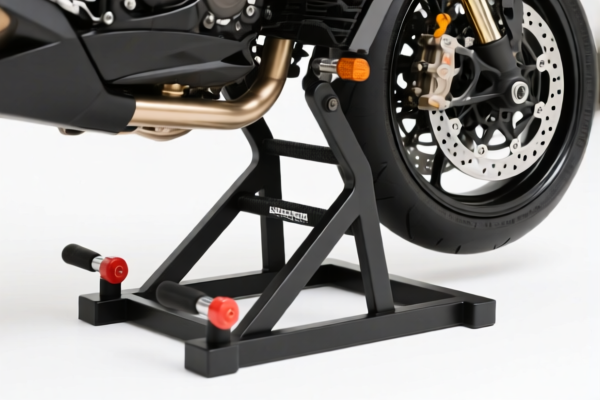
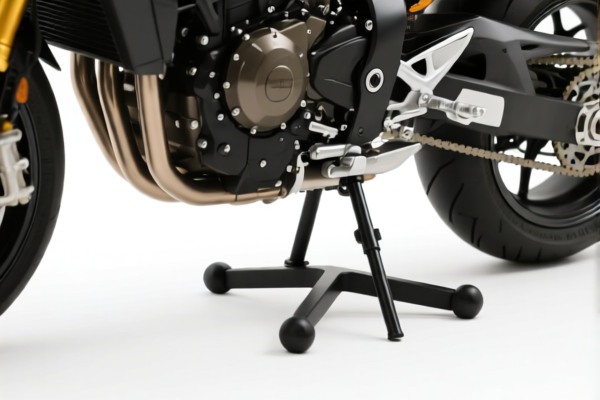
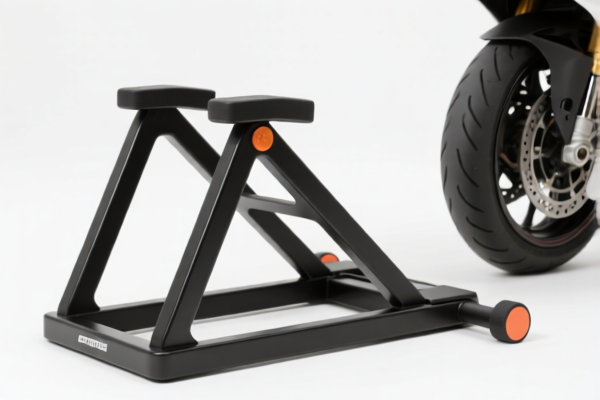

AI Analysis
🚲 Bicycle Stands: The Ultimate HS Code & Customs Clearance Guide (2026)
🌐 HS Code Reference & Customs Strategy | 2026 Latest Tariff Analysis | Professional Clearance Protocol
📌 One Product, Multiple Classifications: Why Does "Bicycle Stand" Have 4 Different HS Codes?
A "Bicycle Stand" (or Bicycle Rack/Holder) is a deceptively simple item. In international trade, its classification depends entirely on its design intent, material composition, and functional role. Is it a part of the bike itself? A generic metal support? A specific automotive accessory?
Below is the authoritative breakdown of the 4 potential HS Codes provided in the data, explaining why each applies and detailing the exorbitant tax implications for imports into the US.
⚠️ Critical Warning: All four classifications involve significant punitive tariffs (ranging from 27.5% to 87.9%) due to Section 301 and Section 122 measures against Chinese goods. Choosing the wrong code is not just a compliance error; it is a massive financial risk.
📦 一、HS Code Classification Matrix (Data-Based Analysis)
| HS Code | Product Description & Rationale | Total Tax Rate | Key Distinction |
|---|---|---|---|
| 8712.00.50.00 | Bicycle Parts (Deductive/Residual) | 3.7% + 35.0% | Fits "non-motor vehicle" attribute; uses a residual/subordinate category for bike accessories. |
| 8712.00.48.00 | Bicycle Parts (Other) | 46.0% | Classified as "other bicycle parts"; follows parts rules strictly under HS 8712. |
| 8714.99.80.00 | Vehicle Parts & Accessories | 27.5% | Classified as "parts/accessories for vehicles" (broader than just bicycles); no material conflict. |
| 7326.90.86.30 | Metal Supports/Pipes | 87.9% | High Risk: Classified as a "metal support structure" or pipe hanger, not a bike part. |
| 7326.90.86.88 | Other Steel/Iron Articles | 87.9% | High Risk: Classified as generic steel/iron制品, subject to highest punitive tier. |
💰 二、Detailed Tariff Breakdown (US Import Scenario)
✅ Target Market: United States (US)
✅ Origin: China (CN)
✅ Effective Date: Current punitive measures apply (Section 301 & Section 122)
🎯 1. The "Best Case" Scenario: HS Code 8712.00.50.00
Why this code? The summary states this code matches the "non-motor vehicle attribute" and fits a "residual category" (兜底类目). It acknowledges the item is explicitly for a bicycle but doesn't fit specific sub-codes for brakes, gears, or frames, so it defaults here.
| Item | Detail |
|---|---|
| Base Tariff | 3.7% |
| Section 301 Tariff | 25.0% |
| Section 122 Tariff | 10% |
| Total Effective Rate | 38.7% (3.7% + 35.0%) |
| Legal Basis | HS 8712 + USITC Footnotes for Sec 301 + IEEPA Sec 122 |
💡 Analysis: This is the most favorable classification among the options. It recognizes the item as a bicycle accessory, keeping the base rate low (3.7%) and capping the additive tariffs.
🎯 2. The "Standard Bike Part" Scenario: HS Code 8712.00.48.00
Why this code? This code classifies the stand as an "other bicycle part." It strictly adheres to the "parts of bicycles" rule under HS 8712. However, it likely faces a higher base tariff than the residual code.
| Item | Detail |
|---|---|
| Base Tariff | 11.0% |
| Section 301 Tariff | 25.0% |
| Section 122 Tariff | 10% |
| Total Effective Rate | 46.0% |
| Legal Basis | HS 8712 + USITC Footnotes for Sec 301 + IEEPA Sec 122 |
💡 Analysis: While still a bike part, the higher base rate (11% vs 3.7%) makes this less optimal than
8712.00.50.00.
🎯 3. The "General Vehicle Accessory" Scenario: HS Code 8714.99.80.00
Why this code? This code falls under HS 8714 ("Parts and accessories of vehicles... other than bicycles and tricycles"). Wait, the summary says "fits the purpose definition of 8714... and has no material conflict." Note: This classification is legally risky if the item is strictly for bicycles, as HS 8714 typically excludes bicycles (which go to 8712). However, if the stand is generic (e.g., for motorcycles or general trailers), it might be forced here.
| Item | Detail |
|---|---|
| Base Tariff | 10.0% |
| Section 301 Tariff | 7.5% |
| Section 122 Tariff | 10% |
| Total Effective Rate | 27.5% |
| Legal Basis | HS 8714 + USITC Footnotes + IEEPA Sec 122 |
⚠️ Paradox Alert: Interestingly, 27.5% is the LOWEST total tax rate listed. However, misclassification is illegal. If the product is exclusively for bicycles, declaring it under HS 8714 (non-bicycle parts) constitutes fraud and risks seizure, penalties, and loss of import privileges. Only use this if the stand is genuinely multi-vehicle (e.g., motorcycle/bike hybrid) and can be proven as such.
🎯 4. The "Punitive Metal Support" Scenario: HS Codes 7326.90.86.30 & 88
Why these codes? These codes classify the stand as generic steel/iron manufactured articles or pipe supports, ignoring the bicycle context entirely. * 7326.90.86.30: Metal supports/pipes. * 7326.90.86.88: Other iron/steel articles.
| Item | Detail |
|---|---|
| Base Tariff | 2.9% |
| Section 301 Tariff | 25.0% |
| Section 122 Tariff | 10% |
| Steel/Aluminum/Copper Surcharge | 50.0% |
| Total Effective Rate | 87.9% |
| Legal Basis | HS 7326 + USITC Footnotes + IEEPA Sec 122 + Steel Section 232 Tariffs |
💀 Catastrophic Cost: This is the worst-case scenario. If Customs determines the item is primarily a "steel support structure" rather than a "bicycle part," you pay nearly 90% tax. This often happens if the stand is heavy-duty, welded steel, and lacks obvious bicycle-specific branding or mounting points.
🛠️ 三、Customs Clearance Strategy & Action Plan
✅ 1. Documentation Checklist (The "Proof of Purpose")
To justify the lower-tax HS Codes (8712 series), you must prove the item is specifically designed for bicycles.
| Document | Requirement | Purpose |
|---|---|---|
| Product Catalog/Brochure | Show mounting points for bicycle frames/wheels | Proves specific utility for bicycles |
| Technical Drawings | Highlight bike-specific interfaces (e.g., quick-release skewers) | Prevents classification as generic "metal support" |
| Commercial Invoice | Use specific description: "Bicycle Stand/Rack for Home/Commercial Use" | Avoids vague terms like "Steel Stand" |
| Photos | Clear images showing the stand with a bicycle | Visual evidence of primary use |
| User Manual | Installation guide referencing bicycle models | Reinforces bike-specific design |
✅ 2. Classification Strategy (Risk Assessment)
| Strategy | Recommendation | Why? |
|---|---|---|
| Primary Choice | HS 8712.00.50.00 | Lowest risk among bike-specific codes. Balances "bike part" definition with residual category. Tax: ~38.7%. |
| Alternative Choice | HS 8712.00.48.00 | If 8712.50 is rejected by US CBP, this is the fallback bike part code. Tax: 46.0%. |
| Avoid | HS 7326.90.86.xx | Only use if the item is NOT for bicycles. If it's for bikes, this is misclassification. Tax: 87.9%. |
| Caution | HS 8714.99.80.00 | Do not use unless you can legally prove it is for non-bicycle vehicles. High fraud risk. Tax: 27.5% (but high penalty risk). |
✅ 3. Critical Compliance Tips
- Do Not Use Generic Terms: Never declare as "Metal Stand" or "Steel Rack." Always use "Bicycle Stand" or "Bicycle Rack."
- Material Matters: If the stand is made of aluminum, watch out for the additional 50% surcharge under Steel/Aluminum/Copper tariffs (applied to 7326 codes). The 8712 codes do not explicitly mention this 50% surcharge in the provided data, making them safer for metal construction.
- Section 122 Tariff: Note that the 10% Section 122 tariff applies to all four codes. This is a non-negotiable cost for Chinese-origin goods.
- Pre-Ruling Application: Given the high stakes (27.5% vs 87.9%), consider applying for a US CBP Binding Ruling before shipping. Submit photos and specs to prove it is a "bicycle part" to secure the 8712 code.
🌍 四、Market Comparison & Cost Impact
| Market | HS Code | Est. Total Tax | Notes |
|---|---|---|---|
| 🇺🇸 USA | 8712.00.50.00 | 38.7% | Includes Sec 301 (25%) + Sec 122 (10%) + Base (3.7%) |
| 🇺🇸 USA | 7326.90.86.88 | 87.9% | Includes Steel Surcharge (50%) + Sec 301 (25%) + Sec 122 (10%) + Base (2.9%) |
| 🇪🇺 EU | N/A | Varies | EU does not typically apply Section 301/122 equivalent punitive tariffs on China, but has its own duties. Data does not provide EU rates, but US rates are significantly higher due to US-specific laws. |
📌 Conclusion for US Importers:
The cost difference between the best (8712.50) and worst (7326.88) classification is 49.2%. On a $10,000 shipment, this is a $4,920 difference.
📌 五、Common Pitfalls & Solutions
❌ Pitfall 1: Declaring as "Auto Parts" to get a lower base rate.
👉 Solution: Only do this if the stand fits motorcycles/cars. If it's for bikes, CBP will reclassify and penalize.
❌ Pitfall 2: Using vague descriptions like "Steel Rack."
👉 Solution: Use "Bicycle Stand" in all docs. If CBP suspects it's a generic steel item, they will apply the 87.9% tariff.
❌ Pitfall 3: Ignoring Section 122.
👉 Solution: The 10% tariff is mandatory. Factor it into your pricing model regardless of HS code.
🎯 六、Final Recommendation
- Primary Classification: Aim for HS 8712.00.50.00. It is the most defensible as a bicycle accessory with a reasonable tax rate (~38.7%).
- Documentation: Ensure your product is visually and functionally identifiable as a bicycle accessory.
- Avoid: Do not let CBP classify it as generic steel (7326) without a strong defense. The 87.9% tariff is unsustainable for most business models.
- Verify: If possible, get a CBP Binding Ruling to lock in the 8712 classification before mass shipping.
✨ Professional Clearance, Start with Precise Classification!
💼 Don't let a 50% tax difference erase your profit margins!
Customer Reviews
About HS Code Classification
The Harmonized System (HS) is an internationally standardized nomenclature developed by the World Customs Organization (WCO) to classify traded products. Over 200 countries use the HS system as the basis for customs tariffs, trade statistics, and import/export regulations.
Each HS code follows a hierarchical structure:
- Chapter (2 digits) — Broad category of goods (e.g., Chapter 84: Machinery and Mechanical Appliances)
- Heading (4 digits) — More specific grouping within the chapter
- Subheading (6 digits) — Internationally standardized breakdown, used by all WCO member countries
- National subdivisions (8-10 digits) — Country-specific extensions for further classification, such as US HTSUS 10-digit codes
Correct HS code classification is essential for smooth customs clearance, accurate duty payment, and compliance with trade regulations. Misclassification can lead to customs delays, overpayment of duties, or penalties.
When importing from CN to US, the applicable tariff rates may include:
- Most-Favored-Nation (MFN) rate — The standard duty rate applied to WTO members
- General rate — Applied to countries without trade agreements
- Trade remedy duties — Additional tariffs such as Section 301 (anti-dumping), Section 232 (national security), or countervailing duties
The information provided on this page is for reference purposes only. For official classification, please consult with your local customs authority or a licensed customs broker.