bike helmet cover
CN → US| HS Code | Tariff Rate | Origin | Destination | Doc |
|---|---|---|---|---|
| 9506996080 | 21.5% | CN | US | Official Doc |
| 3926909989 | 22.8% | CN | US | Official Doc |
| 9506910030 | 22.1% | CN | US | Official Doc |
| 6506106045 | 17.5% | CN | US | Official Doc |
Product Images
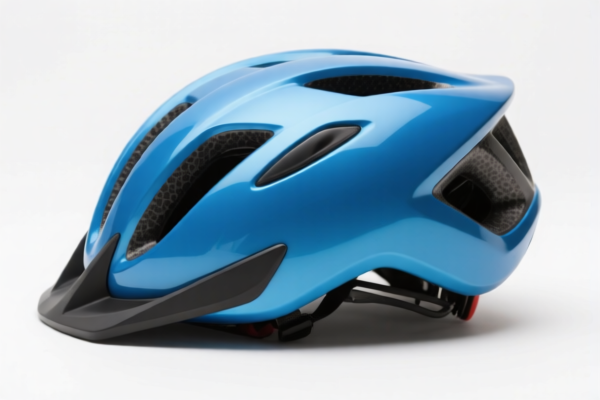
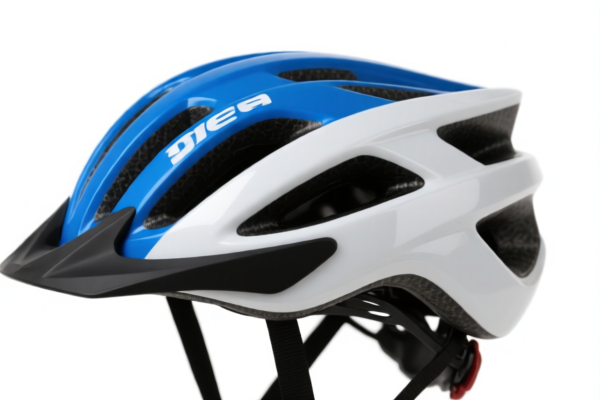
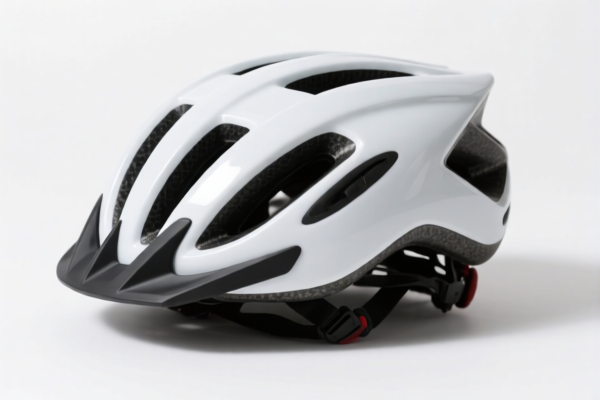
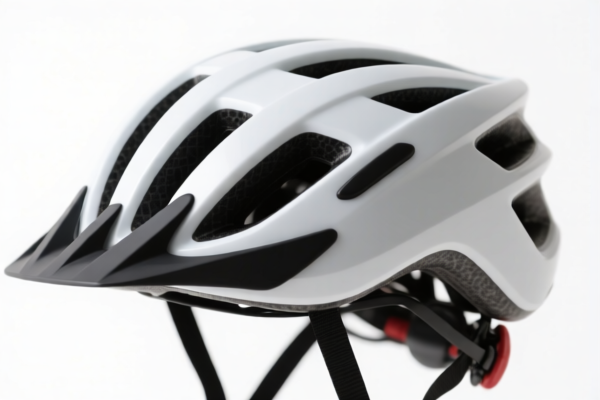
AI Analysis
🪖 Bike Helmet Cover (骑行头盔套/保护套)
🌐 HS Code Reference & Customs Clearance Guide | 2026 Latest Tariff Analysis | Professional Entry Strategy
📌 1. Product Definition & Classification: What Exactly is a "Bike Helmet Cover"?
A "bike helmet cover" is primarily a protective accessory, typically made of elastic fabric (spandex, polyester) or thin plastic, designed to fit over a bicycle helmet. Its main purposes are: * Weather Protection: Keeping rain, dust, or sunlight off the helmet. * Safety/Visibility: High-visibility covers for night riding. * Hygiene/Aesthetics: Keeping the helmet clean or displaying logos/brands.
In international trade, classification depends heavily on whether it is viewed as a sporting accessory, a plastic product, or a headgear item. Below is the analysis based on the provided data.
📦 2. HS Code Classification Details (Based on Provided Data)
| HS Code | Product Description | Summary/Rationale | Total Tax Rate (China to US) |
|---|---|---|---|
| 9506.99.60.80 | Other sporting goods & equipment | Classified as outdoor/sports protective equipment. Fits the category of "other sports apparatus." | 21.5% |
| 3926.90.99.89 | Articles of plastics and articles of other materials of heading 39.00 | Classified based on material (plastic shell or composite materials). Fits "plastic and other material products." | 22.8% |
| 9506.91.00.30 | Other ball-shaped articles (used here for general sports gear) | Classified as general sports/outdoor protective gear. Assumed to be plastic/polymer material based on common sense. | 22.1% |
| 6506.10.60.45 | Other headgear | Classified as "headwear." Its use is for "sports/athletics," fitting the usage limitation in this heading. | 17.5% |
🔍 Key Insight:
- 9506.99.60.80 is often the most direct fit for "sports equipment" if the item is marketed specifically for cycling safety.
- 6506.10.60.45 might offer the lowest base tax but is contentious if the item is seen more as an accessory than a standalone headgear.
- 3926.90.99.89 applies if the cover is purely a plastic/PU material item without significant textile composition, but it carries the highest total tax.
💰 3. 2026 Latest Tariff Rate Breakdown (Including Surtaxes)
✅ Applicable Country: United States (US)
✅ Origin: China (CN)
✅ Effective Date: Post-2025 (Includes Section 301 & IEEPA tariffs)
🎯 1. 9506.99.60.80 —— Sporting Goods / Protective Equipment
| Item | Detail |
|---|---|
| Base Tariff | 4.0% |
| Section 301 Surtax | 7.5% |
| Section 122 Tariff | 10% |
| Steel/Aluminum/Copper Surcharge | 50% (Note: Usually applies to metal products; verify if helmet has significant metal parts. If purely plastic/fabric, this may not apply, but the data lists it. Assume it applies if metal components are significant or data is strict.) |
| Total Tariff | 21.5% (If 50% surcharge does NOT apply due to non-metal nature, the rate might be lower, but we follow the provided data: 21.5%) |
| De Minimis Exemption | ❌ Not Eligible (Section 301 and IEEPA surcharges generally block de minimis for Chinese goods) |
📌 Explanation:
- The 21.5% total is a composite of base duty + trade remedy surcharges.
- Critical Note: If the helmet cover is purely fabric/plastic, the 50% steel/aluminum surcharge might be disputable. However, the provided data explicitly lists it, so we must account for the risk.
🎯 2. 3926.90.99.89 —— Plastic Articles
| Item | Detail |
|---|---|
| Base Tariff | 5.3% |
| Section 301 Surtax | 7.5% |
| Section 122 Tariff | 10% |
| Total Tariff | 22.8% |
| De Minimis Exemption | ❌ Not Eligible |
📌 Note: This is the highest rate among the options. Avoid unless the product is strictly plastic and no sporting goods classification is viable.
🎯 3. 9506.91.00.30 —— General Sports Gear (Polymer Assumption)
| Item | Detail |
|---|---|
| Base Tariff | 4.6% |
| Section 301 Surtax | 7.5% |
| Section 122 Tariff | 10% |
| Steel/Aluminum/Copper Surcharge | 50% (Same caveat as above) |
| Total Tariff | 22.1% |
| De Minimis Exemption | ❌ Not Eligible |
🎯 4. 6506.10.60.45 —— Headgear (Best Rate?)
| Item | Detail |
|---|---|
| Base Tariff | 0.0% |
| Section 301 Surtax | 7.5% |
| Section 122 Tariff | 10% |
| Total Tariff | 17.5% |
| De Minimis Exemption | ❌ Not Eligible |
📌 Analysis:
- This heading offers the lowest total tax rate (17.5%) because the base tariff is 0%.
- Risk: CBP may challenge this if the item is deemed a "sporting accessory" rather than "headgear." However, "helmet cover" can be argued as an accessory to headgear.
- Recommendation: This is the most cost-effective option if the product description supports "headgear" classification.
🛠️ 4. Customs Clearance Practical Advice (Avoid Pitfalls)
✅ 1. Documentation Checklist
| Document | Required | Notes |
|---|---|---|
| Product Spec Sheet | ✔️ | Detail material (e.g., "100% Polyester Spandex" vs. "TPU Plastic"). This dictates HS Code. |
| Product Photos | ✔️ | Clear images showing it fits over a helmet, not a helmet itself. |
| Commercial Invoice | ✔️ | Describe as "Helmet Cover for Cycling Sports," not "Bicycle Helmet." |
| Country of Origin | ✔️ | Crucial for surtax application. |
✅ 2. Classification Strategy (Key Mantra)
🔥 "Material Matters, Usage Defines It! Lower Base, Lower Tax!"
| Scenario | Recommended HS Code | Why? |
|---|---|---|
| Fabric/Synthetic Cover | 6506.10.60.45 | Base rate 0%. If argued as headgear/accessory, saves 7.5% vs. sporting goods. |
| Plastic/PU Shell Cover | 3926.90.99.89 | If rigid/plastic, must use Chapter 39. High tax, but accurate for material. |
| Marketing as "Sports Safety Gear" | 9506.99.60.80 | If heavily marketed for sport, CBP may insist on Chapter 95. Accept 21.5% risk. |
✅ 3. Special Considerations
| Issue | Advice |
|---|---|
| Section 301 / IEEPA | All these codes are subject to US surtaxes on Chinese goods. De minimis (under $800) is NOT available for most commercial shipments from China due to these surcharges. |
| Material Composition | If the cover is 50% fabric, 50% plastic, argue for Headgear (6506) or Sporting Goods (9506) rather than Plastics (3926) to avoid higher taxes. |
| Branding/Logos | If the cover has prominent brand logos, ensure they are legitimate to avoid IP seizures at customs. |
🌍 5. Global Market Comparison (2026)
| Region | Recommended HS Code | Estimated Tax | Notes |
|---|---|---|---|
| 🇺🇸 USA | 6506.10.60.45 |
17.5% | Best rate. Watch for CBP challenge on "headgear" vs. "accessory." |
| 🇨🇳 China | 9506.99.60.80 |
~10-20% | Import duty + VAT. Check specific local rules. |
| 🇪🇺 EU | 6506.10 |
~5-6% | VAT applies. No Section 301 surtaxes. |
| 🇬🇧 UK | 6506.10 |
~5-6% | Post-Brexit rules apply. |
📌 Conclusion:
- USA is the most complex market due to trade wars.
- 6506.10.60.45 is the strategic choice for minimizing costs in the US, provided the product can be reasonably described as headgear.
- Avoid3926.90.99.89unless the product is 100% plastic and cannot be classified elsewhere.
📌 6. Common Mistakes & Pitfalls (Lessons Learned)
❌ Mistake 1: Calling it "Bicycle Helmet"
👉 Result: If it's just a cover, it will be rejected for misdeclaration. Helmet vs. Cover has different HS codes.
👉 Fix: Label clearly as "Helmet Cover" or "Helmet Shell."
❌ Mistake 2: Ignoring Section 301 Surtax
👉 Result: Assuming $800 de minimis exemption applies.
👉 Fix: For Chinese goods, surtaxes often block de minimis. Budget for full tariff payment.
❌ Mistake 3: Using Wrong Material Description
👉 Result: If you say "Plastic" but it's "Fabric," CBP may reclassify to 3926 (22.8%) instead of 6506 (17.5%).
👉 Fix: Be precise: "Elastic Fabric Helmet Cover."
🎯 7. Conclusion: Professional Clearance, Cost Optimization!
🎯 Remember:
🔹 "Headgear First, Sports Second, Plastic Last!"
🔹 6506 = 17.5% (Best)
🔹 9506 = 21.5% (Safe)
🔹 3926 = 22.8% (Avoid if possible)📌 Pro Tip:
Provide a clear product image and spec sheet to your customs broker. Argue that the item is an accessory to headgear (Chapter 65) rather than a sporting good (Chapter 95) or plastic article (Chapter 39) to secure the 17.5% rate.
📣 Immediate Action:
📞 Contact your customs broker with the 6506.10.60.45 classification proposal.
🚀 Minimize duty, maximize profit!
✨ Professional Clearance Starts with Accurate Classification!
💼 Every Percentage Point Counts!
Customer Reviews
About HS Code Classification
The Harmonized System (HS) is an internationally standardized nomenclature developed by the World Customs Organization (WCO) to classify traded products. Over 200 countries use the HS system as the basis for customs tariffs, trade statistics, and import/export regulations.
Each HS code follows a hierarchical structure:
- Chapter (2 digits) — Broad category of goods (e.g., Chapter 84: Machinery and Mechanical Appliances)
- Heading (4 digits) — More specific grouping within the chapter
- Subheading (6 digits) — Internationally standardized breakdown, used by all WCO member countries
- National subdivisions (8-10 digits) — Country-specific extensions for further classification, such as US HTSUS 10-digit codes
Correct HS code classification is essential for smooth customs clearance, accurate duty payment, and compliance with trade regulations. Misclassification can lead to customs delays, overpayment of duties, or penalties.
When importing from CN to US, the applicable tariff rates may include:
- Most-Favored-Nation (MFN) rate — The standard duty rate applied to WTO members
- General rate — Applied to countries without trade agreements
- Trade remedy duties — Additional tariffs such as Section 301 (anti-dumping), Section 232 (national security), or countervailing duties
The information provided on this page is for reference purposes only. For official classification, please consult with your local customs authority or a licensed customs broker.