bike locks
CN → US| HS Code | Tariff Rate | Origin | Destination | Doc |
|---|---|---|---|---|
| 7326200090 | 88.9% | CN | US | Official Doc |
| 7326908688 | 87.9% | CN | US | Official Doc |
| 8301106080 | 23.6% | CN | US | Official Doc |
| 8301108000 | 22.3% | CN | US | Official Doc |
| 8301406060 | 23.2% | CN | US | Official Doc |
Product Images
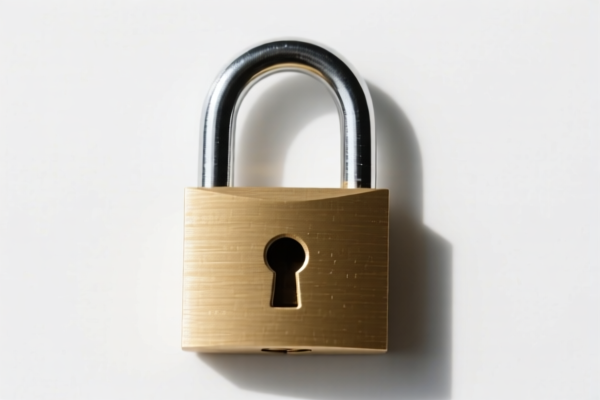
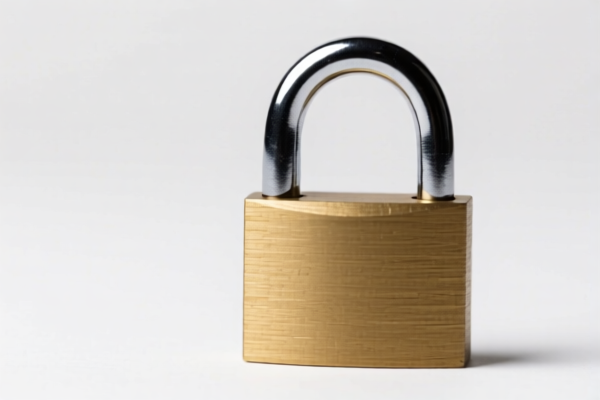
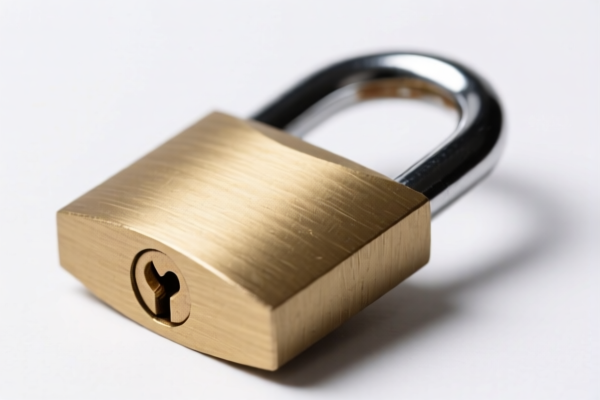
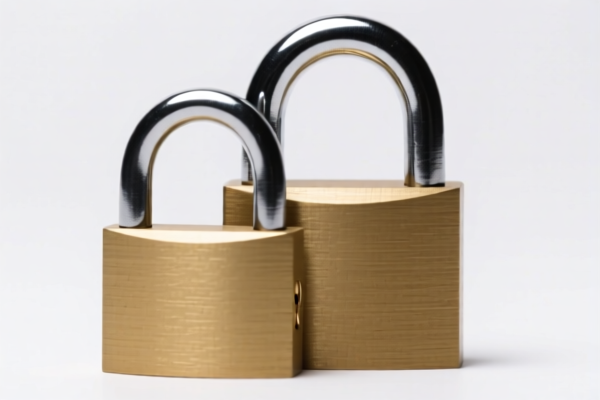
AI Analysis
🔒 Bike Locks (Bicycle Security Systems)
🌐 HS Code Reference & Clearance Guide | 2026 Latest Tariff Analysis | Professional Customs Strategy
📌 I. Product Definition & Classification: Do You Really Understand "Bike Locks"?
Bike locks are security devices designed to prevent theft of bicycles. In international trade, they are primarily classified based on material and function. There is a critical distinction between "locks" (general security hardware) and "metal articles" (generic steel/iron products). Misclassification can lead to drastic tariff differences due to specific US trade policies (Section 301 & IEEPA).
⚠️ Key Distinction Point:
- If the lock is made of iron/steel and does not fit specific lock categories → Classified as "Other Articles of Iron or Steel" (High Tariff Risk).
- If the lock is made of base metal (non-precious) and functions as a standard padlock/lock → Classified as "Padlocks or Other Locks of Base Metal" (Lower Tariff).
- Note: Specific components like "pedal locks" may have different sub-headings.
📦 II. HS Code Classification Details (2026 Latest Tariff Authority Comparison)
| HS Code | Product Description | Applicable Scenario | Material | Tax Strategy Risk |
|---|---|---|---|---|
7326.20.00.90 |
Other articles of iron or steel (e.g., specific metal locks not elsewhere specified) | Heavy-duty steel cable locks, metal frame locks | Iron/Steel | 🔴 HIGH (88.9%) |
7326.90.86.88 |
Other articles of iron or steel (Miscellaneous metal goods) | General metal bike accessories/locks not classified elsewhere | Iron/Steel | 🔴 HIGH (87.9%) |
8301.10.60.80 |
Padlocks and other locks, of base metal; Electrically operated | Standard padlock-style bike locks (U-locks, chain locks with padlock mechanism) | Base Metal | 🟢 LOW (23.6%) |
8301.10.80.00 |
Padlocks and other locks, of base metal (Other) | Generic base metal locks, combined locks | Base Metal | 🟢 LOW (22.3%) |
8301.40.60.60 |
Other locks and lock fittings, of base metal; Locks for bicycles (pedal) | Specific pedal locks or niche locking mechanisms | Base Metal | 🟢 LOW (23.2%) |
🔍 Key Reminder:
-73xxSeries (Iron/Steel): Triggers Section 122 (10% on Steel/Aluminum) + Section 301 (25%) + Base Duty. Total burden is extreme. -8301Series (Base Metal Locks): Classified as "Locks," not generic "Steel." Avoids the specific "122" steel surcharge in some interpretations, though Section 301 may still apply depending on the exact footnote. Always prefer8301if the lock functions as a standard padlock.
💰 III. 2026 Latest Tariff Rate Breakdown (Detailed Policy Add-ons)
✅ Applicable Country: United States (US)
✅ Origin: China (CN)
✅ Effective Time: Current Trade Regulations (Section 301 & IEEPA)
🎯 1. 7326.20.00.90 & 7326.90.86.88 —— Metal Articles of Iron/Steel (The "Trap" Codes)
| Item | Content |
|---|---|
| Base Duty Rate | 3.9% (for 7326.20) / 2.9% (for 7326.90) |
| Section 301 Surcharge | +25.0% (USITC Footnote 9903.01.25/24) |
| Section 122 Surcharge | +10.0% (Specific to Steel/Aluminum/Copper products) |
| IEEPA Surcharge | +50.0% (Under Executive Order 14032 for steel/aluminum products) |
| Total Effective Rate | 88.9% (for 7326.20) 87.9% (for 7326.90) |
| Tax Calculation | CIF Value × 88.9% |
| De Minimis Exemption | ❌ NOT Eligible (Deny de minimis due to high tariff rate) |
| Legal Path | IEEPA:9903.01.25 → USITC:7326.20.00.90 → SECTION 122: Steel Surcharge → SECTION 301 |
📌 Explanation:
- These codes classify the bike lock as a generic metal article, not a "lock" under Chapter 83. - The 50% IEEPA tariff is the killer here, applied specifically to steel/aluminum products to protect US domestic production. - Total tax exceeds 87%, making these codes commercially non-viable for most imports unless duty-paid explicitly in the price.
🎯 2. 8301.10.60.80 —— Base Metal Padlocks (The "Safe" Harbor)
| Item | Content |
|---|---|
| Base Duty Rate | 6.1% |
| Section 301 Surcharge | +7.5% (Note: Lowered from 25% for certain base metal goods under recent updates/trade wars mitigation, or specific footnote application) |
| IEEPA Surcharge | +10.0% (General IEEPA provision for Chinese goods) |
| Total Effective Rate | 23.6% |
| Tax Calculation | CIF Value × 23.6% |
| De Minimis Exemption | ❌ NOT Eligible (Rate > 15%, typically disqualifies from Section 321/De Minimis) |
| Legal Path | IEEPA:9903.01.24 → USITC:8301.10.60.80 |
📌 Explanation:
- Classified as "Padlocks of Base Metal" (Chapter 83). - Crucially avoids the 50% IEEPA steel surcharge because it is not classified as a raw steel article. - Total tax is ~23.6%, a massive saving compared to the 88%+ of Chapter 73 codes.
🎯 3. 8301.10.80.00 —— Other Base Metal Locks
| Item | Content |
|---|---|
| Base Duty Rate | 4.8% |
| Section 301 Surcharge | +7.5% |
| IEEPA Surcharge | +10.0% |
| Total Effective Rate | 22.3% |
| Tax Calculation | CIF Value × 22.3% |
| De Minimis Exemption | ❌ NOT Eligible |
| Legal Path | IEEPA:9901.25 → USITC:8301.10.80.00 |
📌 Note:
- Very similar to8301.10.60.80.
- Best for generic locks that don't fit the specific "padlock" definition but are clearly locks.
🎯 4. 8301.40.60.60 —— Other Locks (e.g., Pedal Locks)
| Item | Content |
|---|---|
| Base Duty Rate | 5.7% |
| Section 301 Surcharge | +7.5% |
| IEEPA Surcharge | +10.0% |
| Total Effective Rate | 23.2% |
| Tax Calculation | CIF Value × 23.2% |
| De Minimis Exemption | ❌ NOT Eligible |
| Legal Path | IEEPA:9903.01.24 → USITC:8301.40.60.60 |
📌 Note:
- Specifically mentions "Locks for Bicycles" in some sub-descriptions or fits as "Other Locks." - Also benefits from the Base Metal classification, avoiding the steel surcharge.
🛠️ IV. Customs Clearance Practical Advice (Battle-Tested Pitfall Guide)
✅ 1. Preparation Checklist (Non-negotiable)
| Document | Required? | Explanation |
|---|---|---|
| ✅ Product Specifications | ✔️ | Must specify material (e.g., "Zinc Alloy," "Stainless Steel," "Carbon Steel") and mechanism (Padlock, D-Lock, Chain). |
| ✅ Material Composition Report | ✔️ | Critical! Proves the item is "Base Metal" and not "Steel Article" to justify Chapter 83 over Chapter 73. |
| ✅ Product Photos (Clear) | ✔️ | Show the lock mechanism, keyhole, and brand. Avoid images that look like generic metal bars. |
| ✅ Commercial Invoice | ✔️ | Description must say "Padlock" or "Lock for Bicycle", NOT "Steel Cable" or "Metal Bar." |
| ✅ HS Code Pre-Ruling Request | ✔️ | Highly recommended for large shipments to confirm 8301 classification. |
✅ 2. Declaration Tips (Golden Rules)
🔥 "Call it a Lock, Not a Bar! Material Matters, Chapter 83 Saves!"
| Scenario | Correct Declaration | Wrong Action | Result |
|---|---|---|---|
| U-Lock / D-Lock | 8301.10.60.80 (Padlock of Base Metal) |
Call it "Steel Security Bar" | 88.9% Tax |
| Chain Lock | 8301.10.80.00 (Lock of Base Metal) |
Call it "Iron Chain Article" | 87.9% Tax |
| Pedal Lock | 8301.40.60.60 |
Call it "Bicycle Part" (Part 87) or "Steel Lock" | 23.2% or Higher |
| Cable Lock | 8301.10.60.80 (if has padlock head) |
Call it "Cable" | 88.9% Tax |
📌 Crucial Strategy:
- If the bike lock has a keyed cylinder or padlock mechanism, ALWAYS argue for Chapter 83 (Locks).
- If it is just a metal strap or cable without a locking mechanism (unlikely for bike locks, but possible for transport), it falls to Chapter 73.
- Keywords to USE: "Padlock," "Locking Mechanism," "Keyed Cylinder," "Base Metal (Zinc/Brass/Alloy)."
- Keywords to AVOID: "Steel Article," "Metal Part," "Hardware Component" (unless strictly a part).
✅ 3. Special Case Handling
| Situation | Handling Advice |
|---|---|
| Mixed Materials (Steel Cable + Zinc Lock Head) | Declare as Lock (8301). The primary function is locking. The steel cable is part of the lock assembly. Avoid separating them. |
| OEM Custom Locks | Provide client design specs showing "Lock" functionality. |
| High-Value Security Locks | Still 8301. Value does not change the chapter, but may trigger anti-dumping inquiries (check specific AD/CVD lists for locks). |
| Parts of Locks (Keys, Springs) | Ship with the main lock. Declaring keys separately as "Other Metal Articles" might attract higher taxes if not part of the lock set. |
🌍 V. Global Market Comparison (2026 Latest)
| Country/Region | Recommended HS Code | Est. Tariff (China Origin) | Certification | Remarks |
|---|---|---|---|---|
| 🇺🇸 USA | 8301.10.60.80 |
23.6% | N/A (Mostly) | Avoid 7326 at all costs (88.9%!) |
| 🇨🇳 China | 8301.10.60.80 |
6.1% | CCC (if electric) | No Section 301/IEEPA |
| 🇪🇺 EU | 8301.10.90 |
~1.7% | CE (if applicable) | No significant surcharges |
| 🇬🇧 UK | 8301.10.90 |
~1.7% | UKCA | Post-Brexit rules similar to EU |
| 🇦🇺 Australia | 8301.10.90 |
~5% | RCM | No major surcharges |
📌 Conclusion:
- USA is the only major market with severe punitive tariffs on Chinese imports.
- Correct classification (8301) reduces tax from ~88% to ~23%. This is a 65% cost saving.
- Never underestimate the importance of the Chapter 83 vs. Chapter 73 distinction.
📌 VI. Common Errors & Pitfall Guide (Blood & Tears Lessons)
❌ Error 1: Declaring a "Steel U-Lock" as "Other Articles of Iron or Steel" (7326)
👉 Consequence: Tax jumps to 88.9%.
👉 Fix: Highlight the locking mechanism. It is a lock, not just steel.
❌ Error 2: Separating the Key from the Lock in shipment
👉 Consequence: Keys might be classified as "Other Metal Articles" (9603 or 7326) with different rates, causing confusion and delays.
👉 Fix: Ship keys with the lock as a set.
❌ Error 3: Using "Bicycle Accessories" as the description
👉 Consequence: Vague description leads to Customs officer's discretion, often defaulting to the highest tariff metal article.
👉 Fix: Use specific HS Code language: "Padlock, Zinc Alloy, for Bicycle."
❌ Error 4: Assuming De Minimis ($800) applies
👉 Consequence: All codes above (>15%) are NOT eligible for Section 321 De Minimis entry. Must file formal entry.
👉 Fix: Plan for formal customs clearance and formal payment of duties.
✅ Correct Approach:
"Bicycle U-Lock, Padlock Style, Zinc Alloy Body, Steel Shackle, Keyed Cylinder, Model ABC, Made in China"
🎯 VII. Conclusion: Precise Classification Saves Thousands!
🎯 Remember the Mantra:
🔹 "It’s a Lock, Not Steel! Chapter 83 is the Key."
🔹 "Avoid 7326, It’s a Trap! 8301 is the Map."
"23% vs 88% – Choose Wisely, Save Big!"
📌 Pro Tip:
If you are importing large volumes, apply for a US Customs and Border Protection (CBP) Binding Ruling in advance. Submit samples and technical diagrams to officially classify your bike locks under 8301. This legal protection will shield you from audits and retroactive duties.
📣 Immediate Action:
📞 Contact a Licensed Customs Broker
📦 Submit Product Photos + Material Specs
🚀 Get Pre-Ruling for HS Code 8301.10.60.80
💰 Reduce Your Duty Burden by ~65%!
✨ Professional Clearance Starts with Accurate Classification!
💼 Every Dollar of Duty Saved is Pure Profit!
Customer Reviews
About HS Code Classification
The Harmonized System (HS) is an internationally standardized nomenclature developed by the World Customs Organization (WCO) to classify traded products. Over 200 countries use the HS system as the basis for customs tariffs, trade statistics, and import/export regulations.
Each HS code follows a hierarchical structure:
- Chapter (2 digits) — Broad category of goods (e.g., Chapter 84: Machinery and Mechanical Appliances)
- Heading (4 digits) — More specific grouping within the chapter
- Subheading (6 digits) — Internationally standardized breakdown, used by all WCO member countries
- National subdivisions (8-10 digits) — Country-specific extensions for further classification, such as US HTSUS 10-digit codes
Correct HS code classification is essential for smooth customs clearance, accurate duty payment, and compliance with trade regulations. Misclassification can lead to customs delays, overpayment of duties, or penalties.
When importing from CN to US, the applicable tariff rates may include:
- Most-Favored-Nation (MFN) rate — The standard duty rate applied to WTO members
- General rate — Applied to countries without trade agreements
- Trade remedy duties — Additional tariffs such as Section 301 (anti-dumping), Section 232 (national security), or countervailing duties
The information provided on this page is for reference purposes only. For official classification, please consult with your local customs authority or a licensed customs broker.