bike seat cover
CN → US| HS Code | Tariff Rate | Origin | Destination | Doc |
|---|---|---|---|---|
| 3926904800 | 13.4% | CN | US | Official Doc |
| 3926909989 | 22.8% | CN | US | Official Doc |
| 4015900010 | 39.0% | CN | US | Official Doc |
| 4015900050 | 39.0% | CN | US | Official Doc |
| 4015900010 | 39.0% | CN | US | Official Doc |
Product Images
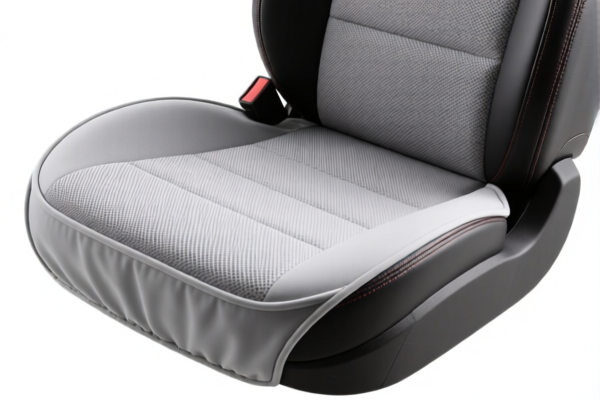
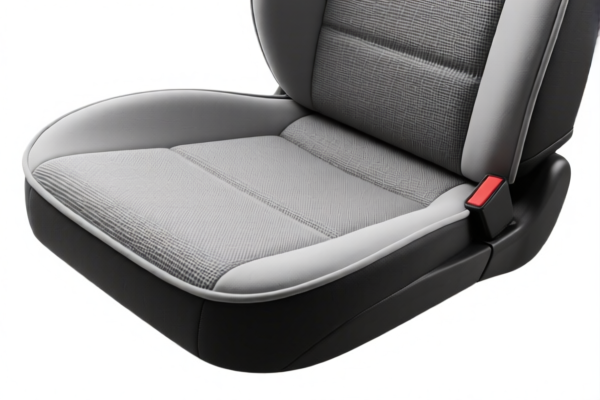
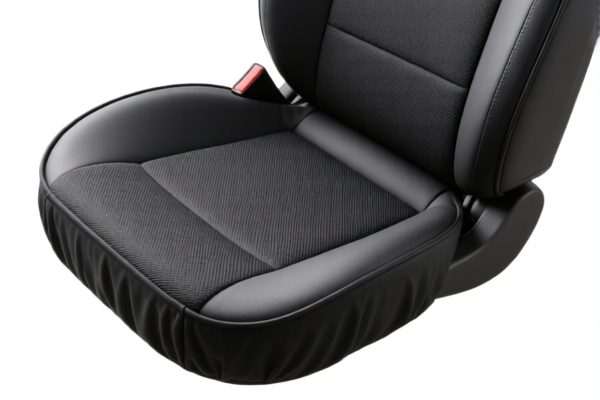
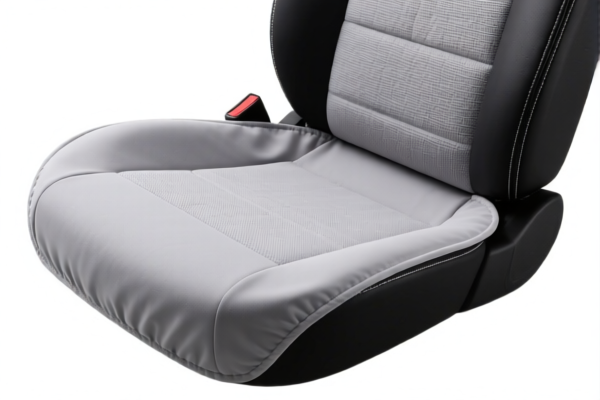
AI Analysis
🚴♂️ Bike Seat Cover (Saddle Covers)
🌐 HS Code Reference & Customs Clearance Guide | 2026 Latest Tariff Analysis | Strategic Clearance Strategy
📌 I. Product Definition & Classification: What Exactly is a "Bike Seat Cover"?
A Bike Seat Cover is an accessory designed to protect or enhance the comfort of a bicycle saddle. In international trade, the classification depends strictly on the material composition and chemical structure of the product. It is not a single unified category but spans across two main chapters: Chapter 39 (Plastics) and Chapter 40 (Rubber).
Key Distinction Criteria:
- Plastic/Synthetic Resin Materials: If the cover is made from hard plastics, PVC, or general synthetic resins, it falls under Chapter 39.
- Vulcanized/Synthetic Rubber Materials: If the cover is made from elastic, sulfur-treated, or specific synthetic rubber materials, it falls under Chapter 40.
⚠️ Critical Differentiator:
- If the material behaves like rigid/pliable plastic (e.g., PVC seat covers, foam-covered plastic shells) → HS Code 3926.90...
- If the material is elastic, stretchy, and rubber-based (e.g., neoprene, natural rubber blends) → HS Code 4015.90...
📦 II. HS Code Classification Details (2026 Latest Tariff Authority Match)
Based on the provided data, here are the specific HS Codes applicable to Bike Seat Covers:
| HS Code | Product Description | Material Composition | Primary Classification Chapter |
|---|---|---|---|
3926.90.48.00 |
Bike Seat Cover, mainly Plastic, Rubber or Synthetic Resin | Plastic, Rubber, Synthetic Resin | Chapter 39: Other Plastic Articles |
3926.90.99.89 |
Bike Seat Cover, usually Plastic or Synthetic Material | Plastic, Synthetic Material | Chapter 39: Other Plastic Articles |
4015.90.00.10 |
Bike Seat Cover, mainly Vulcanized or Synthetic Rubber | Vulcanized Rubber, Synthetic Rubber | Chapter 40: Apparel Accessories (Clothing/Decorative) |
4015.90.00.50 |
Bike Seat Cover, Material is Rubber or Synthetic Fiber | Rubber, Synthetic Fiber | Chapter 40: Clothing Articles & Accessories of Vulcanized Rubber |
🔍 Key Note:
- The same physical item (a bike seat cover) can have drastically different tax liabilities depending on how the material is classified.
- Chapter 39 items are treated as general plastic goods.
- Chapter 40 items are treated as apparel accessories (specifically, clothing accessories made of rubber), which triggers significantly higher tariffs.
💰 III. 2026 Latest Tariff Rate Breakdown (Including Surtaxes & Policy Surcharges)
✅ Applicable Country: United States (US)
✅ Origin: China (CN)
✅ Effective Time: Current regulations include Section 301 and Section 122 tariffs.
🎯 1. 3926.90.48.00 — Bike Seat Cover (Plastic/Synthetic Resin Focus)
| Item | Content |
|---|---|
| Base Tariff | 3.4% (Ad Valorem) |
| Section 301 Surtax | 0.0% (Note: Data indicates 0.0% for this specific subheading in the provided dataset) |
| Section 122 Tariff | +10.0% (Specific Chinese import surcharge) |
| Total Tax Rate | 13.4% |
| Tax Calculation | CIF Value × 13.4% |
| Legal Basis Path | Base Tariff + Section 122 (10%) |
📌 Explanation:
- This is the most cost-effective classification for bike seat covers made of plastic/resin materials.
- The "0.0% Section 301" suggests this specific subheading may be exempt from the broad Section 301 list, or the data reflects a specific exemption status.
- Total burden is 13.4%, which is moderate.
🎯 2. 3926.90.99.89 — Bike Seat Cover (Other Plastic/Synthetic)
| Item | Content |
|---|---|
| Base Tariff | 5.3% |
| Section 301 Surtax | +7.5% |
| Section 122 Tariff | +10.0% |
| Total Tax Rate | 22.8% |
| Tax Calculation | CIF Value × 22.8% |
| Legal Basis Path | Base Tariff + Section 301 (7.5%) + Section 122 (10%) |
📌 Explanation:
- This is the "basket" code for other plastic articles not specifically listed elsewhere.
- It incurs both the Section 301 surcharge (7.5%) and the Section 122 surcharge (10%).
- Total burden is 22.8%, significantly higher than3926.90.48.00.
🎯 3. 4015.90.00.10 — Bike Seat Cover (Vulcanized/Synthetic Rubber Apparel Accessory)
| Item | Content |
|---|---|
| Base Tariff | 4.0% |
| Section 301 Surtax | +25.0% |
| Section 122 Tariff | +10.0% |
| Total Tax Rate | 39.0% |
| Tax Calculation | CIF Value × 39.0% |
| Legal Basis Path | Base Tariff + Section 301 (25%) + Section 122 (10%) |
📌 Explanation:
- Warning: This classification triggers the maximum Section 301 tariff (25%) because it is classified as an apparel/clothing accessory.
- Even though the base tariff is low (4.0%), the 25% surcharge makes this the most expensive option.
- Total burden is 39.0%.
🎯 4. 4015.90.00.50 — Bike Seat Cover (Rubber/Synthetic Fiber Clothing Accessory)
| Item | Content |
|---|---|
| Base Tariff | 4.0% |
| Section 301 Surtax | +25.0% |
| Section 122 Tariff | +10.0% |
| Total Tax Rate | 39.0% |
| Tax Calculation | CIF Value × 39.0% |
| Legal Basis Path | Base Tariff + Section 301 (25%) + Section 122 (10%) |
📌 Explanation:
- Similar to4015.90.00.10, this code classifies the item as clothing articles or accessories of vulcanized rubber.
- It is subject to the same high penalty rates as apparel imports.
- Total burden is 39.0%.
🛠️ IV. Customs Clearance Practical Advice (Field Avoidance Guide)
✅ 1. Material Analysis is Paramount (The $25% Decision Factor)
| Material Type | Likely HS Code | Estimated Tax | Risk Level |
|---|---|---|---|
| PVC, PE, PP, Synthetic Resin | 3926.90.48.00 |
13.4% | ✅ Low (Best Option) |
| Mixed Plastic/Synthetic (Unclear) | 3926.90.99.89 |
22.8% | ⚠️ Medium |
| Neoprene, Natural Rubber, Vulcanized Rubber | 4015.90.00.10/50 |
39.0% | ❌ High (Avoid if possible) |
📌 Clearance Tip:
- If your seat cover is made of standard waterproof fabric with a plastic coating or foam inside a plastic shell, argue for Chapter 39.
- If the cover is stretchy, elastic, and rubber-based (like a wetsuit material), customs may aggressively push for Chapter 40.
- Action: Provide material composition sheets specifying "PVC," "Polyethylene," or "Synthetic Resin" rather than vague terms like "Rubber-like material."
✅ 2. Documentation Checklist (Must-Have)
| Document | Required? | Description |
|---|---|---|
| ✅ Material Composition Statement | ✔️ Essential | Must explicitly state % of Plastic vs. Rubber. e.g., "100% PVC Coated Fabric." |
| ✅ Product Photos | ✔️ Essential | Show texture (hard vs. soft), elasticity test (if possible), and close-up of material. |
| ✅ Commercial Invoice | ✔️ Essential | Description must match HS Code logic. e.g., "Plastic Bike Saddle Cover" vs. "Rubber Saddle Cover." |
| ✅ Original Packaging | ✔️ Recommended | Labels should indicate material type (e.g., "PVC," "Synthetic"). |
| ✅ Test Report | ✔️ Optional but Strong | Third-party lab test confirming material composition can override customs suspicion. |
✅ 3. Declaration Strategy (Key Mantra)
🔥 “Plastic is Cheap, Rubber is Expensive – Define the Material!”
| Scenario | Correct Declaration | Wrong Declaration |
|---|---|---|
| PVC/Resin Cover | "Bike Seat Cover, PVC Material, Protective" | "Bike Seat Cover, Rubber" → Leads to 39% tax |
| Foam + Plastic Shell | "Bike Seat Cover, Synthetic Resin" | "Bike Seat Cover, Composite" → Risk of 22.8% or 39% |
| Elastic Cover | If unavoidable: "Bike Seat Cover, Synthetic Rubber" | Try to argue for plastic coating percentage >50% to shift to Ch 39 |
✅ 4. Special Cases Handling
| Case | Handling Advice |
|---|---|
| OEM Custom Covers | Provide material safety data sheets (MSDS) to prove chemical composition (e.g., Polyvinyl Chloride). |
| Multi-Layer Covers | If outer layer is plastic (PVC) and inner is foam/rubber, argue for Chapter 39 based on the essential character of the outer protective layer. |
| Pre-Order/Testing | If unsure, file for an Advance Ruling (Pre-classification) with CBP. The cost of a ruling is far less than a 25% tariff surprise. |
| Mixed Containers | Ensure plastic covers and rubber covers are segregated in the commercial invoice. Do not lump them together under one ambiguous HS code. |
🌍 V. Global Main Market Comparison (2026 Latest)
| Country/Region | Recommended HS Code (for Plastic Covers) | Approx. Total Tax | Certification Requirements |
|---|---|---|---|
| 🇺🇸 USA | 3926.90.48.00 |
13.4% | None specific for plastic covers |
| 🇨🇳 China | 3926.90.48.00 |
~5-10% (Import Duty) | CCC (if considered toy/parts, usually not) |
| 🇪🇺 EU | 3926.90.80 |
0-4% | REACH Compliance (Chemical safety) |
| 🇦🇺 Australia | 3926.90.90 |
5% | None specific |
📌 Conclusion:
- The US market is the most punitive for rubber-based bike accessories due to the 25% Section 301 tariff.
- Material definition is the single most important factor in determining cost.
- A shift from "Rubber" to "Plastic/Resin" classification can save 25.6% in tax liability.
📌 VI. Common Mistakes & Pitfalls (Lessons Learned)
❌ Mistake 1: Calling all bike covers "Rubber Covers"
👉 Consequence: Customs assumes vulcanized rubber → 39% Tax.
👉 Fix: Use "PVC Cover," "Synthetic Resin Cover," or "Plastic-Coated Fabric."
❌ Mistake 2: Lumping all accessories into one HS Code
👉 Consequence: If the shipment contains both plastic and rubber covers, misdeclaration can lead to audits.
👉 Fix: Separate line items with precise material descriptions.
❌ Mistake 3: Ignoring Section 122 Tariff
👉 Consequence: Underestimating total landed cost. Section 122 (10%) applies to most Chinese imports.
👉 Fix: Always include the 10% surcharge in your cost model.
✅ Correct Practice:
“Bike Saddle Cover, 100% PVC (Polyvinyl Chloride), Black, Size 290mm x 200mm, Protected from UV and Rain.”
🎯 VII. Conclusion: Precision in Classification Saves Money!
🎯 Remember the Mantra:
🔹 “Plastic = 13.4%, Rubber = 39%. Know your Material!”
🔹 “Section 301 hits Apparel (Chapter 40) Hard. Avoid if possible.”
🔹 “Specify ‘PVC’ or ‘Resin’ in the Description to secure lower rates.”
📌 Pro Tip:
- If your product contains both plastic and rubber, check if the plastic component constitutes more than 50% of the weight or value. If so, you may argue for Chapter 39 classification to save thousands in tariffs.
- Consult a customs broker to review your product samples before shipping large volumes.
📣 Immediate Action:
📞 Review your Bill of Materials (BOM) for exact polymer types.
🚀 Update your Commercial Invoice templates to include Material Composition.
💼 Protect your margins by choosing the right HS Code!
✨ Professional Clearance Starts with Accurate Classification!
💼 Every Percentage Point Counts!
Customer Reviews
About HS Code Classification
The Harmonized System (HS) is an internationally standardized nomenclature developed by the World Customs Organization (WCO) to classify traded products. Over 200 countries use the HS system as the basis for customs tariffs, trade statistics, and import/export regulations.
Each HS code follows a hierarchical structure:
- Chapter (2 digits) — Broad category of goods (e.g., Chapter 84: Machinery and Mechanical Appliances)
- Heading (4 digits) — More specific grouping within the chapter
- Subheading (6 digits) — Internationally standardized breakdown, used by all WCO member countries
- National subdivisions (8-10 digits) — Country-specific extensions for further classification, such as US HTSUS 10-digit codes
Correct HS code classification is essential for smooth customs clearance, accurate duty payment, and compliance with trade regulations. Misclassification can lead to customs delays, overpayment of duties, or penalties.
When importing from CN to US, the applicable tariff rates may include:
- Most-Favored-Nation (MFN) rate — The standard duty rate applied to WTO members
- General rate — Applied to countries without trade agreements
- Trade remedy duties — Additional tariffs such as Section 301 (anti-dumping), Section 232 (national security), or countervailing duties
The information provided on this page is for reference purposes only. For official classification, please consult with your local customs authority or a licensed customs broker.