binder for casting core preparation
CN → US| HS Code | Tariff Rate | Origin | Destination | Doc |
|---|---|---|---|---|
| 3910000000 | 38.0% | CN | US | Official Doc |
| 3810905000 | 40.0% | CN | US | Official Doc |
| 3808999501 | 15.0% | CN | US | Official Doc |
| 3808695000 | 40.0% | CN | US | Official Doc |
Product Images
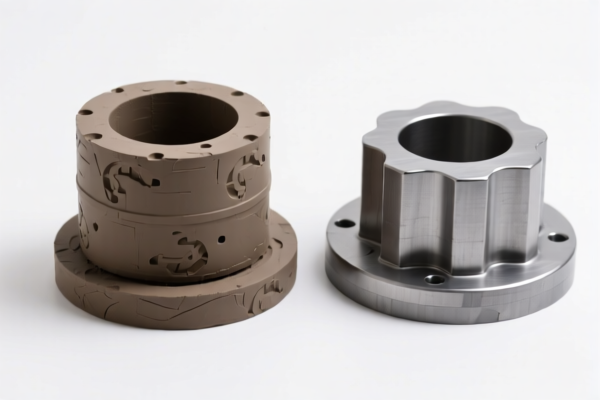
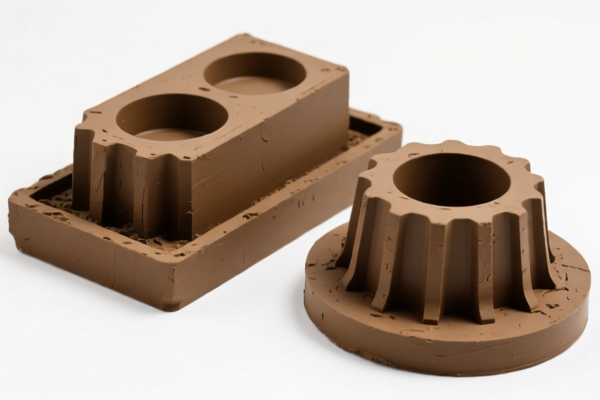
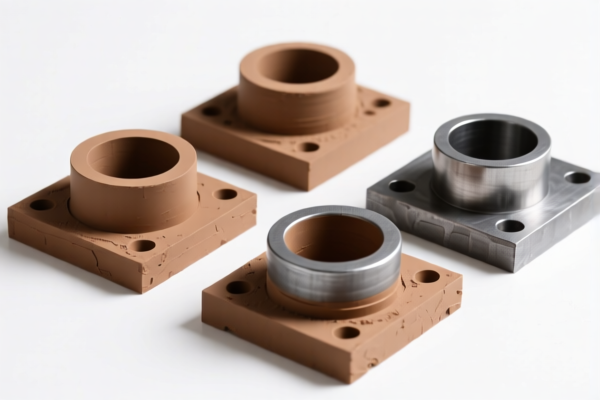
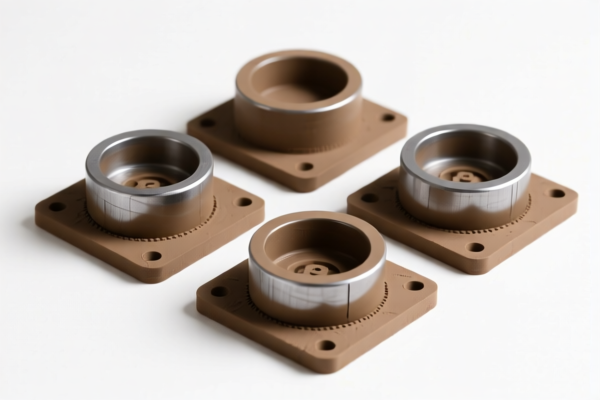
AI Analysis
🏭 Binder for Casting Core Preparation (Foundry Industry)
🌐 HS Code Reference & Customs Clearance Guide | 2026 Latest Tariff Analysis | Professional Level Strategy
📌 I. Product Definition & Classification: Do You Really Understand "Binder"?
In the manufacturing industry, Casting Core Binders are chemical mixtures essential for foundry processes. They bind sand grains together to create rigid "cores" (internal shapes) for metal casting. These are not simple glues but complex chemical preparations involving resins, catalysts, and additives.
In international trade, they fall into the broad category of Chemical Products and Related Industries. The exact classification depends on the specific function (binding vs. pest control vs. fluxing) and composition of the mixture.
⚠️ Key Distinction Point:
- Is it primarily a binding agent for materials? → Likely 3910 or 3810.
- Is it classified as a pesticide/fungicide formulation? → Likely 3808.
- Is it a general chemical mixture? → Likely 3808 or 3810.
📦 II. HS Code Classification Details (2026 Latest Tariff Authority Comparison)
Based on the provided data, here are the four possible HS Code classifications for "Binder for Casting Core Preparation":
| HS Code | Product Description | Applicability Logic | Estimated Total Tax (US/CN) |
|---|---|---|---|
3910.00.00.00 |
Primers, Putties, Paints, Varnishes & Other Coatings; Binders for casting cores/molds. | Primary Candidate. Specifically lists "binders for casting cores or molds" under Chapter 39 (Plastics). Fits the "raw material/intermediate" characteristic. | 38.0% |
3810.90.50.00 |
Preparations for Surface Treatment of Metals or Glass; Other preparations (e.g., fluxes, cores). | Strong Alternative. The term "Core" in the product name aligns with "cores for welding electrodes or rods." Classified as a chemical preparation. | 40.0% |
3808.99.95.01 |
Insecticides, Rodenticides, Fungicides, Herbicides... Other preparations. | Risk Area. If the binder contains fungicides or preservatives, it may be classified as a chemical mixture under "Other" in this category. | 15.0% |
3808.69.50.00 |
Insecticides, Rodenticides, Fungicides, Herbicides... Other preparations. | Risk Area. Similar to above, classified as a chemical agent/mixture (fungicide/sterilizer nature). | 40.0% |
🔍 Focus Reminder:
- The most direct and specific classification for a casting core binder is 3910.00.00.00 because Chapter 39 explicitly mentions "binders for casting cores or molds." - Classifications under 3808 are high-risk unless the product is explicitly marketed as containing anti-fungal or anti-microbial agents. - Classification under 3810 is plausible if the product is viewed as a surface treatment or flux-like chemical preparation.
💰 III. 2026 Latest Tariff Rate Details (Including Surcharges & Policy Add-ons)
✅ Applicable Country: United States (US)
✅ Origin: China (CN)
✅ Effective Date: From November 10, 2025 (including subsequent imports)
🎯 1. 3910.00.00.00 —— Binder for Casting Cores/Molds (Primary Classification)
| Item | Content |
|---|---|
| Base Tariff | 3.0% (ad valorem) |
| USITC Additional Tariff (Section 301) | +25.0% |
| IEEPA Additional Tariff (122 Clause) | +10.0% |
| Total Tariff Rate | 38.0% |
| Tax Calculation | CIF Value × 38% |
| De Minimis Eligibility | ❌ Not Eligible |
| Legal Basis Path | USITC:3910.00.00.00 → FOOTNOTE:301 → IEEPA:9903.01.24 |
📌 Explanation:
- Base Tariff 3%: Standard Most Favored Nation (MFN) rate for plastic binders.
- Section 301 Tariff 25%: Applies to most Chinese plastic products and chemical intermediates.
- IEEPA 10%: Additional levy on Chinese goods under the International Emergency Economic Powers Act.
- Total 38%: This is a high tariff category. Importers must account for this cost in pricing strategies.
🎯 2. 3810.90.50.00 —— Surface Treatment Preparations / Core Materials
| Item | Content |
|---|---|
| Base Tariff | 5.0% |
| USITC Additional Tariff (Section 301) | +25.0% |
| IEEPA Additional Tariff (122 Clause) | +10.0% |
| Total Tariff Rate | 40.0% |
| Tax Calculation | CIF Value × 40% |
| De Minimis Eligibility | ❌ Not Eligible |
| Legal Basis Path | USITC:3810.90.50.00 → FOOTNOTE:301 → IEEPA:9903.01.24 |
📌 Note:
- This classification has a higher base tariff (5%) than 3910.
- The logic relies on the product being viewed as a "core material" or "chemical preparation" rather than a pure plastic binder.
- Total 40% is the highest among the plausible options. Avoid this unless the product is definitely not a plastic binder.
🎯 3. 3808.99.95.01 —— Other Insecticides/Fungicides (Risk Classification)
| Item | Content |
|---|---|
| Base Tariff | 5.0% |
| USITC Additional Tariff (Section 301) | 0.0% |
| IEEPA Additional Tariff (122 Clause) | +10.0% |
| Total Tariff Rate | 15.0% |
| Tax Calculation | CIF Value × 15% |
| De Minimis Eligibility | ❌ Not Eligible |
| Legal Basis Path | USITC:3808.99.95.01 → IEEPA:9903.01.24 |
📌 Caution:
- While the total rate (15%) is the lowest, this classification is highly risky.
- It implies the product is a pesticide/fungicide. If customs officials determine the product is a binder (not a pesticide), this will be considered a misclassification.
- Penalty Risk: High. Customs may reclassify to 3910 or 3810 and impose back taxes + penalties. Only use if the product is explicitly a fungicidal core binder with significant active pesticide ingredients.
🎯 4. 3808.69.50.00 —— Other Chemical Preparations
| Item | Content |
|---|---|
| Base Tariff | 5.0% |
| USITC Additional Tariff (Section 301) | +25.0% |
| IEEPA Additional Tariff (122 Clause) | +10.0% |
| Total Tariff Rate | 40.0% |
| Tax Calculation | CIF Value × 40% |
| De Minimis Eligibility | ❌ Not Eligible |
| Legal Basis Path | USITC:3808.69.50.00 → FOOTNOTE:301 → IEEPA:9903.01.24 |
📌 Note:
- Same high tariff as 3810.
- Classified as a general chemical mixture. Less specific than 3910.
🛠️ IV. Customs Clearance Practical Advice (Real-World Pitfall Guide)
✅ 1. Documentation Checklist (No Omissions Allowed)
| Document | Required | Description |
|---|---|---|
| ✅ Product Specification Sheet | ✔️ | Must clearly state "Binder for Casting Cores" and list chemical composition (resins, hardeners, etc.). |
| ✅ Safety Data Sheet (SDS) | ✔️ | Crucial for chemical products. Must confirm if it contains hazardous substances or fungicides. |
| ✅ Product Photos | ✔️ | Show packaging, labeling, and container type (drums, bags). |
| ✅ Commercial Invoice | ✔️ | Clearly describe as "Casting Core Binder" or "Foundry Sand Binder". Do NOT use vague terms like "Chemical Mixture." |
| ✅ Certificate of Origin | ✔️ | Required for origin verification and potential duty drawback claims. |
| ✅ Declaration of Non-Pesticide | ✔️ | Critical. If classifying under 3910, provide a statement that the product is not an insecticide/fungicide. |
✅ 2. Declaration Tips (Key Mnemonics)
🔥 "Binders go to 3910, Chemicals to 38xx, Pesticides to 3808, Misclassification leads to disaster!"
| Scenario | Correct Declaration | Wrong Practice |
|---|---|---|
| Standard Core Binder (Resin + Hardener) | 3910.00.00.00 |
Misdeclaring as 3808 → 15% rate tempting but illegal if not pesticide. |
| Binder with Fungicide Additives | 3808.99.95.01 (with proof) |
Hiding fungicide content → Fraud risk. |
| Surface Treatment Flux | 3810.90.50.00 |
Using 3910 for non-plastic flux → Rejection. |
| General Chemical Mixture | 3808.69.50.00 |
Vague description "Chemical" → Audit Trigger. |
✅ 3. Special Situations
| Situation | Handling Advice |
|---|---|
| OEM Custom Binders | Provide customer specifications showing it is used only for core binding. |
| Multi-Component Sets (Resin + Hardener) | Declare as one set under 3910. Do not split into separate HS codes unless they are fundamentally different products. |
| Core Shaped Products | If the product is a pre-formed core (not a liquid/powder binder), it may fall under 8448 (Parts for metalworking machinery). Check if it's a consumable binder or a finished core. |
| Hazardous Materials | If classified under 3810/3808, ensure IMDG/ADR compliance for shipping. |
🌍 V. Global Market Comparison (2026 Latest)
| Country/Region | Recommended HS Code | Tariff | Certification | Notes |
|---|---|---|---|---|
| 🇺🇸 USA | 3910.00.00.00 |
38% | None specific | High tariff due to Section 301 + IEEPA. |
| 🇨🇳 China | 3910.00.00.00 |
5% | None | Lower base tariff, no US-style surcharges. |
| 🇪🇺 EU | 3910.00.00.00 |
0-2.5% | REACH | REACH registration required for chemicals. |
| 🇯🇵 Japan | 3910.00.00.00 |
0% | JIS | Preferential rates under JETI. |
📌 Conclusion:
- USA is the most expensive market for this product due to the 38-40% effective tariff.
- EU and Japan offer significantly lower tariffs, but REACH (EU) or chemical safety documentation is mandatory.
- Strategy: For US imports, ensure accurate classification under 3910 to avoid the 40% rate if possible, but do not misclassify as 3808 just to get 15%.
📌 VI. Common Errors & Pitfalls (Blood Lessons)
❌ Error 1: Using 3808.99.95.01 (15% rate) for a standard binder without pesticide content.
👉 Consequence: Customs audit → Reclassification to 3910 → Back taxes + Penalties + Interest.
❌ Error 2: Describing the product vaguely as "Chemical Mixture" on the invoice.
👉 Consequence: Customs cannot determine HS Code → Hold shipment for inspection → Delay costs.
❌ Error 3: Ignoring the "Core" vs. "Binder" distinction.
👉 Consequence: If the product is a pre-formed core, it might be 8448 (Parts), not a chemical binder. Wrong classification leads to duty evasion charges.
✅ Correct Practice:
"Casting Core Binder, Synthetic Resin Type, Liquid/Powder, for Foundry Use, Contains No Pesticides, Model XYZ, SDS Provided"
🎯 VII. Conclusion: Precision in Classification Saves Money!
🎯 Remember the Mantra:
🔹 "Binders go to 3910, Fungicides to 3808, Fluxes to 3810, Vague names mean no release!"
🔹 "38% is the cost of doing business in the US, don't gamble on 15%!"
📌 Pro Tip:
- If your binder is exclusively for casting cores, stick to 3910.00.00.00.
- Avoid 3808 unless you have proof of fungicidal/pesticidal activity.
- Apply for a Binding Tariff Information (BTI) or Ruling in the US or destination country to lock in the classification and avoid future disputes.
📣 Immediate Action:
📞 Contact your customs broker + Provide SDS + Confirm chemical composition
🚀 Clear customs smoothly, reduce duty costs, and protect your supply chain!
✨ Professional Customs Clearance Starts with Accurate Classification!
💼 Every Percent of Duty is a Percent of Profit Lost!
Customer Reviews
About HS Code Classification
The Harmonized System (HS) is an internationally standardized nomenclature developed by the World Customs Organization (WCO) to classify traded products. Over 200 countries use the HS system as the basis for customs tariffs, trade statistics, and import/export regulations.
Each HS code follows a hierarchical structure:
- Chapter (2 digits) — Broad category of goods (e.g., Chapter 84: Machinery and Mechanical Appliances)
- Heading (4 digits) — More specific grouping within the chapter
- Subheading (6 digits) — Internationally standardized breakdown, used by all WCO member countries
- National subdivisions (8-10 digits) — Country-specific extensions for further classification, such as US HTSUS 10-digit codes
Correct HS code classification is essential for smooth customs clearance, accurate duty payment, and compliance with trade regulations. Misclassification can lead to customs delays, overpayment of duties, or penalties.
When importing from CN to US, the applicable tariff rates may include:
- Most-Favored-Nation (MFN) rate — The standard duty rate applied to WTO members
- General rate — Applied to countries without trade agreements
- Trade remedy duties — Additional tariffs such as Section 301 (anti-dumping), Section 232 (national security), or countervailing duties
The information provided on this page is for reference purposes only. For official classification, please consult with your local customs authority or a licensed customs broker.