black curtain ring
CN → US| HS Code | Tariff Rate | Origin | Destination | Doc |
|---|---|---|---|---|
| 7616995140 | 87.5% | CN | US | Official Doc |
| 3926908500 | 24.0% | CN | US | Official Doc |
| 7326200090 | 88.9% | CN | US | Official Doc |
| 7326908688 | 87.9% | CN | US | Official Doc |
| 3926305000 | 22.8% | CN | US | Official Doc |
Product Images
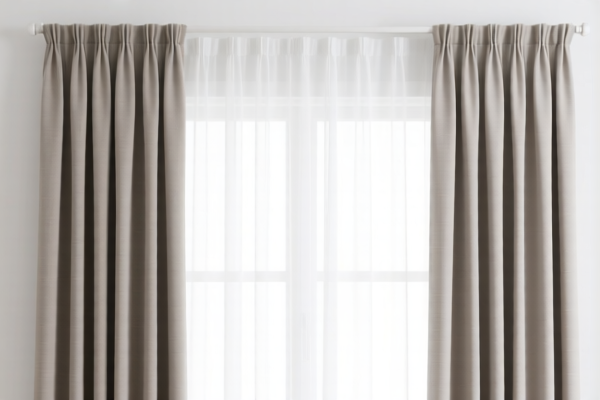
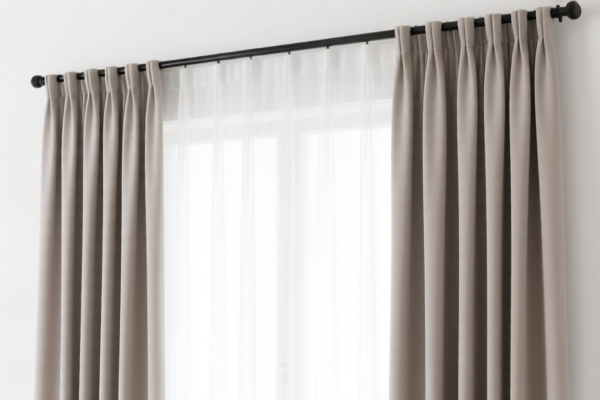
AI Analysis
🖤 Black Curtain Rings (Curtain Ring Accessories)
🌐 HS Code Reference & Customs Clearance Guide | 2026 Latest Tariff Analysis | Professional Clearance Strategy
📌 I. Product Definition & Classification: Are You Sure What "Curtain Rings" Are?
"Black curtain rings" are functional hardware components used in window treatments. In international trade, they are classified based on their primary material and functional description. Because the term "curtain ring" is generic, customs authorities require precise material identification to determine the correct Harmonized System (HS) Code. Misclassification can lead to significant tariff discrepancies due to the varying "Section XXII" (Base, Plastic) vs. "Section XV/73" (Metal) tax structures.
⚠️ Key Distinction Point:
- If the rings are made of Aluminum, they fall under Aluminum articles (Section XV).
- If the rings are made of Iron or Steel, they fall under Iron/Steel articles (Section XV).
- If the rings are made of Plastic, they fall under Plastic articles (Section XI).
- Note: The color "black" (whether powder-coated, anodized, or natural plastic) does not change the HS code, but it must be declared for completeness.
📦 II. HS Code Classification Details (2026 Latest Tariff Authority Cross-Reference)
Based on the provided data, here are the five possible classifications for curtain ring accessories:
| HS Code | Product Description | Inferred Material | Tariff Category |
|---|---|---|---|
7616.99.51.40 |
Curtain ring accessories | Aluminum | Other articles of aluminum |
3926.90.85.00 |
Curtain ring accessories | Plastic (or mixed) | Other plastic articles |
7326.20.00.90 |
Curtain ring decorative attachments | Plastic or Metal (Interpreted as Iron/Steel context) | Other articles of iron or steel |
7326.90.86.88 |
Curtain ring accessories | Iron or Steel | Other articles of iron or steel |
3926.30.50.00 |
Curtain ring connecting accessories | Plastic | Other plastic articles |
🔍 Critical Reminder:
- Metal vs. Plastic: This is the most critical decision. Aluminum rings (7616...) and Iron/Steel rings (7326...) are subject to much higher total tariffs (approx. 88-89%) compared to Plastic rings (3926..., approx. 23-24%).
- Functionality: Are they simple rings (7326.90...), decorative attachments (7326.20...), or connecting hardware (3926.30...)? The specific function can influence the sub-heading within the material category.
💰 III. 2026 Latest Tariff Rate Breakdown (Including Surtaxes & Policy Add-ons)
✅ Applicable Country: United States (US)
✅ Origin: China (CN)
✅ Effective Date: Current trade restrictions apply (Section 301, Section 232/IEEPA equivalents)
🎯 1. 7616.99.51.40 —— Curtain Ring Accessories (Aluminum)
| Item | Content |
|---|---|
| Base Tariff | 2.5% |
| Section 301 Surtax | +25.0% |
| Section 122 / IEEPA Aluminum Surtax | +10.0% |
| Steel/Aluminum/Copper Specific Surtax | +50.0% |
| Total Effective Rate | 87.5% |
| Tax Calculation | CIF Value × 87.5% |
| De Minimis Exemption | ❌ Not Eligible (High value goods, specific surcharges usually negate de minimis) |
| Legal Basis Path | USITC:7616.99.51.40 → SECTION_301:25% → IEEPA_SECTION_122:10% → METAL_SURCHARGE:50% |
📌 Explanation:
- Aluminum products face the highest combined tariffs.
- The 50% surcharge for aluminum products (often linked to Section 232 or specific IEEPA proclamations regarding strategic metals) is the dominant cost factor.
- Total Tax: 87.5%. This makes aluminum curtain rings extremely expensive to import into the US.
🎯 2. 3926.90.85.00 —— Curtain Ring Accessories (Plastic)
| Item | Content |
|---|---|
| Base Tariff | 6.5% |
| Section 301 Surtax | +7.5% |
| Section 122 Surtax | +10.0% |
| Total Effective Rate | 24.0% |
| Tax Calculation | CIF Value × 24.0% |
| De Minimis Exemption | ❌ Not Eligible (Specific surcharges apply) |
| Legal Basis Path | USITC:3926.90.85.00 → SECTION_301:7.5% → IEEPA:10% |
📌 Note:
- Plastic goods are taxed significantly lower than metals.
- Total Tax: 24.0%. This is the most cost-effective classification if the rings are indeed plastic.
🎯 3. 7326.20.00.90 —— Curtain Ring Decorative Attachments (Iron/Steel Interpretation)
| Item | Content |
|---|---|
| Base Tariff | 3.9% |
| Section 301 Surtax | +25.0% |
| Section 122 / Steel Surtax | +10.0% |
| Steel/Aluminum/Copper Specific Surtax | +50.0% |
| Total Effective Rate | 88.9% |
| Tax Calculation | CIF Value × 88.9% |
| De Minimis Exemption | ❌ Not Eligible |
| Legal Basis Path | USITC:7326.20.00.90 → SECTION_301:25% → IEEPA_SECTION_122:10% → METAL_SURCHARGE:50% |
📌 Explanation:
- Even if labeled as "decorative," if made of iron/steel, it triggers the 50% metal surcharge.
- Total Tax: 88.9%. The highest possible rate in this dataset.
🎯 4. 7326.90.86.88 —— Curtain Ring Accessories (Iron/Steel)
| Item | Content |
|---|---|
| Base Tariff | 2.9% |
| Section 301 Surtax | +25.0% |
| Section 122 / Steel Surtax | +10.0% |
| Steel/Aluminum/Copper Specific Surtax | +50.0% |
| Total Effective Rate | 87.9% |
| Tax Calculation | CIF Value × 87.9% |
| De Minimis Exemption | ❌ Not Eligible |
| Legal Basis Path | USITC:7326.90.86.88 → SECTION_301:25% → IEEPA_SECTION_122:10% → METAL_SURCHARGE:50% |
📌 Note:
- Standard iron/steel accessories face the same punitive surcharges as aluminum.
- Total Tax: 87.9%.
🎯 5. 3926.30.50.00 —— Curtain Ring Connecting Accessories (Plastic)
| Item | Content |
|---|---|
| Base Tariff | 5.3% |
| Section 301 Surtax | +7.5% |
| Section 122 Surtax | +10.0% |
| Total Effective Rate | 22.8% |
| Tax Calculation | CIF Value × 22.8% |
| De Minimis Exemption | ❌ Not Eligible |
| Legal Basis Path | USITC:3926.30.50.00 → SECTION_301:7.5% → IEEPA:10% |
📌 Note:
- If the item is specifically a "connecting accessory" made of plastic, the base rate is slightly lower than general plastic articles.
- Total Tax: 22.8%. The most economical option.
🛠️ IV. Customs Clearance Practical Advice (实战避坑指南)
✅ 1. Material Identification is Critical
You MUST declare the exact material. If you declare "Curtain Rings" without specifying material, Customs may choose the highest applicable duty or hold the shipment for inspection.
| Material | Likely HS Code | Total Tax | Action Required |
|---|---|---|---|
| Aluminum | 7616.99.51.40 |
87.5% | Confirm alloy, weight, and origin. Expect high duty. |
| Iron/Steel | 7326.90.86.88 |
87.9% | Confirm coating (black powder coat does not change HS). |
| Plastic | 3926.90.85.00 |
24.0% | Confirm no metal inserts that would change classification to metal. |
| Mixed Material | RISK | Unknown | If a plastic ring has a steel clip, it may be classified as steel! |
🔥 Golden Rule:
"Material Dictates Duty. Plastic is Cheap, Metal is Expensive!"
- If your "black curtain rings" are actually plastic (e.g., PVC, ABS), ensure they do not contain any metal springs or clips. Even a small metal component can trigger the ~88% tariff. - If they are metal (Aluminum or Steel), budget for ~88% tariff. Consider sourcing from non-China origins if possible to mitigate some tariffs (though Section 301 and IEEPA often still apply depending on origin rules).
✅ 2. Declaration Tips
- Description: Be specific.
- ✅ Correct: "Plastic Curtain Rings, Black, ABS Material, No Metal Parts"
- ❌ Incorrect: "Curtain Accessories" (Too vague)
-
❌ Incorrect: "Metal Curtain Rings" (If they are plastic, this is fraud/misdeclaration)
-
Packaging: If shipping metal rings, ensure they are not packaged with plastic parts that could confuse the customs officer. Clear separation helps.
✅ 3. Special Situations
| Situation | Advice |
|---|---|
| OEM Custom Colors | "Black" is just a finish. It does not affect HS. Do not use color to argue for a different category. |
| Set of Rings + Sash Cords | If cords are plastic, the ring HS code may not apply to the whole set. Consider splitting the invoice. |
| Samples | Even for samples, if the value exceeds de minimis limits or is subject to specific surcharges, tax applies. |
| Warehouse Storage | High tariffs mean high holding costs. Avoid stockpiling in US warehouses if duty is 88%. Just-in-time shipping is preferred. |
🌍 V. Global Market Comparison (2026 Outlook)
| Country | Recommended HS (Plastic) | Tariff (China Origin) | Notes |
|---|---|---|---|
| 🇺🇸 USA | 3926.90.85.00 |
24.0% | High surcharges apply. |
| 🇺🇸 USA | 7326.90.86.88 |
87.9% | Avoid if possible. |
| 🇪🇺 EU | 3926.90.97 |
~4% | No Section 301/IEEPA surcharges. |
| 🇨🇳 China | 3926.90.90 |
5-6% | Import duty only. |
📌 Conclusion:
- The US market is uniquely punitive for both plastic and metal curtain rings due to additional surtaxes.
- For US imports, Plastic is significantly cheaper (24% vs 88%).
- If your product is metal, consider if the target market really needs to be the US, or if you can offset the 88% duty with higher pricing.
📌 VI. Common Mistakes & Pitfalls (Blood Lessons)
❌ Mistake 1: Assuming all "Curtain Rings" are the same.
👉 Consequence: Declaring plastic rings as metal (or vice versa) leads to seizure, fines, or retroactive duty payment.
❌ Mistake 2: Ignoring the "50% Metal Surtax".
👉 Consequence: Your profit margin disappears. A $1 item costs $1.88 in duty alone.
❌ Mistake 3: Using "Hardware" as a generic description.
👉 Consequence: Customs may classify it under the highest duty rate category for hardware.
✅ Correct Action:
"Plastic Curtain Rings, Black, 3926.90.85.00, No Metal Components"
or
"Aluminum Curtain Rings, Black, 7616.99.51.40, Origin: China"
🎯 VII. Conclusion: Smart Classification Saves Money!
🎯 Remember the Key Takeaway:
🔹 "Plastic Rings = ~24% Duty"
🔹 "Metal Rings (Al/Steel) = ~88% Duty"
🔹 "Verify Material! Don't Guess!"
📌 Pro Tip:
If you are exporting to the US, optimize your material choice. If functional durability allows, consider high-quality engineering plastics that mimic the look of metal (black anodized appearance) to enjoy the ~64% tariff difference.
📣 Immediate Action:
📞 Verify Material Composition: Check with your factory. Is it 100% plastic? Or does it have a metal core?
🚀 Update Invoice Descriptions: Ensure the HS code and material match exactly.
💼 Consult a Broker: For metal goods, discuss duty drawback or specific exemptions if available.
✨ Professional Clearance Starts with Accurate Classification!
💼 Every Percent of Tariff is Your Bottom Line!
Customer Reviews
About HS Code Classification
The Harmonized System (HS) is an internationally standardized nomenclature developed by the World Customs Organization (WCO) to classify traded products. Over 200 countries use the HS system as the basis for customs tariffs, trade statistics, and import/export regulations.
Each HS code follows a hierarchical structure:
- Chapter (2 digits) — Broad category of goods (e.g., Chapter 84: Machinery and Mechanical Appliances)
- Heading (4 digits) — More specific grouping within the chapter
- Subheading (6 digits) — Internationally standardized breakdown, used by all WCO member countries
- National subdivisions (8-10 digits) — Country-specific extensions for further classification, such as US HTSUS 10-digit codes
Correct HS code classification is essential for smooth customs clearance, accurate duty payment, and compliance with trade regulations. Misclassification can lead to customs delays, overpayment of duties, or penalties.
When importing from CN to US, the applicable tariff rates may include:
- Most-Favored-Nation (MFN) rate — The standard duty rate applied to WTO members
- General rate — Applied to countries without trade agreements
- Trade remedy duties — Additional tariffs such as Section 301 (anti-dumping), Section 232 (national security), or countervailing duties
The information provided on this page is for reference purposes only. For official classification, please consult with your local customs authority or a licensed customs broker.