black face mask
CN → US| HS Code | Tariff Rate | Origin | Destination | Doc |
|---|---|---|---|---|
| 4015900050 | 39.0% | CN | US | Official Doc |
| 3926909989 | 22.8% | CN | US | Official Doc |
| 3926902100 | 21.7% | CN | US | Official Doc |
| 4015900010 | 39.0% | CN | US | Official Doc |
| 6307909875 | 17.0% | CN | US | Official Doc |
Product Images
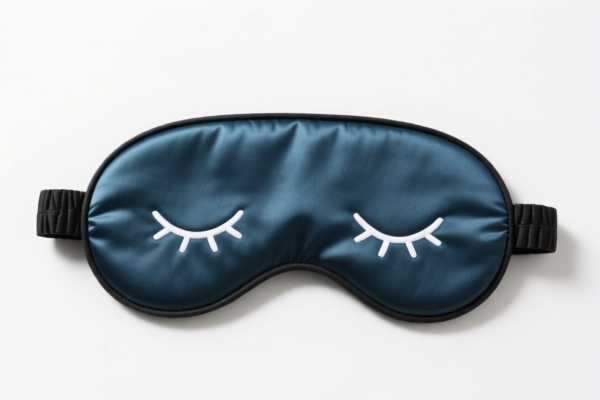
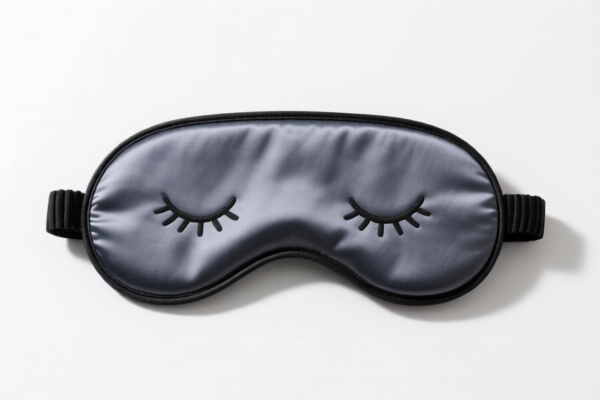
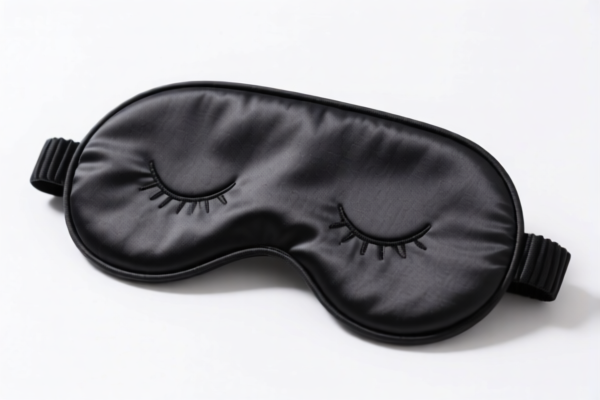
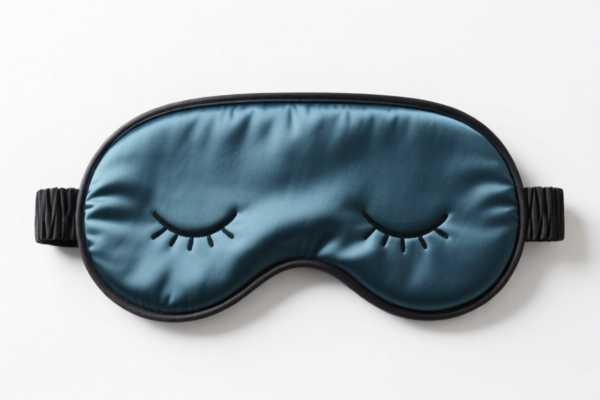
AI Analysis
😷 Black Face Mask (Non-Woven/Synthetic Fiber)
🌐 HS Code Reference & Customs Clearance Guide | 2026 Latest Tariff Analysis | Professional Clearance Strategy
📌 I. Product Definition & Classification: Do You Really Understand "Black Face Masks"?
Black face masks are primarily categorized based on material composition and intended use. In international trade, they are often disputed between "Medical/Protective Articles" and "Articles of Apparel/Accessories." The color "black" does not automatically dictate a specific HS code but often influences the material classification (e.g., non-woven synthetic fibers vs. rubber).
Key Distinction Points: * Material Logic: * If made of Non-woven fabric (Synthetic Fiber): Often classified under plastics or textile accessories. * If made of Vulcanized Rubber: Classified under rubber articles. * Usage Logic: * Protective/Medical: Classified as other plastic articles or protective articles. * Fashion/Apparel Accessory: Classified as apparel accessories (if used as a fashion statement or basic filter).
⚠️ Critical Note for Importers:
- Misclassification is common. A "black mask" declared as "Apparel Accessory" (Ch 40) faces 39% duty, while one declared as "Plastic Article" (Ch 39) faces 21.7%-22.8%.
- 122 Clause Tariff (10%) and Section 301 Tariffs apply to most entries from China, significantly impacting the total landed cost.
📦 II. HS Code Classification Details (Based on Provided Data)
| HS Code | Product Description (Summary) | Material/Use Inference | Total Tax Rate |
|---|---|---|---|
4015.90.00.50 |
Apparel Accessory Category | Non-woven or Synthetic Fiber; Fits "Other Articles" fallback logic for apparel accessories. | 39.0% |
3926.90.99.89 |
Other Plastic Articles | Plastic/Synthetic Fiber; Not specifically listed in other subheadings. | 22.8% |
3926.90.21.00 |
Medical/Protective Plastic Articles | Non-woven (Synthetic); Classified under other plastic articles for medical/protective use. | 21.7% |
4015.90.00.10 |
Rubber Apparel Accessory | Vulcanized Rubber or Related Synthetic; Consistent with aprons/accessories logic. | 39.0% |
6307.90.98.75 |
Other Masks/Articles | Face mask form; Fits "Other masks" fallback logic for made-up articles. | 17.0% |
🔍 Priority Analysis:
- Lowest Duty Option:6307.90.98.75(17.0%) is the most cost-effective if the mask can be clearly defined as a "generic mask" rather than a "rubber accessory" or "plastic article." - Highest Duty Risk:4015.xx.xx(39.0%) applies if Customs views the black material as rubber or strictly as an apparel accessory.
💰 III. 2026 Latest Tariff Rate Breakdown (Detailed Tax Clauses)
✅ Applicable Country: United States (US)
✅ Origin: China (CN) (Inferred from 122 Clause & Section 301 context)
✅ Effective Date: Current 2026 Standards
🎯 1. 6307.90.98.75 —— Other Made-up Articles (Lowest Duty)
| Item | Detail |
|---|---|
| Base Rate | 7.0% |
| Section 301 Surcharge | 0.0% |
| 122 Clause Surcharge | 10.0% |
| Total Effective Rate | 17.0% |
| Calculation Base | CIF Value × 17.0% |
| De Minimis Exemption? | ❌ No (Usually subject to full duties if valued over threshold, but structure allows lower base) |
| Legal Path | Ch. 63 (Other Made Up Textile Articles) → Fallback Category |
📌 Why it’s cheaper:
- It avoids the heavy Section 301 tariffs often applied to rubber (4015) or certain plastics (3926) depending on specific USITC rulings. - 122 Clause (10%) is standard for many Chinese goods, but the base rate is low (7%).
🎯 2. 3926.90.21.00 —— Medical/Protective Plastic Articles
| Item | Detail |
|---|---|
| Base Rate | 4.2% |
| Section 301 Surcharge | 7.5% |
| 122 Clause Surcharge | 10.0% |
| Total Effective Rate | 21.7% |
| Calculation Base | CIF Value × 21.7% |
| De Minimis Exemption? | ❌ No |
| Legal Path | Ch. 39 (Plastics) → Protective Articles |
📌 Why it’s moderate:
- Lower base rate (4.2%) helps, but the 7.5% Section 301 and 10% 122 Clause add up. - Requires clear proof that the mask is for "medical or protective" use.
🎯 3. 3926.90.99.89 —— Other Plastic Articles
| Item | Detail |
|---|---|
| Base Rate | 5.3% |
| Section 301 Surcharge | 7.5% |
| 122 Clause Surcharge | 10.0% |
| Total Effective Rate | 22.8% |
| Calculation Base | CIF Value × 22.8% |
| De Minimis Exemption? | ❌ No |
📌 Note:
- Slightly higher than3926.90.21.00due to a higher base rate (5.3% vs 4.2%).
🎯 4. 4015.90.00.50 & 4015.90.00.10 —— Rubber/Apparel Accessories (Highest Duty)
| Item | Detail |
|---|---|
| Base Rate | 4.0% |
| Section 301 Surcharge | 25.0% |
| 122 Clause Surcharge | 10.0% |
| Total Effective Rate | 39.0% |
| Calculation Base | CIF Value × 39.0% |
| De Minimis Exemption? | ❌ No |
| Legal Path | Ch. 40 (Rubber) → Apparel Accessories |
⚠️ High Risk Alert:
- The 25% Section 301 Surcharge is the main driver. This classification assumes the black mask is made of vulcanized rubber or treated as a rubber accessory. - If the mask is non-woven fabric, classifying it here is a mistake that doubles your duty cost compared to Ch. 63.
🛠️ IV. Customs Clearance Practical Advice (Avoid Pitfalls)
✅ 1. Documentation Checklist (Essential)
| Document | Required? | Purpose |
|---|---|---|
| Product Specification Sheet | ✔️ | Must state material composition (e.g., "100% Polypropylene Non-woven" vs. "Rubber"). |
| Material Safety Data Sheet (MSDS) | ✔️ | To prove it is not hazardous or medical-device regulated unless claimed. |
| Photos of Packaging & Product | ✔️ | Show "Black" color, texture (non-woven vs. smooth rubber), and any labels. |
| Commercial Invoice | ✔️ | Clear description: "Black Non-woven Face Mask, for dust protection." Avoid ambiguous terms like "Rubber Mask" unless true. |
| Bill of Lading | ✔️ | Standard shipping docs. |
✅ 2. Classification Strategy (Key Tips)
🔥 "Material Determines Code, Usage Determines Rate!"
| Scenario | Recommended HS Code | Reasoning |
|---|---|---|
| Non-woven fabric, standard black mask | 6307.90.98.75 or 3926.90.21.00 |
Avoids high 301 tariffs on rubber. Best if "mask" is the primary function. |
| Made of Rubber/Silicone | 4015.90.00.50 |
Only if material is truly rubber. Expect 39% duty. |
| Fashion/Accessory Use | 6307.90.98.75 |
Framing it as a "made-up article" rather than "rubber apparel" lowers duty. |
✅ 3. Critical Warnings
- Do NOT misdeclare rubber as plastic or vice versa:
- If it’s rubber,
4015is correct. If it’s plastic/non-woven,4015is wrong and will trigger audits.
- If it’s rubber,
- The "122 Clause" is unavoidable:
- All provided codes include a 10% surcharge. Do not expect this to disappear unless the origin changes.
- Section 301 Variance:
- Notice the difference: 0% for
6307, 7.5% for3926, and 25% for4015. This is the single biggest cost driver.
- Notice the difference: 0% for
🌍 V. Global Market Comparison (2026 Context)
| Market | Recommended HS | Est. Duty | Key Constraint |
|---|---|---|---|
| 🇺🇸 USA | 6307.90.98.75 |
17.0% | 122 Clause (10%) applies to most Chinese goods. |
| 🇺🇸 USA | 4015.90.00.50 |
39.0% | High 301 tariff on rubber articles. |
| 🇨🇳 China (Import) | Varies | Low/Zero | Check specific FTAs. |
| 🇪🇺 EU | Varies | 0-6.5% | Generally lower tariffs, but strict CE/Medical Device regulations if claimed medical. |
📌 Conclusion for US Importers:
Aim for6307.90.98.75(17%) or3926.90.21.00(21.7%).
Avoid4015(39%) unless you are 100% sure the product is rubber and cannot be classified elsewhere.
📌 VI. Common Mistakes & Pitfalls (Lessons Learned)
❌ Mistake 1: Declaring a non-woven mask as "Rubber Mask" (4015)
👉 Result: 39% Duty instead of 17%. Massive cost increase.
👉 Fix: Prove material is non-woven PP/PE.
❌ Mistake 2: Ignoring the "122 Clause" in budget calculations
👉 Result: Underestimating landed cost by 10%.
👉 Fix: Always include +10% in financial models for China-origin goods.
❌ Mistake 3: Using generic "Mask" description on Invoice
👉 Result: Customs may classify to the highest applicable duty (4015) if material is unclear.
👉 Fix: Use precise terms: "Black Non-Woven Face Mask, Polypropylene Material."
✅ Correct Approach:
Black Non-Woven Face Mask, 3-Layer, Polypropylene, For Dust Protection
→ Classify under6307.90.98.75→ 17% Total Duty.
🎯 VII. Conclusion: Precision Saves Money
🎯 Key Takeaway:
🔹 "Non-Woven = Lower Duty. Rubber = Higher Duty."
🔹 "122 Clause is 10% across the board. Don't forget it."
🔹 "Classify as6307to save ~22% vs4015."
📌 Pro Tip:
If you are importing large volumes, consider applying for an Exclusion from the 301/122 clauses if available for specific HS codes, or explore origin shifting (e.g., Vietnam, Thailand) to mitigate tariffs, though supply chain shifts require time.
📣 Immediate Action:
📞 Verify material composition with your supplier.
📄 Prepare product specs emphasizing "Non-Woven" or "Plastic" if applicable.
🚀 Optimize for6307.90.98.75to maximize profit margins.
✨ Professional clearance starts with precise classification!
💼 Your bottom line depends on the first 6 digits!
Customer Reviews
About HS Code Classification
The Harmonized System (HS) is an internationally standardized nomenclature developed by the World Customs Organization (WCO) to classify traded products. Over 200 countries use the HS system as the basis for customs tariffs, trade statistics, and import/export regulations.
Each HS code follows a hierarchical structure:
- Chapter (2 digits) — Broad category of goods (e.g., Chapter 84: Machinery and Mechanical Appliances)
- Heading (4 digits) — More specific grouping within the chapter
- Subheading (6 digits) — Internationally standardized breakdown, used by all WCO member countries
- National subdivisions (8-10 digits) — Country-specific extensions for further classification, such as US HTSUS 10-digit codes
Correct HS code classification is essential for smooth customs clearance, accurate duty payment, and compliance with trade regulations. Misclassification can lead to customs delays, overpayment of duties, or penalties.
When importing from CN to US, the applicable tariff rates may include:
- Most-Favored-Nation (MFN) rate — The standard duty rate applied to WTO members
- General rate — Applied to countries without trade agreements
- Trade remedy duties — Additional tariffs such as Section 301 (anti-dumping), Section 232 (national security), or countervailing duties
The information provided on this page is for reference purposes only. For official classification, please consult with your local customs authority or a licensed customs broker.