black swing cover
CN → USProduct Images
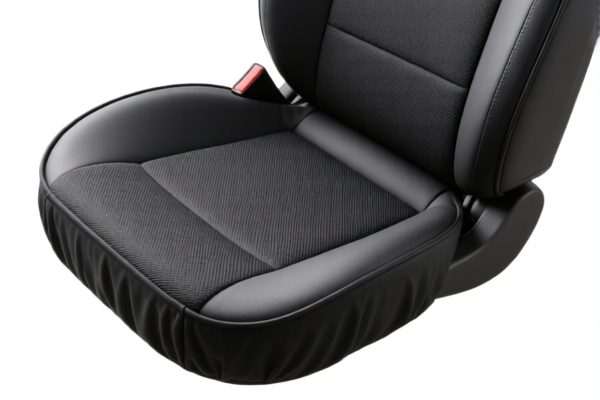
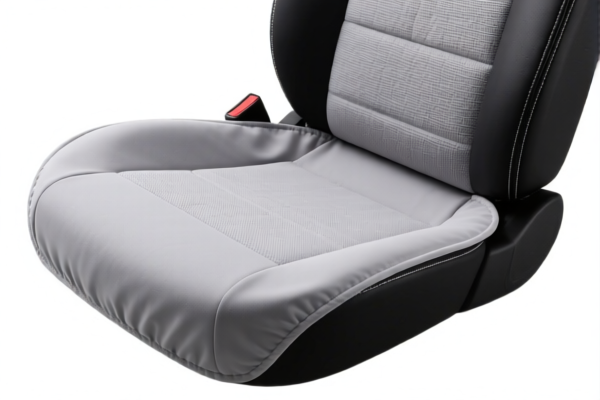
AI Analysis
A black swing cover is typically a protective fabric or vinyl sleeve designed to fit over an outdoor swing, hammock, or porch swing chair. Its primary purpose is to shield the swing from weather damage and debris when not in use.
Here is a detailed breakdown of its features, benefits, and usage:
🔹 Primary Functions
- Weather Protection: It guards the swing's fabric, wood, or metal frame against rain, snow, UV rays from the sun, and harsh winds.
- Dirt & Debris Prevention: Keeps leaves, bird droppings, pollen, and dust from accumulating on the seat and cushions.
- Extended Lifespan: By preventing weathering and fading, it significantly extends the life of the swing and its upholstery.
- Aesthetics: A "black" cover offers a sleek, modern, or classic look that blends well with most garden decor and hides dirt between cleanings better than lighter colors.
🔹 Common Materials
- Heavy-Duty Vinyl: Water-resistant, durable, and easy to wipe clean.
- Polyester with PU Coating: Offers breathability (reducing mold/mildew) while remaining waterproof.
- Tarpaulin: Thick, industrial-grade protection for harsh climates.
🔹 Typical Features
- Elastic Hems: To ensure a snug fit around the swing frame.
- Tie-Down Straps or Buckles: To secure the cover in windy conditions so it doesn't blow away.
- Ventilation Vents: Prevent moisture buildup underneath the cover.
- Reinforced Stitching: For added strength at stress points.
🔹 Usage Tips
- Measure First: Swings come in various shapes (A-frame, rope, wooden glider). Ensure the cover is labeled for your specific swing type or get a custom-sized one.
- Clean Before Covering: Make sure the swing is completely dry and free of debris before putting the cover on to prevent mold growth.
- Seasonal Use: Most users put these covers on during winter or off-seasons when the swing is not in use.
If you are looking to purchase one, search for "black outdoor swing cover" or "hammock cover with ties" on home improvement or outdoor furniture websites, ensuring you match the dimensions of your specific swing.
Customer Reviews
About HS Code Classification
The Harmonized System (HS) is an internationally standardized nomenclature developed by the World Customs Organization (WCO) to classify traded products. Over 200 countries use the HS system as the basis for customs tariffs, trade statistics, and import/export regulations.
Each HS code follows a hierarchical structure:
- Chapter (2 digits) — Broad category of goods (e.g., Chapter 84: Machinery and Mechanical Appliances)
- Heading (4 digits) — More specific grouping within the chapter
- Subheading (6 digits) — Internationally standardized breakdown, used by all WCO member countries
- National subdivisions (8-10 digits) — Country-specific extensions for further classification, such as US HTSUS 10-digit codes
Correct HS code classification is essential for smooth customs clearance, accurate duty payment, and compliance with trade regulations. Misclassification can lead to customs delays, overpayment of duties, or penalties.
When importing from CN to US, the applicable tariff rates may include:
- Most-Favored-Nation (MFN) rate — The standard duty rate applied to WTO members
- General rate — Applied to countries without trade agreements
- Trade remedy duties — Additional tariffs such as Section 301 (anti-dumping), Section 232 (national security), or countervailing duties
The information provided on this page is for reference purposes only. For official classification, please consult with your local customs authority or a licensed customs broker.