bladder biomembrane
CN → US| HS Code | Tariff Rate | Origin | Destination | Doc |
|---|---|---|---|---|
| 3822190080 | 10.0% | CN | US | Official Doc |
| 3002590000 | 10.0% | CN | US | Official Doc |
| 3002490050 | 10.0% | CN | US | Official Doc |
| 3001200000 | 10.0% | CN | US | Official Doc |
Product Images
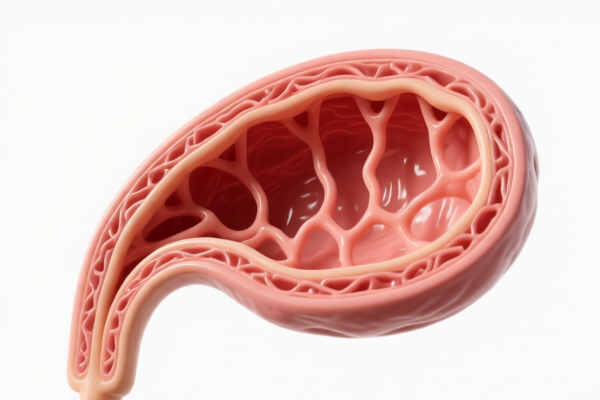
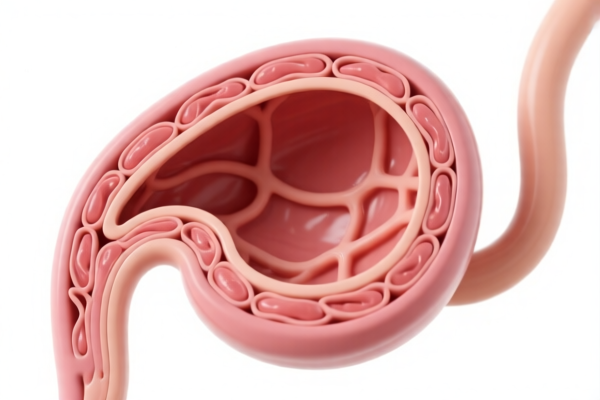
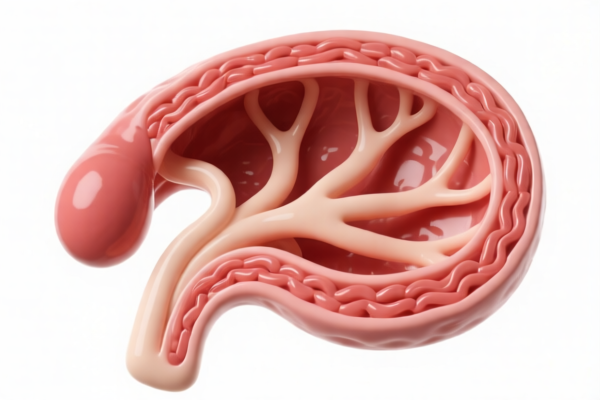
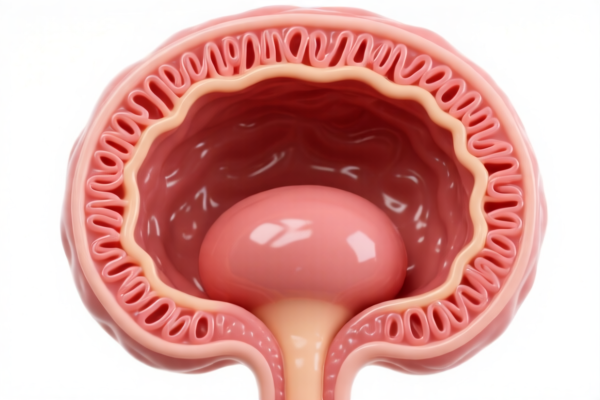
AI Analysis
🧬 Bladder Biomembrane (Urothelial/Bio-membrane)
🌐 HS Code Reference & Customs Clearance Guide | 2026 Latest Tariff Analysis | Professional Bio-Medical Clearance Strategy
📌 I. Product Definition: What is a "Bladder Biomembrane"?
A "Bladder Biomembrane" generally refers to biological materials derived from the urinary bladder, often processed for use in tissue engineering, regenerative medicine, or advanced laboratory diagnostics. It typically involves: * Decellularized Bladder Matrix (DBM): Collagen-rich scaffolds used for reconstructive surgery. * Urothelial Cell Cultures: Cells or tissues used for biological research, vaccine testing, or drug screening. * Biological Extracts: Proteins or growth factors harvested from bladder tissue.
⚠️ Critical Distinction:
- If it is a diagnostic reagent for lab analysis → It may fall under Chapter 38 (Biochemical Preparations).
- If it is a live culture, vaccine precursor, or tissue extract → It falls under Chapter 30 (Pharmaceutical/Preparations) or Chapter 30.01 (Glands/Organs).
📦 II. HS Code Classification Details (2026 Latest Tariff Authority)
Based on the provided data, the product is classified into four potential HS Codes depending on its exact physical state and intended use.
| HS Code | Product Description | Application Scenario | Key Biological Characteristic |
|---|---|---|---|
3822.19.00.80 |
Biological Reagents/Preparations | Lab diagnostics, research kits, immune assays | Used as a diagnostic tool or laboratory reagent; not for therapeutic implantation. |
3002.59.00.00 |
Other Human/Microbial Cultures | Cell culture media, tissue scaffolds, bio-matrix implants | Contains microbial or cell cultures; fits the "bio-membrane" matrix category for tissue engineering. |
3002.49.00.50 |
Biological Products (Vaccines/Toxins/Cultures) | Biological research, toxin testing, antibody production | Contains microbial or cellular components; fits the broad "biological product" category. |
3001.20.00.00 |
Extracts of Glands/Organs | Surgical implants, regenerative medicine materials | Derived from bladder tissue/organs; fits the "extract of organs" definition. |
🔍 Key Note:
- All four codes listed below share the same tax structure under current US-China trade policies. - The choice depends on whether the product is a reagent (3822), a culture/matrix (3002), or a tissue extract (3001).
💰 III. 2026 Tariff Rate Breakdown (Including Surtaxes & Policy Add-ons)
✅ Applicable Country: United States (US)
✅ Origin: China (CN)
✅ Effective Date: November 10, 2025 (and subsequent imports)
🎯 Common Tax Structure for All Listed HS Codes
| Item | Content |
|---|---|
| Base Tariff | 0% (ad valorem) |
| Section 301 Surcharge | 0% (No additional 301 tariff applied to these specific bio-codes in this dataset) |
| 122-Clause Tariff (Section 122/IEEPA) | +10% (Specific to Chinese-origin biological/pharmaceutical imports under recent executive orders) |
| Total Effective Tariff | 10.0% |
| Tax Calculation | CIF Value × 10% |
| De Minimis Eligibility | ❌ Not Eligible (Biological products are generally excluded from de minimis thresholds) |
| Legal Basis Path | 122-Clause:10% → USITC:3822.19.00.80 / 3002.59.00.00 / 3002.49.00.50 / 3001.20.00.00 |
📌 Explanation:
- The Base Tariff is 0% for these biological preparations, which is advantageous. - However, a +10% surcharge is explicitly applied under the "122-Clause Tariff" for goods originating from China. - Total Cost Impact: Even with a low base rate, the 10% effective duty must be factored into landed cost calculations.
🛠️ IV. Customs Clearance Practical Advice (Battle-Tested Pitfall Guide)
✅ 1. Documentation Checklist (Non-Negotiable)
| Document | Must Provide | Explanation |
|---|---|---|
| ✅ Product Specification Sheet | ✔️ | Must clearly state: Source (porcine/human/engineered), Processing Method (decellularized/lyophilized), and Intended Use. |
| ✅ Letter of Guarantee / Intended Use | ✔️ | Crucial for distinguishing between 3822 (Lab Use) and 3001/3002 (Medical/Bio Use). Misclassification leads to seizure. |
| ✅ Biological Safety Certificate | ✔️ | Proof of freedom from pathogens (BSE/TSE, viral screening). Required by FDA/CDC for import. |
| ✅ Commercial Invoice | ✔️ | Must explicitly state: "Biological Membrane/Extract for Lab/Medical Use, HS Code [Insert Code]". |
| ✅ Certificate of Origin | ✔️ | Required to apply the correct 122-Clause tariff and verify Chinese origin. |
| ✅ FDA Prior Notice | ✔️ | If imported as a food/drug/biological, FDA Prior Notice is mandatory before arrival. |
✅ 2. Classification Strategy (Critical Decision Matrix)
🔥 "Know Your End-Use: Reagent vs. Implant"
| Scenario | Correct HS Code | Reason |
|---|---|---|
| Used in a test kit for detecting antibodies in bladder cancer | 3822.19.00.80 |
It is a diagnostic reagent, not a medical implant. |
| Decellularized matrix used as a surgical implant for bladder reconstruction | 3001.20.00.00 |
It is an extract of an organ used for therapeutic purposes. |
| Cell culture of urothelial cells for drug testing | 3002.59.00.00 |
It is a cell culture product, falling under bio-preparations. |
| Vaccine precursor or toxin-derived biological | 3002.49.00.50 |
Fits the vaccine/toxin/culture category. |
⚠️ Warning:
- Do NOT classify a therapeutic implant as a "lab reagent" (3822) to avoid scrutiny. FDA and Customs will cross-check. - Do NOT misdeclare a "bladder extract" as a general "chemical" (29or38). It must be declared under Chapter 30.
✅ 3. Special Handling & Compliance
| Issue | Resolution |
|---|---|
| FDA Registration | Ensure the facility is FDA-registered and the product has Prior Notice filed. |
| Cold Chain Logistics | Biological membranes often require 2-8°C or frozen transport. Provide temperature logs to avoid rejection. |
| Ethical Sourcing | If human-derived, provide IRB approval or donor consent forms. If animal-derived, ensure OIE standards compliance. |
| Labeling | Must include: "For Research Use Only" (if applicable) or "Sterile", "Do Not Use If Seal Broken". |
🌍 V. Global Market Comparison (2026 Outlook)
| Country/Region | Recommended HS Code | Tariff Rate | Key Requirement |
|---|---|---|---|
| 🇺🇸 USA | 3001.20.00.00 / 3822.19.00.80 |
10% (122-Clause) | FDA Prior Notice, BSE/TSE Certificate |
| 🇨🇳 China | 3001.20.00.00 |
0-5% | NMPA Registration (if medical) |
| 🇪🇺 EU | 3002.20 / 3822.00 |
0-4% | CE Marking, Medical Device Regulation (MDR) |
| 🇯🇵 Japan | 3001.20 / 3822.00 |
0-5% | PMDA Approval, Sterility Proof |
📌 Conclusion:
- The US market imposes a unique 10% surcharge on Chinese-origin biological goods under the 122-Clause. - EU and Japan have stricter regulatory approvals (MDR, PMDA) but lower tariffs. - Customs in the US is highly sensitive to biological safety documents. Missing one document can cause a 30+ day delay.
📌 VI. Common Errors & Pitfalls (Lessons Learned)
❌ Error 1: Declaring "Bladder Biomembrane" as "Collagen Supplement" (2106 or 2935)
👉 Consequence: Seized by FDA for unapproved drug/medical device. Heavy fines!
❌ Error 2: Using generic "Biological Product" without specifying HS Code
👉 Consequence: Customs assigns a wrong code, leading to back taxes + penalties.
❌ Error 3: Omitting "Intended Use" on the Invoice
👉 Consequence: Customs cannot determine if it’s 3822 (Lab) or 3001 (Medical). Hold for examination.
❌ Error 4: Ignoring the 122-Clause Tariff
👉 Consequence: Underpaying by 10% → Audit trigger upon arrival.
✅ Correct Practice:
"Decellularized Porcine Bladder Matrix, Sterile, for Surgical Reconstruction, HS Code 3001.20.00.00, Made in China"
🎯 VII. Conclusion: Precision in Bio-Trade
🎯 Remember the Mantra:
🔹 "Lab Reagent = 3822, Implant = 3001, Culture = 3002"
🔹 "10% US Surcharge, FDA Prior Notice is a Must!"
🔹 "Misclassify Bio-Products = Seizure & Delay!"
📌 Pro Tip:
If your bladder biomembrane is intended for clinical trials or approved medical devices, consider applying for an Investigational New Drug (IND) exemption or 510(k) clearance in the US. This can streamline customs and avoid classification disputes.
📣 Immediate Action:
📞 Consult a FDA-licensed Customs Broker
📄 Prepare BSE/TSE Certificates + Intended Use Letters
🚀 Ensure FDA Prior Notice is filed 72 hours before vessel arrival.
✨ Professional Clearance, Safe Bio-Trade!
💼 Your Bio-Materials Deserve the Right HS Code!
Customer Reviews
About HS Code Classification
The Harmonized System (HS) is an internationally standardized nomenclature developed by the World Customs Organization (WCO) to classify traded products. Over 200 countries use the HS system as the basis for customs tariffs, trade statistics, and import/export regulations.
Each HS code follows a hierarchical structure:
- Chapter (2 digits) — Broad category of goods (e.g., Chapter 84: Machinery and Mechanical Appliances)
- Heading (4 digits) — More specific grouping within the chapter
- Subheading (6 digits) — Internationally standardized breakdown, used by all WCO member countries
- National subdivisions (8-10 digits) — Country-specific extensions for further classification, such as US HTSUS 10-digit codes
Correct HS code classification is essential for smooth customs clearance, accurate duty payment, and compliance with trade regulations. Misclassification can lead to customs delays, overpayment of duties, or penalties.
When importing from CN to US, the applicable tariff rates may include:
- Most-Favored-Nation (MFN) rate — The standard duty rate applied to WTO members
- General rate — Applied to countries without trade agreements
- Trade remedy duties — Additional tariffs such as Section 301 (anti-dumping), Section 232 (national security), or countervailing duties
The information provided on this page is for reference purposes only. For official classification, please consult with your local customs authority or a licensed customs broker.