blankets and travel blankets
CN → US| HS Code | Tariff Rate | Origin | Destination | Doc |
|---|---|---|---|---|
| 6214900090 | 28.8% | CN | US | Official Doc |
| 6214900010 | 28.8% | CN | US | Official Doc |
| 6301200010 | 17.5% | CN | US | Official Doc |
| 6301300010 | 25.9% | CN | US | Official Doc |
| 6307908995 | 17.0% | CN | US | Official Doc |
Product Images
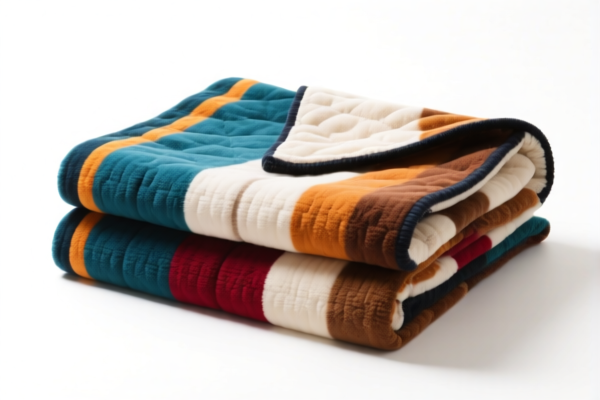
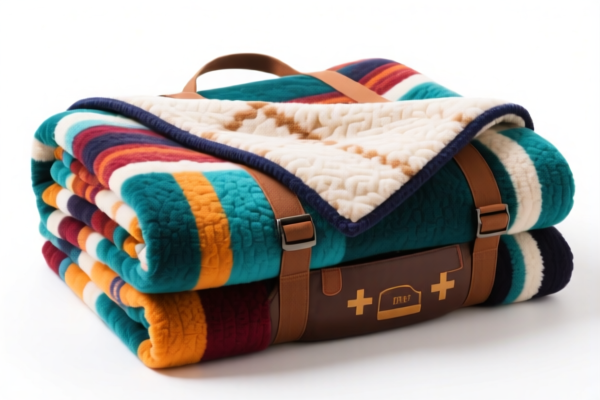
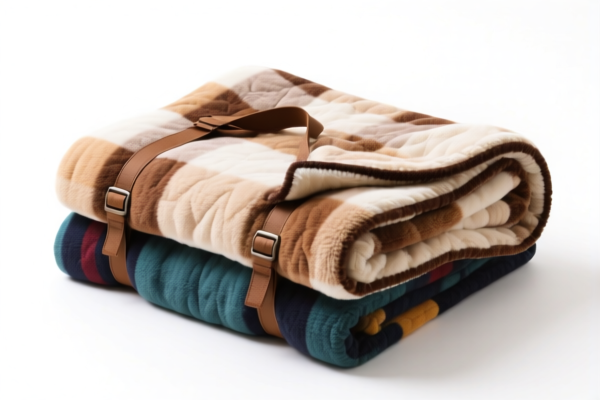
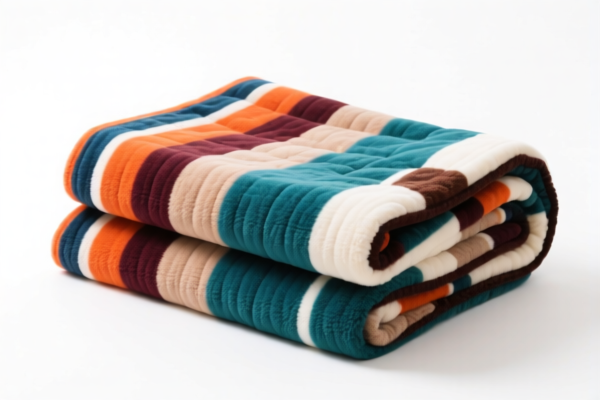
AI Analysis
🧳 Travel Blankets (旅行飞机毯)
🌐 HS Code Reference & Customs Clearance Guide | 2026 Latest Tariff Analysis | Professional Transit Strategy
📌 I. Product Definition & Classification: Are You Classifying "Travel Blankets" Correctly?
"Travel Blankets" (often referred to as airplane blankets, airline blankets, or compact travel throws) are portable textile products designed for warmth and comfort during transit or casual use. In international trade, they are not a single HS Code category. The classification depends entirely on the material composition and finishing status of the blanket.
⚠️ Critical Distinction:
- If made of wool/fine animal hair → It falls under Chapter 63 (Other Made-up Textile Articles).
- If made of cotton/cotton blends → It falls under Chapter 63 (Other Made-up Textile Articles).
- If made of other textiles (synthetic, mixed, etc.) → It falls under Chapter 62 or 63 depending on specific subheadings for "Other textile materials."
- Misclassification Risk: Declaring a wool blanket as "other textile" to avoid higher duties can lead to severe penalties.
📦 II. HS Code Classification Details (2026 Latest Tariff Authority Comparison)
Based on the provided data, here are the specific classifications for "Travel/Airplane Blankets" and their associated tax implications for imports into the US from China.
| HS Code | Product Description | Material Type | Total Tax Rate | Key Tax Components |
|---|---|---|---|---|
6301.20.00.10 |
Wool or Fine Animal Hair Blankets | 🐑 Wool / Fine Animal Hair | 17.5% | Base: 0.0% + Section 301: 7.5% + Section 232/Other: 10% |
6301.30.00.10 |
Cotton or Cotton Blend Blankets | ☁️ Cotton / Cotton Blend | 25.9% | Base: 8.4% + Section 301: 7.5% + Section 232/Other: 10% |
6307.90.89.95 |
Other Made-up Cotton Articles | ☁️ Other Cotton Products | 17.0% | Base: 7.0% + Section 301: 0.0% + Section 232/Other: 10% |
6214.90.00.10 |
Other Textile Materials Articles | 🧵 Other Textiles | 28.8% | Base: 11.3% + Section 301: 7.5% + Section 232/Other: 10% |
6214.90.00.90 |
Other Textile Material Articles | 🧵 Other Textiles | 28.8% | Base: 11.3% + Section 301: 7.5% + Section 232/Other: 10% |
🔍 Key Insight:
- Wool Blankets (6301.20.00.10) have the lowest total tax rate (17.5%) because the base tariff is 0%.
- Cotton Blankets (6301.30.00.10) are taxed at 25.9%, significantly higher due to the 8.4% base tariff.
- "Other Textile" (6214.90.xx) items carry the highest burden (28.8%) due to an 11.3% base tariff.
- Exception:6307.90.89.95(Other cotton articles) has a lower rate (17.0%) but is not classified as a standard "blanket" under 6301; it is for "other made-up cotton articles." Use only if the product does not meet the definition of a blanket under 6301.
💰 III. Detailed Breakdown of 2026 Tariff Rates (Including Surcharge & Policy Add-ons)
✅ Applicable Country: United States (US)
✅ Origin: China (CN)
✅ Effective Time: Current rates apply (including Section 301 and Section 232/Other duties)
🎯 1. 6301.20.00.10 – Wool or Fine Animal Hair Blankets
| Item | Detail |
|---|---|
| Base Tariff | 0.0% |
| Section 301 Surcharge | +7.5% |
| Section 232/Other Duty | +10% |
| Total Effective Rate | 17.5% |
| Tax Calculation | CIF Value × 17.5% |
| De Minimis Exemption | ❌ Not Applicable (Subject to all duties) |
| Legal Basis Path | HTSUS:6301.20.00.10 → Section 301: 7.5% → Section 232/Other: 10% |
📌 Explanation:
- Wool blankets enjoy a 0% base duty, making them the most tax-efficient option if made of wool.
- The 7.5% is the standard Section 301 additional duty for many textile categories.
- The 10% is an additional statutory duty (often linked to national security or trade remedy measures).
🎯 2. 6301.30.00.10 – Cotton or Cotton Blend Blankets
| Item | Detail |
|---|---|
| Base Tariff | 8.4% |
| Section 301 Surcharge | +7.5% |
| Section 232/Other Duty | +10% |
| Total Effective Rate | 25.9% |
| Tax Calculation | CIF Value × 25.9% |
| De Minimis Exemption | ❌ Not Applicable |
| Legal Basis Path | HTSUS:6301.30.00.10 → Section 301: 7.5% → Section 232/Other: 10% |
📌 Explanation:
- Cotton blankets have an 8.4% base duty, which is significantly higher than wool.
- Even with the same surcharges, the total cost is much higher.
- Warning: Do not misdeclare cotton as wool to claim the 17.5% rate; customs may reclassify and penalize.
🎯 3. 6307.90.89.95 – Other Made-up Cotton Articles
| Item | Detail |
|---|---|
| Base Tariff | 7.0% |
| Section 301 Surcharge | 0.0% |
| Section 232/Other Duty | +10% |
| Total Effective Rate | 17.0% |
| Tax Calculation | CIF Value × 17.0% |
| De Minimis Exemption | ❌ Not Applicable |
| Legal Basis Path | HTSUS:6307.90.89.95 → Section 232/Other: 10% |
📌 Explanation:
- This code is for "other cotton articles" not specified elsewhere (e.g., cleaning cloths, certain linings).
- It has 0% Section 301 duty, which lowers the total to 17.0%.
- Caution: Only use this if the product does not meet the legal definition of a "blanket" under Chapter 6301. Misuse is a common audit trigger.
🎯 4. 6214.90.00.10 & 6214.90.00.90 – Other Textile Materials
| Item | Detail |
|---|---|
| Base Tariff | 11.3% |
| Section 301 Surcharge | +7.5% |
| Section 232/Other Duty | +10% |
| Total Effective Rate | 28.8% |
| Tax Calculation | CIF Value × 28.8% |
| De Minimis Exemption | ❌ Not Applicable |
| Legal Basis Path | HTSUS:6214.90.xx → Section 301: 7.5% → Section 232/Other: 10% |
📌 Explanation:
- These codes cover blankets made of synthetics or other materials not classified under wool/cotton.
- They have the highest base duty (11.3%), resulting in the highest total rate (28.8%).
- Cost Impact: For a $1,000 shipment, this is $288 in duties vs. $175 for wool.
🛠️ IV. Customs Clearance Practical Advice (Avoid Pitfalls)
✅ 1. Documentation Checklist (Mandatory)
| Document | Required | Notes |
|---|---|---|
| ✅ Material Composition Sheet | ✔️ | Must specify exact % of wool, cotton, polyester, etc. |
| ✅ Product Photos | ✔️ | Show label, fabric texture, and packaging. |
| ✅ Commercial Invoice | ✔️ | Clearly state "Travel Blanket" or "Airplane Blanket" and material. |
| ✅ Origin Certificate | ✔️ | If non-China origin, may qualify for lower rates. |
| ✅ Care Label Info | ✔️ | Helps customs verify material type. |
✅ 2. Classification Strategy (Key Tips)
🔥 “Know Your Fabric, Save Your Money!”
| Scenario | Recommended HS Code | Why? |
|---|---|---|
| Wool Blanket | 6301.20.00.10 |
Lowest total duty (17.5%) due to 0% base rate. |
| Cotton Blanket | 6301.30.00.10 |
Standard classification for cotton blankets (25.9%). |
| Polyester/Synthetic Blanket | 6214.90.00.10/90 |
Falls under "Other Textile Materials" (28.8%). |
| Cotton "Other" Article | 6307.90.89.95 |
Only if NOT a standard blanket (17.0%). |
⚠️ Critical Warning:
- Do not declare a polyester blanket as "cotton" to use6301.30.00.10or6307.90.89.95. Customs labs can test fabric composition.
- Do not declare a wool blanket as "other textile" to avoid scrutiny, but note that wool has lower duties anyway, so it’s less risky.
✅ 3. Special Cases
| Situation | Advice |
|---|---|
| Blended Materials | Classify based on the principal material (by weight/value). If 51% wool, use 6301.20.00.10. |
| Gift Sets (Blanket + Pillow) | Declare as a set; the primary item determines the code. |
| OEM for Airlines | Provide airline contracts to prove commercial nature, but duty rates remain the same. |
🌍 V. Global Market Comparison (2026 Update)
| Country | Recommended HS Code | Approx. Duty Rate (China Origin) | Notes |
|---|---|---|---|
| 🇺🇸 USA | 6301.20.00.10 (Wool) |
17.5% | High due to Section 301 + 232/Other. |
| 🇺🇸 USA | 6301.30.00.10 (Cotton) |
25.9% | Higher base duty. |
| 🇨🇳 China | 6301.20.00.10 |
7-14% | Lower duties, no Section 301. |
| 🇪🇺 EU | 6301.20.00 |
0-12% | Varies by country; often 0% for wool. |
| 🇬🇧 UK | 6301.20.00 |
0-12% | Post-Brexit tariffs similar to EU. |
📌 Conclusion:
- USA has the highest duty burden for textile imports from China due to multiple layers of tariffs.
- Wool is the most cost-effective material for US imports due to 0% base duty.
- Consider sourcing from Vietnam or Bangladesh for lower base duties and potential exemptions from Section 301.
📌 VI. Common Mistakes & Pitfalls (Lessons Learned)
❌ Mistake 1: Declaring a polyester blanket as "Wool"
👉 Consequence: Customs audit → Re-classification → Penalty + Back Duties + Late Fees.
❌ Mistake 2: Using 6307.90.89.95 for a standard cotton blanket
👉 Consequence: Customs may reject the classification if it clearly fits 6301.30.00.10. Delay in clearance.
❌ Mistake 3: Ignoring Section 232/Other 10% duty
👉 Consequence: Underestimating landed cost by 10%, leading to loss of margin.
✅ Best Practice:
Always provide detailed material composition (e.g., "100% Wool," "80% Cotton/20% Polyester").
Use Advance Rulings if unsure about classification for new products.
🎯 VII. Conclusion: Smart Classification, Lower Costs!
🎯 Remember:
🔹 "Wool is King" (17.5%) – Lowest duty in the US.
🔹 "Cotton is Costly" (25.9%) – Higher base duty.
🔹 "Synthetics are Expensive" (28.8%) – Highest base duty.
🔹 "Check the Material" – Don't Guess, Test!
📌 Pro Tip:
If your blankets are made in Vietnam, India, or Turkey, you may qualify for lower or zero Section 301 duties.
🚀 Action:
- Verify origin certificates.
- Consult a licensed customs broker for Advance Rulings.
- Optimize material choice (e.g., switch to wool blends if feasible) to reduce duty burden.
✨ Precise Classification is the Key to Profitability!
💼 Don't let 10% or 20% duty differences erase your margins!
Customer Reviews
About HS Code Classification
The Harmonized System (HS) is an internationally standardized nomenclature developed by the World Customs Organization (WCO) to classify traded products. Over 200 countries use the HS system as the basis for customs tariffs, trade statistics, and import/export regulations.
Each HS code follows a hierarchical structure:
- Chapter (2 digits) — Broad category of goods (e.g., Chapter 84: Machinery and Mechanical Appliances)
- Heading (4 digits) — More specific grouping within the chapter
- Subheading (6 digits) — Internationally standardized breakdown, used by all WCO member countries
- National subdivisions (8-10 digits) — Country-specific extensions for further classification, such as US HTSUS 10-digit codes
Correct HS code classification is essential for smooth customs clearance, accurate duty payment, and compliance with trade regulations. Misclassification can lead to customs delays, overpayment of duties, or penalties.
When importing from CN to US, the applicable tariff rates may include:
- Most-Favored-Nation (MFN) rate — The standard duty rate applied to WTO members
- General rate — Applied to countries without trade agreements
- Trade remedy duties — Additional tariffs such as Section 301 (anti-dumping), Section 232 (national security), or countervailing duties
The information provided on this page is for reference purposes only. For official classification, please consult with your local customs authority or a licensed customs broker.