bleached cotton decorative fabric
CN → US| HS Code | Tariff Rate | Origin | Destination | Doc |
|---|---|---|---|---|
| 6304996040 | 20.7% | CN | US | Official Doc |
| 5805004090 | 35.0% | CN | US | Official Doc |
| 5804101000 | 41.0% | CN | US | Official Doc |
| 6304920000 | 23.8% | CN | US | Official Doc |
| 5208194090 | 42.0% | CN | US | Official Doc |
Product Images
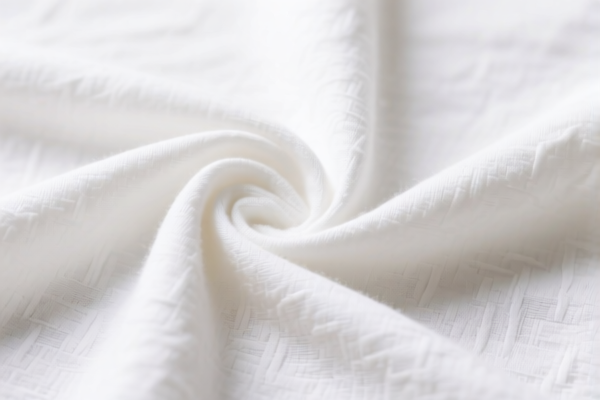
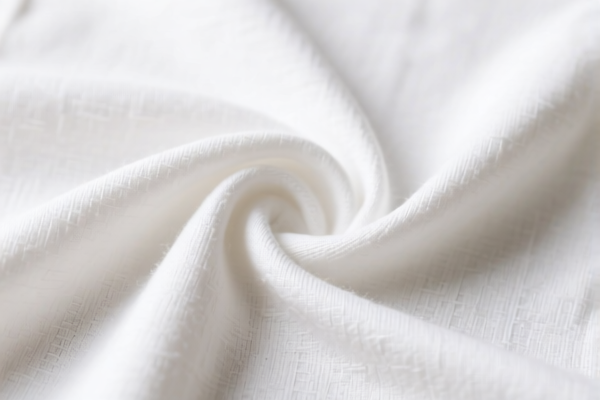

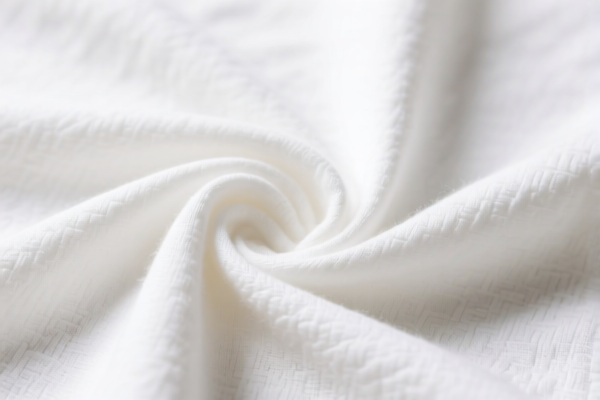
AI Analysis
🧵 Bleached Cotton Decorative Fabric: HS Code & Duty Analysis (2026 US Trade Rules)
🌐 HS Code Reference & Customs Clearance Guide | Latest Tariff Breakdown | Professional Compliance Strategy
📌 I. Product Definition & Classification: What Exactly is "Bleached Cotton Decorative Fabric"?
"Bleached Cotton Decorative Fabric" is a broad textile term used in international trade. It typically refers to woven or non-knitted cotton textiles that have undergone a bleaching process to achieve a pure white appearance, intended for home furnishing, upholstery, or interior decoration rather than apparel.
In US Customs (CBP) classification, the key differentiators are: 1. Material: 100% Cotton (or predominantly cotton). 2. Process: Bleached (white). 3. Form/Use: "Decorative" implies it is not yet cut into a specific article (like a pillowcase) but is sold as a general textile. However, if it fits specific sub-categories like "tapestry" or "gauze," it may be classified elsewhere. 4. Construction: Knitted vs. Non-knitted (Woven/Other).
⚠️ Key Distinction Point: * If it is non-knitted/non-hooked and does not fit specific fabric types (like denim, muslin, etc.), it falls under Chapter 63 (Other made-up textile articles) or Chapter 52/55 depending on if it is "made-up" or raw fabric. * If it is specifically identified as a Tapestry or Netting, it moves to Chapter 58. * If it is a raw cotton fabric (not yet made into a decorative item), it may fall under Chapter 52.
📦 II. HS Code Classification Details (2026 Latest Tariff Schedule)
Based on the provided data, here are the 5 possible classifications for "Bleached Cotton Decorative Fabric" in the US market, ranging from low to high tax burden.
| HS Code | Product Description & Logic | Applicability Scenario | Total Tax Rate |
|---|---|---|---|
| 6304.99.60.40 | Other Textile Materials (Home Textile Fallback) Matches textile material attributes. Non-knitted/non-hooked, used as home textile. The "fallback" category for general decorative fabrics without specific material conflict. |
General decorative fabric, curtains, wall hangings (not tapestries). | 20.7% |
| 6304.92.00.00 | Cotton Home Textile Articles Name contains "Cotton" (matches material). "Decorative" matches "other furniture accessories." No conflict in form or material. |
Specific cotton-made decorative home textiles (e.g., cotton tablecloths, decorative mats). | 23.8% |
| 5805.00.40.90 | Tapestries / Wall Hangings Matches "Fabric/Tapestry" form. No material conflict. Inferred as non-synthetic other category based on common sense. |
Hand-woven or printed decorative wall hangings, tapestries. | 35.0% |
| 5804.10.10.00 | Netting, Gauze, & Tulle Inferred cotton/silk/synthetic. Matches "Fine Netting" or "Other Mesh Fabrics" material & form characteristics. |
Sheer curtains, lace-like decorative fabrics, netting. | 41.0% |
| 5208.19.40.90 | Woven Cotton Fabric (Raw/Unmade) Material is Cotton. Fits "Cotton Woven Fabric" category. Fallback logic applied when specific density/weight is unknown or generic. |
Plain woven cotton fabric, not yet made up into specific decorative items. | 42.0% |
🔍 Critical Insight: * Lowest Duty:
6304.99.60.40(20.7%) is often the best fit for general "decorative fabric" if it doesn't strictly qualify as a tapestry or raw weave. * Highest Duty:5208.19.40.90(42.0%) applies if declared as raw cotton fabric. * Misclassification Risk: Declaring a "Tapestry" as "General Fabric" (6304) to save taxes is high-risk. CBP may reclassify based on the look and feel of the goods.
💰 III. 2026 Tariff Rate Breakdown (Including Section 301 & IEEPA Surcharges)
✅ Applicable Country: United States (US)
✅ Origin: China (CN) (Note: High tariffs assume Chinese origin as per typical trade data context for these surcharges)
✅ Effective Date: 2025-2026 Tariff Structure
🎯 1. 6304.99.60.40 — Other Textile Materials (Home Textile Fallback)
| Item | Details |
|---|---|
| Base Tariff | 3.2% |
| Section 301 Surcharge | +7.5% |
| Section 122 Tariff | +10.0% |
| Total Effective Rate | 20.7% |
| De Minimis Exemption | ❌ No (Deny de minimis for Chinese textiles above $800) |
| Legal Path | Base:6304 → Sec301:7.5% → Sec122:10% |
📌 Explanation:
Base 3.2%: Standard Most Favored Nation (MFN) rate for other made-up textile articles. * Section 301 (7.5%): Additional tariff on Chinese textiles under U.S. Trade Representative (USTR) lists. * Section 122 (10%): Emergency tariff for balance of payments, often applied to specific textile categories from China. * Total: 20.7% is the lowest effective duty* among the options, making this the most cost-effective classification if the product fits the "general textile" description.
🎯 2. 6304.92.00.00 — Cotton Home Textile Articles
| Item | Details |
|---|---|
| Base Tariff | 6.3% |
| Section 301 Surcharge | +7.5% |
| Section 122 Tariff | +10.0% |
| Total Effective Rate | 23.8% |
| De Minimis Exemption | ❌ No |
| Legal Path | Base:6304.92 → Sec301:7.5% → Sec122:10% |
📌 Explanation:
Base 6.3%: Higher base rate for "cotton" specific home textiles compared to general textiles. * Total: 23.8%. Slightly higher than the fallback category. Use this if the fabric is definitively cotton-made* and marketed as a "home textile article" (e.g., decorative cushions covers).
🎯 3. 5805.00.40.90 — Tapestries
| Item | Details |
|---|---|
| Base Tariff | 0.0% |
| Section 301 Surcharge | +25.0% |
| Section 122 Tariff | +10.0% |
| Total Effective Rate | 35.0% |
| De Minimis Exemption | ❌ No |
| Legal Path | Base:5805 → Sec301:25% → Sec122:10% |
📌 Explanation:
Base 0%: Tapestries historically have low base duties. * Section 301 (25%): Heavy surcharge applies to Chinese tapestries/textiles of Chinese origin. * Total: 35.0%. A significant jump due to the 25% Section 301 rate. Only use this if the product is genuinely a hand-woven tapestry*.
🎯 4. 5804.10.10.00 — Netting, Gauze, & Tulle
| Item | Details |
|---|---|
| Base Tariff | 6.0% |
| Section 301 Surcharge | +25.0% |
| Section 122 Tariff | +10.0% |
| Total Effective Rate | 41.0% |
| De Minimis Exemption | ❌ No |
| Legal Path | Base:5804 → Sec301:25% → Sec122:10% |
📌 Explanation:
Section 301 (25%): Same heavy surcharge as tapestries. * Total: 41.0%. High duty. Avoid this classification unless the product is clearly mesh, netting, or tulle*.
🎯 5. 5208.19.40.90 — Woven Cotton Fabric (Raw)
| Item | Details |
|---|---|
| Base Tariff | 7.0% |
| Section 301 Surcharge | +25.0% |
| Section 122 Tariff | +10.0% |
| Total Effective Rate | 42.0% |
| De Minimis Exemption | ❌ No |
| Legal Path | Base:5208 → Sec301:25% → Sec122:10% |
📌 Explanation:
Section 301 (25%): Heavy surcharge on Chinese cotton fabrics. * Total: 42.0%. The highest duty. This classification is for raw woven cotton fabric* not yet made into decorative items. If you sell "decorative fabric," avoid this unless you are selling bulk rolls of plain cloth.
🛠️ IV. Customs Clearance Practical Advice (Avoiding Pitfalls)
✅ 1. Documentation Checklist (Mandatory)
| Document | Required? | Notes |
|---|---|---|
| Commercial Invoice | ✔️ | Must clearly state "Bleached Cotton Decorative Fabric" or specific type (e.g., "Cotton Tapestry"). |
| Product Photos | ✔️ | Clear images of the fabric texture, edge, and any branding. |
| Composition Statement | ✔️ | Confirm 100% Cotton. Blends change HS Code. |
| Processing Description | ✔️ | "Bleached" is key. If "Dyed," base rates may differ. |
| Country of Origin | ✔️ | CN, US, or Vietnam? (Vietnam may qualify for IEEPA exemption). |
✅ 2. Declaration Tips (Key Strategies)
🔥 "Be Precise: 'Decorative Fabric' is Vague, 'Home Textile' is Safe!"
| Scenario | Recommended HS Code | Reason |
|---|---|---|
| General Decorative Fabric (Curtains, Wall Hangings) | 6304.99.60.40 |
Lowest duty (20.7%). Use if it doesn't fit tapestry/netting. |
| Cotton-Specific Home Textile (e.g., Cotton Pillowcases) | 6304.92.00.00 |
If explicitly cotton and made-up. Duty 23.8%. |
| Hand-Woven Tapestry | 5805.00.40.90 |
Only if it meets the definition of a tapestry. Duty 35.0%. |
| Sheer/Mesh Fabric | 5804.10.10.00 |
If it is netting/tulle. Duty 41.0%. |
| Raw Cotton Cloth (Rolls) | 5208.19.40.90 |
Avoid if selling as "decorative." Duty 42.0%. |
✅ 3. Special Circumstances
| Situation | Action |
|---|---|
| Non-Chinese Origin (e.g., Vietnam, India) | Apply for IEEPA Exemption! Duties may drop to 0-5% base rate. Verify with customs broker. |
| De Minimis ($800) | ❌ Not Applicable for Chinese textiles. All shipments subject to tariffs. |
| "Bleached" vs. "White" | Ensure invoice says "Bleached" if chemically treated. "White" may imply dyeing, which could trigger different codes. |
🌍 V. Global Market Comparison (2026)
| Country | Recommended HS Code | Base Tariff | US Surcharges? | Note |
|---|---|---|---|---|
| 🇺🇸 USA (China Origin) | 6304.99.60.40 |
20.7% | ❌ Yes (301+122) | Highest cost. Optimize classification. |
| 🇺🇸 USA (Vietnam Origin) | 6304.99.60.40 |
~3-5% | ❌ No (Exempt) | Best Market Strategy: Ship from Vietnam. |
| 🇪🇺 EU | 6304.99 |
0-12% | ❌ No | No Section 301/122. Lower risk. |
| 🇨🇳 China (Import) | 6304.99 |
7-10% | ❌ No | Domestic trade tariffs differ. |
📌 Strategic Advice:
If you are importing into the US from China, the tariff burden (20-42%) is significant. Consider: 1. Substantial Transformation: Manufacture final product in Vietnam/India to qualify for USMF (US-Made-Free) or other FTAs. 2. Pre-Ruling: Apply for a Binding Ruling from CBP to confirm6304.99.60.40is the correct code for your specific fabric texture.
📌 VI. Common Errors & Pitfalls
❌ Error 1: Declaring "Decorative Fabric" as 5208 (Raw Fabric) to avoid "Home Textile" scrutiny.
👉 Result: CBP may reclassify as 6304 if it's already made-up, or penalize for incorrect description.
❌ Error 2: Ignoring "Section 122" (10%) in calculations.
👉 Result: Underpaying duties by 10% → Back-taxes + Penalties.
❌ Error 3: Using "Cotton" loosely. If the fabric is 90% Cotton/10% Polyester, 5208 may be invalid.
👉 Result: Misclassification → Seizure.
✅ Correct Approach:
"Bleached Cotton Decorative Fabric, Non-Knitted, for Home Furnishing, HS Code: 6304.99.60.40, Origin: China, Total Duty: 20.7%."
🎯 VII. Conclusion: Smart Classification, Lower Costs!
🎯 Key Takeaway:
6304.99.60.40(20.7%) is the optimal HS Code for most "Bleached Cotton Decorative Fabrics" to minimize duty.
Avoid5208(42%) and5804(41%) unless your product strictly fits "Raw Fabric" or "Netting."
📌 Pro Tip:
If your supply chain allows, sourcing from Vietnam can reduce your total duty from 20.7% to ~3-5%. This is a 15%+ savings per shipment.
📣 Immediate Action:
📞 Consult a Customs Broker for a pre-import ruling.
📄 Verify Fabric Composition (100% Cotton?).
🌍 Consider Supply Chain Diversification (Vietnam/India).
✨ Professional Customs Clearance Starts with Accurate Classification!
💼 Your Profit Margin Depends on Your HS Code!
Customer Reviews
About HS Code Classification
The Harmonized System (HS) is an internationally standardized nomenclature developed by the World Customs Organization (WCO) to classify traded products. Over 200 countries use the HS system as the basis for customs tariffs, trade statistics, and import/export regulations.
Each HS code follows a hierarchical structure:
- Chapter (2 digits) — Broad category of goods (e.g., Chapter 84: Machinery and Mechanical Appliances)
- Heading (4 digits) — More specific grouping within the chapter
- Subheading (6 digits) — Internationally standardized breakdown, used by all WCO member countries
- National subdivisions (8-10 digits) — Country-specific extensions for further classification, such as US HTSUS 10-digit codes
Correct HS code classification is essential for smooth customs clearance, accurate duty payment, and compliance with trade regulations. Misclassification can lead to customs delays, overpayment of duties, or penalties.
When importing from CN to US, the applicable tariff rates may include:
- Most-Favored-Nation (MFN) rate — The standard duty rate applied to WTO members
- General rate — Applied to countries without trade agreements
- Trade remedy duties — Additional tariffs such as Section 301 (anti-dumping), Section 232 (national security), or countervailing duties
The information provided on this page is for reference purposes only. For official classification, please consult with your local customs authority or a licensed customs broker.