bleached cotton fabric over 1 square meter, printed base
CN → US| HS Code | Tariff Rate | Origin | Destination | Doc |
|---|---|---|---|---|
| 5209290090 | 42.7% | CN | US | Official Doc |
| 5209290040 | 42.7% | CN | US | Official Doc |
| 5208296090 | 45.2% | CN | US | Official Doc |
| 5210296090 | 46.4% | CN | US | Official Doc |
| 5208298090 | 48.5% | CN | US | Official Doc |
Product Images
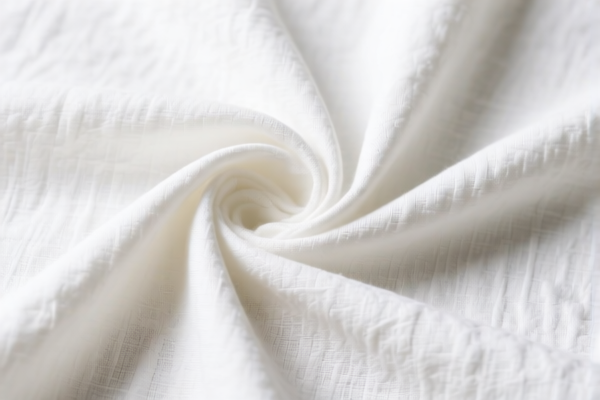
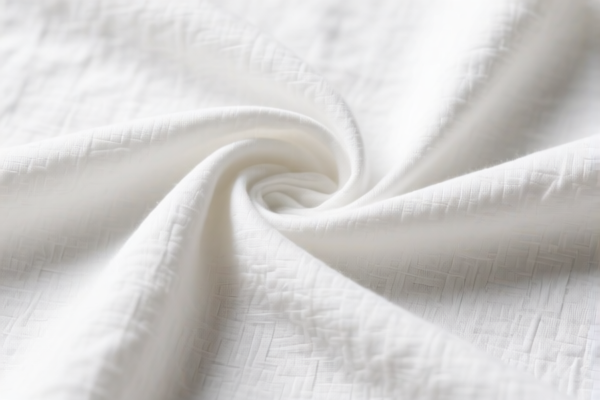
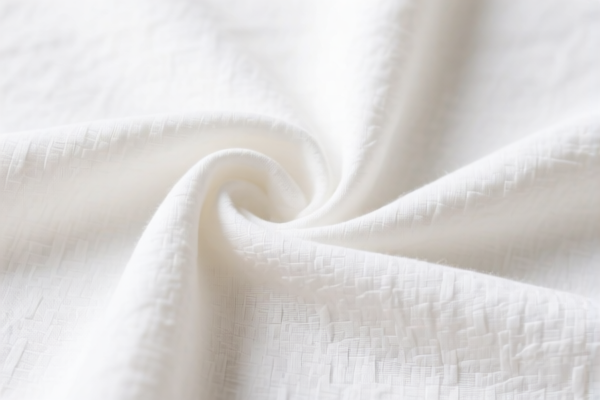
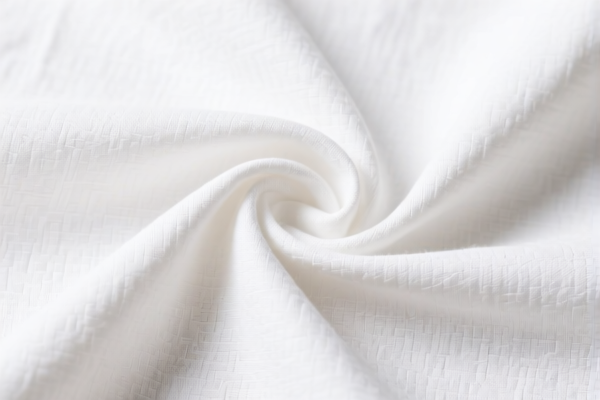
AI Analysis
🧵 Bleached Cotton Fabric (Printed Base) | >1 sq. meter
🌐 HS Code Reference & Clearance Guide | 2026 Latest Tariff Analysis | Professional Entry Strategy
📌 I. Product Definition & Classification: Understanding "Bleached Cotton Fabric"
Bleached cotton fabric, specifically defined with a printed base and a surface area over 1 square meter, falls under Chapter 52 of the Harmonized System (Cotton). The key differentiators are:
- Material: 100% Cotton (or meeting specific cotton content thresholds).
- Process: Bleached (white/colorless appearance after chemical treatment).
- Surface: Printed (patterned/dyed on the bleached base).
- Form: Woven fabric (not knitted, unless specified otherwise, but typically "fabric" implies woven in this context unless "knit" is stated).
- Size: >1 square meter (excludes small samples or cut-offs).
⚠️ Key Distinction:
- If the fabric is not bleached (e.g., grey, dyed solid color) → Different HS Code (e.g., 5208/5209/5210 depending on weight/composition).
- If the fabric is knitted/crocheted → Different HS Code (e.g., 6006).
- For "Bleached Cotton Fabric" (woven), the primary codes are in headings 5208, 5209, or 5210, depending on cotton content and weight per square meter.
📦 II. HS Code Classification Details (2026 Latest Tariff Reference)
Based on the provided , the following HS Codes apply to bleached cotton fabrics. Note that the specific sub-code depends on cotton content and weight, but all fall under the general "Bleached Cotton Fabric" category.
| HS Code | Product Description | Application Scenario | Key Characteristics |
|---|---|---|---|
5209.29.00.90 |
Bleached cotton fabric, meets bleached material and fabric form requirements, classified under other categories. | Standard bleached cotton textiles, woven. | Matches "Bleached Cotton" definition. |
5209.29.00.40 |
Bleached cotton fabric, meets bleached cotton material definition, no specific structure mentioned, classified under other categories. | General bleached cotton fabrics without specific structural constraints. | Broad classification for bleached cotton. |
5208.29.60.90 |
Cotton bleached fabric, meets material, form, and bleaching characteristics, matched under other categories. | Bleached cotton fabrics with specific weight/characteristics (Heading 5208 usually for <200g/m²). | Lower weight cotton fabric. |
5210.29.60.90 |
Cotton bleached fabric, meets cotton content, bleaching, and fabric type description, belongs to other categories. | Bleached cotton fabrics with lower cotton content or specific blends (Heading 5210 usually for non-primary cotton). | Non-primary cotton content or specific blends. |
5208.29.80.90 |
Cotton bleached fabric, meets bleaching and cotton requirements, classified under other categories based on logic. | Bleached cotton fabrics with specific physical properties. | Specific bleached cotton attributes. |
🔍 Important Note:
- All listed HS Codes are for Bleached Cotton Fabric.
- The "Printed Base" description does not change the fundamental classification from "Bleached Fabric" (Headings 5208/5209/5210) to "Printed Fabric" (Headings 5208/5209/5210 with further subdivision for printing). However, in many tariff schedules, printed bleached cotton fabrics are still classified under the same main headings (5208/5209/5210) but may have different sub-codes for "Printed" vs. "Not Printed". The provided data shows "Bleached Cotton Fabric" entries. If the fabric is printed, ensure the HS Code reflects "Printed" if available in the specific national tariff (e.g., 5209.29.00.xx for printed vs 5209.29.00.yy for plain). The provided data appears to group them under general "Bleached" descriptions.
- Weight Matters:
- 5208: < 200 g/m²
- 5209: ≥ 200 g/m²
- 5210: < 200 g/m² but not primarily cotton or other specific blends.
- Check Local Tariff: Verify if the specific "Printed" variant has a distinct sub-code under these headings.
💰 III. 2026 Latest Tariff Rate Breakdown (Including Additional Taxes & Policy Add-ons)
✅ Applicable Country: United States (US)
✅ Origin: China (CN)
✅ Effective Date: Ongoing (Subject to Section 301 and IEEPA tariffs)
🎯 1. 5209.29.00.90 & 5209.29.00.40 —— Bleached Cotton Fabric (≥ 200 g/m²)
| Item | Content |
|---|---|
| Basic Tariff Rate | 7.7% (ad valorem) |
| Section 301 Additional Tariff | +25% (From USITC Footnote 9903.88.01 for textiles/apparel from China) |
| Section 122 Tariff (IEEPA) | +10% (Against China/HK products, effective 2025/2026) |
| Total Tariff Rate | 42.7% |
| Tax Calculation | CIF Value × 42.7% |
| De Minimis Exemption Eligible | ❌ No (Deny de minimis for textiles/apparel from China) |
| Legal Basis Path | IEEPA:9903.01.25 → Section 301:9903.88.01 → USITC:5209.29.00.90 |
📌 Explanation:
- "Basic Tariff 7.7%": Standard MFN rate for bleached cotton fabrics of ≥200 g/m².
- "Section 301 Additional Tariff 25%": Retaliatory tariff on Chinese textiles.
- "Section 122 Tariff 10%": New/adjusted IEEPA-based tariff on Chinese imports.
- Total 42.7%: A very high effective duty rate. Must be factored into cost structure.
🎯 2. 5208.29.60.90 —— Bleached Cotton Fabric (< 200 g/m²)
| Item | Content |
|---|---|
| Basic Tariff Rate | 10.2% (ad valorem) |
| Section 301 Additional Tariff | +25% |
| Section 122 Tariff (IEEPA) | +10% |
| Total Tariff Rate | 45.2% |
| Tax Calculation | CIF Value × 45.2% |
| De Minimis Exemption Eligible | ❌ No |
| Legal Basis Path | IEEPA:9903.01.25 → Section 301:9903.88.01 → USITC:5208.29.60.90 |
📌 Note:
- Lighter cotton fabrics (<200 g/m²) have a higher basic rate (10.2%) but still incur the same additional tariffs.
- Total 45.2% is the highest among the listed codes.
🎯 3. 5210.29.60.90 —— Bleached Cotton Fabric (Non-Primary Cotton/Blends)
| Item | Content |
|---|---|
| Basic Tariff Rate | 11.4% (ad valorem) |
| Section 301 Additional Tariff | +25% |
| Section 122 Tariff (IEEPA) | +10% |
| Total Tariff Rate | 46.4% |
| Tax Calculation | CIF Value × 46.4% |
| De Minimis Exemption Eligible | ❌ No |
| Legal Basis Path | IEEPA:9903.01.25 → Section 301:9903.88.01 → USITC:5210.29.60.90 |
📌 Note:
- If the fabric is not primarily cotton or is a specific blend, it may fall under Heading 5210.
- Total 46.4% is the highest tariff rate listed.
🎯 4. 5208.29.80.90 —— Bleached Cotton Fabric (< 200 g/m², Specific Properties)
| Item | Content |
|---|---|
| Basic Tariff Rate | 13.5% (ad valorem) |
| Section 301 Additional Tariff | +25% |
| Section 122 Tariff (IEEPA) | +10% |
| Total Tariff Rate | 48.5% |
| Tax Calculation | CIF Value × 48.5% |
| De Minimis Exemption Eligible | ❌ No |
| Legal Basis Path | IEEPA:9903.01.25 → Section 301:9903.88.01 → USITC:5208.29.80.90 |
📌 Note:
- Specific sub-categories under lighter cotton fabrics may have higher basic rates.
- Total 48.5% is the absolute highest among the provided options.
🛠️ IV. Customs Clearance Practical Advice (Actionable Pitfall Avoidance Guide)
✅ 1. Required Documentation Checklist (All Mandatory)
| Document | Must Provide | Explanation |
|---|---|---|
| ✅ Product Specification Sheet | ✔️ | Include weight (g/m²), width, composition (100% cotton?), bleach process, printing details. |
| ✅ Certificate of Origin (CO) | ✔️ | Crucial for verifying Chinese origin and applying/contest tariffs. |
| ✅ Commercial Invoice | ✔️ | Must clearly state: "Bleached Cotton Fabric, Printed, >1 sq.meter, Chinese Origin". |
| ✅ Packing List | ✔️ | Detail roll dimensions, weight, and total quantity. |
| ✅ Fabric Test Report | ✔️ | Certify cotton content, bleaching process, and weight per square meter. |
| ✅ Photos of Fabric | ✔️ | Show texture, print pattern, and label information. |
✅ 2. Declaration Tips (Key Mnemonic)
🔥 "Weight Defines Heading, Bleach Defines Process, Print Doesn't Change Base, Tariff is High!"
| Scenario | Correct Declaration | Wrong Practice |
|---|---|---|
| Fabric weight ≥ 200 g/m² | 5209.xx.xx.xx (e.g., 5209.29.00.90) |
Use 5208 → Under-declare weight |
| Fabric weight < 200 g/m² | 5208.xx.xx.xx (e.g., 5208.29.60.90) |
Use 5209 → Over-declare weight |
| Non-primary cotton content | 5210.xx.xx.xx |
Use 5208/5209 → Misclassify material |
| Small samples (<1 sq.meter) | Different HS Code (possibly exempt from some rules) | Declare as bulk fabric → Complex clearance |
✅ 3. Special Situation Handling
| Situation | Handling Advice |
|---|---|
| OEM Custom Printing | Provide printing design proof and fabric specification to prove "Bleached Base" status. |
| Mixed Rolls (Bleached & Unbleached) | Do not mix in one declaration. Separate by HS Code. Mixed declaration leads to audit. |
| Origin Denial Risk | If US Customs suspects non-Chinese origin, provide full supply chain documentation (mill to finisher). |
| Tariff Engineering | Consider if fabric can be classified under a different sub-code with lower basic rate, but Section 301 and IEEPA likely still apply. |
🌍 V. Global Main Market Clearance Comparison (2026 Latest)
| Country/Region | Recommended HS Code | Tariff (China Origin) | Certification Requirements | Notes |
|---|---|---|---|---|
| 🇺🇸 USA | 5209.29.00.90 (example) |
42.7% | No special certs | Highest due to Section 301 + IEEPA |
| 🇨🇳 China | 5209.29.00.90 |
7.7% | None | No additional tariffs on domestic trade |
| 🇪🇺 EU | 5208.29.60.90 (example) |
0% - 4% (varies) | REACH | No Section 301 tariffs |
| 🇦🇺 Australia | 5209.29.00.90 |
5% | None | Low tariff, no major add-ons |
| 🇯🇵 Japan | 5209.29.00.90 |
0% - 3% | FSC | Low tariff, no major add-ons |
📌 Conclusion:
- USA is the most expensive market for Chinese bleached cotton fabric due to Section 301 (25%) and IEEPA (10%).
- China, EU, Australia, and Japan have significantly lower tariff burdens.
- Strategic Advice: If shipping to the US, consider tariff engineering (e.g., modifying weight/composition to fit a different sub-code if possible, though unlikely to avoid Section 301) or supply chain diversification (e.g., sourcing from Vietnam, Bangladesh, or India to avoid Chinese origin tariffs).
📌 VI. Common Errors & Pitfall Guide (Blood & Tears Lessons)
❌ Error 1: Declaring unbleached fabric as bleached
👉 Consequence: HS Code mismatch → Seizure & Penalty.
❌ Error 2: Ignoring weight per square meter
👉 Consequence: Wrong heading (5208 vs 5209) → Audit & Back Taxes.
❌ Error 3: Assuming print changes the main HS Code
👉 Consequence: Minor sub-code error, but main duty still high. Focus on weight/material.
❌ Error 4: Not declaring Chinese Origin explicitly
👉 Consequence: Lost chance for duty drawbacks or misclassification → Higher Taxes.
✅ Correct Practice:
"Bleached 100% Cotton Woven Fabric, Printed Design, 250g/m², Width 180cm, Origin: China, >1 sq.meter per roll"
🎯 VII. Conclusion: Professional Declaration, Cost Efficiency!
🎯 Remember the Mnemonic:
🔹 "Weight defines Heading (5208/5209), Cotton Defines Base, Print is Secondary, Tariff is High!"
🔹 "HS Code Determines Life, Tariff Differs by 6%, Declaration Error Costs Thousands!"
📌 Pro Tip:
If your fabric is shipped from a third country (e.g., Vietnam, Bangladesh) but originates in China, it still incurs the Section 301 and IEEPA tariffs unless a substantial transformation occurred.
Recommend Advance Ruling from US Customs if the weight/composition is borderline.
📣 Immediate Action:
📞 Contact Professional Customs Broker + Provide Fabric Spec Sheet + Request HS Code Advance Ruling
🚀 Ensure your bleached cotton fabric clears smoothly, efficiently, and cost-effectively!
✨ Professional Clearance Starts with Accurate Classification!
💼 Every Penny of Duty is Worth Precise Calculation!
Customer Reviews
About HS Code Classification
The Harmonized System (HS) is an internationally standardized nomenclature developed by the World Customs Organization (WCO) to classify traded products. Over 200 countries use the HS system as the basis for customs tariffs, trade statistics, and import/export regulations.
Each HS code follows a hierarchical structure:
- Chapter (2 digits) — Broad category of goods (e.g., Chapter 84: Machinery and Mechanical Appliances)
- Heading (4 digits) — More specific grouping within the chapter
- Subheading (6 digits) — Internationally standardized breakdown, used by all WCO member countries
- National subdivisions (8-10 digits) — Country-specific extensions for further classification, such as US HTSUS 10-digit codes
Correct HS code classification is essential for smooth customs clearance, accurate duty payment, and compliance with trade regulations. Misclassification can lead to customs delays, overpayment of duties, or penalties.
When importing from CN to US, the applicable tariff rates may include:
- Most-Favored-Nation (MFN) rate — The standard duty rate applied to WTO members
- General rate — Applied to countries without trade agreements
- Trade remedy duties — Additional tariffs such as Section 301 (anti-dumping), Section 232 (national security), or countervailing duties
The information provided on this page is for reference purposes only. For official classification, please consult with your local customs authority or a licensed customs broker.