bleached cotton fabric with printed base
CN → US| HS Code | Tariff Rate | Origin | Destination | Doc |
|---|---|---|---|---|
| 5516440010 | 43.5% | CN | US | Official Doc |
| 5516440027 | 43.5% | CN | US | Official Doc |
| 5514410020 | 49.9% | CN | US | Official Doc |
| 5513499090 | 43.5% | CN | US | Official Doc |
| 5514410030 | 49.9% | CN | US | Official Doc |
Product Images
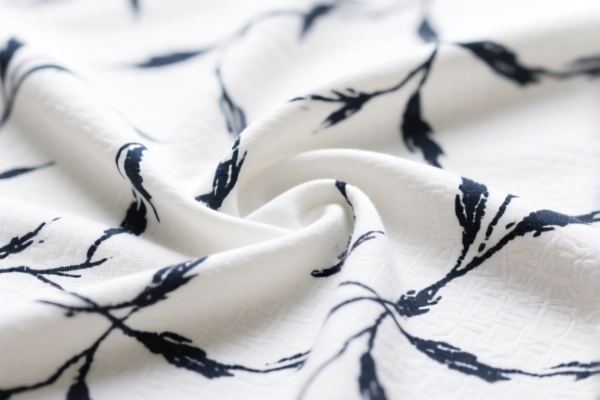
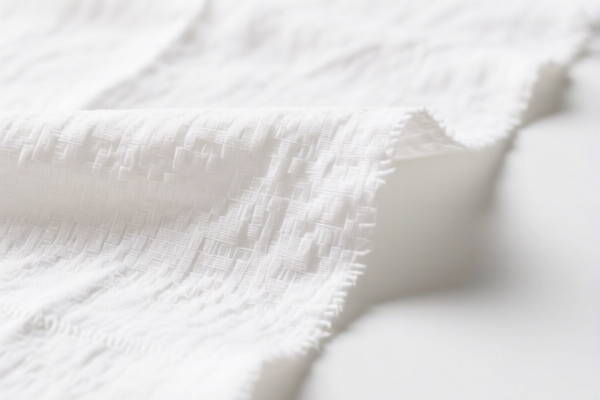
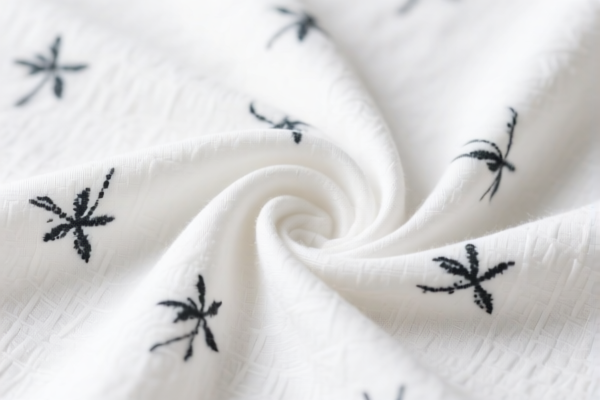
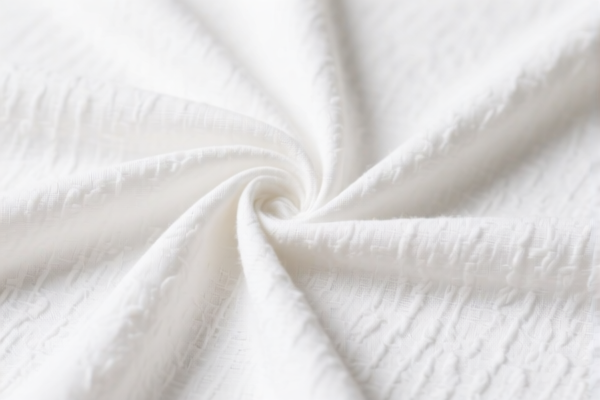
AI Analysis
🧵 Bleached Cotton Fabric with Printed Base (Synthetic/Cotton Blend)
🌐 HS Code Reference & Customs Clearance Guide | 2024 Latest Tariff Analysis | Professional通关 Strategy for US Imports
📌 I. Product Definition & Classification: What Exactly Is This Fabric?
Bleached Synthetic Short-fiber/Cotton Blend Printed Fabric refers to woven fabrics where the base material is a blend of synthetic short fibers (such as polyester or acrylic) and cotton. The fabric undergoes a bleaching process to remove natural color impurities, followed by printing (patterns, designs, or motifs) to create the final appearance.
Key Classification Criteria: 1. Material Composition: It is a blend of synthetic short fibers and cotton. 2. Processing State: Bleached (whitened) and Printed. 3. Structure: Typically plain weave or twill (often specified as "poplin" or similar in specific subheadings). 4. Import Destination: Based on the tax details provided (Section 301 tariffs, IEEPA surcharges), this guide focuses on imports into the United States from China.
⚠️ Critical Distinction:
- If the synthetic fiber content is ≥85%, it falls under different headings (e.g., 5514.xx).
- If the synthetic fiber content is <85% and blended with cotton, it generally falls under 5513.xx or 5516.xx depending on the specific synthetic fiber type and weight.
- The provided data highlights specific subheadings where the synthetic/cotton blend ratio and specific fabric structure (plain/weave) dictate the precise HS Code.
📦 II. HS Code Classification Details (2024/2025 Tariff Schedule)
Based on the provided data, here are the applicable HS Codes for Bleached Synthetic Short-fiber/Cotton Blend Printed Fabric. Note that while the description is similar, the base tariff differs slightly due to specific regulatory interpretations or sub-category nuances.
| HS Code | Product Description (Summary) | Key Classification Elements | Total Tax Rate (US→CN) |
|---|---|---|---|
| 5516.44.00.10 | Bleached synthetic short-fiber/cotton blend printed fabric. Material: Artificial short fibers blended with cotton. Form: Printed fabric. Structure: Plain weave or poplin. | - Bleached - Printed - Artificial Short Fiber + Cotton - Plain/Poplin |
43.5% |
| 5516.44.00.27 | Bleached synthetic short-fiber/cotton blend printed fabric. Material: Cotton blended with artificial short fibers. Form: Printed fabric. Classification: "Other" category. | - Bleached - Printed - Artificial Short Fiber + Cotton - Other unspecified structure |
43.5% |
| 5514.41.00.20 | Bleached synthetic short-fiber/cotton blend printed fabric. Material: Meets synthetic short fiber + cotton blend requirements. Form: Plain weave printed fabric. | - Bleached - Printed - Synthetic Short Fiber + Cotton - Higher Base Duty |
49.9% |
| 5513.49.90.90 | Bleached synthetic short-fiber/cotton blend printed fabric. Synthetic fiber content <85%, blended with cotton. Form: Printed textile. | - Bleached - Printed - Synthetic <85% + Cotton - General Printed Textile |
43.5% |
| 5514.41.00.30 | Bleached synthetic short-fiber/cotton blend printed fabric. Material and form fully meet classification requirements. | - Bleached - Printed - Synthetic Short Fiber + Cotton - Specific Regulatory Fit |
49.9% |
🔍 Key Takeaway:
- Codes 5516.44.00.10 and 5516.44.00.27 share the same total rate (43.5%) but differ in specific regulatory sub-categories.
- Codes 5514.41.00.20 and 5514.41.00.30 carry a higher total rate (49.9%) due to a higher Base Duty (14.9%).
- Code 5513.49.90.90 is a catch-all for printed fabrics with <85% synthetic content, carrying the lower 43.5% total rate.
💰 III. 2024/2025 Detailed Tariff Rate Breakdown
✅ Applicable Country: United States (US)
✅ Origin: China (CN)
✅ Effective Time: Current trade policies (Section 301 & IEEPA)
🎯 1. HS Codes with 43.5% Total Tax Rate
(Applies to: 5516.44.00.10, 5516.44.00.27, 5513.49.90.90)
| Item | Detail |
|---|---|
| Base Duty Rate | 8.5% (Ad Valorem) |
| Section 301 Surcharge | +25.0% (Additional Tariff on Chinese Goods) |
| IEEPA / 122-Clause Surcharge | +10.0% (Additional Tariff on Chinese Textiles/Goods) |
| Total Effective Rate | 43.5% |
| Tax Calculation | CIF Value × 43.5% |
| De Minimis Eligibility | ❌ No (Deny De Minimis) – Small shipments are NOT exempt |
| Legal Basis Path | USITC:5516.44.00.10/27 → FOOTNOTE:301 → IEEPA:122-Clause |
📌 Explanation:
- The Base Duty (8.5%) is the standard Most-Favored-Nation (MFN) rate for woven synthetic-cotton blends.
- The 25% Section 301 Tariff is applied to all Chinese-origin textiles in this category under USTR exclusion lists.
- The 10% IEEPA Surcharge (often referred to as the "122 Clause" in specific trade contexts) applies to Chinese goods under the International Emergency Economic Powers Act.
- Total: 8.5% + 25% + 10% = 43.5%. This is a high-cost item for importers.
🎯 2. HS Codes with 49.9% Total Tax Rate
(Applies to: 5514.41.00.20, 5514.41.00.30)
| Item | Detail |
|---|---|
| Base Duty Rate | 14.9% (Ad Valorem) |
| Section 301 Surcharge | +25.0% (Additional Tariff on Chinese Goods) |
| IEEPA / 122-Clause Surcharge | +10.0% (Additional Tariff on Chinese Textiles/Goods) |
| Total Effective Rate | 49.9% |
| Tax Calculation | CIF Value × 49.9% |
| De Minimis Eligibility | ❌ No (Deny De Minimis) |
| Legal Basis Path | USITC:5514.41.00.20/30 → FOOTNOTE:301 → IEEPA:122-Clause |
📌 Explanation:
- The Base Duty (14.9%) is significantly higher than the 5516 category, reflecting stricter classification or higher value assignment for specific synthetic blends.
- The 25% + 10% surcharges remain the same.
- Total: 14.9% + 25% + 10% = 49.9%. This represents the maximum tariff burden for this product type.
🛠️ IV. Customs Clearance Practical Advice (Battle-Tested Guide)
✅ 1. Required Documentation Checklist (Non-Negotiable)
| Document | Required? | Purpose/Note |
|---|---|---|
| Commercial Invoice | ✅ Yes | Must clearly state: "Bleached Synthetic Short-Fiber/Cotton Blend Printed Fabric", HS Code, Country of Origin: China. |
| Packing List | ✅ Yes | Must detail net/gross weight, number of rolls, and dimensions. |
| Bill of Lading (B/L) | ✅ Yes | Consignee/Shipper details must match invoice. |
| Product Specification Sheet | ✅ Yes | Critical: Must detail fiber composition % (e.g., 65% Polyester, 35% Cotton), weave type (plain/twill), bleaching status, and printing method. |
| Certificate of Origin (CO) | ✅ Yes | Required to prove origin is China (for 301/IEEPA application). |
| Import License/Quota | ❌ No | Generally not required for this textile category, but verify latest CBP rules. |
✅ 2. Declaration Strategy (Key Tips)
🔥 "Be Specific on Fiber, Be Clear on Process, Avoid Ambiguity!"
| Scenario | Correct Declaration | Incorrect Declaration | Consequence |
|---|---|---|---|
| Fiber Composition | "65% Polyester, 35% Cotton, Bleached, Printed" | "Cotton Fabric" or "Polyester Fabric" | Misclassification → Higher duty, penalties, or seizure. |
| Processing State | "Bleached and Printed" | "Yarn-Dyed" or "Dyed" | Incorrect HS → If it's actually dyed, not printed, the HS Code changes. |
| Structure | "Plain Weave" or "Poplin" | "Fabric" | Unclear → Customs may assign higher "Other" category duty (e.g., 49.9%). |
| Origin | "Made in China" | "Assembled in Vietnam" (if false) | Smuggling → Severe penalties, loss of importer trust. |
✅ 3. Special Handling for "Bleached" vs "Dyed"
- Bleached: The fabric is white/neutral, with patterns added later via printing. → Use Printed HS Codes (5516, 5514, 5513).
- Yarn-Dyed: The yarns are colored before weaving. → NOT applicable here. If your fabric is yarn-dyed, the HS Code and tax rate will be different (often higher base duty).
- Piece-Dyed: The whole fabric is dyed one color. → NOT printed. → Different HS Code.
⚠️ Warning: If your fabric is yarn-dyed or piece-dyed and you declare it as printed, you face fraud allegations. Ensure your lab test report confirms "Printing" (ink applied to surface).
🌍 V. Global Market Comparison (2024/2025)
| Country/Region | Recommended HS Code | Base Duty | Additional Tariffs (China) | Total Effective Rate | Notes |
|---|---|---|---|---|---|
| 🇺🇸 USA | 5516.44.00.10/27 | 8.5% | +35% (301+IEEPA) | 43.5% | High barrier. Use 5514 only if mandatory. |
| 🇺🇸 USA | 5514.41.00.20/30 | 14.9% | +35% (301+IEEPA) | 49.9% | Avoid if possible. |
| 🇪🇺 EU | 5514.41 / 5516.44 | 4-7% | 0% (Most Favored Nation) | 4-7% | No Section 301. Lower cost for EU market. |
| 🇨🇳 China | 5516.44 / 5514.41 | 8-14% | 0% | 8-14% | Re-imports or domestic sales. |
| 🇻🇳 Vietnam | 5516.44 | 0-5% | 0% | 0-5% | Consider supply chain relocation to avoid US tariffs. |
📌 Conclusion:
- US Imports: High cost (43.5%-49.9%). Profit margins are heavily impacted.
- Alternative Markets: EU and other markets offer significantly lower tariffs.
- Supply Chain Strategy: Consider sourcing from or assembling in Vietnam, Bangladesh, or India to avoid US Section 301/IEEPA tariffs.
📌 VI. Common Errors & Pitfalls (Lessons Learned)
❌ Error 1: Declaring "Cotton Fabric" when it's a blend.
👉 Result: Customs audits fiber content. If synthetic >50%, misclassification occurs → Higher Duty + Penalty.
❌ Error 2: Confusing "Printed" with "Dyed".
👉 Result: Printed fabrics have specific HS codes. If it's dyed, using a "Printed" HS Code is fraud → Seizure & Fines.
❌ Error 3: Ignoring the 122-Clause IEEPA Surcharge.
👉 Result: Many importers only calculate 301 (25%). The 10% IEEPA is additional. Failing to include it leads to underpayment → Interest & Penalties.
❌ Error 4: Using "General Fabric" as the product name.
👉 Result: Customs requires detailed description. Ambiguity leads to Hold → Demurrage Costs at port.
✅ Best Practice:
"Bleached, 65% Polyester/35% Cotton, Plain Weave, Printed Fabric, 5516.44.00.10, Made in China"
🎯 VII. Conclusion: Precision Saves Money!
🎯 Remember the Formula:
🔹 "Blend Matters: <85% Synthetic = 5513/5516 (43.5%) vs ≥85% = 5514 (49.9%)"
🔹 "301 + IEEPA = 35% Extra. Base Duty + 35% = Total Cost."
🔹 "Printed ≠ Dyed. Label Correctly to Avoid Fraud."
📌 Pro Tip:
If your fabric is high-value (e.g., fashion-grade prints), consider applying for a Harmonized Tariff Schedule (HTS) Exclusion if available, though rare for textiles. Alternatively, restructure supply chain to avoid China origin for US market.
📣 Immediate Action:
📞 Consult a Licensed Customs Broker
📋 Verify Fiber Content with Lab Test
🚀 Calculate Landed Cost: CIF × 43.5% (or 49.9%)
✨ Professional Customs Clearance Starts with Accurate Classification!
💼 Your Bottom Line Depends on These Details!
Customer Reviews
About HS Code Classification
The Harmonized System (HS) is an internationally standardized nomenclature developed by the World Customs Organization (WCO) to classify traded products. Over 200 countries use the HS system as the basis for customs tariffs, trade statistics, and import/export regulations.
Each HS code follows a hierarchical structure:
- Chapter (2 digits) — Broad category of goods (e.g., Chapter 84: Machinery and Mechanical Appliances)
- Heading (4 digits) — More specific grouping within the chapter
- Subheading (6 digits) — Internationally standardized breakdown, used by all WCO member countries
- National subdivisions (8-10 digits) — Country-specific extensions for further classification, such as US HTSUS 10-digit codes
Correct HS code classification is essential for smooth customs clearance, accurate duty payment, and compliance with trade regulations. Misclassification can lead to customs delays, overpayment of duties, or penalties.
When importing from CN to US, the applicable tariff rates may include:
- Most-Favored-Nation (MFN) rate — The standard duty rate applied to WTO members
- General rate — Applied to countries without trade agreements
- Trade remedy duties — Additional tariffs such as Section 301 (anti-dumping), Section 232 (national security), or countervailing duties
The information provided on this page is for reference purposes only. For official classification, please consult with your local customs authority or a licensed customs broker.