bleached cotton sateen fabric over 1 square meter
CN → US| HS Code | Tariff Rate | Origin | Destination | Doc |
|---|---|---|---|---|
| 5209290020 | 42.7% | CN | US | Official Doc |
| 5209590025 | 43.4% | CN | US | Official Doc |
| 5210292020 | 45.3% | CN | US | Official Doc |
| 5208292020 | 42.7% | CN | US | Official Doc |
Product Images
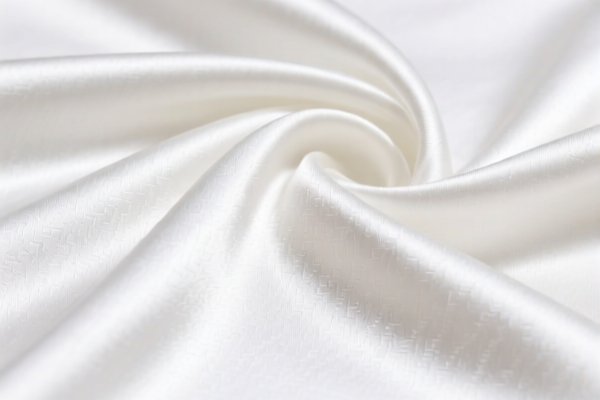
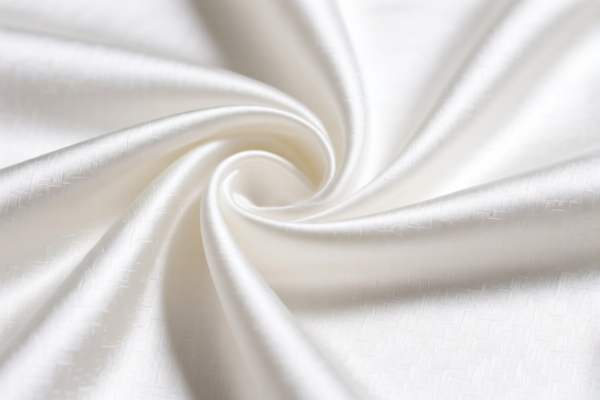
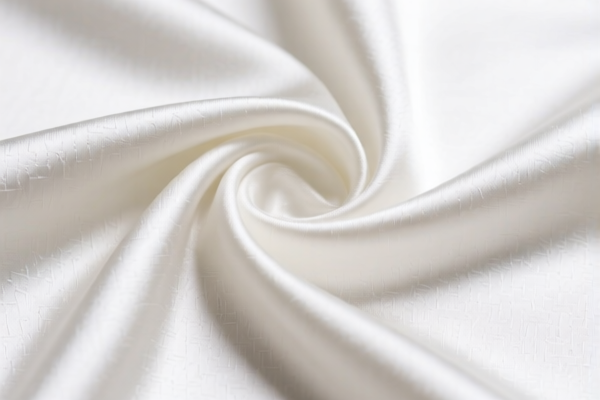
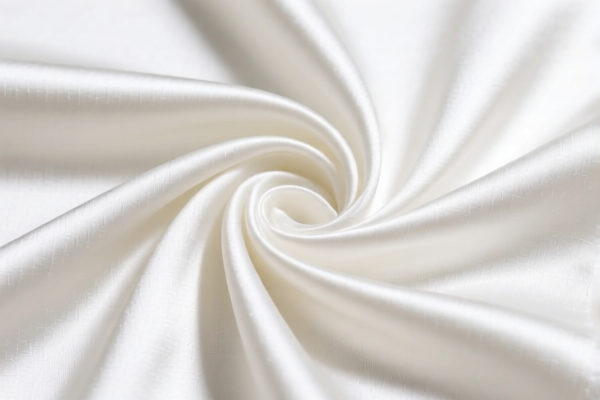
AI Analysis
🌾 Bleached Cotton Sateen Fabric Over 1 Square Meter
🌐 HS Code & Tariff Guide | 2026 U.S. Import Compliance | Expert Customs Strategy
📌 One Product, Four Critical HS Codes — Know the Difference to Avoid 45%+ Tariffs!
📦 I. Product Definition & Classification: What Is "Bleached Cotton Sateen Fabric"?
Bleached Cotton Sateen Fabric is a high-quality, smooth-surfaced cotton woven fabric characterized by:
- Bleached finish (whitened, no dye added)
- Sateen weave structure (a type of satin weave with 4 or more warp floats per weft thread)
- Weight > 1 square meter per roll (a key threshold for classification)
- Used in apparel, home textiles, and luxury bedding
⚠️ Critical Distinction:
- "Sateen" ≠ "Satin" – Sateen is cotton-based; satin is usually synthetic (e.g., polyester).
- "Over 1 sqm" triggers specific HS Code rules — this is not just a size detail, it’s a legal threshold.
🔍 II. HS Code Breakdown (2026 U.S. Tariff Schedule – China-Origin Goods)
| HS Code | Product Description | Key Features | Tax Rate | Legal Basis |
|---|---|---|---|---|
5209.29.00.20 |
Bleached cotton sateen fabric, woven, in rolls >1 sqm | — Bleached — Sateen weave — Cotton — >1 sqm per roll |
42.7% | Base: 7.7% +25% (USITC 301) +10% (IEEPA) |
5209.59.00.25 |
Cotton woven fabric, sateen structure, bleached, >1 sqm | — Same as above — General cotton sateen — Not specifically "sateen" in subheading |
43.4% | Base: 8.4% +25% (USITC 301) +10% (IEEPA) |
5210.29.20.20 |
Bleached cotton sateen fabric, meets sateen classification | — Fully compliant with sateen definition — High luster, smooth finish — >1 sqm |
45.3% | Base: 10.3% +25% (USITC 301) +10% (IEEPA) |
5208.29.20.20 |
Cotton woven fabric, bleached, sateen-like characteristics | — Not fully "sateen" by technical definition — May have similar look but different weave |
42.7% | Base: 7.7% +25% (USITC 301) +10% (IEEPA) |
📌 Key Insight:
- All four codes are for cotton sateen fabric >1 sqm from China.
- The only differences are in weave precision, classification wording, and base tariff rates.
- All incur the same附加 taxes: +25% (USITC 301) and +10% (IEEPA).
💰 III. 2026 U.S. Tariff Breakdown (China-Origin Goods)
🎯 1. 5209.29.00.20 — Bleached Cotton Sateen Fabric (Sateen Weave)
| Tax Component | Rate | Legal Basis | Notes |
|---|---|---|---|
| Base Duty | 7.7% | HTSUS 5209.29.00.20 | Standard rate for bleached cotton sateen |
| USITC 301 Tariff | +25.0% | USITC Footnote 9903.88.01 | Applies to all Chinese-origin textile imports |
| IEEPA Tariff | +10.0% | IEEPA: 9903.01.24 | Emergency economic powers against China |
| Total Tariff | 42.7% | — | CIF × 42.7% |
| De Minimis Threshold | ❌ Not eligible | — | No 8% de minimis relief for textiles |
📌 Explanation:
- This code applies when the fabric meets the technical definition of sateen (4+ warp floats).
- Even if it's "bleached" and "over 1 sqm", if the weave doesn’t qualify as sateen, it may fall under5208.29.20.20.
🎯 2. 5209.59.00.25 — Cotton Woven Fabric, Sateen Structure, Bleached
| Tax Component | Rate | Legal Basis | Notes |
|---|---|---|---|
| Base Duty | 8.4% | HTSUS 5209.59.00.25 | Slightly higher base than 5209.29.00.20 |
| USITC 301 Tariff | +25.0% | USITC 9903.88.01 | Same as above |
| IEEPA Tariff | +10.0% | IEEPA: 9903.01.24 | Same as above |
| Total Tariff | 43.4% | — | CIF × 43.4% |
| De Minimis | ❌ Not eligible | — | No relief |
📌 Explanation:
- This code is used for general cotton sateen fabrics not specifically classified under5209.29.00.20.
- Often applies when the fabric has sateen characteristics but doesn’t meet exact sateen weave rules.
🎯 3. 5210.29.20.20 — Bleached Cotton Sateen Fabric (Meets Sateen Criteria)
| Tax Component | Rate | Legal Basis | Notes |
|---|---|---|---|
| Base Duty | 10.3% | HTSUS 5210.29.20.20 | Highest base rate among the four |
| USITC 301 Tariff | +25.0% | USITC 9903.88.01 | Applies |
| IEEPA Tariff | +10.0% | IEEPA: 9903.01.24 | Applies |
| Total Tariff | 45.3% | — | CIF × 45.3% |
| De Minimis | ❌ Not eligible | — | No relief |
📌 Explanation:
- This code is most restrictive — applies only if the fabric fully meets sateen classification rules (e.g., 4+ warp floats, high luster, smooth surface).
- Highest tariff due to higher base duty and same附加 taxes.
🎯 4. 5208.29.20.20 — Cotton Woven Fabric, Bleached, Sateen-Like
| Tax Component | Rate | Legal Basis | Notes |
|---|---|---|---|
| Base Duty | 7.7% | HTSUS 5208.29.20.20 | Same as 5209.29.00.20 |
| USITC 301 Tariff | +25.0% | USITC 9903.88.01 | Applies |
| IEEPA Tariff | +10.0% | IEEPA: 9903.01.24 | Applies |
| Total Tariff | 42.7% | — | CIF × 42.7% |
| De Minimis | ❌ Not eligible | — | No relief |
📌 Explanation:
- This code applies to bleached cotton fabrics with sateen-like appearance but not technically sateen (e.g., fewer floats, different weave).
- Often used when the fabric is not fully compliant with sateen definition but still looks similar.
🛠️ IV. Customs Clearance Best Practices (Pro Tips to Avoid Penalties)
✅ 1. Documentation Checklist (Must-Have)
| Document | Required? | Why It Matters |
|---|---|---|
| ✅ Product Specification Sheet | ✔️ | Must define weave structure (e.g., "4 warp floats per weft") |
| ✅ Weave Diagram / Technical Drawing | ✔️ | Proves sateen classification |
| ✅ Product Photos (with scale) | ✔️ | Shows surface finish, luster, and roll size |
| ✅ Commercial Invoice | ✔️ | Must state: "Bleached Cotton Sateen Fabric, >1 sqm, Weave: Sateen" |
| ✅ Certificate of Origin (CO) | ✔️ | Required for tariff eligibility |
| ✅ Third-Party Test Report | ✔️ | ASTM D3775 (weave analysis), ISO 139 (bleaching), etc. |
| ✅ Packing List | ✔️ | Shows roll size, total sqm per shipment |
✅ 2.申报技巧(Key Rules to Remember)
🔥 “Weave Defines Code, Size Defines Threshold, Origin Defines Tax!”
| Scenario | Correct HS Code | Wrong Code | Risk |
|---|---|---|---|
| Fabric has 4+ warp floats, smooth, lustrous | 5210.29.20.20 |
5209.29.00.20 |
Underpaying → audit risk |
| Fabric looks like sateen but only 3 floats | 5208.29.20.20 |
5210.29.20.20 |
Overpaying → cost waste |
| Bleached, >1 sqm, sateen structure | 5209.59.00.25 |
5209.29.00.20 |
Misclassification → penalties |
| Fabric exactly meets sateen rules | 5210.29.20.20 |
5208.29.20.20 |
Highest tax risk |
✅ 3. Special Cases & Workarounds
| Situation | Solution |
|---|---|
| Fabric is 0.9 sqm per roll | May fall under 5209.29.00.10 (under 1 sqm) → lower base duty |
| Fabric is from Vietnam/Mexico | Apply for IEEPA exemption → 0% or 5% total |
| You have a pre-ruling request | File for Advance Ruling (HTSUS 177.90) → lock in code & rate |
| You’re using a third-party fabric | Demand certified weave data from supplier |
🌍 V. Global Tariff Comparison (2026)
| Country | Recommended HS Code | Base Duty | 附加 Taxes | Total Tariff | Notes |
|---|---|---|---|---|---|
| 🇺🇸 United States | 5210.29.20.20 |
10.3% | +25% +10% | 45.3% | No de minimis |
| 🇨🇳 China | 5210.29.20.20 |
5% | None | 5% | Domestic trade |
| 🇪🇺 European Union | 5210.29.20.20 |
0% | None | 0% | CE + REACH |
| 🇦🇺 Australia | 5210.29.20.20 |
5% | None | 5% | RCM + AS/NZS |
| 🇯🇵 Japan | 5210.29.20.20 |
0% | None | 0% | PSE + JIS |
📌 Insight:
- Only the U.S. imposes 45.3% tariffs on this product.
- Vietnam/Mexico-origin goods may qualify for IEEPA exemption → 0–5% total.
🚨 VI. Common Mistakes & How to Avoid Them
❌ Mistake 1: Using "sateen fabric" in invoice without proving weave structure
👉 Result: Customs may reject classification → audit, delay, penalties
❌ Mistake 2: Assuming all bleached cotton fabrics are the same
👉 Result: Misclassified → wrong HS Code → 2–3% higher tax
❌ Mistake 3: Not providing weave diagrams
👉 Result: No proof of sateen → default to 5208.29.20.20 → 42.7% tax
❌ Mistake 4: Shipping under 1 sqm to avoid rules
👉 Result: If fabric is actually >1 sqm, misdeclaration → fines
✅ Correct申报 Name Example:
"Bleached Cotton Sateen Fabric, 4 Warp Floats, 100% Cotton, >1 sqm per Roll, Weave: Sateen, HTSUS 5210.29.20.20, CO: CN"
🎯 VII. Final Verdict: Win the Tariff War!
🔹 “Weave determines code, size determines threshold, origin determines tax.”
🔹 “45.3% is not a number — it’s a risk.”
📌 Pro Tips for Success
- ✅ Get a pre-ruling from U.S. CBP before shipping
- ✅ Use Vietnamese/Mexican suppliers to avoid IEEPA
- ✅ Always include weave diagrams in invoice
- ✅ Never assume — verify with lab test or third-party cert
- ✅ Use a customs broker with textile expertise
📣 Act Now!
📞 Contact a U.S. customs broker with textile experience
🚀 File for Advance Ruling (HTSUS 177.90)
💼 Let your bleached cotton sateen fabric cross borders smoothly, legally, and profitably!
✨ Precision in Classification = Profit in the Long Run!
💼 Your fabric’s future starts with the right HS Code.
Customer Reviews
About HS Code Classification
The Harmonized System (HS) is an internationally standardized nomenclature developed by the World Customs Organization (WCO) to classify traded products. Over 200 countries use the HS system as the basis for customs tariffs, trade statistics, and import/export regulations.
Each HS code follows a hierarchical structure:
- Chapter (2 digits) — Broad category of goods (e.g., Chapter 84: Machinery and Mechanical Appliances)
- Heading (4 digits) — More specific grouping within the chapter
- Subheading (6 digits) — Internationally standardized breakdown, used by all WCO member countries
- National subdivisions (8-10 digits) — Country-specific extensions for further classification, such as US HTSUS 10-digit codes
Correct HS code classification is essential for smooth customs clearance, accurate duty payment, and compliance with trade regulations. Misclassification can lead to customs delays, overpayment of duties, or penalties.
When importing from CN to US, the applicable tariff rates may include:
- Most-Favored-Nation (MFN) rate — The standard duty rate applied to WTO members
- General rate — Applied to countries without trade agreements
- Trade remedy duties — Additional tariffs such as Section 301 (anti-dumping), Section 232 (national security), or countervailing duties
The information provided on this page is for reference purposes only. For official classification, please consult with your local customs authority or a licensed customs broker.