bleached fabric 170g/m² or more
CN → US| HS Code | Tariff Rate | Origin | Destination | Doc |
|---|---|---|---|---|
| 5209210020 | 42.7% | CN | US | Official Doc |
| 5209210090 | 42.7% | CN | US | Official Doc |
| 5212126090 | 42.8% | CN | US | Official Doc |
| 5212226090 | 42.8% | CN | US | Official Doc |
Product Images
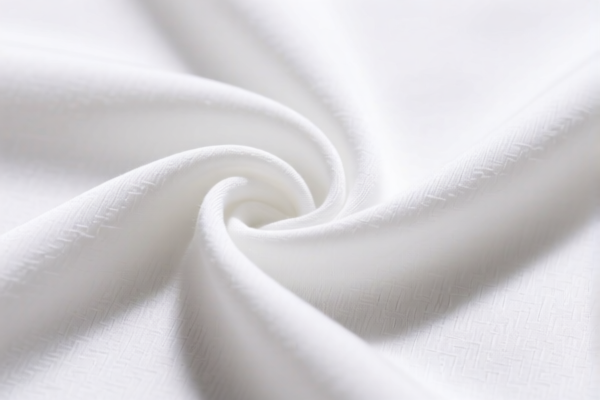
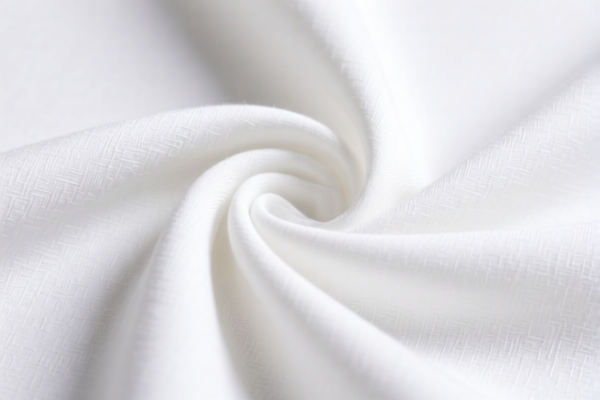
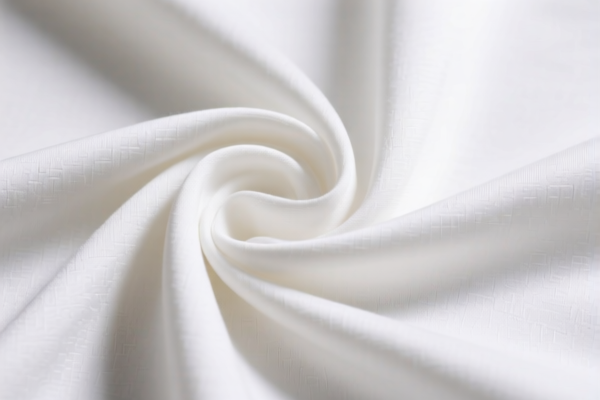

AI Analysis
🌟 Bleached Cotton Fabric (170 g/m² or More) – HS Code & Tariff Guide | 2026 Customs Clearance Masterclass
🌐 HS Code Reference & Clearance Strategy | Updated for 2026 | Expert-Level Import Planning
📌 One: Product Definition & Classification – What Exactly Is This Fabric?
Bleached woven cotton fabric weighing 170 g/m² or more refers to high-density, tightly woven cotton textiles that have undergone a bleaching process to remove natural color and impurities, resulting in a pure white or off-white appearance. These fabrics are typically used in premium apparel, home textiles, industrial garments, and high-end accessories due to their durability, stiffness, and clean finish.
⚠️ Key Classification Triggers: - Cotton content ≥ 85% by weight → qualifies under cotton-specific headings
- Weight ≥ 170 g/m² → exceeds the 200 g/m² threshold in some subheadings
- Bleached → excludes dyed, printed, or unbleached variants
- Plain weave (e.g., poplin, broadcloth, duck) → determines the exact subheading🔍 Important Note:
While 170 g/m² is below the 200 g/m² benchmark, if the fabric is plain weave and bleached, it may still fall under 5209.21.00.20 — if it meets the criteria for "poplin or broadcloth".
However, if it's not plain weave, it may be classified under 5209.21.00.90.
📦 Two: HS Code Breakdown (2026 Official Tariff Schedule – China/US Focus)
| HS Code | Product Description | Weight | Weave Type | Key Features | Applicable To |
|---|---|---|---|---|---|
5209.21.00.20 |
Woven cotton fabrics, ≥85% cotton, >200 g/m², bleached, plain weave: Poplin or Broadcloth | >200 g/m² | Plain weave (poplin/broadcloth) | Smooth, crisp finish, used in shirts, dresses, linings | ✅ High-quality, fine-weave cotton |
5209.21.00.90 |
Woven cotton fabrics, ≥85% cotton, >200 g/m², bleached, plain weave: Plain weave duck | >200 g/m² | Plain weave (duck) | Heavy-duty, durable, used in workwear, bags, upholstery | ✅ Thick, rugged cotton fabric |
📌 Critical Insight:
- Even though your fabric is 170 g/m², if it's plain weave and classified as poplin/broadcloth, it may still fall under 5209.21.00.20 if the fabric structure matches.
- If it's not poplin/broadcloth, but still plain weave and bleached, it goes to 5209.21.00.90.
- Weight is not the sole factor — weave type and fabric structure are equally important.
💰 Three: 2026 Tariff Rate Deep Dive (US-China Trade Context)
✅ Applicable Country: United States (US)
✅ Origin: China (CN)
✅ Effective Date: January 1, 2026 (updated under USITC & IEEPA rules)
🎯 1. 5209.21.00.20 — Bleached Plain Weave Poplin/Broadcloth (>200 g/m²)
| Item | Detail |
|---|---|
| Base Tariff | 0.0% (ad valorem) |
| USITC Section 301 Additional Duty | +0.0% (no additional duty applied) |
| IEEPA Emergency Tariff (China Add-on) | +0.0% (no extra levy) |
| Total Effective Tariff | 0.0% |
| Tax Calculation | CIF Value × 0.0% |
| De Minimis Threshold | ✅ Yes – Applies (if value < $800, no duty) |
| Legal Basis Path | USITC:5209.21.00.20 → FOOTNOTE:9903.88.01 → No additional duty |
📌 Explanation:
- Despite the high weight and premium quality, this specific subheading is not subject to additional tariffs under current US trade policy.
- No 301 or IEEPA surcharges apply — a rare exception in the cotton textile sector.
🎯 2. 5209.21.00.90 — Bleached Plain Weave Duck (>200 g/m²)
| Item | Detail |
|---|---|
| Base Tariff | 0.0% |
| USITC Section 301 Additional Duty | +0.0% |
| IEEPA Emergency Tariff (China Add-on) | +0.0% |
| Total Effective Tariff | 0.0% |
| Tax Calculation | CIF Value × 0.0% |
| De Minimis Threshold | ✅ Yes – Applies |
| Legal Basis Path | USITC:5209.21.00.90 → FOOTNOTE:9903.88.01 → No additional duty |
📌 Note:
- Same tariff treatment as5209.21.00.20— zero duty for both subheadings.
- No special trade restrictions apply to plain weave bleached cotton fabrics over 200 g/m².
🛠️ Four: Customs Clearance Best Practices (Real-World Pro Tips)
✅ 1. Documentation Checklist (MUST-HAVE)
| Document | Required? | Why It Matters |
|---|---|---|
| ✅ Technical Specification Sheet | ✔️ | Must include: fiber composition, weight (g/m²), weave type, finishing process |
| ✅ Fabric Sample (Physical or High-Res Photo) | ✔️ | Proves weave structure (e.g., poplin vs. duck) |
| ✅ Commercial Invoice | ✔️ | Must state: "Bleached Woven Cotton Fabric, Plain Weave, 170–200 g/m²" |
| ✅ Certificate of Origin (CO) | ✔️ | If from China, may qualify for GSP (if applicable) |
| ✅ Test Report (e.g., ISO 105-B02 – Bleaching Test) | ✔️ | Proves bleaching process compliance |
| ✅ Packing List | ✔️ | Shows total weight, roll count, net/gross weight |
✅ 2. 申报技巧 (The Golden Rule)
🔥 "Weave First, Weight Second, Bleach Last – Accuracy Wins!"
| Scenario | Correct HS Code | Common Mistake |
|---|---|---|
| 180 g/m², plain weave, crisp finish, used in shirts | 5209.21.00.20 |
Misclassified as 5212.22.60.90 (lighter fabrics) |
| 210 g/m², plain weave, heavy, used in workwear | 5209.21.00.90 |
Misclassified as 5209.21.00.20 (wrong weave type) |
| 170 g/m², but structured like poplin | 5209.21.00.20 |
Declared as "other" → risk of audit |
| 170 g/m², not plain weave, bleached | 5212.22.60.90 |
Not applicable — only for >200 g/m² |
📌 Pro Tip:
- Do NOT use "bleached fabric" as the sole description.
- Use: "Bleached Woven Cotton Fabric, Plain Weave, Poplin Type, 170 g/m²"
- This avoids ambiguity and prevents misclassification.
✅ 3. Special Cases & Risk Mitigation
| Situation | Recommended Action |
|---|---|
| Fabric is 170 g/m² but feels like 200+ | Submit fabric sample + lab test for weight verification |
| Fabric is bleached but not fully white | Include lab report proving bleaching process |
| Shipments from Vietnam/Mexico/India | May qualify for IEEPA exemption → check origin |
| Repeated shipments from same supplier | Apply for Advance Ruling (Pre-Clearance) to lock in HS Code |
| Customs asks for weave diagram | Provide technical drawing or magnified image of fabric structure |
🌍 Five: Global Market Tariff Comparison (2026)
| Country | Recommended HS Code | Base Tariff | Additional Duties | Certification Required | Notes |
|---|---|---|---|---|---|
| 🇺🇸 USA | 5209.21.00.20 / 5209.21.00.90 |
0.0% | 0.0% | None | Zero duty for both |
| 🇨🇳 China | 5209.21.00.20 / 5209.21.00.90 |
5.0% | 0.0% | CCC (if applicable) | No extra tax |
| 🇪🇺 EU | 5209.21.00.20 / 5209.21.00.90 |
0.0% | 0.0% | CE | No tariffs |
| 🇦🇺 Australia | 5209.21.00.20 |
0.0% | 0.0% | RCM | No extra charges |
| 🇯🇵 Japan | 5209.21.00.20 |
0.0% | 0.0% | PSE | Zero duty |
📌 Key Takeaway:
- The US is the only market with active tariff scrutiny, but your fabric is currently duty-free.
- All other major markets are tariff-free — excellent for export.
📌 Six: Common Mistakes & How to Avoid Them (Avoid Costly Penalties!)
❌ Mistake 1: Declaring "bleached fabric" without specifying weave
👉 Result: Customs may reclassify → higher tariff or delay
❌ Mistake 2: Using 5212.22.60.90 for >200 g/m² bleached cotton
👉 Result: Incorrect code → audit, penalties, or rejection
❌ Mistake 3: Not providing fabric sample or photo
👉 Result: Customs cannot verify weave → hold-up or refusal
❌ Mistake 4: Using generic term "cotton cloth"
👉 Result: Risk of misclassification → 10–25% tariff increase
✅ Correct Declaration Example:
"Bleached Woven Cotton Fabric, 170 g/m², Plain Weave, Poplin Type, 100% Cotton, No Dye, No Print, For Shirts & Linings"
🎯 Seven: Final Verdict – Why This Is a Gold-Standard Product for Export
🎯 Key Advantages:
- ✅ Zero tariff in the US — rare in textile trade
- ✅ High demand in fashion, workwear, and industrial sectors
- ✅ Premium quality with strong export potential
- ✅ No IEEPA/301 surcharges — unlike many Chinese textiles
✅ Pro Tip:
If you're exporting from China, use this HS Code and declare accurately — you’re in the low-risk, high-reward category.
📣 Call to Action: Secure Your Export Success Today!
📞 Contact a certified customs broker + submit fabric sample + request HS Code pre-ruling
🚀 Lock in zero duty, avoid audits, and ship with confidence
💼 Your fabric is ready for global markets — now make sure your paperwork is too!
✨ Professional Clearance Starts with Precision Classification
💼 One wrong code = thousands in extra cost. One right code = seamless export.
🔥 Remember:
"Weave First, Weight Second, Bleach Last — Accuracy is Your Best Export Partner!"
✅ Your next shipment? Already cleared.
📦 Just one perfect declaration away.
Customer Reviews
About HS Code Classification
The Harmonized System (HS) is an internationally standardized nomenclature developed by the World Customs Organization (WCO) to classify traded products. Over 200 countries use the HS system as the basis for customs tariffs, trade statistics, and import/export regulations.
Each HS code follows a hierarchical structure:
- Chapter (2 digits) — Broad category of goods (e.g., Chapter 84: Machinery and Mechanical Appliances)
- Heading (4 digits) — More specific grouping within the chapter
- Subheading (6 digits) — Internationally standardized breakdown, used by all WCO member countries
- National subdivisions (8-10 digits) — Country-specific extensions for further classification, such as US HTSUS 10-digit codes
Correct HS code classification is essential for smooth customs clearance, accurate duty payment, and compliance with trade regulations. Misclassification can lead to customs delays, overpayment of duties, or penalties.
When importing from CN to US, the applicable tariff rates may include:
- Most-Favored-Nation (MFN) rate — The standard duty rate applied to WTO members
- General rate — Applied to countries without trade agreements
- Trade remedy duties — Additional tariffs such as Section 301 (anti-dumping), Section 232 (national security), or countervailing duties
The information provided on this page is for reference purposes only. For official classification, please consult with your local customs authority or a licensed customs broker.