bleached fabric over 170g/m²
CN → US| HS Code | Tariff Rate | Origin | Destination | Doc |
|---|---|---|---|---|
| 5208226040 | 43.7% | CN | US | Official Doc |
| 5208224040 | 43.4% | CN | US | Official Doc |
| 5407619915 | 49.9% | CN | US | Official Doc |
| 5407410060 | 48.6% | CN | US | Official Doc |
Product Images
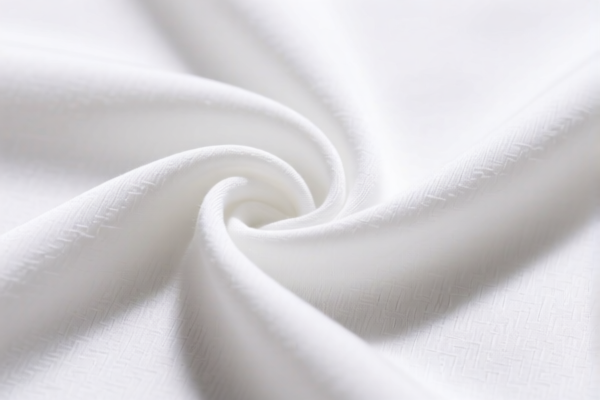
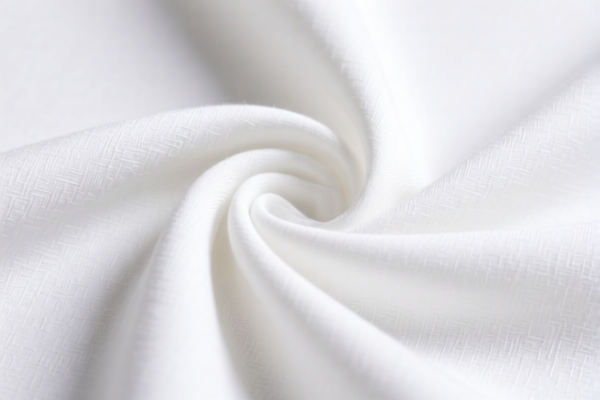
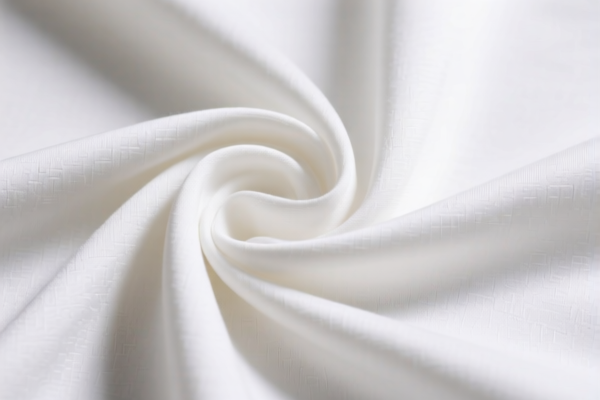

AI Analysis
👕 Bleached Fabric (>170g/m²): HS Code Classification & US Customs Clearance Guide
🌐 HS Code Reference & Customs Clearance Guide | 2026 Latest Tariff Analysis | Professional Compliance Strategy
📌 I. Product Definition: What is "Bleached Fabric Over 170g/m²"?
In international textile trade, "Bleached Fabric" refers to woven fabrics that have undergone chemical bleaching to achieve a white or off-white color. The specific threshold of "Over 170g/m²" (grams per square meter) is a critical classification boundary that determines both the HS Code and the applicable tariff rates, particularly for imports into the United States from China.
This category primarily includes: * Woven Fabrics: Made from yarns (cotton, polyester, or blends). * Weight Class: Heavyweight textiles (e.g., denim, heavy canvas, thick shirts, workwear materials). * Condition: Must be bleached (white/off-white). If dyed or printed, different codes apply.
⚠️ Key Distinction:
- Cotton vs. Synthetic: The material composition (Cotton vs. Polyester/Other Synthetic Fibers) is the primary determinant for HS Code selection.
- Weight Threshold: Fabrics ≤170g/m² often fall into different subheadings (e.g., 5208.22 vs. 5208.32 for cotton). Since your query specifies >170g/m², we focus on codes matching this weight range.
📦 II. HS Code Classification Matrix (2026 Latest Tariff Alignment)
Based on the provided data, here are the four most likely HS Codes for bleached fabrics over 170g/m², categorized by material:
| HS Code | Product Description | Material Type | Weight Logic | Total Tax Rate |
|---|---|---|---|---|
| 5208.22.60.40 | Bleached Woven Cotton Fabric | Cotton | 100-200 g/m² | 43.7% |
| 5208.22.40.40 | Bleached Woven Cotton Fabric | Cotton | ≤200 g/m² (Inferred >100g) | 43.4% |
| 5407.61.99.15 | Bleached Woven Fabric | Polyester Staple/Synthetic | >170 g/m² | 49.9% |
| 5407.41.00.60 | Bleached Woven Fabric | Other Synthetic Filament | >170 g/m² | 48.6% |
🔍 Critical Note:
- Cotton Fabrics (5208.22.xxxx): Typically used for shirts, dresses, and light apparel. The weight range 100-200g/m² covers most standard heavy-weight cotton bleached fabrics.
- Synthetic Fabrics (5407.41/61.xxxx): Typically used for uniforms, outdoor gear, or technical textiles. Polyester and other synthetics face higher base tariffs.
💰 III. 2026 US Tariff Breakdown (Including Section 301 & Section 122)
✅ Applicable Country: United States (US)
✅ Origin: China (CN)
✅ Effective Time: Current rates apply (Note: Section 122 and 301 tariffs are currently active)
🎯 1. 5208.22.60.40 & 5208.22.40.40 — Bleached Cotton Fabrics
| Item | Detail |
|---|---|
| Base Duty Rate | 8.7% (for .60.40) / 8.4% (for .40.40) |
| Section 301 Add-on | +25.0% |
| Section 122 Add-on | +10.0% |
| Total Effective Rate | 43.7% (for .60.40) 43.4% (for .40.40) |
| Calculation Basis | CIF Value × Total Rate |
| De Minimis Exemption | ❌ Not Eligible (Section 122 and 301 tariffs void the $800 de minimis exemption) |
| Legal Authority | USITC:5208.22.xxxx → Footnote:301 → Footnote:122 |
📌 Explanation:
- Base Rate: Standard MFN (Most Favored Nation) rate for bleached cotton woven fabric.
- Section 301 (25%): Retaliatory tariffs on Chinese goods under U.S. Trade Law Section 301.
- Section 122 (10%): Additional 10% duty on imports from China under Section 122 of the Trade Act of 1974.
- Total: ~43.4-43.7%. This is a high-cost category for US importers.
🎯 2. 5407.61.99.15 & 5407.41.00.60 — Bleached Synthetic Fabrics
| Item | Detail |
|---|---|
| Base Duty Rate | 14.9% (for Polyester) / 13.6% (for Other Synthetics) |
| Section 301 Add-on | +25.0% |
| Section 122 Add-on | +10.0% |
| Total Effective Rate | 49.9% (for 5407.61.99.15) 48.6% (for 5407.41.00.60) |
| Calculation Basis | CIF Value × Total Rate |
| De Minimis Exemption | ❌ Not Eligible |
| Legal Authority | USITC:5407.xxxx → Footnote:301 → Footnote:122 |
📌 Explanation:
- Higher Base Rate: Synthetic fibers (polyester, nylon, etc.) generally have higher base tariffs than cotton.
- Total Impact: These rates are among the highest for textile imports from China, significantly impacting profitability.
🛠️ IV. Customs Clearance Practical Advice (Avoid Pitfalls)
✅ 1. Documentation Checklist (Mandatory)
| Document | Required? | Notes |
|---|---|---|
| ✅ Commercial Invoice | ✔️ | Must specify "Bleached Woven Fabric," Material (Cotton/Polyester), and Weight (g/m²). |
| ✅ Packing List | ✔️ | Detail rolls, weight, and dimensions. |
| ✅ Certificate of Origin | ✔️ | Prove origin as China (triggers 301/122 tariffs). |
| ✅ Textile Agreement Form | ✔️ | US CBP requires specific textile declarations. |
| ✅ Fabric Test Report | ✔️ | Prove weight (g/m²) and composition (e.g., 100% Cotton vs. 65% Polyester/35% Cotton). |
✅ 2. Declaration Tips (Key Mnemonics)
🔥 "Weight Defines, Material Classifies, Tariffs Punish!"
| Scenario | Correct HS Code | Incorrect Action | Consequence |
|---|---|---|---|
| Cotton, 150g/m², Bleached | 5208.22.60.40 |
Declare as "Clothing" | Misclassification → Penalties |
| Polyester, 180g/m², Bleached | 5407.61.99.15 |
Declare as "Cotton" | Audit → Back Taxes + Fines |
| Dyed Fabric (Not Bleached) | Different Code | Declare as "Bleached" | Highest Penalty Risk |
| Knitted Fabric | Different Code (5209/5407 Knits) | Declare as "Woven" | Rejection → Return Shipment |
✅ 3. Special Cases & Mitigation
| Situation | Handling Strategy |
|---|---|
| Blended Fabrics | If >50% Polyester → Use 5407 codes. If >50% Cotton → Use 5208 codes. |
| Small Shipments (<$800) | ❌ No De Minimis Exemption for Section 122/301 goods. Tariffs apply regardless of value. |
| Pre-Existing Inventory | Check if goods were entered before tariff effective dates to claim prior rates. |
| Supplier Verification | Ensure supplier’s fabric weight certificate matches your declaration. Discrepancies lead to delays. |
🌍 V. Global Market Comparison (2026 Overview)
| Country | Recommended HS Code | Base Tariff | Additional Tariffs (China) | Total Estimate | Notes |
|---|---|---|---|---|---|
| 🇺🇸 USA | 5208.22.60.40 (Cotton) / 5407.61.99.15 (Poly) | 8.4-14.9% | +25% (301) +10% (122) | 43.4-49.9% | Highest cost due to multiple add-ons. |
| 🇨🇳 China | 5208.22.60 / 5407.61.99 | ~8-10% | None | ~10% | Import into China is cheaper. |
| 🇪🇺 EU | 5208.22.60 / 5407.61.99 | 12% | None (General) | 12% | No 301/122 equivalents. |
| 🇬🇧 UK | 5208.22.60 / 5407.61.99 | 12% | None (General) | 12% | Post-Brexit rates align with EU. |
| 🇻🇳 Vietnam | 5208.22.60 / 5407.61.99 | 0-5% | None | 0-5% | Transshipment risk; ensure substantial transformation. |
📌 Conclusion:
- USA is the most expensive market for bleached fabrics from China due to the combination of Section 301 (25%) and Section 122 (10%) tariffs.
- EU/UK/Asia offer significantly lower tariff burdens (~12% or less).
📌 VI. Common Mistakes & Pitfalls (Lessons Learned)
❌ Mistake 1: Assuming "De Minimis" ($800 exemption) applies to fabrics.
👉 Reality: Section 122 and 301 tariffs explicitly exclude de minimis exemptions. Even small shipments pay full duty.
❌ Mistake 2: Confusing "Bleached" with "White."
👉 Reality: Bleaching is a chemical process. If fabric is white due to dyeing, it’s not "bleached." Misdeclaration leads to penalties.
❌ Mistake 3: Ignoring Weight Thresholds.
👉 Reality: A shift from 160g/m² to 171g/m² can change the HS Code subheading, affecting duty rates. Ensure accurate lab tests.
❌ Mistake 4: Declaring "Synthetic" when it’s "Cotton Blend."
👉 Reality: If cotton content >50%, it must be declared under 5208 (Cotton), not 5407 (Synthetic). Wrong code = False Declaration.
✅ Correct Practice:
"Bleached Woven Cotton Fabric, 150g/m², 100% Cotton, Roll Pack, Certificate of Origin: China"
🎯 VII. Conclusion: Precision is Profit
🎯 Key Takeaways:
1. Identify Material: Cotton (5208) vs. Synthetic (5407).
2. Verify Weight: >170g/m² triggers specific subheadings.
3. Calculate Total Duty: Base Rate + 25% (301) + 10% (122) = ~43-50%.
4. No De Minimis: Small shipments are not exempt.
📢 Immediate Action:
- Request fabric composition and weight certificates from suppliers.
- Use HS Code Pre-Rulings from US CBP if uncertain.
- Consider supply chain diversification (e.g., Vietnam, India) to mitigate US tariff risks.
✨ Professional Clearance, Start with Accurate Classification!
💼 Every Percent of Duty Saved is Pure Profit!
Customer Reviews
About HS Code Classification
The Harmonized System (HS) is an internationally standardized nomenclature developed by the World Customs Organization (WCO) to classify traded products. Over 200 countries use the HS system as the basis for customs tariffs, trade statistics, and import/export regulations.
Each HS code follows a hierarchical structure:
- Chapter (2 digits) — Broad category of goods (e.g., Chapter 84: Machinery and Mechanical Appliances)
- Heading (4 digits) — More specific grouping within the chapter
- Subheading (6 digits) — Internationally standardized breakdown, used by all WCO member countries
- National subdivisions (8-10 digits) — Country-specific extensions for further classification, such as US HTSUS 10-digit codes
Correct HS code classification is essential for smooth customs clearance, accurate duty payment, and compliance with trade regulations. Misclassification can lead to customs delays, overpayment of duties, or penalties.
When importing from CN to US, the applicable tariff rates may include:
- Most-Favored-Nation (MFN) rate — The standard duty rate applied to WTO members
- General rate — Applied to countries without trade agreements
- Trade remedy duties — Additional tariffs such as Section 301 (anti-dumping), Section 232 (national security), or countervailing duties
The information provided on this page is for reference purposes only. For official classification, please consult with your local customs authority or a licensed customs broker.