bleached plain osnaburg fabric
CN → US| HS Code | Tariff Rate | Origin | Destination | Doc |
|---|---|---|---|---|
| 5209210025 | 42.7% | CN | US | Official Doc |
| 5210214040 | 43.1% | CN | US | Official Doc |
| 5210216040 | 46.4% | CN | US | Official Doc |
| 5208212040 | 43.4% | CN | US | Official Doc |
| 5208224040 | 43.4% | CN | US | Official Doc |
Product Images
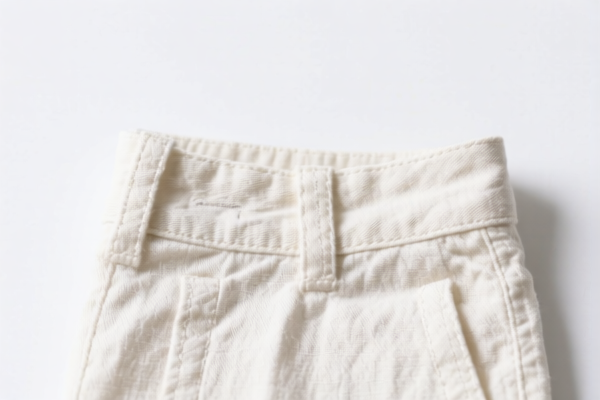
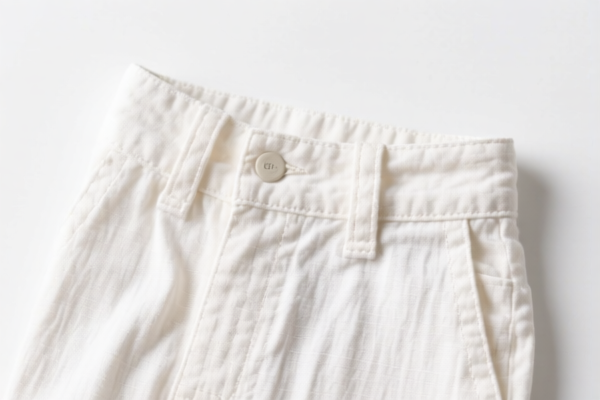
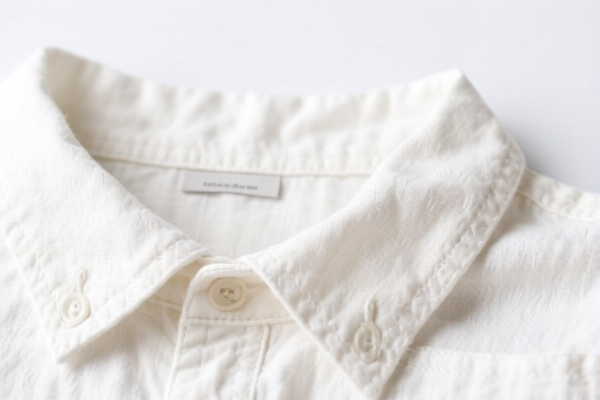
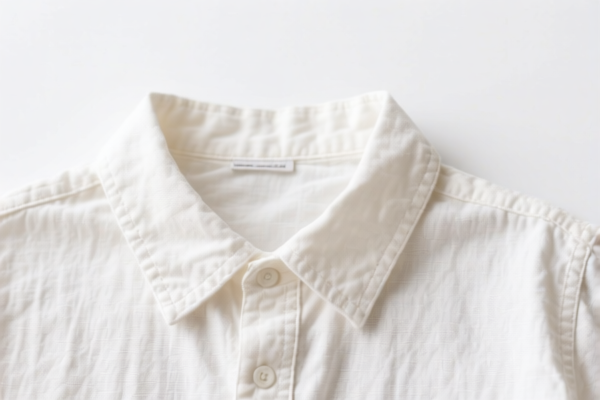
AI Analysis
🧵 Bleached Plain Osnaburg Fabric
🌐 HS Code Reference & Clearance Guide | 2026 Latest Tariff Analysis | Professional Customs Strategy
📌 Part 1: Product Definition & Classification: Do You Truly Understand "Bleached Plain Osnaburg"?
Bleached Plain Osnaburg Fabric is a robust, coarse-weave cotton fabric, traditionally used for workwear, home textiles, and industrial applications. In international trade, its classification depends heavily on the exact fiber composition and weave density.
Although often colloquially referred to as "cotton fabric," Osnaburg can be made from 100% cotton or cotton blends. The term "Bleached" indicates a chemical treatment process, and "Plain" refers to the simplest interlacing pattern of warp and weft threads.
⚠️ Critical Distinction Point:
- If the fabric is 100% Cotton → It falls under Chapter 52, Heading 5208 (Woven fabrics of cotton, weighing ≤200g/m²).
- If the fabric is Cotton mixed with man-made fibers (e.g., polyester, viscose) → It falls under Chapter 52, Heading 5210 (Woven fabrics of cotton containing <85% by weight of cotton, mixed principally or solely with man-made fibers).
📦 Part 2: HS Code Classification Details (2026 Latest Tariff Authority Comparison)
Based on the provided data, here are the specific HS Codes for Bleached Plain Osnaburg Fabric, categorized by fiber content and weight/structure nuances.
| HS Code | Product Description | Key Characteristics | Total Tax Rate |
|---|---|---|---|
5209.21.00.25 |
Bleached plain Osnaburg, 100% Cotton, plain weave | Pure cotton, standard Osnaburg weave | 42.7% |
5210.21.40.40 |
Bleached plain Osnaburg, Cotton/Man-Made Fiber Blend, plain weave | Mixed fibers, plain structure | 43.1% |
5210.21.60.40 |
Bleached plain Osnaburg, Cotton Blend, plain weave | High cotton content blend, plain weave | 46.4% |
5208.21.20.40 |
Bleached plain Osnaburg, 100% Cotton, plain weave | Woven cotton fabric, plain structure | 43.4% |
5208.22.40.40 |
Bleached plain Osnaburg, 100% Cotton, plain weave | Woven cotton, Muslin (fine plain weave) form | 43.4% |
🔍 Key Observation:
- 100% Cotton (5208/5209): Generally attracts a slightly lower base tariff compared to blends, but the total tax remains high due to附加 taxes.
- Blends (5210): Base tariffs vary based on specific blend ratios and fabric weight, leading to a wider range of total taxes (43.1% – 46.4%).
💰 Part 3: 2026 Latest Tariff Rate Breakdown (Including Surcharges & Policy Add-ons)
✅ Applicable Country: United States (US)
✅ Origin: China (CN)
✅ Effective Date: From November 10, 2025 (including subsequent imports)
🎯 1. 5209.21.00.25 – Bleached Plain Osnaburg, 100% Cotton
| Item | Content |
|---|---|
| Base Tariff | 7.7% (ad valorem) |
| Section 301 Surcharge | +25.0% |
| Section 122 Tariff | +10.0% |
| Total Tax Rate | 42.7% |
| Tax Calculation | CIF Value × 42.7% |
| De Minimis Exemption? | ❌ Not Eligible |
| Legal Basis Path | USITC:5209.21.00.25 → Section 301 Footnote → Section 122 |
📌 Explanation:
- Base Tariff (7.7%): Standard MFN rate for woven cotton fabrics of this type.
- Section 301 (25%): Retaliatory tariffs imposed on Chinese goods under Trade Act of 1974.
- Section 122 (10%): Additional tariff specifically targeting certain textile imports from China.
- Total 42.7%: A very high effective duty rate. Must be factored into cost pricing.
🎯 2. 5210.21.40.40 – Bleached Plain Osnaburg, Cotton/Man-Made Blend
| Item | Content |
|---|---|
| Base Tariff | 8.1% |
| Section 301 Surcharge | +25.0% |
| Section 122 Tariff | +10.0% |
| Total Tax Rate | 43.1% |
| Tax Calculation | CIF Value × 43.1% |
| De Minimis Exemption? | ❌ Not Eligible |
| Legal Basis Path | USITC:5210.21.40.40 → Section 301 Footnote → Section 122 |
📌 Note:
- Slightly higher base tariff (8.1% vs 7.7%) due to mixed fiber classification.
- Same surcharges apply. Total tax is 43.1%.
🎯 3. 5210.21.60.40 – Bleached Plain Osnaburg, Cotton Blend (Higher Weight/Specific Type)
| Item | Content |
|---|---|
| Base Tariff | 11.4% |
| Section 301 Surcharge | +25.0% |
| Section 122 Tariff | +10.0% |
| Total Tax Rate | 46.4% |
| Tax Calculation | CIF Value × 46.4% |
| De Minimis Exemption? | ❌ Not Eligible |
| Legal Basis Path | USITC:5210.21.60.40 → Section 301 Footnote → Section 122 |
📌 Warning:
- This code carries the highest base tariff (11.4%), resulting in the highest total duty of 46.4%.
- Ensure your product truly fits this subheading to avoid overpayment. If it can be classified under5210.21.40.40, you save 3.3%.
🎯 4. & 5. 5208.21.20.40 & 5208.22.40.40 – Bleached Plain Osnaburg, 100% Cotton
| Item | Content |
|---|---|
| Base Tariff | 8.4% |
| Section 301 Surcharge | +25.0% |
| Section 122 Tariff | +10.0% |
| Total Tax Rate | 43.4% |
| Tax Calculation | CIF Value × 43.4% |
| De Minimis Exemption? | ❌ Not Eligible |
| Legal Basis Path | USITC:5208.21.20.40 / 5208.22.40.40 → Section 301 Footnote → Section 122 |
📌 Distinction:
- 5208.21.20.40: General plain weave cotton.
- 5208.22.40.40: Specifically classified as "Muslin" form (finer plain weave).
- Both have a base tariff of 8.4%, slightly higher than5209.21.00.25(7.7%), but both fall under the same surcharges.
- Total Tax: 43.4%.
🛠️ Part 4: Clearance Practical Advice (Avoiding Pitfalls)
✅ 1. Document Preparation Checklist (Mandatory)
| Document | Required | Notes |
|---|---|---|
| ✅ Product Specification Sheet | ✔️ | Must detail: Fiber content (% Cotton vs. % Man-made), Weight (g/m²), Weave type (Plain), Treatment (Bleached). |
| ✅ Lab Test Report | ✔️ | Third-party verification of fiber composition is critical to distinguish between 100% Cotton (5208/5209) and Blends (5210). |
| ✅ Commercial Invoice | ✔️ | Clearly state "Bleached Plain Osnaburg Fabric". Do not use vague terms like "Cotton Cloth". |
| ✅ Packing List | ✔️ | Include roll dimensions and weight. |
| ✅ Certificate of Origin | ✔️ | Required to confirm Chinese origin for surcharge application. |
✅ 2. Classification Tips (Key Mantra)
🔥 "Fiber Content Dictates Code, Bleach Doesn't Change Chapter!"
| Scenario | Correct HS Code | Incorrect Code | Consequence |
|---|---|---|---|
| 100% Cotton, Plain Weave | 5209.21.00.25 or 5208.21.20.40 |
5210... |
Overpaying if misclassified as blend. |
| Cotton/Poly Blend | 5210.21.40.40 |
5209... |
Under-declaration → Penalties & Back Taxes. |
| Heavy Blend Fabric | 5210.21.60.40 |
5210.21.40.40 |
Paying 46.4% instead of 43.1% unnecessarily. |
| Muslin Form (Fine Weave) | 5208.22.40.40 |
5208.21.20.40 |
Minor rate difference, but accuracy is key. |
📌 Actionable Advice:
- Always provide fiber analysis reports from accredited labs (e.g., SGS, BV, Intertek) with your customs declaration.
- If the fabric is a blend, specify the exact percentage of cotton vs. man-made fibers to ensure the correct subheading is selected.
✅ 3. Special Cases
| Situation | Handling Advice |
|---|---|
| OEM Custom Weave | Provide design specs to prove it meets "Osnaburg" definition (coarse, plain weave). |
| Mixed Shipment (Cotton & Blend) | Separate entries required. Do not mix codes in one line item. |
| Small Quantity Samples | Still subject to 42.7%–46.4% duties. No de minimis exemption for textile surcharges. |
| Re-export from Third Country | If transshipped, ensure Certificate of Origin still proves Chinese origin to apply correct (high) rates. |
🌍 Part 5: Global Market Comparison (2026 Update)
| Country/Region | Recommended HS Code | Approx. Duty (China Origin) | Key Requirements | Notes |
|---|---|---|---|---|
| 🇺🇸 USA | 5209.21.00.25 etc. |
42.7% – 46.4% | Lab Report, CO | High tariffs due to Sec 301 & 122. |
| 🇨🇳 China | 5209.21.00.00 |
7.7% | Standard Customs Decl. | Import duties are base rate only. |
| 🇪🇺 EU | 5208.31.00 (approx) |
12% (if >85% cotton) | CE (if end-use), CO | No Sec 301/122. Lower rates. |
| 🇬🇧 UK | 5208.31.00 |
12% | UK CA, CO | Post-Brexit, similar to EU. |
| 🇯🇵 Japan | 5208.31.00 |
7.5% | CO | Generally favorable textile tariffs. |
📌 Conclusion:
- The USA is the most expensive market for Bleached Plain Osnaburg Fabric due to additional surcharges.
- For other markets, the duty burden is significantly lower. Consider supply chain diversification if targeting the US market long-term.
📌 Part 6: Common Mistakes & Pitfalls (Lessons Learned)
❌ Mistake 1: Misclassifying Cotton Blend as 100% Cotton
👉 Consequence: Underpayment of base tariff. CBP may audit, leading to back taxes + interest.
❌ Mistake 2: Failing to declare Bleached Treatment
👉 Consequence: If the HS code is sensitive to dyeing/bleaching, vague descriptions can lead to customs holds.
❌ Mistake 3: Ignoring Section 122
👉 Consequence: Some brokers forget to add the extra 10%. This is a direct financial loss if not accounted for in pricing.
❌ Mistake 4: Using "Muslin" for Heavy Osnaburg
👉 Consequence: Muslin (5208.22.40.40) is a finer weave. Misclassification can lead to classification disputes.
✅ Correct Approach:
"Bleached Plain Osnaburg Fabric, 100% Cotton, Plain Weave, 120gsm, Certified by SGS."
🎯 Part 7: Conclusion: Precision Classification, Cost Efficiency!
🎯 Remember the Mantra:
🔹 "Fiber % is King, Bleach is Secondary, Sec 301 & 122 Double Punch!"
🔹 "HS Code determines tax, 42%+ is the US Reality, Accuracy saves Dollars!"
📌 Pro Tip:
- If you are importing into the USA, ensure your customs broker is experienced in Section 122 and Section 301 textile classifications.
- Consider applying for a Pre-Decision Ruling (Advance Ruling) from CBP if your product is borderline between 5208 and 5210.
- For high-volume imports, explore if any FTZ (Foreign Trade Zone) benefits apply, though surcharges usually remain.
📣 Immediate Action:
📞 Contact a licensed customs broker + Provide Lab Reports + Verify Fiber Content
🚀 Ensure Smooth Clearance, Avoid Delays, and Manage Costs Effectively!
✨ Professional Clearance, Starting with Accurate Classification!
💼 Every Percent of Duty Counts in Today’s Trade Environment!
Customer Reviews
About HS Code Classification
The Harmonized System (HS) is an internationally standardized nomenclature developed by the World Customs Organization (WCO) to classify traded products. Over 200 countries use the HS system as the basis for customs tariffs, trade statistics, and import/export regulations.
Each HS code follows a hierarchical structure:
- Chapter (2 digits) — Broad category of goods (e.g., Chapter 84: Machinery and Mechanical Appliances)
- Heading (4 digits) — More specific grouping within the chapter
- Subheading (6 digits) — Internationally standardized breakdown, used by all WCO member countries
- National subdivisions (8-10 digits) — Country-specific extensions for further classification, such as US HTSUS 10-digit codes
Correct HS code classification is essential for smooth customs clearance, accurate duty payment, and compliance with trade regulations. Misclassification can lead to customs delays, overpayment of duties, or penalties.
When importing from CN to US, the applicable tariff rates may include:
- Most-Favored-Nation (MFN) rate — The standard duty rate applied to WTO members
- General rate — Applied to countries without trade agreements
- Trade remedy duties — Additional tariffs such as Section 301 (anti-dumping), Section 232 (national security), or countervailing duties
The information provided on this page is for reference purposes only. For official classification, please consult with your local customs authority or a licensed customs broker.