blender mixer
CN → US| HS Code | Tariff Rate | Origin | Destination | Doc |
|---|---|---|---|---|
| 8509400015 | 14.2% | CN | US | Official Doc |
| 8509400025 | 14.2% | CN | US | Official Doc |
| 8438800000 | 35.0% | CN | US | Official Doc |
| 8438909090 | 37.8% | CN | US | Official Doc |
| 8479820040 | 35.0% | CN | US | Official Doc |
| 8479820080 | 35.0% | CN | US | Official Doc |
Product Images
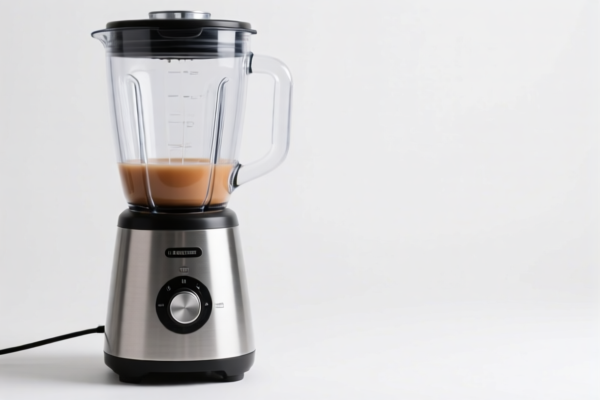
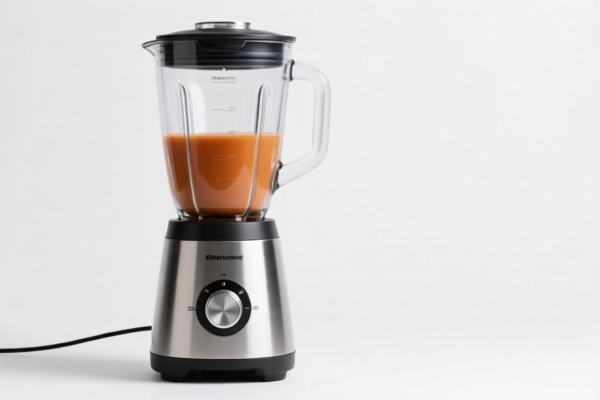
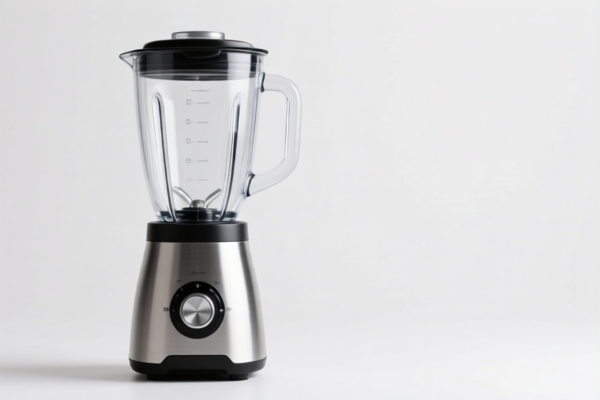
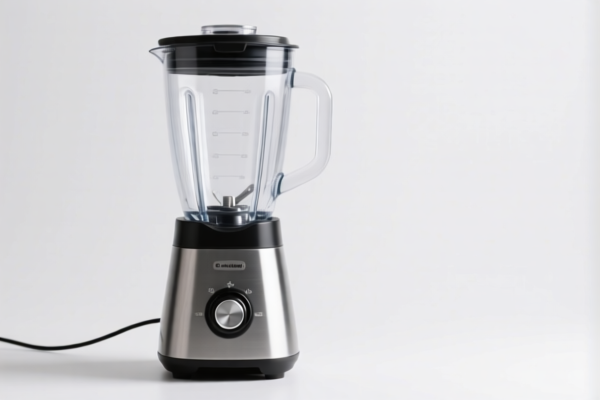
AI Analysis
🥣 Blenders & Mixers (Domestic & Industrial)
🌐 HS Code Reference & Customs Clearance Guide | 2024 Tax Rate Full Analysis | Professional Entry Strategy
📌 I. Product Definition & Classification: Do You Really Understand "Blenders"?
Blenders and mixers are categorized differently based on usage (Household vs. Industrial) and structure (Complete Machine vs. Parts). In international trade, the distinction is critical because the tariff rates vary significantly.
Household Blenders (Electric):
Finished appliances designed for home use, typically including a motor, base, and container.
Industrial Mixing/Mechanical Equipment:
Machinery used for food/beverage preparation in commercial or industrial settings. This includes large-scale mixers, kneaders, and related parts.
⚠️ Key Distinction Point:
- If it is a small electric appliance for home use (e.g., kitchen counter blender) → Classified under 8509.
- If it is a mechanical device for food/drink processing (industrial scale) → Classified under 8438 or 8479.
- If it is a part of such machinery → Classified under the respective parts code.
📦 II. HS Code Classification Details (Official Tariff Data from )
Based on the provided data, here is the precise breakdown for Blenders and Mixers:
| HS Code | Product Summary | Applicable Scenario | Key Feature |
|---|---|---|---|
8509.40.00.15 |
Household Blender with Electric Motor | Home kitchens, small retail | ✅ Domestic Use, Electric |
8509.40.00.25 |
Food Blender, No Material Conflict | Home kitchens, small retail | ✅ Domestic Use, Electric |
8438.80.00.00 |
Industrial Machinery for Food/Drink Prep | Factories, Commercial Kitchens | ✅ Industrial/Commercial |
8438.90.90.90 |
Parts/Accessories for Food/Drink Machinery | Replacement parts, components | ✅ Parts Only |
8479.82.00.40 |
Mixing, Kneading, or Stirring Machine | Industrial processing lines | ✅ Mechanical Mixing/Kneading |
8479.82.00.80 |
Machine with Stirring Function (Mixing/Kneading/Crushing) | Specialized industrial processing | ✅ Multi-function Industrial |
🔍 Important Reminder:
- Domestic vs. Industrial: Code8509is strictly for household electric appliances. Code8438/8479is for industrial/commercial mechanical equipment.
- Parts vs. Whole: Code8438.90is only for parts. Do not use this for a complete machine.
💰 III. 2024/2026 Latest Tariff Rate Analysis (Including Surtaxes & Policies)
✅ Applicable Country: United States (US)
✅ Origin: China (CN)
✅ Note: Rates include Base Tariff + Section 301 Surtax + Section 122 Tariff.
🎯 1. 8509.40.00.15 & 8509.40.00.25 —— Household Blenders (Electric)
| Item | Content |
|---|---|
| Base Tariff | 4.2% (Ad Valorem) |
| Section 301 Surtax | 0.0% |
| Section 122 Tariff | 10.0% |
| Total Tax Rate | 14.2% |
| Tax Calculation | CIF Value × 14.2% |
| De Minimis Eligibility | ❌ Check specific carrier rules, but generally high value shipments are scrutinized. |
| Legal Basis Path | Base Tariff → Section 122 (301 List 4B or similar) |
📌 Explanation:
- Household blenders have a moderate tariff burden.
- The 10% Section 122 tariff is applied on top of the 4.2% base rate.
- Total Effective Rate: 14.2%. This is relatively competitive compared to industrial machinery.
🎯 2. 8438.80.00.00 —— Industrial Food/Drink Prep Machinery
| Item | Content |
|---|---|
| Base Tariff | 0.0% |
| Section 301 Surtax | 25.0% |
| Section 122 Tariff | 10.0% |
| Total Tax Rate | 35.0% |
| Tax Calculation | CIF Value × 35.0% |
| De Minimis Eligibility | ❌ None |
| Legal Basis Path | Base Tariff (0%) → Section 301 (25%) → Section 122 (10%) |
📌 Explanation:
- Although the Base Tariff is 0%, the heavy Section 301 surcharge (25%) and Section 122 (10%) drive the total to 35%.
- This makes industrial machinery exports significantly more expensive.
🎯 3. 8438.90.90.90 —— Parts for Food/Drink Machinery
| Item | Content |
|---|---|
| Base Tariff | 2.8% |
| Section 301 Surtax | 25.0% |
| Section 122 Tariff | 10.0% |
| Total Tax Rate | 37.8% |
| Tax Calculation | CIF Value × 37.8% |
| De Minimis Eligibility | ❌ None |
| Legal Basis Path | Base Tariff → Section 301 (25%) → Section 122 (10%) |
📌 Explanation:
- Parts are taxed at 37.8%, which is the highest rate in this list.
- Warning: Never classify a complete machine as "parts" to try to save money; customs will penalize misclassification.
🎯 4. 8479.82.00.40 & 8479.82.00.80 —— Mixing/Kneading/Stirring Machines
| Item | Content |
|---|---|
| Base Tariff | 0.0% |
| Section 301 Surtax | 25.0% |
| Section 122 Tariff | 10.0% |
| Total Tax Rate | 35.0% |
| Tax Calculation | CIF Value × 35.0% |
| De Minimis Eligibility | ❌ None |
| Legal Basis Path | Base Tariff (0%) → Section 301 (25%) → Section 122 (10%) |
📌 Explanation:
- Like8438.80, these industrial mixing machines face a 35% total tariff.
- Code8479.82.00.80covers machines with multi-functions (stirring, kneading, crushing). Ensure the description matches exactly.
🛠️ IV. Customs Clearance Practical Advice (Real-World Pitfall Avoidance)
✅ 1. Preparation Checklist (Must-Have Documents)
| Document | Required | Note |
|---|---|---|
| ✅ Product Specification Sheet | ✔️ | Must state: Voltage, Power, Motor Type, Capacity, Intended Use (Home vs. Industrial). |
| ✅ Product Photos | ✔️ | Clear images of the label, motor, and overall structure. |
| ✅ Commercial Invoice | ✔️ | Clearly state "Electric Household Blender" or "Industrial Food Mixer". Avoid vague terms like "Kitchen Tool". |
| ✅ Packing List | ✔️ | Itemize parts if shipping accessories separately. |
| ✅ Certifications | ✔️ | UL/ETL (for US), CE, FDA (if food contact parts). |
✅ 2. Declaration Tips (Key Mantras)
🔥 “Home Use is 8509, Industry is 8438/8479. Don’t Mix Them Up!”
| Scenario | Correct Declaration | Incorrect Action | Consequence |
|---|---|---|---|
| Home Blender | 8509.40.00.15 / .25 |
Declare as 8438 (Industrial) |
Under-declared tariff risk, but usually fine if rate is lower. |
| Home Blender | 8509.40.00.15 / .25 |
Declare as "Kitchen Appliance" (Vague) | Customs may reclassify, causing delay. |
| Industrial Mixer | 8438.80.00.00 |
Declare as 8509 (Home) |
Severe Penalty. Over-declaring origin/use. Rate jumps from 14.2% to 35%. |
| Mixer Parts | 8438.90.90.90 |
Declare as "Complete Machine" | Severe Penalty. Rate jumps from 37.8% (parts) to 35% (machine)? No, wait... Actually, declaring parts as machine might avoid the specific parts duty but risks false declaration. Better to stick to actual nature. |
✅ 3. Special Situation Handling
| Situation | Handling Advice |
|---|---|
| OEM for US Brand | Ensure the invoice states the US brand owner if applicable, but origin must still be China. |
| "Food Grade" Materials | Provide FDA compliance documents for parts touching food. |
| Mixed Shipments | If a container has both blenders (8509) and industrial mixers (8438), split the invoice. Do not lump them under one HS Code. |
| Used Equipment | Prohibited or Restricted. Used food machinery often faces stricter sanitary inspections. Declare as "New" if it is refurbished but not truly used? NO. Must declare accurately. |
🌍 V. Global Market Comparison (2026 Latest)
| Country/Region | Recommended HS Code | Tariff (China Origin) | Certification | Note |
|---|---|---|---|---|
| 🇺🇸 USA | 8509.40.00.15 (Home)8438.80.00.00 (Ind.) |
14.2% (Home) 35.0% (Ind.) |
UL/ETL, FDA | High scrutiny on "Home" vs "Industrial". |
| 🇨🇳 China | 8509.40.008438.80 |
4.2% - 10% | CCC | Lower tariffs, easier entry. |
| 🇪🇺 EU | 8509.408438.80 |
4.0% - 6.5% | CE, RoHS | No Section 301/122 equivalents. |
| 🇬🇧 UK | 8509.408438.80 |
4.0% - 6.5% | UKCA | Post-Brexit rules. |
📌 Conclusion:
- USA is the most challenging market due to Section 301 and Section 122 tariffs.
- Industrial machinery faces much higher effective tariffs (35-37.8%) than household appliances (14.2%).
- Cost Optimization: If possible, market high-volume mixers as "Home Use" (if technically feasible) to save ~20% in duties. However, this must be accurate to avoid fraud.
📌 VI. Common Mistakes & Pitfalls (Blood & Tears Lessons)
❌ Mistake 1: Declaring an Industrial Mixer as a Household Blender
👉 Consequence: Customs inspection reveals industrial size/power. Fine + Back Duties (23.8% difference) + Delays.
❌ Mistake 2: Declaring Parts (e.g., blades, gears) as Complete Machines
👉 Consequence: If parts are shipped separately, declaring as "machine" is false. If shipped together, declare as "Machine + Parts".
❌ Mistake 3: Ignoring Section 122 Tariff (10%)
👉 Consequence: Many brokers only quote Base + 301. The 10% Section 122 is a recent addition for certain Chinese goods. Total cost is higher than expected.
✅ Correct Practice:
"Electric Household Blender, 500W, 1.5L, Model XYZ, UL Listed, Made in China"
HS Code:8509.40.00.15
Total Rate: 14.2%"Industrial Dough Kneading Machine, 500L, Model ABC, 3-Phase Power, Made in China"
HS Code:8479.82.00.40
Total Rate: 35.0%
🎯 VII. Conclusion: Professional Declaration Saves Money!
🎯 Remember the Mantra:
🔹 "Home Use 14.2%, Industrial 35%, Parts 37.8%."
🔹 "Accurate Description, Accurate HS Code, Accurate Tax."
🔹 "Don't let 14% become 35% because of one letter!"
📌 Pro Tip:
If your product is borderline (e.g., a large commercial blender used in a small cafe), provide detailed photos and specs to your customs broker before shipping. Apply for an Advance Ruling if the value is high.
📣 Immediate Action:
📞 Contact your freight forwarder with the exact model number and voltage/power specs.
🚀 Clear your goods, save your margin, and avoid customs nightmares!
✨ Professional Customs Clearance Starts with Accurate Classification!
💼 Every cent counts, especially with US Tariffs!
Customer Reviews
About HS Code Classification
The Harmonized System (HS) is an internationally standardized nomenclature developed by the World Customs Organization (WCO) to classify traded products. Over 200 countries use the HS system as the basis for customs tariffs, trade statistics, and import/export regulations.
Each HS code follows a hierarchical structure:
- Chapter (2 digits) — Broad category of goods (e.g., Chapter 84: Machinery and Mechanical Appliances)
- Heading (4 digits) — More specific grouping within the chapter
- Subheading (6 digits) — Internationally standardized breakdown, used by all WCO member countries
- National subdivisions (8-10 digits) — Country-specific extensions for further classification, such as US HTSUS 10-digit codes
Correct HS code classification is essential for smooth customs clearance, accurate duty payment, and compliance with trade regulations. Misclassification can lead to customs delays, overpayment of duties, or penalties.
When importing from CN to US, the applicable tariff rates may include:
- Most-Favored-Nation (MFN) rate — The standard duty rate applied to WTO members
- General rate — Applied to countries without trade agreements
- Trade remedy duties — Additional tariffs such as Section 301 (anti-dumping), Section 232 (national security), or countervailing duties
The information provided on this page is for reference purposes only. For official classification, please consult with your local customs authority or a licensed customs broker.