blue scratch card
CN → US| HS Code | Tariff Rate | Origin | Destination | Doc |
|---|---|---|---|---|
| 852491 | 0.0% | CN | US | Official Doc |
| 482390 | 0.0% | CN | US | Official Doc |
Product Images
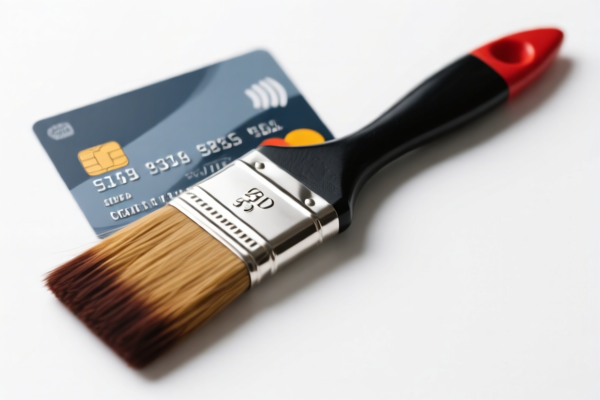
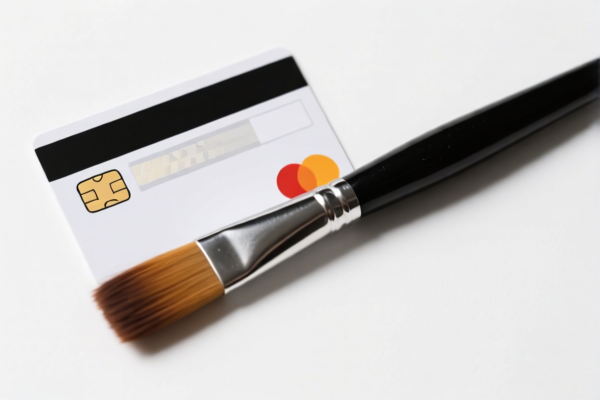
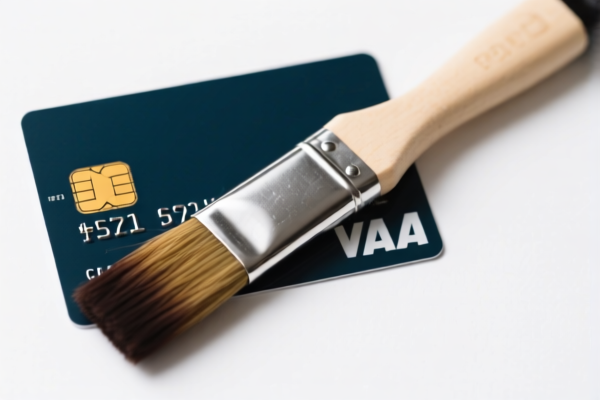
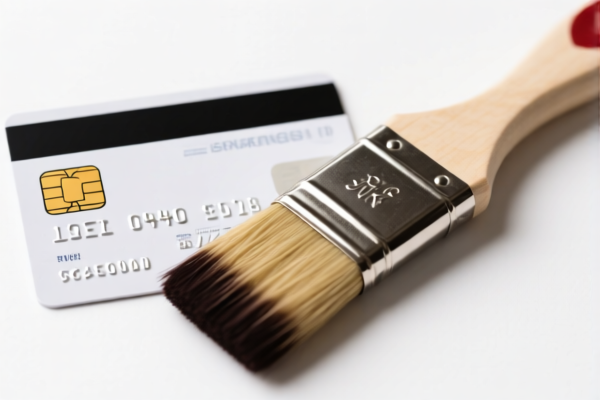
AI Analysis
🎫 Blue Scratch Cards (Promotional & Electronic Data Storage)
🌐 HS Code Reference & Customs Clearance Guide | 2026 Latest Tariff Analysis | Professional Compliance Strategy
📌 I. Product Definition & Classification: What Exactly Are "Blue Scratch Cards"?
"Blue Scratch Card" is a common commercial term, but in international trade, the HS Code classification depends entirely on the underlying material and function. They generally fall into two distinct categories:
- Promotional/Gaming Cards (Paper-based): Traditional lottery tickets, coupon vouchers, or instant-win cards used for marketing. Made from coated paper.
- Electronic Data Cards (Conductive): Smart cards or prepaid cards that store data electrically. These contain a conductive coating or chip and are used in electronic systems.
⚠️ Critical Distinction:
- If it is paper, thin, flexible, and used for manual scratch-off reveals (no electronics) → Likely 4823.90.
- If it contains conductive layers, chips, or is designed for electronic reading/stores data → Likely 8524.91.
📦 II. HS Code Classification Details (2026 Latest Tariff Authority Match)
Based on the provided data, here is the breakdown for "Blue Scratch Cards":
| HS Code | Product Description | Applicable Scenario | Key Characteristics |
|---|---|---|---|
8524.91 |
Electrically conductive scratch cards | Prepaid cards, gaming cards, data storage access | Made with a conductive coating, designed for use in electronic systems. |
4823.90 |
Paper-based scratch cards | Promotional offers, lottery tickets, temporary marketing | Made from coated paper, intended for temporary use with a scratch-off surface to reveal hidden info. |
🔍 Key Alert:
- Do not confuse material with function. A "blue" color does not determine the HS code.
- 8524.91 requires an electrical/electronic component or conductive layer for data/access.
- 4823.90 is strictly for paper products where the "scratch" is purely physical/material removal to reveal ink.
💰 III. Tax Rate Details for 2026 (Strictly Based on Provided Data)
✅ Data Source Constraint:
The provided dataset indicates that specific tax retrieval failed for both codes. Below is the exact status from the source data.
🎯 1. 8524.91 — Electrically Conductive Scratch Cards
| Item | Content |
|---|---|
| Description | Electrically conductive scratch cards used for data storage or access, typically made with a conductive coating and designed for use in electronic systems, such as prepaid cards or gaming cards. |
| Tax Detail | Failed to retrieve tax information |
| Total Tax | Error |
📌 Interpretation:
- The system could not pull live tax rates for this HS Code from the configured source.
- Action Required: This classification is often subject to Section 301 tariffs (if originating from China to the US) or standard electronic component duties in other regions. You must verify with a local customs broker as the "Error" status poses a clearance risk.
🎯 2. 4823.90 — Paper-Based Scratch Cards
| Item | Content |
|---|---|
| Description | Paper-based scratch cards with a scratch-off coating, used for promotional or gaming purposes, made from coated paper and intended for temporary use with a scratch-off surface to reveal hidden information. |
| Tax Detail | Failed to retrieve tax information |
| Total Tax | Error |
📌 Interpretation:
- Paper products generally have lower base duties than electronics, but promotional items may attract anti-dumping duties or specific luxury/marketing taxes in some jurisdictions.
- Like the electronic version, the "Error" status means no automatic tax confirmation is available in this dataset.
🛠️ IV. Customs Clearance Practical Advice (Pitfall Avoidance Guide)
✅ 1. Documentation Checklist (Non-negotiable)
| Document | Mandatory? | Explanation |
|---|---|---|
| ✅ Product Specification Sheet | ✔️ | Must clearly state: Material (Paper vs. Conductive Polymer/PVC), Function (Electronic vs. Physical), and Dimensions. |
| ✅ Photos of the Product | ✔️ | Show the "scratch-off" layer. If it looks like a circuit or has a chip, declare as 8524.91. |
| ✅ Commercial Invoice | ✔️ | Use precise descriptions: "Paper Lottery Cards" vs. "Conductive Data Access Cards". Avoid vague terms like "Blue Card". |
| ✅ Intended Use Statement | ✔️ | Is it for promotional giveaway (Paper) or financial/data transaction (Conductive)? |
✅ 2. Classification Strategy (Key Mantra)
🔥 “Electronics Go to 85, Paper Goes to 48. Color Is Irrelevant!”
| Scenario | Correct HS Code | Risk of Misclassification |
|---|---|---|
| Prepaid gift card with a magnetic stripe or chip | 8524.91 |
High. If declared as paper, customs may seize for "electronic device without proper declaration". |
| Lottery ticket given away in a mall | 4823.90 |
Medium. If declared as electronic, you may overpay duties or face unnecessary electronic compliance checks. |
| Smart card with embedded NFC chip | 8524.91 (or more specific subheading if available) |
High. This is definitely an electronic storage medium. |
✅ 3. Special Handling for "Blue" Cards
- Color is not a classifier: Customs systems do not use color (Blue) for HS codes. Ensure your invoice description does not rely on color alone.
- Conductive Ink: If the card uses conductive ink for the scratch area to complete a circuit (e.g., for e-gaming), it must be
8524.91. - Standard Ink: If it uses standard opaque paint over printed numbers, it is
4823.90.
🌍 V. Global Market Context (General Guidance)
| Region | Likely HS Code for Paper | Likely HS Code for Electronic | Note |
|---|---|---|---|
| 🇺🇸 USA | 4823.90 |
8524.91 |
Check Section 301 lists for both. Paper may have lower duties, but electronic cards often face higher scrutiny. |
| 🇪🇺 EU | 4823.90 |
8524.91 |
Electronic cards may require CE marking or WEEE compliance if considered waste/electronic. |
| 🇨🇳 China | 4823.90 |
8524.91 |
Export duties may apply depending on raw materials (e.g., PVC for electronic cards). |
📌 Conclusion:
- Paper Promotional Cards are generally easier to clear with lower tax complexity, but ensure they are not mislabeled as "electronic."
- Conductive/Data Cards are technically goods under Chapter 85. They require accurate declaration of their electrical nature.
📌 VI. Common Errors & Pitfalls (Lessons Learned)
❌ Error 1: Declaring an electronic prepaid card as "Paper Card" (4823.90)
👉 Consequence: Customs may flag it as smuggling of unlicensed electronic devices. Back taxes, fines, or confiscation.
❌ Error 2: Declaring a simple paper lottery ticket as "Electronic Card" (8524.91)
👉 Consequence: Unnecessary electronic compliance checks, potential duty overpayment if electronic rates are higher, and shipment delays.
❌ Error 3: Vague Description: "Blue Scratch Card"
👉 Consequence: Customs officers will guess. If they guess electronic, you pay electronic rates. If they guess paper, you might miss electronic documentation. Be specific.
✅ Correct Description Example:
"Promotional Paper Lottery Tickets, Coated Paper, Non-Electronic, for Marketing Use"
vs.
"Conductive Scratch Card for Prepaid Data Access, PVC with Conductive Layer, Electronic Data Storage"
🎯 VII. Conclusion: Precision Saves Money
🎯 Remember the Mantra:
🔹 "Paper = 4823.90, Conductive = 8524.91. Check the Circuit, Not the Color!"
🔹 "Tax Error Means Delay: Clarify Material Type Before Shipping!"
📌 Tips:
Since the provided tax data shows "Failed to retrieve" and "Error", you MUST:
1. Consult a Local Customs Broker in the destination country.
2. Provide Samples or high-res photos of the internal structure (especially the conductive layer if present).
3. Request a Pre-Ruling if the shipment value is high, to avoid "Error" status delays at the border.
📣 Immediate Action:
📞 Confirm material type (Paper vs. Conductive)
🚀 Ship with precise commercial invoice descriptions
✨ Clear customs smoothly by distinguishing function from form!
Customer Reviews
About HS Code Classification
The Harmonized System (HS) is an internationally standardized nomenclature developed by the World Customs Organization (WCO) to classify traded products. Over 200 countries use the HS system as the basis for customs tariffs, trade statistics, and import/export regulations.
Each HS code follows a hierarchical structure:
- Chapter (2 digits) — Broad category of goods (e.g., Chapter 84: Machinery and Mechanical Appliances)
- Heading (4 digits) — More specific grouping within the chapter
- Subheading (6 digits) — Internationally standardized breakdown, used by all WCO member countries
- National subdivisions (8-10 digits) — Country-specific extensions for further classification, such as US HTSUS 10-digit codes
Correct HS code classification is essential for smooth customs clearance, accurate duty payment, and compliance with trade regulations. Misclassification can lead to customs delays, overpayment of duties, or penalties.
When importing from CN to US, the applicable tariff rates may include:
- Most-Favored-Nation (MFN) rate — The standard duty rate applied to WTO members
- General rate — Applied to countries without trade agreements
- Trade remedy duties — Additional tariffs such as Section 301 (anti-dumping), Section 232 (national security), or countervailing duties
The information provided on this page is for reference purposes only. For official classification, please consult with your local customs authority or a licensed customs broker.