bodysuits
CN → US| HS Code | Tariff Rate | Origin | Destination | Doc |
|---|---|---|---|---|
| 6114303054 | 32.4% | CN | US | Official Doc |
| 6114909040 | 15.6% | CN | US | Official Doc |
| 6112198010 | 39.1% | CN | US | Official Doc |
| 6114302060 | 49.5% | CN | US | Official Doc |
| 6111206010 | 25.6% | CN | US | Official Doc |
Product Images
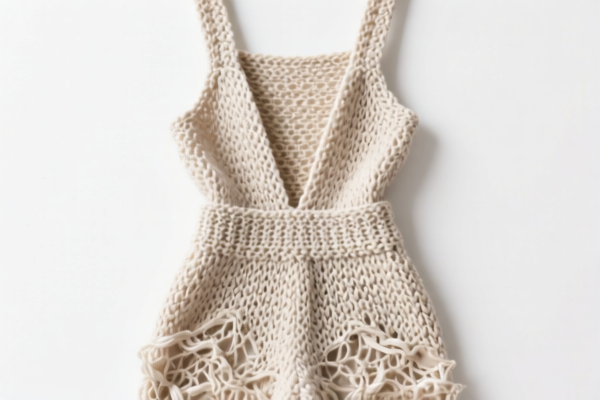
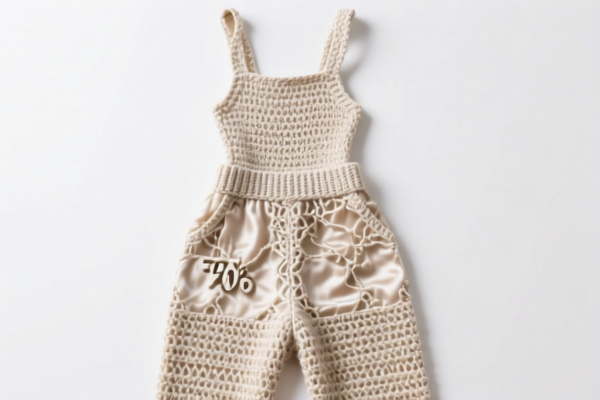
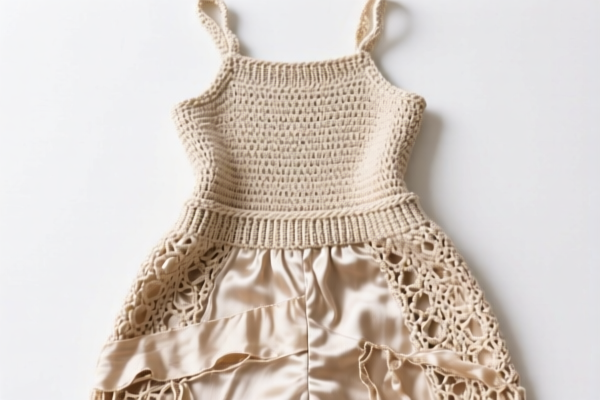
AI Analysis
👙 Bodysuits (Women’s Intimates & Sportswear)
🌐 HS Code Reference & Customs Clearance Guide | 2026 Latest Tariff Analysis | Professional Strategy for Cross-Border Trade 📌 I. Product Definition & Classification: Do You Really Understand "Bodysuits"?
In international trade, "Bodysuits" (often referred to as leotards, one-piece garments, or shapewear) are not a single entity. Their classification depends strictly on material composition, knitting method, and intended use.
Misclassification here leads to massive tariff discrepancies (from 15.6% to 49.5%!).
Key Distinctions:
- Material: Is it made of Synthetic/Fiber (e.g., Polyester, Nylon) or Other Textiles (e.g., Cotton, Wool, Blends)?
- Construction: Is it Knitted (stretched, jersey) or Woven (structured, denim)?
- Note: All codes provided in the data below are specifically for Knitted items, falling under Heading 61.
- Usage: Is it for Sport/Leisure or general Fashion/Intimate wear?
⚠️ Critical Warning: - If the material is "Artificial Fiber/Non-Wool" → Likely
6114.30- If the material is "Other Textile Materials" → Likely6114.90- If it is explicitly "Sports/Leisure Knitwear" → Likely6112.19
📦 II. HS Code Classification Details (2026 Latest Tariff Authority Match)
Based on the provided data, here are the 5 specific HS Codes applicable to bodysuits, along with their tax structures.
| HS Code | Product Description & Summary | Key Classification Criteria | Total Tax Rate (CN→US) |
|---|---|---|---|
6114.30.30.54 |
Women’s Bodysuit Matches form & use; Material: Artificial Fiber or Non-Wool Fiber |
Synthetic/Man-made fiber content; General fashion/intimate wear. | 32.4% |
6114.90.90.40 |
Women’s Bodysuit Matches use & form; Material: Other Textile Materials |
Not synthetic/non-wool; e.g., Cotton, Wool, or mixed textiles not covered in 6114.30. | 15.6% |
6112.19.80.10 |
Knitted Bodysuit Matches knitted form; Use: Sports/Leisure |
Explicitly designed for athletic or casual leisure use (e.g., yoga, dance). | 39.1% |
6114.30.20.60 |
Knitted Bodysuit Matches knitted form; Material: Likely Synthetic Fiber |
Specific subtype of synthetic knit bodysuit; Higher base tariff than 6114.30.30.54. | 49.5% |
6111.20.60.10 |
Knitted Bodysuit Matches knitted form; Material: Likely Cotton |
Specific subtype for cotton-based knit bodysuits (often infant or basic wear, but listed here). | 25.6% |
🔍 重点提醒 (Key Takeaways): - Lowest Tax:
6114.90.90.40(15.6%) – Best if material is non-synthetic/textile. - Highest Tax:6114.30.20.60(49.5%) – Traps for specific synthetic knitted variants. - Sports Premium: If labeled "Sports," it may fall under6112(39.1%), which is higher than general fashion6114(32.4%).
💰 III. 2026 Latest Tariff Rate Breakdown (Including Surcharges & Policy Add-ons)
✅ Applicable Country: USA (US) ✅ Origin: China (CN) ✅ Effective Date: 2025-11-10 (and subsequent imports)
The total tax rate consists of three layers: 1. Basic Tariff (Base MFN rate) 2. Section 301 Tariff ("Added Tariff": 7.5%) 3. Section 122 Tariff ("122 Clause": 10%)
🎯 1. 6114.30.30.54 – Women’s Bodysuit (Artificial/Non-Wool Fiber)
| Item | Detail |
|---|---|
| Basic Tariff | 14.9% |
| Added Tariff (301) | 7.5% |
| Section 122 Tariff | 10.0% |
| Total Tax Rate | 32.4% |
| Tax Calculation | CIF Value × 32.4% |
| De Minimis Eligibility | ❌ No (High tariffs disqualify Section 321 de minimis benefits for large shipments) |
📌 Explanation: - This is a standard synthetic bodysuit. The 7.5% is the Section 301 surcharge. - The 10% is the specific "122 Clause" tariff applied to certain textile/apparel items. - Total 32.4% is moderate-high for textiles.
🎯 2. 6114.90.90.40 – Women’s Bodysuit (Other Textile Materials)
| Item | Detail |
|---|---|
| Basic Tariff | 5.6% |
| Added Tariff (301) | 0.0% |
| Section 122 Tariff | 10.0% |
| Total Tax Rate | 15.6% |
| Tax Calculation | CIF Value × 15.6% |
| De Minimis Eligibility | ⚠️ Check Case-by-Case (Low base tariff may allow some de minimis advantages, but 122 clause often blocks it for high volumes) |
📌 Note: - This code has the lowest total tax among the options. - The 0% Added Tariff is crucial. It suggests this specific sub-heading might be excluded from certain Section 301 lists, but still bears the 122 Clause (10%). - Strategy: If your bodysuit is Cotton or Non-Synthetic, aim for this code to save nearly 20% in taxes.
🎯 3. 6112.19.80.10 – Knitted Bodysuit (Sports/Leisure)
| Item | Detail |
|---|---|
| Basic Tariff | 21.6% |
| Added Tariff (301) | 7.5% |
| Section 122 Tariff | 10.0% |
| Total Tax Rate | 39.1% |
| Tax Calculation | CIF Value × 39.1% |
| De Minimis Eligibility | ❌ No |
📌 Explanation: - Higher Base Tariff (21.6%) because it is classified as "Sports Clothing." - Many brands try to declare sportswear as "Fashion" to get lower rates, but if the design, marketing, and tags clearly say "Yoga," "Gym," or "Sports," Customs will reclassify it to
6112.19. - Risk: If you declare a sports bodysuit as6114.30(32.4%) but it’s clearly for sport, you risk audits and back-taxes.
🎯 4. 6114.30.20.60 – Knitted Bodysuit (Synthetic, Specific Subtype)
| Item | Detail |
|---|---|
| Basic Tariff | 32.0% |
| Added Tariff (301) | 7.5% |
| Section 122 Tariff | 10.0% |
| Total Tax Rate | 49.5% |
| Tax Calculation | CIF Value × 49.5% |
| De Minimis Eligibility | ❌ No |
📌 Warning: - This is the highest tax rate (49.5%). - This specific sub-code likely targets a narrow category of synthetic bodysuits (e.g., specific elastic/shapewear blends). - Avoid this code if you can legally justify another classification. A 17% difference is significant.
🎯 5. 6111.20.60.10 – Knitted Bodysuit (Cotton)
| Item | Detail |
|---|---|
| Basic Tariff | 8.1% |
| Added Tariff (301) | 7.5% |
| Section 122 Tariff | 10.0% |
| Total Tax Rate | 25.6% |
| Tax Calculation | CIF Value × 25.6% |
| De Minimis Eligibility | ❌ No |
📌 Explanation: - Cotton-based bodysuits fall under Heading 6111 (Infants/Toddlers or specific knitwear rules). - 25.6% is a mid-range rate. - Ensure the product is genuinely cotton; if it’s polyester-cotton blend, Customs may reject this code.
🛠️ IV. Customs Clearance Practical Advice (Pitfall Avoidance Guide)
✅ 1. Documentation Checklist (Must-Haves)
| Document | Required? | Description |
|---|---|---|
| ✅ Product Spec Sheet | ✔️ | Must clearly state Material Composition (e.g., "95% Polyester, 5% Spandex") and Knitting Type (Knitted/Woven). |
| ✅ Fabric Swatch/Report | ✔️ | Third-party test report confirming fiber content is critical to avoid reclassification. |
| ✅ Photos (Front/Back/Inside) | ✔️ | Show hooks/eyes (if any), seams, and labels. Distinguish between "Shapewear" and "Sports." |
| ✅ Commercial Invoice | ✔️ | Use precise descriptions: "Women’s Knitted Synthetic Bodysuit, Non-Sports." Avoid vague terms like "Garment." |
| ✅ Origin Certificate (CO) | ✔️ | To prove CN origin for accurate Section 301/122 calculation. |
✅ 2. Declaration Tips (Key Mantras)
🔥 "Material Determines Code, Use Determines Rate, Honesty Saves Money!"
| Scenario | Correct Declaration | Wrong Practice | Consequence |
|---|---|---|---|
| Synthetic Fashion Bodysuit | 6114.30.30.54 (32.4%) |
Declare as "Cotton" (6111.20) |
Audit & Penalty: Customs will test fabric, reject claim, and charge back taxes + fines. |
| Sports Yoga Bodysuit | 6112.19.80.10 (39.1%) |
Declare as "Fashion" (6114.30) |
Retrospective Audit: If marketing says "Yoga," Customs will reclassify and charge extra ~7%. |
| Cotton Bodysuit | 6111.20.60.10 (25.6%) or 6114.90 (15.6%) |
Declare as "Synthetic" (6114.30) |
Overpay Tax: You pay 32.4% instead of 25.6% or 15.6%. |
| High-End Shapewear (Synthetic) | 6114.30.20.60 (49.5%) |
Declare as 6114.30.30.54 |
High Risk: If the specific subtype matches 20.60, you risk a 17% tax hike + penalties. |
✅ 3. Special Handling Scenarios
| Scenario | Recommendation |
|---|---|
| "Shapewear" vs. "Bodysuit" | If marketed as "Shapewear" (control top), ensure it’s not classified as "Other Made-Up Articles" (Heading 62/63) which may have different rates. Stick to 61 for knitted. |
| Mixed Materials | If the bodysuit has lace inserts (non-knitted), check if the lace >50% by weight. If not, the base material (knit) determines the code. |
| Samples vs. Bulk | For samples under $800, de minimis might apply, but with 122 Clause (10%) always included, savings are minimal for bulk. Plan for full tariffs. |
| Original Design | If you have unique patent/patterns, include photos and design docs to prove it’s a "Made-Up Garment" and not a "Part" or "Accessory." |
🌍 V. Global Market Comparison (2026 Latest)
| Market | Recommended HS Code | Est. Tariff (CN Origin) | Key Requirement |
|---|---|---|---|
| 🇺🇸 USA | 6114.30.30.54 |
32.4% | Section 301 + 122 Clause |
| 🇪🇺 EU | 6114.30 | ~12-16% | No Section 301/122. Lower base rates. |
| 🇨🇳 China | 6114.30 | ~9-15% | Import tariffs apply. No 301/122. |
| 🇬🇧 UK | 6114.30 | ~12% | Post-Brexit rules apply. |
📌 Conclusion: - USA is the most expensive market for bodysuits due to the 32.4% average rate. - EU/UK are much more favorable (~12-16%). - Strategy: If shipping to the US, consider supply chain diversification (e.g., Vietnam, Turkey) to avoid Section 301 tariffs.
📌 VI. Common Mistakes & Pitfalls (Lessons Learned)
❌ Mistake 1: Declaring all bodysuits as 6114.30.30.54 (32.4%)
👉 Risk: If your product is actually Cotton (6111.20), you are overpaying by 7%. If it’s Sports (6112), you are underpaying and risk penalties.
❌ Mistake 2: Ignoring the 122 Clause (10%) 👉 Risk: Many importers only calculate Section 301 (7.5%). Forgetting the 122 Clause leads to unexpected 10% charges at customs.
❌ Mistake 3: Vague Description "Bodysuit" 👉 Risk: Customs officers have discretion. "Bodysuit" is too vague. Use "Women’s Knitted Synthetic Bodysuit, Non-Sports, 100% Polyester".
❌ Mistake 4: Mixing Sports and Fashion in One Shipment 👉 Risk: If you declare 100 units as "Fashion" but 50 are clearly "Yoga Gear," the whole shipment may be flagged for inspection.
✅ Correct Action:
"Women’s Knitted Bodysuit, Model X, 95% Polyester/5% Spandex, Non-Sports Use, with Hook Closure"
🎯 VII. Conclusion: Professional Declaration, Cost Savings, Compliance!
🎯 Remember the Mantra:
🔹 "Material First, Use Second, 122 Clause Always On!" 🔹 "Cotton = 25.6% or 15.6%, Synthetic Fashion = 32.4%, Sports = 39.1%, Watch Out for 49.5% Trap!"
📌 Pro Tip:
If you are shipping large volumes, pre-classification ruling with CBP (US Customs) is highly recommended for 6114.30.20.60 vs 6114.30.30.54 distinctions. A small ruling fee can save thousands in potential back-taxes.
📣 Action Plan:
- Verify Fabric Content (Lab Test).
- Define Usage (Sport vs. Fashion).
- Select Correct HS Code from the 5 options above.
- Calculate Total Landed Cost including 32.4% average duty.
- Prepare Detailed Invoice with exact material breakdown.
✨ Precision in Classification, Profit in Logistics! 💼 Every percent of tax saved is pure profit!
Customer Reviews
About HS Code Classification
The Harmonized System (HS) is an internationally standardized nomenclature developed by the World Customs Organization (WCO) to classify traded products. Over 200 countries use the HS system as the basis for customs tariffs, trade statistics, and import/export regulations.
Each HS code follows a hierarchical structure:
- Chapter (2 digits) — Broad category of goods (e.g., Chapter 84: Machinery and Mechanical Appliances)
- Heading (4 digits) — More specific grouping within the chapter
- Subheading (6 digits) — Internationally standardized breakdown, used by all WCO member countries
- National subdivisions (8-10 digits) — Country-specific extensions for further classification, such as US HTSUS 10-digit codes
Correct HS code classification is essential for smooth customs clearance, accurate duty payment, and compliance with trade regulations. Misclassification can lead to customs delays, overpayment of duties, or penalties.
When importing from CN to US, the applicable tariff rates may include:
- Most-Favored-Nation (MFN) rate — The standard duty rate applied to WTO members
- General rate — Applied to countries without trade agreements
- Trade remedy duties — Additional tariffs such as Section 301 (anti-dumping), Section 232 (national security), or countervailing duties
The information provided on this page is for reference purposes only. For official classification, please consult with your local customs authority or a licensed customs broker.