border finder
CN → US| HS Code | Tariff Rate | Origin | Destination | Doc |
|---|---|---|---|---|
| 9015104000 | 35.0% | CN | US | Official Doc |
| 9031494000 | 35.0% | CN | US | Official Doc |
| 9015108000 | 35.0% | CN | US | Official Doc |
| 9031491000 | 35.0% | CN | US | Official Doc |
Product Images
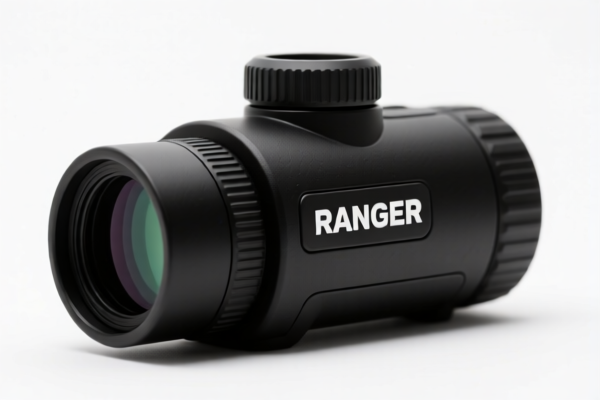
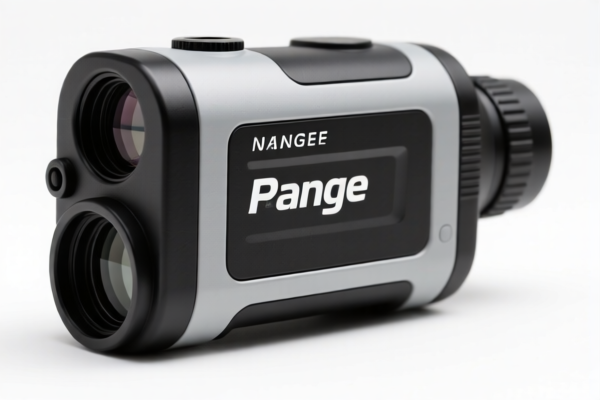
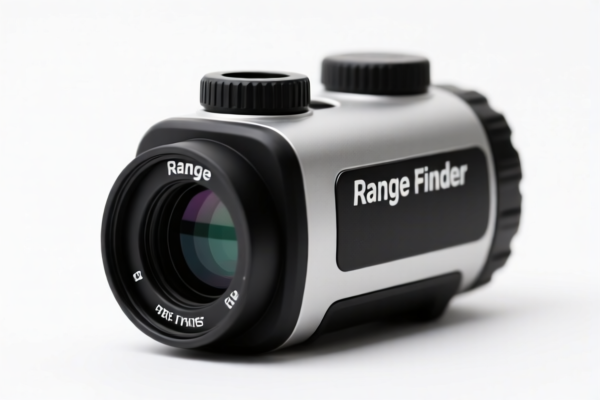
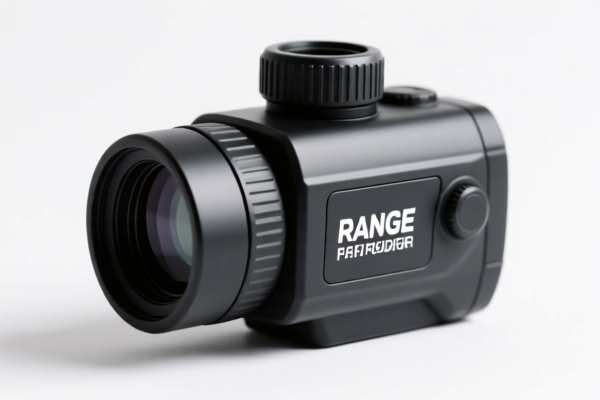
AI Analysis
📏 Border Finder (Rangefinders & Optical Instruments)
🌐 HS Code Reference & Customs Clearance Guide | 2026 Latest Tariff Analysis | Professional Customs Strategy
📌 One, Product Definition and Classification: What exactly is a "Border Finder"?
In the context of international trade and the provided data, "Border Finder" refers to Rangefinders (devices used to measure distance) and related Surveying/Measuring Instruments. These are critical tools in construction, military applications, surveying, and industrial measurement.
International trade classifies these items based on their operating principle and specific function:
1. Electrical Rangefinders: Devices that use electronic sensors (laser, ultrasonic, or infrared) to calculate distance. These fall under Chapter 90 (Optical, Photographic, Cinematographic, Measuring or Checking Instruments).
2. Other Rangefinders: Non-electrical devices or other optical instruments that do not fit the specific "electrical" definition, or other measuring machines like Coordinate-Measuring Machines (CMM) and Profile Projectors.
⚠️ Key Distinction Point: - If the device uses electronic sensors to measure distance → It is an Electrical Rangefinder (HS 9015.10.40.00). - If the device is a Profile Projector (used for optical magnification inspection) → It falls under Profile Projectors (HS 9031.49.10.00). - If the device is a Coordinate-Measuring Machine (CMM) → It falls under CMMs (HS 9031.49.40.00). - If it is a rangefinder that is not electrical → It falls under Other Rangefinders (HS 9015.10.80.00).
📦 Two, HS Code Classification Details (Authoritative 2026 Tariff Comparison)
| HS Code | Product Description | Applicable Scenario | Type |
|---|---|---|---|
9015.10.40.00 |
Rangefinders: Electrical | Laser rangefinders, electronic distance meters, surveying tools | ✅ Electrical |
9015.10.80.00 |
Rangefinders: Other | Mechanical rangefinders, optical rangefinders (non-electronic) | ❌ Non-Electrical |
9031.49.10.00 |
Profile Projectors | Optical instruments for projecting profiles of small parts for inspection | ❌ Optical Inspection |
9031.49.40.00 |
Coordinate-Measuring Machines | Precision machines for measuring geometric characteristics (X, Y, Z axes) | ❌ Precision Measuring |
🔍 Important Reminder: - Electrical Rangefinders must be declared under
9015.10.40.00. Do not misclassify as "Other" to avoid customs scrutiny. - Profile Projectors are optical instruments used in quality control, not primarily for "distance finding" in the rangefinder sense, but often grouped in surveying/measuring chapters. - CMMs are high-precision coordinate measuring devices, distinct from simple rangefinders.
💰 Three, 2026 Latest Tariff Rate Details (Including Additional Duties and Policy Attachments)
✅ Applicable Country: United States (US)
✅ Country of Origin: China (CN)
✅ Effective Date: 2025/2026 Current Tariff Structure
🎯 1. 9015.10.40.00 —— Rangefinders: Electrical
| Item | Content |
|---|---|
| Base Tariff Rate | 0.0% (ad valorem) |
| Additional Tariff (Section 301) | +25.0% |
| Total Tariff Rate | 25.0% |
| Tax Calculation | CIF Value × 25% |
| De Minimis Exemption | ❌ Not Applicable (Deny De Minimis for Section 301 goods) |
| Legal Basis Path | USITC:9015.10.40.00 → Section 301: 25% on HS 9015.10 |
📌 Explanation: - The base tariff for electrical rangefinders is 0%. - However, due to Section 301 of the Trade Act, an additional 25% tariff is applied to goods originating from China in this category. - Total Duty: 25%. This is a significant cost factor for imports.
🎯 2. 9015.10.80.00 —— Rangefinders: Other
| Item | Content |
|---|---|
| Base Tariff Rate | 0.0% (ad valorem) |
| Additional Tariff (Section 301) | +25.0% |
| Total Tariff Rate | 25.0% |
| Tax Calculation | CIF Value × 25% |
| De Minimis Exemption | ❌ Not Applicable |
| Legal Basis Path | USITC:9015.10.80.00 → Section 301: 25% on HS 9015.10 |
📌 Note: - Similar to electrical rangefinders, non-electrical rangefinders also attract the 25% Section 301 additional duty. - Total Duty: 25%.
🎯 3. 9031.49.10.00 —— Profile Projectors
| Item | Content |
|---|---|
| Base Tariff Rate | 0.0% (ad valorem) |
| Additional Tariff (Section 301) | +25.0% |
| Total Tariff Rate | 25.0% |
| Tax Calculation | CIF Value × 25% |
| De Minimis Exemption | ❌ Not Applicable |
| Legal Basis Path | USITC:9031.49.10.00 → Section 301: 25% on HS 9031.49 |
📌 Note: - Profile projectors are subject to the same 25% additional tariff under Section 301. - Total Duty: 25%.
🎯 4. 9031.49.40.00 —— Coordinate-Measuring Machines (CMM)
| Item | Content |
|---|---|
| Base Tariff Rate | 0.0% (ad valorem) |
| Additional Tariff (Section 301) | +25.0% |
| Total Tariff Rate | 25.0% |
| Tax Calculation | CIF Value × 25% |
| De Minimis Exemption | ❌ Not Applicable |
| Legal Basis Path | USITC:9031.49.40.00 → Section 301: 25% on HS 9031.49 |
📌 Note: - CMMs, being precision measuring instruments from China, also face the 25% Section 301 additional duty. - Total Duty: 25%.
🛠️ Four, Customs Clearance Practical Advice (Real-World Pitfall Guide)
✅ 1. Required Documentation Checklist (All are Mandatory)
| Document | Must Provide | Description |
|---|---|---|
| ✅ Product Specification Sheet | ✔️ | Must detail measuring principle (electrical vs. other), range, accuracy, and power source. |
| ✅ Product Photos (with Nameplate) | ✔️ | Clear images showing model number, brand, and input/output specifications. |
| ✅ Commercial Invoice | ✔️ | Must explicitly state "Rangefinder" or "Profile Projector" or "CMM", not generic "Measuring Device". |
| ✅ Packing List | ✔️ | Detailed list of items, weights, and dimensions. |
| ✅ Certificate of Origin (CO) | ✔️ | To confirm origin as China (or other) for tariff calculation. |
| ✅ Technical Data Sheet | ✔️ | Helps customs officers determine if it is "Electrical" or "Other". |
✅ 2. Declaration Tips (Key Mnemonics)
🔥 "Declare Principle, Specify Function, Avoid General Terms!"
| Scenario | Correct Declaration | Wrong Practice |
|---|---|---|
| Laser Rangefinder | 9015.10.40.00 - "Electrical Rangefinder" |
Generic "Measuring Tool" → Risk of reclassification & penalties |
| Optical Rangefinder | 9015.10.80.00 - "Other Rangefinder" |
Misclassified as Electrical → Discrepancy in duty |
| Profile Projector | 9031.49.10.00 - "Profile Projector" |
Misclassified as Rangefinder → Wrong HS Code |
| CMM | 9031.49.40.00 - "Coordinate-Measuring Machine" |
Misclassified as other measuring instrument → Higher scrutiny |
📌 Key Point: - Be specific about the technology (Electrical vs. Optical/Mechanical). - Do not use vague terms like "Border Finder" which is not a standard HS term. Use Rangefinder, Profile Projector, or CMM.
✅ 3. Special Cases Handling
| Case | Handling Advice |
|---|---|
| Kit with Multiple Instruments | Declare each item separately with its correct HS Code. Do not lump into one generic code. |
| Accessories (Lenses, Tripods) | If declared with the main instrument, they may be included in the same HS Code if essential. If sold separately, declare under 9031.90 or 9015.90 respectively. |
| Used Instruments | Clearly state "Used" in description. Tariff rates remain the same, but condition affects valuation. |
| High-Value Precision Instruments | Consider applying for Advance Ruling to confirm HS Code before shipment to avoid delays. |
🌍 Five, Global Market Clearance Comparison (2026 Latest)
| Country/Region | Recommended HS Code | Duty Rate (China Origin) | Certification Requirements | Notes |
|---|---|---|---|---|
| 🇺🇸 United States | 9015.10.40.00 / 9031.49.xxxx |
25% (Section 301) | NIST Calibration Certs (for precision) | High duty, strict HS Code enforcement. |
| 🇨🇳 China | 9015.10.40.00 / 9031.49.xxxx |
0%~5% | CCC (if applicable) | Lower duty, standard import procedures. |
| 🇪🇺 European Union | 9015.10.40.00 / 9031.49.xxxx |
0% (Most MFN rates) | CE Marking, Metrology Certification | No Section 301 equivalent, but requires metrological compliance. |
| 🇬🇧 United Kingdom | 9015.10.40.00 / 9031.49.xxxx |
0% | UKCA Marking | Post-Brexit rules, generally low duty for these categories. |
| 🇦🇺 Australia | 9015.10.40.00 / 9031.49.xxxx |
5% | RCM (if electrical) | Moderate duty, no major additional tariffs. |
📌 Conclusion: - The US imposes a significant 25% additional duty on all these categories from China. - Other major markets (EU, UK, Australia) generally have lower or zero duties, making them more cost-effective for imports from China. - Certification is crucial, especially for electrical devices (CE, UKCA, RCM).
📌 Six, Common Mistakes & Pitfall Guide (Lessons Learned)
❌ Mistake 1: Declaring "Border Finder" as a generic "Measuring Instrument" 👉 Consequence: Customs may reclassify to a higher duty rate or demand additional documentation. Risk of delay.
❌ Mistake 2: Misclassifying Electrical Rangefinders as "Other" to avoid scrutiny 👉 Consequence: If caught, penalties for misdeclaration apply. Duty remains 25% anyway.
❌ Mistake 3: Ignoring the 25% Section 301 Tariff in cost calculation 👉 Consequence: Unexpected costs at customs. Budget miscalculation.
❌ Mistake 4: Not providing technical specs to distinguish between Rangefinder and Profile Projector 👉 Consequence: Customs may select the wrong HS Code, leading to clearance delays.
✅ Correct Practice:
"Electrical Laser Rangefinder, Model XYZ, Range 0-500m, Accuracy ±1mm, for Surveying Use"
🎯 Seven, Conclusion: Professional Declaration Saves Time and Money!
🎯 Remember the Mnemonic:
🔹 "Electrical vs. Other, 25% Tax on Both!"
🔹 "HS Code Precision, No Ambiguity Allowed!"
🔹 "Section 301 Applies, Plan Your Costs!"
📌 Tips: - If your products are originating from Vietnam, Mexico, or Thailand, you may avoid the 25% Section 301 duty (if they meet Rules of Origin). - Consider Advance Ruling for high-value shipments to ensure correct HS Code classification. - Always declare clearly and accurately based on technical specifications.
📣 Immediate Action:
📞 Consult with a professional customs broker + Provide product specs + Apply for Advance Ruling if necessary
🚀 Ensure smooth clearance, accurate duties, and efficient supply chain!
✨ Professional customs clearance starts with precise classification!
💼 Every dollar of duty should be accurately calculated!
Customer Reviews
About HS Code Classification
The Harmonized System (HS) is an internationally standardized nomenclature developed by the World Customs Organization (WCO) to classify traded products. Over 200 countries use the HS system as the basis for customs tariffs, trade statistics, and import/export regulations.
Each HS code follows a hierarchical structure:
- Chapter (2 digits) — Broad category of goods (e.g., Chapter 84: Machinery and Mechanical Appliances)
- Heading (4 digits) — More specific grouping within the chapter
- Subheading (6 digits) — Internationally standardized breakdown, used by all WCO member countries
- National subdivisions (8-10 digits) — Country-specific extensions for further classification, such as US HTSUS 10-digit codes
Correct HS code classification is essential for smooth customs clearance, accurate duty payment, and compliance with trade regulations. Misclassification can lead to customs delays, overpayment of duties, or penalties.
When importing from CN to US, the applicable tariff rates may include:
- Most-Favored-Nation (MFN) rate — The standard duty rate applied to WTO members
- General rate — Applied to countries without trade agreements
- Trade remedy duties — Additional tariffs such as Section 301 (anti-dumping), Section 232 (national security), or countervailing duties
The information provided on this page is for reference purposes only. For official classification, please consult with your local customs authority or a licensed customs broker.