bottle dispenser
CN → US| HS Code | Tariff Rate | Origin | Destination | Doc |
|---|---|---|---|---|
| 6911104100 | 16.3% | CN | US | Official Doc |
| 6911108010 | 38.3% | CN | US | Official Doc |
| 3923300090 | 38.0% | CN | US | Official Doc |
| 3923500000 | 40.3% | CN | US | Official Doc |
| 7010903040 | 40.2% | CN | US | Official Doc |
| 7010905039 | 35.0% | CN | US | Official Doc |
Product Images
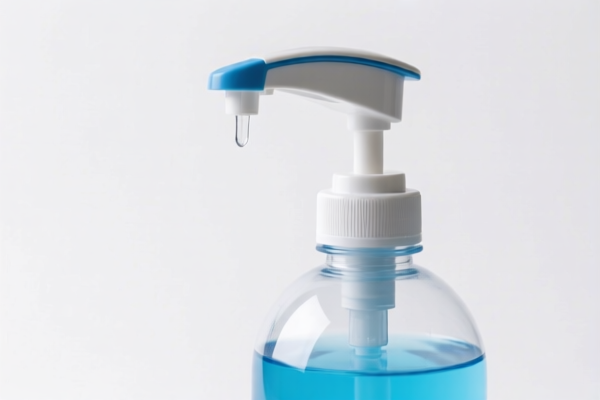
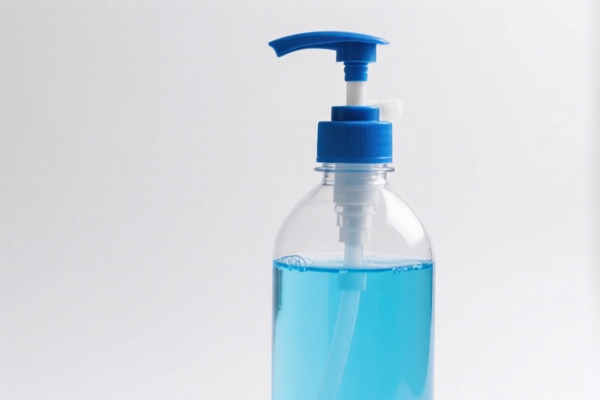
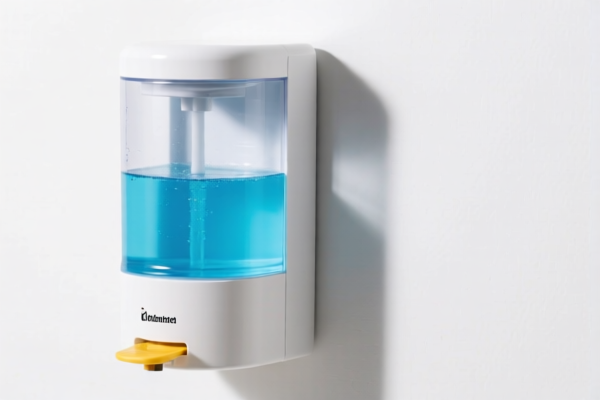
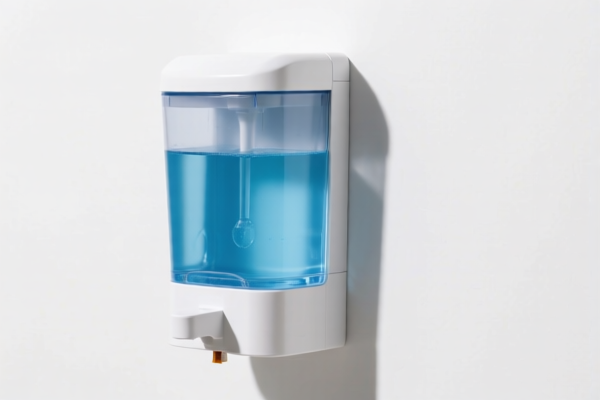
AI Analysis
🧴 Bottle Dispensers (Ceramic, Plastic & Glass)
🌐 HS Code Reference & Customs Clearance Guide | 2026 Latest Tariff Analysis | Professional Clearance Strategy
📌 I. Product Definition & Classification: Do You Really Know What a "Bottle Dispenser" Is?
In international trade, a "Bottle Dispenser" is a broad term that covers household items used for serving food, drinks, or toiletries. The customs classification depends entirely on the material and the specific function/design. They are generally categorized into three main material groups:
- Porcelain/China (Ceramic): Ornate or functional tableware like steins, decanters, candy boxes, and tiered servers.
- Plastics: Packaging containers like carboys, bottles, and closures.
- Glass: Containers for perfumes, toiletries, or general storage.
⚠️ Key Distinction:
- If it is a ceramic stein with a pewter lid or a ceramic decanter → Go to 6911.10.
- If it is a plastic bottle/carboy for conveyance/packing → Go to 3923.
- If it is a glass container (capacity-based) → Go to 7010.
📦 II. HS Code Classification Details (2026 Latest Tariff Authority Reference)
| HS Code | Product Description | Applicable Scenario | Material |
|---|---|---|---|
6911.10.41.00 |
Ceramic/Tableware Specifics: Steins with permanently attached pewter lids, candy boxes, decanters, punch bowls, pretzel dishes, tidbit dishes, tiered servers, bonbon dishes, egg cups, spoons, spoon rests, oil/vinegar sets, tumblers, salt & pepper shaker sets. | Ornate ceramic serving ware, specific tableware items. | Porcelain/China |
6911.10.80.10 |
Other Ceramic/Tableware: Suitable for food or drink contact (Other than the specific items in 41.00). | General ceramic food/drink containers not listed above. | Porcelain/China |
3923.30.00.90 |
Plastic Containers: Carboys, bottles, flasks, and similar articles. | Plastic bottles, large plastic carboys for liquids/goods. | Plastic |
3923.50.00.00 |
Plastic Closures: Stoppers, lids, caps, and other closures. | Plastic caps, lids, stoppers (if shipped separately or as parts). | Plastic |
7010.90.30.40 |
Glass Containers (Small): Containers for perfume/toiletries OR other containers with ground glass stoppers, Capacity ≤ 0.15 Liter. | Small perfume bottles, small glass vials. | Glass |
7010.90.50.39 |
Glass Containers (Medium): Other containers, Capacity > 0.15 Liter but ≤ 0.33 Liter. | Medium-sized glass bottles (e.g., standard liquor/wine bottles). | Glass |
🔍 Key Reminder:
- Ceramic Tableware (6911) has high tariffs. Specifically, general food/drink contact ceramics (6911.10.80.10) face the highest tax among ceramics in this list. - Plastic & Glass packaging items generally have 0% Base Tariff, but Glass bottles in the 0.15L–0.33L range face a significant 25% Additional Tariff.
💰 III. 2026 Latest Tariff Rate Details (Including Surcharges & Policy Add-ons)
✅ Applicable Country: United States (US)
✅ Origin: China (CN)
✅ Effective Time: 2025/2026 (Current Trade Status)
🎯 1. 6911.10.41.00 — Ceramic Tableware (Steins, Decanters, etc.)
| Item | Content |
|---|---|
| Base Tariff | 6.3% |
| Additional Tariff (Section 301) | 0.0% |
| Total Tax Rate | 6.3% |
| Tax Calculation | CIF Value × 6.3% |
| De Minimis Exemption | ❌ No (Typically high-value tableware excluded) |
📌 Explanation:
- This category includes specific items like "Steins with pewter lids" and "Decanters." - It benefits from a lower base tariff (6.3%) and no additional Section 301 tariffs in this specific dataset, making it the most cost-effective ceramic option listed.
🎯 2. 6911.10.80.10 — Other Ceramic/Tableware (Food/Drink Contact)
| Item | Content |
|---|---|
| Base Tariff | 20.8% |
| Additional Tariff (Section 301) | 7.5% |
| Total Tax Rate | 28.3% |
| Tax Calculation | CIF Value × 28.3% |
| De Minimis Exemption | ❌ No |
| Legal Basis Path | USITC:6911.10.80.10 → Section 301: 7.5% |
📌 Warning:
- This is the "catch-all" for ceramic tableware not specifically listed in41.00. - It carries a high total tax of 28.3%. - If your product is a simple ceramic cup or bowl not fitting the specific list in41.00, it falls here. Verify if your product can be classified under41.00to save ~22%.
🎯 3. 3923.30.00.90 — Plastic Carboys/Bottles
| Item | Content |
|---|---|
| Base Tariff | 0.0% |
| Additional Tariff | 0.0% |
| Total Tax Rate | 0.0% |
📌 Advantage:
- Plastic packaging materials are duty-free. Ideal for bulk liquid transport.
🎯 4. 3923.50.00.00 — Plastic Closures/Lids
| Item | Content |
|---|---|
| Base Tariff | 0.0% |
| Additional Tariff | 0.0% |
| Total Tax Rate | 0.0% |
🎯 5. 7010.90.30.40 — Glass Containers (≤ 0.15 Liter)
| Item | Content |
|---|---|
| Base Tariff | 0.0% |
| Additional Tariff | 0.0% |
| Total Tax Rate | 0.0% |
📌 Note:
- Small glass containers (perfume vials, small vials) are duty-free.
🎯 6. 7010.90.50.39 — Glass Containers (0.15L < Cap ≤ 0.33L)
| Item | Content |
|---|---|
| Base Tariff | 0.0% |
| Additional Tariff (Section 301) | 25.0% |
| Total Tax Rate | 25.0% |
| Legal Basis Path | USITC:7010.90.50.39 → Section 301: 25% |
📌 Critical Warning:
- This specific size range (standard liquor/wine bottle size) faces a 25% Additional Tariff. - This is a high-cost item for glass exporters. - Strategy: If possible, adjust bottle size to be ≤ 0.15L (Tax: 0%) or > 0.33L (Check other subheadings for 0% base, though not listed in DATA, often 0%). Note: Based on provided DATA, only 25% is listed for this size.
🛠️ IV. Customs Clearance Practical Advice (Real-World Pitfall Guide)
✅ 1. Preparation Checklist (Must-Haves)
| Document | Required? | Notes |
|---|---|---|
| ✅ Product Photos | ✔️ | Clear images of the item, showing material and any lids/closures. |
| ✅ Material Composition Statement | ✔️ | Crucial for distinguishing Ceramic (6911) vs. Plastic (3923) vs. Glass (7010). |
| ✅ Capacity Declaration | ✔️ | Mandatory for Glass: Exact capacity in Liters (e.g., "0.14L" vs "0.16L" changes tax from 0% to 25%). |
| ✅ Function Description | ✔️ | "Tableware" vs. "Packaging Container". A ceramic jug used for storage might be argued as household article, but if it's a "stein," it's tableware. |
| ✅ Commercial Invoice | ✔️ | Must match HS Code description exactly. |
✅ 2. Classification Strategy (Key Mantra)
🔥 "Ceramics: Check the List First. Glass: Watch the Size. Plastic: Low Risk."
| Scenario | Correct HS Code | Tax Rate | Reason |
|---|---|---|---|
| Ceramic Stein with Pewter Lid | 6911.10.41.00 |
6.3% | Specifically listed in the favorable subheading. |
| Generic Ceramic Food Bowl | 6911.10.80.10 |
28.3% | Falls into "Other," triggering high tax + surcharge. |
| Plastic Water Bottle | 3923.30.00.90 |
0% | Plastic packaging is generally duty-free. |
| Glass Perfume Bottle (10ml) | 7010.90.30.40 |
0% | Capacity ≤ 0.15L is duty-free. |
| Glass Whiskey Bottle (200ml) | 7010.90.50.39 |
25% | Capacity 0.15L-0.33L triggers 25% surcharge. |
✅ 3. Special Case Handling
| Case | Advice |
|---|---|
| Kit Sets (e.g., Decanter + Glasses) | Declared as the principal item or by weight/value. Ensure the main item's HS Code is primary. |
| Ceramic with Metal Parts | If the metal part (e.g., pewter lid) is integral and defines the item, it stays in 6911. Do not split unless advised. |
| Glass Bottle Size Borderline | Critical: If your bottle is 0.16L, you pay 25%. If you can redesign to 0.14L, you pay 0%. Design for Tax Efficiency. |
| Plastic Lids Shipped Separately | Classify under 3923.50.00.00 (0% tax), not as part of the bottle if they are distinct commercial items. |
🌍 V. Global Market Comparison (2026 Update)
| Market | Recommended HS Code | Tax (China Origin) | Notes |
|---|---|---|---|
| 🇺🇸 USA | Varies by Material | 0% - 28.3% | High risk on Glass (0.15-0.33L) and General Ceramics. |
| 🇪🇺 EU | Varies | Generally 0-6% | EU has different HS codes but often lower tariffs on plastics. |
| 🇨🇳 China | Varies | 0-15% | Import tariffs may differ; check CBEC vs. General Trade. |
📌 Conclusion for US Market:
- Plastic and Small Glass are the safest for cost control (0% tax).
- Ceramic Steins/Decanters are moderately taxed (6.3%).
- Avoid generic "Other" ceramic tableware (6911.80.10) unless price point allows for 28.3% tax.
- Optimize Glass Bottle Sizes to stay below 0.15L or above 0.33L to avoid the 25% trap.
📌 VI. Common Errors & Pitfalls (Lessons from the Field)
❌ Error 1: Classifying a 200ml Glass Bottle as "Other Glass Containers" without checking capacity.
👉 Result: 25% surprise tax.
👉 Fix: Always declare exact capacity. If ≤ 0.15L, it's 0%.
❌ Error 2: Calling a Ceramic Candy Box "Kitchenware" broadly.
👉 Result: If it fits the specific list in 6911.10.41.00, it's only 6.3%. If misclassified as "Other," it jumps to 28.3%.
👉 Fix: Use precise descriptions like "Ceramic Candy Box" or "Ceramic Tiered Server."
❌ Error 3: Splitting a Plastic Bottle + Cap into two line items incorrectly.
👉 Result: Caps are 0%, Bottles are 0%. No loss, but complexity increases. Ensure they are clearly described as "Container" and "Closure."
✅ Correct Practice:
"Ceramic Decanter, Hand-Painted, 750ml" →
6911.10.41.00
"Plastic Carboy, Food Grade, 5 Gallon" →3923.30.00.90
"Glass Perfume Vial, 10ml, with Glass Stopper" →7010.90.30.40
🎯 VII. Conclusion: Professional Classification Saves Money!
🎯 Remember the Mantra:
🔹 "Ceramics: Specific List = 6.3%, General = 28.3%."
🔹 "Glass: Size is King. ≤0.15L is Free. 0.15-0.33L is 25%."
🔹 "Plastic: Always 0%."
📌 Tip:
For Glass Containers, work with your design team to ensure bottle sizes are ≤ 0.15 Liters if you want to enter the US market with 0% tariffs. This simple design change saves 25% on every unit.
📣 Immediate Action:
📞 Check Your Bottle Sizes & Material.
📄 Update Your HS Codes Based on This Guide.
🚀 Save Thousands in Tariffs by Accurate Classification!
✨ Professional Customs Clearance Starts with Precise Classification!
💼 Your Margin Depends on Your HS Code!
Customer Reviews
About HS Code Classification
The Harmonized System (HS) is an internationally standardized nomenclature developed by the World Customs Organization (WCO) to classify traded products. Over 200 countries use the HS system as the basis for customs tariffs, trade statistics, and import/export regulations.
Each HS code follows a hierarchical structure:
- Chapter (2 digits) — Broad category of goods (e.g., Chapter 84: Machinery and Mechanical Appliances)
- Heading (4 digits) — More specific grouping within the chapter
- Subheading (6 digits) — Internationally standardized breakdown, used by all WCO member countries
- National subdivisions (8-10 digits) — Country-specific extensions for further classification, such as US HTSUS 10-digit codes
Correct HS code classification is essential for smooth customs clearance, accurate duty payment, and compliance with trade regulations. Misclassification can lead to customs delays, overpayment of duties, or penalties.
When importing from CN to US, the applicable tariff rates may include:
- Most-Favored-Nation (MFN) rate — The standard duty rate applied to WTO members
- General rate — Applied to countries without trade agreements
- Trade remedy duties — Additional tariffs such as Section 301 (anti-dumping), Section 232 (national security), or countervailing duties
The information provided on this page is for reference purposes only. For official classification, please consult with your local customs authority or a licensed customs broker.