bottle drying rack
CN → US| HS Code | Tariff Rate | Origin | Destination | Doc |
|---|---|---|---|---|
| 7323999080 | 88.4% | CN | US | Official Doc |
| 7323999030 | 88.4% | CN | US | Official Doc |
| 3924905650 | 20.9% | CN | US | Official Doc |
| 7615109100 | 70.6% | CN | US | Official Doc |
| 3924104000 | 13.4% | CN | US | Official Doc |
Product Images
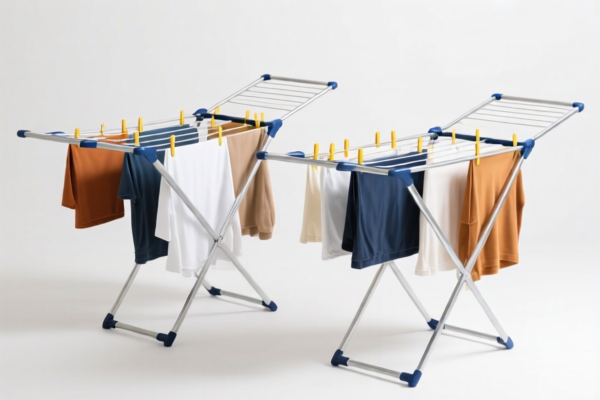
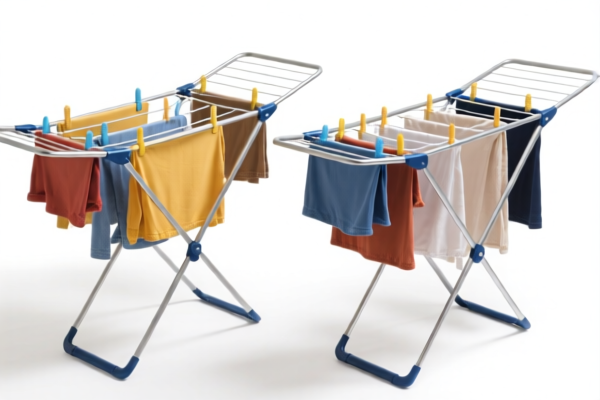
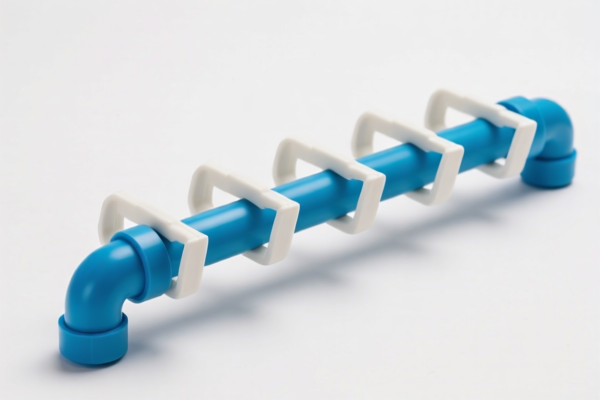
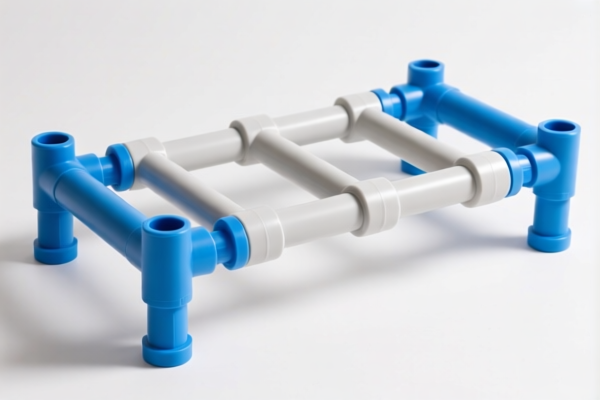
AI Analysis
🧴 Bottle Drying Rack: Comprehensive HS Code Classification & 2026 Tariff Strategy Guide
🌐 HS Code Reference & Customs Clearance Guide | 2026 Latest Tariff Breakdown | Professional Logistics Strategy
📌 I. Product Definition & Classification: What Exactly is a "Bottle Drying Rack"?
A Bottle Drying Rack (often called a baby bottle drying rack) is a kitchen utility tool designed to hold bottles, nipples, and feeding accessories upright to air-dry. In international trade, its classification depends strictly on material composition and intended use.
The market generally falls into three distinct material categories:
- Iron/Steel Racks: Heavy-duty, rust-resistant, or coated metal racks.
- Plastic Racks: Lightweight, molded plastic units (most common for baby gear).
- Aluminum Racks: Lightweight, premium metal racks (less common, specific niche).
⚠️ Critical Distinction:
- Material determines the HS Code: You cannot group all racks together. An aluminum rack is not classified as a plastic rack, and a steel rack falls under a different chapter than a plastic one. - Function: While all are "kitchen/household" items, the 122 Clause Tariffs (Section 232/301) differ drastically based on whether the material is Steel, Aluminum, or Copper.
📦 II. HS Code Classification Details (2026 Latest Tariff Authority)
Based on the provided data, here are the precise classifications for Bottle Drying Racks by material:
| HS Code | Material Category | Product Description | Application Scenario |
|---|---|---|---|
| 7323.99.90.80 | Iron / Steel | Tableware / Household utensils (Steel/Grease-proof coating) | Iron or Steel racks, often used in commercial kitchens or durable home use. |
| 7323.99.90.30 | Iron / Steel | Kitchen/Tableware (Steel/Grease-proof) | Iron or Steel racks classified specifically as kitchen/table items. |
| 3924.90.56.50 | Plastic | Kitchen/Homeware (Plastic) | Plastic racks (inferred material), common in baby care & home use. |
| 7615.10.91.00 | Aluminum | Kitchen/Homeware (Aluminum) | Aluminum racks, lightweight metal variants. |
| 3924.10.40.00 | Plastic | Kitchen/Dining (Plastic Tableware) | Plastic racks classified specifically under tableware/utensils. |
🔍 Key Logic:
- 7323.xxxx: For Iron/Steel products.
- 3924.xxxx: For Plastic products.
- 7615.xxxx: For Aluminum products.
Note: Misclassification of material leads to massive tariff discrepancies.
💰 III. 2026 Latest Tariff Rate Breakdown (US Market - China Origin)
✅ Applicable Country: USA (US)
✅ Origin: China (CN)
✅ Effective Date: 2025/2026 (Current Trade Regime)
✅ Total Tariff Impact: Ranges from 13.4% to 88.4% depending on material.
🎯 1. 7323.99.90.80 & 7323.99.90.30 —— Iron/Steel Bottle Drying Racks
(The Most Expensive Category due to "Steel" Penalties)
| Item | Content |
|---|---|
| Base Tariff | 3.4% |
| Section 301 Added Duty | +25.0% (Trade Remedies) |
| Section 232 (122 Clause) Penalty | +50.0% (Specific to Steel, Aluminum, Copper products) |
| Total Tariff Rate | 88.4% 🔴 |
| Tax Calculation | CIF Value × 88.4% |
| De Minimis Exemption | ❌ No (High duty goods are not exempt) |
| Legal Path | Base: 7323 → Sec301: 25% → Sec232: 50% (Steel) |
📌 Explanation:
- The 50% "122 Clause" is the killer here. Because the product is made of Steel, it triggers the Section 232 national security tariff on steel imports. - Total 88.4% makes steel racks nearly unviable for low-margin US imports unless passed to the consumer.
🎯 2. 7615.10.91.00 —— Aluminum Bottle Drying Racks
| Item | Content |
|---|---|
| Base Tariff | 3.1% |
| Section 301 Added Duty | +7.5% |
| Section 232 (122 Clause) Penalty | +50.0% (Specific to Steel, Aluminum, Copper products) |
| Total Tariff Rate | 70.6% 🔴 |
| Tax Calculation | CIF Value × 70.6% |
| De Minimis Exemption | ❌ No |
| Legal Path | Base: 7615 → Sec301: 7.5% → Sec232: 50% (Aluminum) |
📌 Explanation:
- Aluminum also falls under the Section 232 50% penalty (alongside steel and copper). - Total duty is 70.6%, still extremely high, though slightly better than steel due to a lower Section 301 rate.
🎯 3. 3924.90.56.50 & 3924.10.40.00 —— Plastic Bottle Drying Racks
(The Most Cost-Effective Option)
| Item | Content |
|---|---|
| Base Tariff | 3.4% (for 3924.90.56.50) / 3.4% (for 3924.10.40.00) |
| Section 301 Added Duty | +7.5% (Category A) OR 0.0% (if specific sub-category applies) |
| Section 232 (122 Clause) Penalty | 0.0% (Plastic is NOT Steel/Aluminum/Copper) |
| Total Tariff Rate | 13.4% 🟢 OR 20.9% 🟡 |
| Tax Calculation | CIF Value × 13.4% / 20.9% |
| De Minimis Exemption | ❌ No (but low total rate) |
| Legal Path | Base: 3924 → Sec301: 7.5% (or 0%) → No Sec232 |
📌 Explanation:
- Plastic is the Gold Standard for cost efficiency. It avoids the massive 50% Section 232 Steel/Aluminum penalty entirely. -3924.10.40.00is the Best Case (13.4%) if it qualifies for 0% Section 301 (some plastic tableware has lower rates). -3924.90.56.50is 20.9% if Section 301 applies at 7.5%.
🛠️ IV. Customs Clearance Practical Advice (Pitfall Avoidance)
✅ 1. Material Verification (Crucial Step)
| Action | Requirement | Reason |
|---|---|---|
| Material Test Report | ✔️ Mandatory | Must prove if the frame is Steel, Aluminum, or Plastic. A "Steel Core with Plastic Coating" might still trigger the 50% steel tariff. |
| Product Photos | ✔️ Mandatory | Show the material texture (metallic shine vs. plastic mold lines). |
| Bill of Materials (BOM) | ✔️ Mandatory | Explicitly state % composition of Iron, Plastic, Aluminum. |
✅ 2. Declaration Strategy (Pro Tips)
🔥 Rule of Thumb: "Plastic beats Steel every time for US import."
| Scenario | Recommended Action |
|---|---|
| Product has Mixed Materials | If it contains Steel/Aluminum parts that are structural, it will likely trigger the 50% penalty. Try to redesign with 100% Plastic or avoid metal framing. |
| Plastic Rack Declaration | Use HS Code 3924.10.40.00 if classified strictly as "Tableware" (13.4% tax). |
| Iron/Steel Rack | Do not import unless margin is >80%. Consider sourcing from non-China countries (Vietnam/Mexico) to bypass Section 301, though 122 Clause may still apply to steel globally. |
| Aluminum Rack | Similar to steel. High risk. Avoid unless premium pricing is possible. |
✅ 3. Special Circumstances
| Situation | Strategy |
|---|---|
| Metal Parts + Plastic Base | If the metal is a small "stand" and the product is primarily plastic, argue for the plastic classification? Risky. Customs may rule "Essential Character" is the metal frame. |
| "122 Clause" Ambiguity | The 50% tariff applies to "Steel, Aluminum, and Copper products." Ensure the product is not deemed a "steel alloy" or "aluminum component" in a way that triggers this. |
| De Minimis (Section 321) | While de minimis ($800) allows tax-free entry for low-value shipments, Section 301/232 duties generally do NOT apply to de minimis shipments. However, if the value exceeds $800, full duties apply. Check current de minimis rules. |
🌍 V. Global Market Comparison (2026 Tariff Outlook)
| Region | Recommended HS Code | Est. Total Tax (China Origin) | Key Issue |
|---|---|---|---|
| 🇺🇸 USA | 3924.xxxx (Plastic) | 13.4% - 20.9% | 7323/7615 (Metal) = 70-88% (Avoid!) |
| 🇨🇳 China | Same | Base Rate Only | No Section 301/232 for exports to China. |
| 🇪🇺 EU | 7323 / 3924 | 0% - 2% | No Section 232/301. Plastic/Metal treated equally low. |
| 🇯🇵 Japan | 3924 / 7323 | 0% - 10% | No Section 301. Steel/Plastic taxes are standard. |
📌 Conclusion:
For US Market: Plastic (3924) is the only viable option. Metal (Steel/Aluminum) racks face 70-88% tariffs, destroying profit margins. For EU/Asia: Material choice is less critical tax-wise; focus on design and quality.
📌 VI. Common Errors & "Blood Lessons"
❌ Error 1: Classifying a Steel-Framed Plastic Rack as 3924 (Plastic).
👉 Consequence: Customs inspects and finds the steel frame. Re-classifies to 7323 → 88.4% tariff → Back taxes + Penalties.
❌ Error 2: Ignoring the 122 Clause (Section 232).
👉 Consequence: Assuming only Section 301 (25%) applies. Forgetting the 50% Steel/Aluminum penalty leads to a 70%+ unexpected cost.
❌ Error 3: Using "Bottle Rack" as a generic description.
👉 Consequence: Vague descriptions trigger manual inspection. Be specific: "Plastic Bottle Drying Rack" vs. "Iron Wire Bottle Drying Rack".
✅ Correct Approach:
"Plastic Bottle Drying Rack (Household), HS Code 3924.10.40.00, 13.4% Duty, No Metal Components."
🎯 VII. Conclusion: Strategic Sourcing & Clearance
🎯 The Golden Rule for Bottle Drying Racks:
🔹 "Plastic is King, Steel is King's Bane."
🔹 "If it has Steel/Aluminum, expect 70-88% Tax in the US."
🔹 "If it is Plastic, pay 13-21% and sleep well."
📌 Pro Tip:
If you must use metal (e.g., premium aluminum), consider sourcing from Vietnam or Mexico (non-China origin) to avoid Section 301 (25%), though Section 232 (50% for Steel/Aluminum) may still apply depending on the country of manufacture rules.
📣 Action Plan:
📞 Contact Customs Broker: Confirm "Essential Character" of mixed-material racks. 📄 Update BOM: Ensure metal content is <5% or removed for US shipments. 🚀 Switch to Plastic: For mass market US entry, plastic is the only cost-effective path.
✨ Professional Customs Clearance Starts with Accurate HS Codes!
💼 Your Margin Depends on Your Material Declaration!
Customer Reviews
About HS Code Classification
The Harmonized System (HS) is an internationally standardized nomenclature developed by the World Customs Organization (WCO) to classify traded products. Over 200 countries use the HS system as the basis for customs tariffs, trade statistics, and import/export regulations.
Each HS code follows a hierarchical structure:
- Chapter (2 digits) — Broad category of goods (e.g., Chapter 84: Machinery and Mechanical Appliances)
- Heading (4 digits) — More specific grouping within the chapter
- Subheading (6 digits) — Internationally standardized breakdown, used by all WCO member countries
- National subdivisions (8-10 digits) — Country-specific extensions for further classification, such as US HTSUS 10-digit codes
Correct HS code classification is essential for smooth customs clearance, accurate duty payment, and compliance with trade regulations. Misclassification can lead to customs delays, overpayment of duties, or penalties.
When importing from CN to US, the applicable tariff rates may include:
- Most-Favored-Nation (MFN) rate — The standard duty rate applied to WTO members
- General rate — Applied to countries without trade agreements
- Trade remedy duties — Additional tariffs such as Section 301 (anti-dumping), Section 232 (national security), or countervailing duties
The information provided on this page is for reference purposes only. For official classification, please consult with your local customs authority or a licensed customs broker.