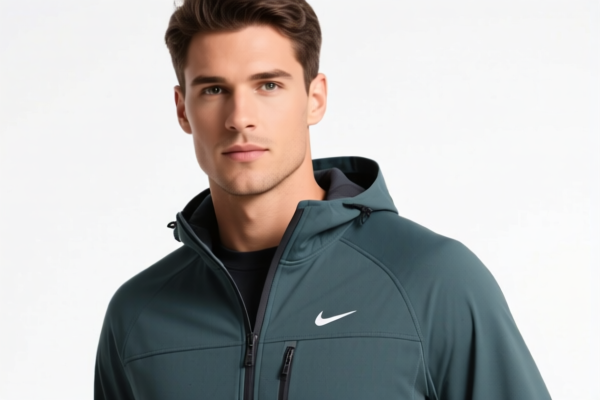
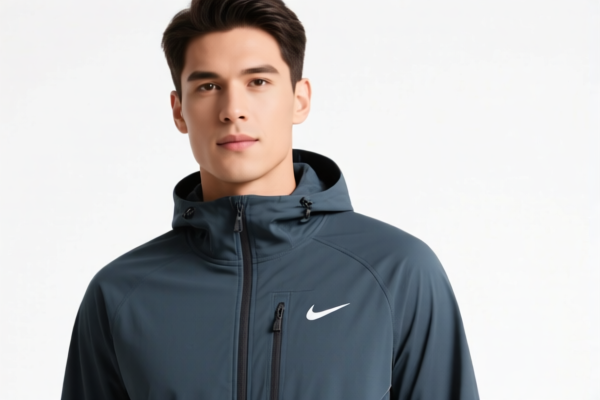
boys cotton recreational performance outerwear
CN → US| HS Code | Tariff Rate | Origin | Destination | Doc |
|---|---|---|---|---|
| 6201305051 | 26.9% | CN | US | Official Doc |
| 6201405011 | 45.2% | CN | US | Official Doc |
| 6101302010 | 45.7% | CN | US | Official Doc |
| 6103220020 | 0.0% | CN | US | Official Doc |
| 6103220030 | 0.0% | CN | US | Official Doc |
Product Images


AI Analysis
🧢🧥 Boys Cotton Recreational Performance Outerwear: HS Code & US Tariff Guide (2026)
🌐 HS Code Reference & Clearance Strategy | 2026 Latest Tariff Breakdown | Professional Export Compliance
📌 I. Product Definition & Classification: Is It Cotton or Synthetic?
"Boys Cotton Recreational Performance Outerwear" refers to jackets, coats, or suits designed for male children, specifically intended for casual or sports-related activities. In international trade, the classification hinges on two critical factors: Material Composition and Garment Form (Jacket vs. Ensemble/Suit).
The Critical Distinction: * Cotton vs. Synthetic: The material dictates the HS Code chapter (6201 for woven cotton, 6101 for knitted, 6103 for sets). * Jacket vs. Suit (Ensemble): A single outerwear piece (jacket) differs tax-wise from a "suit" (matching jacket + trousers/skirt) worn as a single unit.
⚠️ Key Classification Logic:
- Woven Cotton Jacket (6201) → Lower base tax, but high US surcharges.
- Knitted/Synthetic Jacket (6101/6201) → Higher base tax due to material origin rules.
- Boys' Suit (Jacket + Pants) (6103) → Tax is calculated "Rate Applicable to Each Garment" + Surcharges.
📦 II. HS Code Classification Matrix (2026 US Tariff Data)
Based on the specific descriptions provided for Boys' Cotton Recreational Outerwear, here are the exact classifications and their associated tax structures.
| HS Code | Product Description (Summary) | Material/Form Analysis | Applicable Tax Rate |
|---|---|---|---|
| 6201.30.50.51 | Boys' Recreational Outerwear (Woven) | Material: Inferred Cotton. Form: Jacket/Coat matching recreational use. Key: Woven outerwear, cotton. |
26.9% |
| 6201.40.50.11 | Boys' Recreational Outerwear (Synthetic) | Material: Inferred Man-made Fibers/Synthetic. Form: Jacket. Key: Woven, non-cotton. |
45.2% |
| 6101.30.20.10 | Boys' Outerwear (Knitted/Synthetic) | Material: Man-made Fibers or Cotton. Form: Knitted/Jacket. Key: Knitted structure, high base rate. |
45.7% |
| 6103.22.00.20 | Boys' Cotton Recreational Suit (Knitted) | Material: 100% Cotton. Form: Suit/Ensemble (Jacket + Pants). Key: Taxed as "each garment in ensemble." |
(Ensemble Rate) + 17.5% |
| 6103.22.00.30 | Boys' Cotton Recreational Suit (Knitted) | Material: 100% Cotton. Form: Suit/Ensemble. Key: No material/use conflict; taxed per garment. |
(Ensemble Rate) + 17.5% |
💰 III. 2026 US Tariff Breakdown & Policy Details
✅ Target Market: United States (US)
✅ Origin: China (CN) (Implied by specific surcharge structure)
✅ Tax Structure: Base Tariff + Section 301 (Add-on) + Section 122 (Reciprocal)
🎯 1. Woven Cotton Jacket: HS Code 6201.30.50.51
The "Cotton Advantage" (Relative)
| Component | Rate | Description |
|---|---|---|
| Base Tariff | 9.4% | Standard Most-Favored-Nation (MFN) rate for woven cotton jackets. |
| Section 301 Add-on | 7.5% | "Section 301" (Often labeled as "Add-on" in legacy data) applies to certain apparel. |
| Section 122 | 10.0% | Reciprocal Tariff (Section 122): Applied to goods from specific countries in retaliation or trade imbalance. |
| TOTAL TAX | 26.9% | Lowest among the cotton options. |
📌 Why 26.9%?
This code represents the most favorable classification for Cotton woven outerwear. The base tariff is low (9.4%), but the mandatory US add-ons (7.5% + 10%) push the total to nearly 27%.
🎯 2. Woven Synthetic Jacket: HS Code 6201.40.50.11
The "Synthetic Penalty"
| Component | Rate | Description |
|---|---|---|
| Base Tariff | 27.7% | Higher base rate for man-made fibers (polyester, nylon, etc.). |
| Section 301 Add-on | 7.5% | Mandatory surcharge. |
| Section 122 | 10.0% | Mandatory reciprocal tariff. |
| TOTAL TAX | 45.2% | High Cost. |
📌 Critical Insight:
If the material is Synthetic, the base tariff jumps from 9.4% to 27.7%. Combined with surcharges, the cost nearly doubles compared to cotton. Material verification is critical!
🎯 3. Knitted Outerwear (Man-made): HS Code 6101.30.20.10
The "Knitted & Synthetic" Challenge
| Component | Rate | Description |
|---|---|---|
| Base Tariff | 28.2% | Base rate for knitted outerwear, man-made fibers. |
| Section 301 Add-on | 7.5% | Mandatory surcharge. |
| Section 122 | 10.0% | Mandatory reciprocal tariff. |
| TOTAL TAX | 45.7% | Highest Base Rate. |
📌 Note: This code applies if the jacket is Knitted (not woven) and made of Man-made fibers. The base rate is even higher than the woven synthetic version.
🎯 4 & 5. Boys' Cotton Suits (Ensembles): HS Code 6103.22.00.20 / .30
The "Suit Calculation Trap"
| Component | Rate | Description |
|---|---|---|
| Base Tariff | Ensemble Rate | Calculated as: Rate(Jacket) + Rate(Pants) if sold separately. |
| Section 301 Add-on | 7.5% | Applied to the ensemble value. |
| Section 122 | 10.0% | Applied to the ensemble value. |
| TOTAL TAX | Ensemble Rate + 17.5% | Complex Calculation. |
📌 Crucial Warning:
For suits (jacket + pants), the US does not apply a flat "suit" tariff. Instead, it calculates:
(Tariff on Jacket) + (Tariff on Pants) + 7.5% + 10%.
This often results in a cumulative tax burden higher than a single jacket if the pants are taxed heavily.
🛠️ IV. Clearance Practical Advice (Actionable Strategies)
✅ 1. Material Declaration Strategy (The #1 Pitfall)
- The Trap: Declaring "Cotton" when the fabric contains 5% polyester can shift your classification from 6201.30 (9.4%) to 6201.40 (27.7%).
- The Fix: Ensure lab tests are provided. If the composition is 95%+ Cotton, stick to 6201.30.50.51.
- Action: If the material is synthetic, do not attempt to misclassify as cotton. The 18.3% difference in base tariff will trigger audits.
✅ 2. "Suit" vs. "Jacket" Packaging
- The Trap: Shipping a jacket and pants as a "Suit" (HS 6103) when they are intended to be worn separately.
- The Fix: If the pants and jacket are not "set out for retail sale as a suit," consider separating them in the invoice if possible, or ensuring they truly meet the "ensemble" definition in Section XI Note 3.
- Tip: Suits often attract higher scrutiny due to the "Rate Applicable to Each Garment" calculation.
✅ 3. Documentation Checklist for US Customs (CBP)
| Document | Requirement | Why? |
|---|---|---|
| Fiber Content Tag | Must be visible & accurate | To prove 6201.30 (Cotton) vs 6201.40 (Synthetic). |
| Woven vs. Knitted Spec | Fabric swatch or weave diagram | To distinguish Chapter 62 (Woven) from Chapter 61 (Knitted). |
| Invoice (Commercial) | Must list "Boys' Recreational Outerwear" | Must match HS Code summary exactly. |
| Bill of Materials (BOM) | Detailed fabric breakdown | To defend against "Section 122" origin challenges. |
🌍 V. Global Market Comparison (2026 Context)
| Market | HS Code Strategy | Estimated Total Cost | Notes |
|---|---|---|---|
| 🇺🇸 USA | 6201.30.50.51 (Cotton) | 26.9% | Best option. High base for synthetic (45.2%). |
| 🇪🇺 EU | 6201.30 (Cotton) | ~5-10% | No Section 122. No Section 301 surcharges. |
| 🇯🇵 Japan | 6201.30 (Cotton) | ~5-10% | No reciprocal tariffs. |
| 🇨🇦 Canada | 6201.30 (Cotton) | ~5-10% | No Section 122. |
📌 Conclusion: The USA is the most expensive market for this product due to the 17.5% mandatory surcharges (7.5% + 10%). - Cotton is the only viable path to minimize costs in the US. - Synthetic options face a ~45% tax burden, effectively killing profit margins.
🚨 VI. Common Errors & Avoidance (Blood & Sweat Lessons)
❌ Error 1: Material Mix-up
👉 Consequence: Declaring 100% Cotton but the fabric is 50/50 blend.
👉 Result: Classification shifts to 6201.40.50.11 → Tax jumps from 26.9% to 45.2%.
✅ Fix: Always run a third-party fiber analysis.
❌ Error 2: Ignoring "Section 122" (10%)
👉 Consequence: Budgeting only for the 9.4% base tariff.
👉 Result: 17.5% extra cost appears at the dock.
✅ Fix: Budget Total Tax (Base + 17.5%), not just Base.
❌ Error 3: Misclassifying Suits
👉 Consequence: Applying a "suit" flat rate instead of summing jacket + pants.
👉 Result: Underpayment, leading to CBP audits and penalties.
✅ Fix: Calculate the "Rate Applicable to Each Garment" precisely.
🎯 VII. Final Verdict: The "Cotton is King" Strategy
For Boys Cotton Recreational Performance Outerwear entering the US:
- Aim for HS Code 6201.30.50.51: It offers the lowest possible total tax at 26.9%.
- Avoid 6201.40: The synthetic version hits 45.2%.
- Avoid 6101.30: Knitted synthetic hits 45.7%.
- Suits (6103): Only use if the "Jacket + Pants" ensemble definition is strictly met; otherwise, the calculation complexity is a risk.
🔥 Pro Tip: If you have a choice between Woven Cotton and Woven Synthetic, Woven Cotton is the clear winner for US imports. The 18.3% base tariff difference is massive.
✨ Clearance is Precision, Not Guesswork!
💼 Verify your fabric content NOW to save 18.3% in tariffs.
Customer Reviews
About HS Code Classification
The Harmonized System (HS) is an internationally standardized nomenclature developed by the World Customs Organization (WCO) to classify traded products. Over 200 countries use the HS system as the basis for customs tariffs, trade statistics, and import/export regulations.
Each HS code follows a hierarchical structure:
- Chapter (2 digits) — Broad category of goods (e.g., Chapter 84: Machinery and Mechanical Appliances)
- Heading (4 digits) — More specific grouping within the chapter
- Subheading (6 digits) — Internationally standardized breakdown, used by all WCO member countries
- National subdivisions (8-10 digits) — Country-specific extensions for further classification, such as US HTSUS 10-digit codes
Correct HS code classification is essential for smooth customs clearance, accurate duty payment, and compliance with trade regulations. Misclassification can lead to customs delays, overpayment of duties, or penalties.
When importing from CN to US, the applicable tariff rates may include:
- Most-Favored-Nation (MFN) rate — The standard duty rate applied to WTO members
- General rate — Applied to countries without trade agreements
- Trade remedy duties — Additional tariffs such as Section 301 (anti-dumping), Section 232 (national security), or countervailing duties
The information provided on this page is for reference purposes only. For official classification, please consult with your local customs authority or a licensed customs broker.