boys knitted
CN → US| HS Code | Tariff Rate | Origin | Destination | Doc |
|---|---|---|---|---|
| 6109100014 | 34.0% | CN | US | Official Doc |
| 6111203000 | 32.4% | CN | US | Official Doc |
| 6110202015 | 34.0% | CN | US | Official Doc |
| 6110303015 | 49.5% | CN | US | Official Doc |
| 6109901009 | 49.5% | CN | US | Official Doc |
Product Images
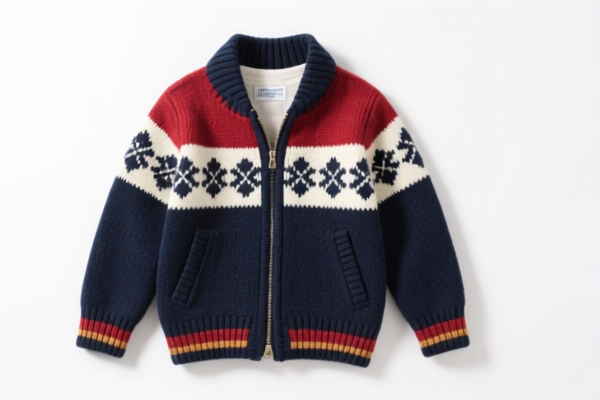
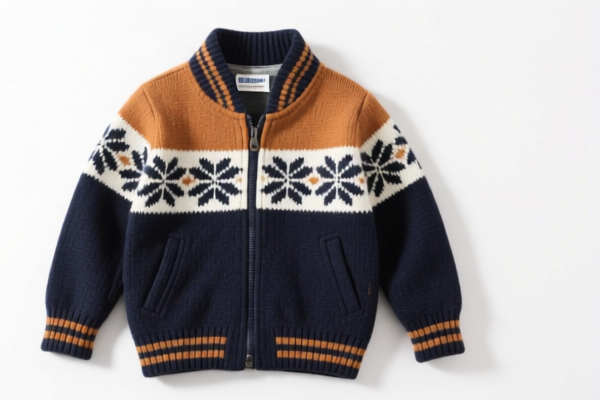
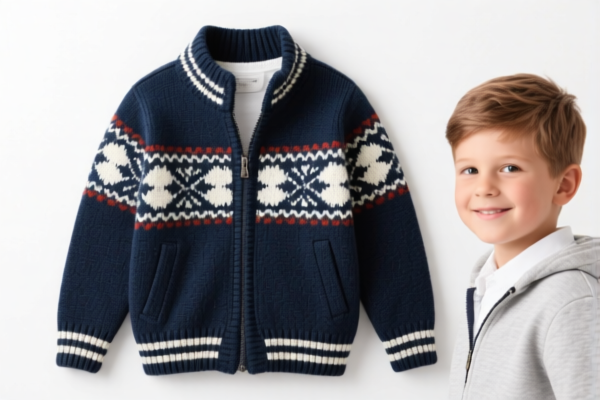

AI Analysis
👕 Boys Knitted Garments: HS Code Classification & Tax Analysis (2026 Edition)
🌐 HS Code Reference & Customs Clearance Guide | Latest 2026 Tariff Breakdown | Professional Entry Strategy
📌 I. Product Definition & Classification: Are You Sure You Know "Boys Knitted"?
"Boys Knitted" is a broad category in international trade, primarily encompassing boys' knitted or crocheted apparel. In the context of current trade data, this category is further细分 (subdivided) based on: * Material Composition: Cotton, Synthetic Fibers, or Artificial Fibers. * Garment Type: T-shirts (undergarments/outerwear), Sweaters, or Baby/Kids specific wear. * Target Age Group: General boys' wear vs. Infant/Toddler specific wear.
⚠️ Key Distinction Point:
- Cotton-based items (e.g., T-shirts, Sweaters) typically fall under 6109, 6111, or 6110.20.
- Synthetic/Artificial Fiber items (e.g., Polyester T-shirts, Acrylic Sweaters) fall under 6109.90, 6110.30, etc.
- Infant/Toddler specific items may have different duty rates under 6111.20.
📦 II. HS Code Classification Details (2026 Latest Tariff Authority Comparison)
The following HS Codes are derived from the provided data for "Boys Knitted" products, categorized by material and specific use.
| HS Code | Product Description | Application Scenario | Primary Material Inferred | Total Tax Rate |
|---|---|---|---|---|
6109.10.00.14 |
Knitted T-shirts (Undergarments/Outerwear) | Boys' Cotton T-shirts | ✅ Cotton or Synthetic Blend | 34.0% |
6111.20.30.00 |
Baby/Kids Knitted Clothing | Boys' Infant/Toddler Wear | ✅ Cotton | 32.4% |
6110.20.20.15 |
Knitted Sweaters/Jumpers | Boys' Cotton Sweaters | ✅ Cotton | 34.0% |
6110.30.30.15 |
Knitted Sweaters/Jumpers | Boys' Synthetic/Acrylic Sweaters | ❌ Synthetic/Artificial | 49.5% |
6109.90.10.09 |
Knitted T-shirts (Other) | Boys' Synthetic/Artificial T-shirts | ❌ Artificial Fiber | 49.5% |
🔍 Key Insight:
- Cotton-based boys' knitted wear generally faces a total tax burden of 32.4% - 34.0%.
- Synthetic/Artificial fiber boys' knitted wear faces a significantly higher burden of 49.5% due to higher base tariffs.
- Infant/Toddler specific cotton wear (6111.20.30.00) has a slightly lower total rate (32.4%) compared to general boys' cotton wear.
💰 III. 2026 Latest Tariff Rate Breakdown (Including Surtaxes & Policy Add-ons)
✅ Applicable Country: United States (US)
✅ Origin: China (CN)
✅ Effective Time: 2025/2026 (Current Trade Policy)
🎯 1. Cotton-Based Items (6109.10.00.14, 6110.20.20.15, 6111.20.30.00)
| Item | Content |
|---|---|
| Base Tariff | 14.9% - 16.5% (ad valorem) |
| Section 301 Surtax | +7.5% (Specific to certain textile categories) |
| Section 122 Surtax | +10% (Specific import provision) |
| Total Tax Rate | 32.4% - 34.0% |
| Tax Calculation | CIF Value × Total Rate |
| De Minimis Eligibility | ❌ Not Eligible (Textiles are generally excluded from Section 321 de minimis exemptions) |
| Legal Basis Path | HTSUS:6109/6110/6111 → Section 301 Footnote → Section 122 Provision |
📌 Explanation:
- The base tariff varies slightly depending on whether it is a T-shirt (6109), Sweater (6110), or Infant wear (6111).
- The Section 301 surtax (7.5%) is a standard penalty on many Chinese textile imports.
- The Section 122 surtax (10%) is an additional protectionist measure applied to specific textile and apparel categories.
- Total rates range from 32.4% to 34.0%. This is a high-cost category for US importers.
🎯 2. Synthetic/Artificial Fiber Items (6110.30.30.15, 6109.90.10.09)
| Item | Content |
|---|---|
| Base Tariff | 32.0% (ad valorem) |
| Section 301 Surtax | +7.5% |
| Section 122 Surtax | +10% |
| Total Tax Rate | 49.5% |
| Tax Calculation | CIF Value × 49.5% |
| De Minimis Eligibility | ❌ Not Eligible |
| Legal Basis Path | HTSUS:6109/6110 (Synthetic) → Section 301 Footnote → Section 122 Provision |
📌 Explanation:
- Base tariff is significantly higher (32.0%) for synthetic/artificial fiber garments compared to cotton.
- The same surtaxes (7.5% + 10%) apply, pushing the total rate to 49.5%.
- High-cost Alert: Synthetic boys' knitted wear is nearly 15-17% more expensive in duties than cotton equivalents.
🛠️ IV. Customs Clearance Practical Advice (Battle-Tested Pitfall Guide)
✅ 1. Required Document Checklist (Non-Negotiable)
| Document | Must Provide | Description |
|---|---|---|
| ✅ Product Spec Sheet | ✔️ | Details: Fabric content (e.g., 100% Cotton vs. 100% Polyester), garment type, size range. |
| ✅ Laboratory Test Report | ✔️ | Fiber composition analysis is critical to determine HS Code (Cotton vs. Synthetic). |
| ✅ Product Photos (with Labels) | ✔️ | Clear view of care labels showing material composition (e.g., "100% Cotton"). |
| ✅ Commercial Invoice | ✔️ | Must explicitly state "Boys Knitted T-Shirt/Sweater" and material. |
| ✅ Packing List | ✔️ | Item count, weights, and dimensions. |
| ✅ Origin Certificate (CO) | ✔️ | To prove origin as China (CN) for surtax calculation. |
✅ 2. Declaration Tips (Key Mantras)
🔥 "Material Defines Code, Label Defines Truth, Don't Split Shipments!"
| Scenario | Correct Declaration | Incorrect Practice |
|---|---|---|
| 100% Cotton T-Shirt | 6109.10.00.14 |
Declare as "Synthetic" → 49.5% (Overpay) |
| Polyester Sweater | 6110.30.30.15 |
Declare as "Cotton" → 34% (Underpay, High Risk of Penalty) |
| Baby Knitted Onesie | 6111.20.30.00 |
Declare as "Boys Sweater" → 34% (Missed 32.4% saving) |
| Mixed Pack (Cotton + Synthetic) | Split Declaration | Mixed declaration → Audit risk, delayed clearance |
✅ 3. Special Cases Handling
| Situation | Handling Advice |
|---|---|
| OEM/Private Label | Ensure the label matches the declaration. If the label says 100% Cotton but you declare 100% Polyester, Customs will reject or penalize. |
| Blended Fabrics (e.g., 80% Cotton, 20% Polyester) | Generally classified based on principal material (Cotton). Declare under 6109.10 or 6110.20 if cotton is >50%. |
| "Unisex" or "Kids" Labeling | If explicitly marketed as "Boys" or fits boys' size charts, use boys' specific codes. If ambiguous, consult with a customs broker to avoid misclassification. |
| Sample Shipments | Even for samples, duties apply. Do not rely on "De Minimis" for textiles. |
🌍 V. Global Market Comparison (2026 Latest)
| Country/Region | Recommended HS Code | Duty Rate (China Origin) | Certification Requirements | Notes |
|---|---|---|---|---|
| 🇺🇸 United States | 6109.10.00.14 / 6110.20.20.15 |
32.4% - 49.5% | CPC (Consumer Product Safety) | High Surcharge: 301 + 122 |
| 🇨🇳 China | 6109.10.00.14 |
5% - 7% | CCC (if applicable) | Low duty, no surcharge |
| 🇪🇺 European Union | 6109.10.00 |
12% - 16% | CE (if applicable) | No Section 301/122 |
| 🇬🇧 United Kingdom | 6109.10.00 |
12% - 16% | UKCA | Post-Brexit, no US-style surcharges |
| 🇨🇦 Canada | 6109.10.00 |
17.5% | Not Applicable | No US-style surcharges |
📌 Conclusion:
- The US market is the most expensive for Chinese-born textile imports due to Section 301 (7.5%) and Section 122 (10%) surcharges.
- EU/UK/Canada have standard tariffs without these punitive add-ons, making them more cost-effective for Chinese manufacturers.
📌 VI. Common Errors & Pitfall Guide (Lessons Learned)
❌ Error 1: Misdeclaring Cotton as Synthetic (or vice versa)
👉 Consequence: Audit, penalties, and retroactive duty payments. Fiber composition is the #1 reason for customs holds.
❌ Error 2: Ignoring Age Group (Boys vs. Infants)
👉 Consequence: Using 6110 (Sweater) for a baby onesie (6111) results in higher duties (34% vs. 32.4%).
❌ Error 3: Assuming De Minimis applies to Textiles
👉 Consequence: Section 321 de minimis exemption (under $800) does NOT apply to most Chinese textile imports. Expect full duty payment.
❌ Error 4: Vague Description "Knitted Shirt"
👉 Consequence: Customs may apply the highest duty rate (49.5%) or hold the shipment for classification review.
✅ Correct Practice:
"Boys' 100% Cotton Knitted T-Shirt, Short Sleeve, Crew Neck, Size 4-6, Made in China, HS: 6109.10.00.14"
🎯 VII. Conclusion: Precision Classification, Cost Optimization!
🎯 Remember the Mantra:
🔹 "Cotton is Cheaper (34%), Synthetic is Costly (49.5%)."
🔹 "Label Matches Declaration, Avoid Customs Holds."
🔹 "Textiles Don't Qualify for De Minimis – Pay Up Early!"
📌 Pro Tip:
- If your product is 100% Cotton, aim for 6109.10.00.14 or 6110.20.20.15.
- If it's Synthetic, prepare for 6109.90.10.09 or 6110.30.30.15 with a 49.5% duty hit.
- For Infants, check 6111.20.30.00 for a slight saving (32.4%).
📞 Action Item:
- Test your fabric for exact composition.
- Align labels with HS Code declaration.
- Consult a broker for pre-classification if unsure.
✨ Professional Clearance Starts with Accurate Classification!
💼 Every Percent of Duty Saved is Pure Profit!
Customer Reviews
About HS Code Classification
The Harmonized System (HS) is an internationally standardized nomenclature developed by the World Customs Organization (WCO) to classify traded products. Over 200 countries use the HS system as the basis for customs tariffs, trade statistics, and import/export regulations.
Each HS code follows a hierarchical structure:
- Chapter (2 digits) — Broad category of goods (e.g., Chapter 84: Machinery and Mechanical Appliances)
- Heading (4 digits) — More specific grouping within the chapter
- Subheading (6 digits) — Internationally standardized breakdown, used by all WCO member countries
- National subdivisions (8-10 digits) — Country-specific extensions for further classification, such as US HTSUS 10-digit codes
Correct HS code classification is essential for smooth customs clearance, accurate duty payment, and compliance with trade regulations. Misclassification can lead to customs delays, overpayment of duties, or penalties.
When importing from CN to US, the applicable tariff rates may include:
- Most-Favored-Nation (MFN) rate — The standard duty rate applied to WTO members
- General rate — Applied to countries without trade agreements
- Trade remedy duties — Additional tariffs such as Section 301 (anti-dumping), Section 232 (national security), or countervailing duties
The information provided on this page is for reference purposes only. For official classification, please consult with your local customs authority or a licensed customs broker.