braided flower baskets
CN → US| HS Code | Tariff Rate | Origin | Destination | Doc |
|---|---|---|---|---|
| 4602110700 | 35.0% | CN | US | Official Doc |
| 4602110900 | 45.0% | CN | US | Official Doc |
| 3926909989 | 22.8% | CN | US | Official Doc |
| 4601920500 | 37.7% | CN | US | Official Doc |
Product Images
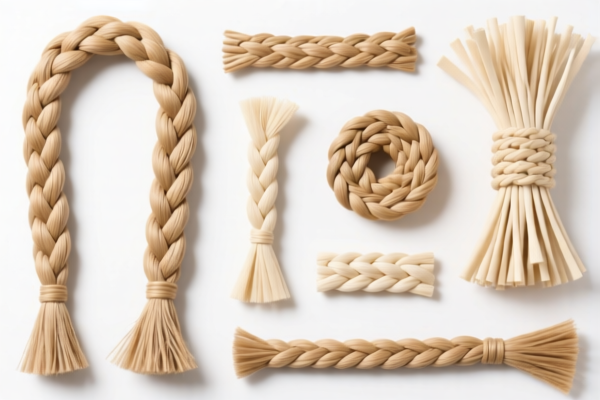
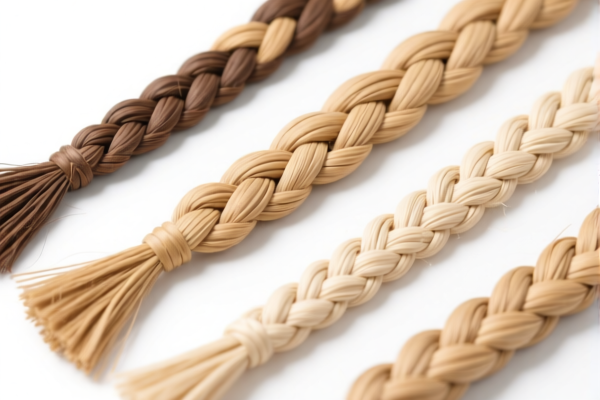
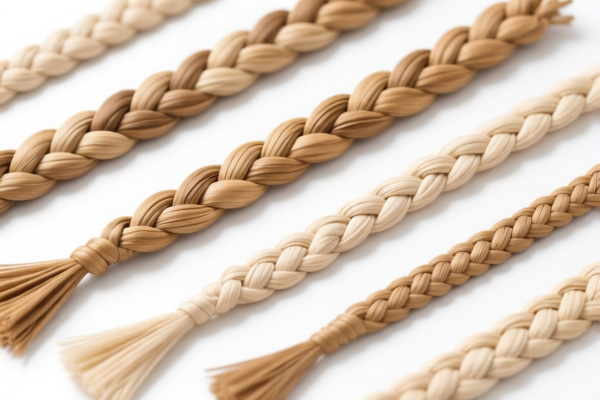
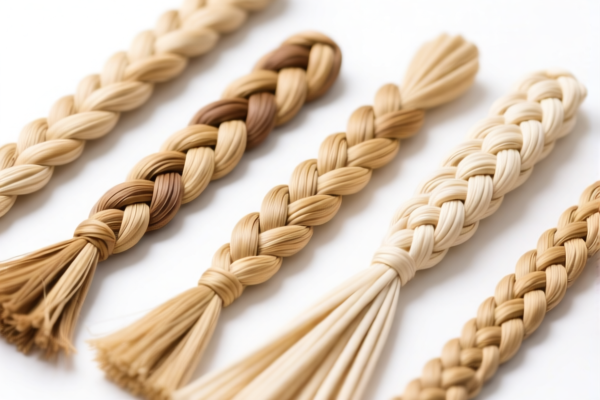
AI Analysis
🌸 Braided Flower Baskets: Global Trade Classification & U.S. Customs Clearance Guide
🌐 HS Code Reference & Clearance Strategy | 2026 Updated Tariff Analysis | Professional Import Compliance
📌 I. Product Definition & Classification: Are You Selling "Baskets" or "Plastic Art"?
Braided Flower Baskets are decorative containers used for floral arrangements, home decor, or gifting. In international trade, their classification hinges entirely on material composition and manufacturing process. Misclassifying a bamboo basket as plastic (or vice versa) can lead to drastic differences in duty rates, compliance requirements, and clearance delays.
⚠️ Key Distinction Points:
- Natural Plant Materials (Bamboo, Willow, Rattan): Classified under Chapter 46 (Products of weaving materials).
- Synthetic/Plastic Materials (PP strips, synthetic reeds): Classified under Chapter 39 (Plastics and articles thereof).
- Ready-made vs. Semi-finished: Finished baskets go to 4602; woven mats/unfinished products go to 4601.
📦 II. HS Code Classification Matrix (Based on Provided Data)
Based on the provided dataset, here is the authoritative breakdown for Braided Flower Baskets imported into the United States.
| HS Code | Product Description | Material Inference | Tax Rate (Total) |
|---|---|---|---|
4602.11.07.00 |
Woven baskets of bamboo, willow, or similar plant fibers | Natural Plant Fiber (Bamboo/Willow) | 35.0% |
4602.11.09.00 |
Other woven baskets of vegetable materials | Other Plant Fiber (Rattan/Reed/etc.) | 45.0% |
3926.90.99.89 |
Other articles of plastics, incl. synthetic fiber products | Synthetic/Plastic (PP/Fiber blend) | 22.8% |
4601.92.05.00 |
Woven mats & matting, plaited materials (incl. basket-like) | Woven Material (Basket-like structure) | 37.7% |
🔍 Critical Insight:
- Plastic-based baskets (3926.90.99.89) currently have the lowest total tax burden (22.8%) due to lower base duties, despite US tariffs.
- Natural fiber baskets (4602.11.07.00/4602.11.09.00) face higher tariffs (35%–45%) due to higher base rates combined with Section 301/122 clauses.
- Woven mats/plaits (4601.92.05.00) are a niche category for basket components or flat woven goods, not typically finished 3D baskets.
💰 III. 2026 U.S. Tariff Breakdown (China Origin)
✅ Applicable Country: United States (US)
✅ Origin: China (CN)
✅ Regulatory Context: Includes Base MFN Rate, Section 301 (Trade War), and Section 122 (China Trade) Tariffs.
🎯 1. 4602.11.07.00 – Bamboo/Willow Woven Baskets
| Item | Detail |
|---|---|
| Base Duty (MFN) | 0.0% |
| Section 301 Duty | +25.0% (USITC Footnote 9903.88.01) |
| Section 122 Duty | +10.0% (China-specific trade restriction) |
| Total Tax Rate | 35.0% |
| De Minimis Exemption? | ❌ No (deny_de_minimis) |
| Legal Path | Section 301: 9903.88.01 → Section 122 → USITC: 4602.11.07.00 |
📌 Explanation:
- Although the base duty is 0%, the 35% total hit makes this category expensive.
- Section 301 (25%) and Section 122 (10%) are cumulative.
- Strategy: If using bamboo, ensure precise material declaration to avoid misclassification into4602.11.09.00(45%).
🎯 2. 4602.11.09.00 – Other Vegetable Fiber Baskets
| Item | Detail |
|---|---|
| Base Duty (MFN) | 10.0% |
| Section 301 Duty | +25.0% |
| Section 122 Duty | +10.0% |
| Total Tax Rate | 45.0% |
| De Minimis Exemption? | ❌ No (deny_de_minimis) |
| Legal Path | Section 301 → Section 122 → USITC: 4602.11.09.00 |
📌 Explanation:
- This is the highest tax bracket for natural fiber baskets.
- Applies to materials other than bamboo/willow (e.g., rattan, reed, straw) if not explicitly listed in07.00.
- Warning: Do not declare "Rattan" as "Bamboo" to save tax; CBP audits frequently catch this.
🎯 3. 3926.90.99.89 – Plastic/Synthetic Woven Baskets
| Item | Detail |
|---|---|
| Base Duty (MFN) | 5.3% |
| Section 301 Duty | +7.5% (Reduced for some plastics under specific HTS) |
| Section 122 Duty | +10.0% |
| Total Tax Rate | 22.8% |
| De Minimis Exemption? | ❌ No (deny_de_minimis) |
| Legal Path | Section 301 → Section 122 → USITC: 3926.90.99.89 |
📌 Explanation:
- Lowest tax rate among the options (22.8%).
- Applies to baskets made from PP (Polypropylene) strips, synthetic reeds, or plastic fibers that mimic natural look.
- Strategy: If designing a new product, consider using food-grade PP plastic woven strips to legally qualify for this lower rate, avoiding the "Natural Fiber" trap.
🎯 4. 4601.92.05.00 – Woven Mats/Plaited Materials
| Item | Detail |
|---|---|
| Base Duty (MFN) | 2.7% |
| Section 301 Duty | +25.0% |
| Section 122 Duty | +10.0% |
| Total Tax Rate | 37.7% |
| De Minimis Exemption? | ❌ No (deny_de_minimis) |
| Legal Path | Section 301 → Section 122 → USITC: 4601.92.05.00 |
📌 Explanation:
- This code is for semi-finished woven goods or flat woven products that may be used to make baskets, but are not yet fully formed 3D baskets.
- Do not use for finished flower baskets unless they are shipped as disassembled mats (which may trigger "assembly in the US" rules).
🛠️ IV. Customs Clearance Practical Advice
✅ 1. Documentation Checklist (Mandatory)
| Document | Requirement | Purpose |
|---|---|---|
| Product Specification Sheet | ✅ Required | Must specify exact material (e.g., "100% Bamboo" vs. "PP Plastic") |
| Material Declaration | ✅ Required | CBP requires detailed material breakdown (e.g., "Woven PP strips, 2mm width") |
| Commercial Invoice | ✅ Required | Clearly state: "Braided Flower Basket, Made in China" |
| Packing List | ✅ Required | Net/Gross weight per unit |
| FCC/ROHS (if plastic) | ⚠️ If Applicable | Synthetic baskets with electronics (rare) may need compliance |
| Fumigation Certificate (Wood) | ⚠️ If Wood | If "natural" includes wood elements (not just fiber), ISPM 15 applies |
📌 Note: For Plastic Baskets (
3926...), no fumigation is needed. For Natural Baskets (4602...), if they contain wooden handles or frames, fumigation may be required.
✅ 2. Classification Strategy & Risk Mitigation
| Scenario | Recommended HS Code | Risk |
|---|---|---|
| Real Bamboo/Willow | 4602.11.07.00 |
Low risk if material is verified. High tax (35%). |
| Rattan/Reed/Straw | 4602.11.09.00 |
High tax (45%). Ensure not mislabeled as bamboo. |
| PP Plastic Strips | 3926.90.99.89 |
Lowest Tax (22.8%). Ensure no natural fibers are >5%. |
| Mixed Material (Plastic + Bamboo) | Case-by-Case | If >50% plastic → 3926; If >50% natural → 4602. Declare accurately. |
🔥 Pro Tip:
"If it looks like bamboo but is made of plastic, declare it as plastic."
CBP uses X-ray and material analysis. Misdeclaring plastic as natural bamboo to avoid Section 301/122 is considered fraud and can lead to seizures and penalties.
✅ 3. Special Cases & FAQs
| Case | Advice |
|---|---|
| De Minimis (Section 321) | ❌ Not Eligible. All these HS codes are on the deny_de_minimis list for Chinese goods. 100% duty applies even for packages <$800. |
| Section 301 Exclusions | ❌ Generally Not Available for these basket codes in 2026. Check current USTR list for any new exclusions, but historically, woven goods are targeted. |
| OEM/Private Label | Provide design specs to prove material composition. |
| Gift Sets | If basket is part of a flower gift set, the basket is the essential character → Classify as basket. |
🌍 V. Global Market Comparison (2026)
| Market | HS Code | Total Duty | Notes |
|---|---|---|---|
| 🇺🇸 USA (China Origin) | 4602.11.07.00 / 3926.90.99.89 |
35% / 22.8% | High due to Section 301 + 122. No de minimis. |
| 🇪🇺 EU | 4602.11 / 3926.90 |
~5-6% | No Section 301/122. Lower base duties. |
| 🇨🇳 China (Import) | 4602.11 / 3926.90 |
0-10% | Preferential rates for ASEAN countries. |
| 🇬🇧 UK | 4602.11 / 3926.90 |
~6% | Post-Brexit tariff aligns with EU mostly. |
📌 Conclusion:
- The US is the most expensive market due to punitive tariffs.
- Plastic-based baskets (3926...) are significantly more competitive in the US market than natural fiber baskets.
📌 VI. Common Mistakes & Pitfalls
❌ Mistake 1: Declaring a plastic basket as "Bamboo" to avoid Section 301.
👉 Result: CBP seizure, penalty, and loss of import privileges.
❌ Mistake 2: Assuming de minimis ($800) applies.
👉 Result: Packages held at customs, duties + storage fees charged. All these codes are denied de minimis.
❌ Mistake 3: Mixing materials without declaration.
👉 Result: If a basket has a bamboo frame but plastic liner, it may be classified as natural fiber (higher tax). Declare all components.
🎯 VII. Strategic Recommendation for Importers
- Material Shift: If possible, switch to high-quality PP woven plastic baskets to qualify for HS Code
3926.90.99.89(22.8% tax) instead of natural fiber (35-45%). - Supply Chain Diversification: If sourcing from Vietnam or Malaysia, verify if Section 122 applies (usually China-specific). Check for de minimis eligibility if non-Chinese origin.
- Pre-Clearance: For large volumes, request an Advance Ruling from CBP to confirm HS Code and duty liability.
- Marketing Angle: If using plastic, market as "Eco-Friendly Recyclable Synthetic" or "Indestructible Outdoor Basket" to justify durability and price point.
✨ Final Thought:
"In the age of Section 122 & 301, material science is your best tariff shield."
Choose plastic weave for cost efficiency, natural fiber for premium aesthetic, but always declare accurately.
📞 Need Help?
Contact a licensed customs broker to validate your specific product's material composition before shipping.
🚀 Clear the confusion, clear the customs.
Customer Reviews
About HS Code Classification
The Harmonized System (HS) is an internationally standardized nomenclature developed by the World Customs Organization (WCO) to classify traded products. Over 200 countries use the HS system as the basis for customs tariffs, trade statistics, and import/export regulations.
Each HS code follows a hierarchical structure:
- Chapter (2 digits) — Broad category of goods (e.g., Chapter 84: Machinery and Mechanical Appliances)
- Heading (4 digits) — More specific grouping within the chapter
- Subheading (6 digits) — Internationally standardized breakdown, used by all WCO member countries
- National subdivisions (8-10 digits) — Country-specific extensions for further classification, such as US HTSUS 10-digit codes
Correct HS code classification is essential for smooth customs clearance, accurate duty payment, and compliance with trade regulations. Misclassification can lead to customs delays, overpayment of duties, or penalties.
When importing from CN to US, the applicable tariff rates may include:
- Most-Favored-Nation (MFN) rate — The standard duty rate applied to WTO members
- General rate — Applied to countries without trade agreements
- Trade remedy duties — Additional tariffs such as Section 301 (anti-dumping), Section 232 (national security), or countervailing duties
The information provided on this page is for reference purposes only. For official classification, please consult with your local customs authority or a licensed customs broker.