bread basket
CN → US| HS Code | Tariff Rate | Origin | Destination | Doc |
|---|---|---|---|---|
| 4419199000 | 13.2% | CN | US | Official Doc |
| 3924104000 | 13.4% | CN | US | Official Doc |
| 6911104100 | 16.3% | CN | US | Official Doc |
| 6911108010 | 38.3% | CN | US | Official Doc |
| 3924103000 | 22.8% | CN | US | Official Doc |
Product Images
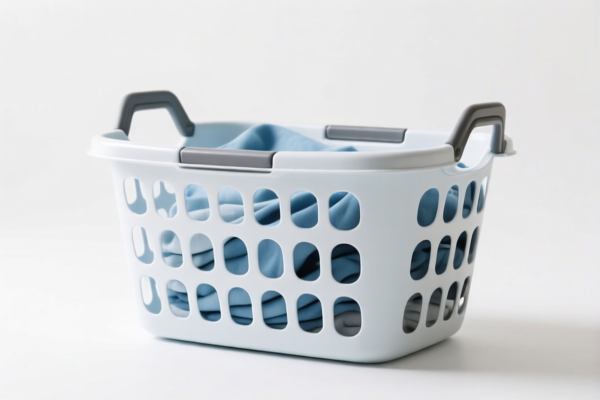
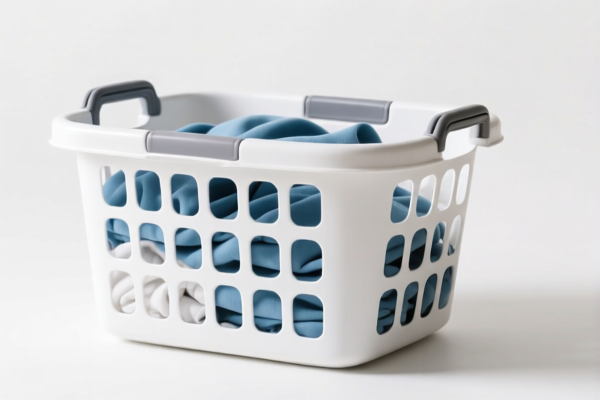
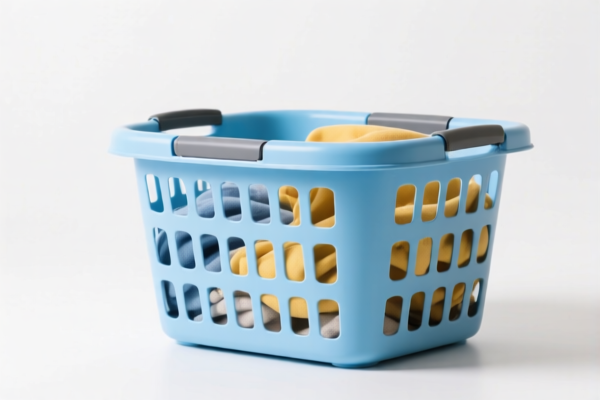
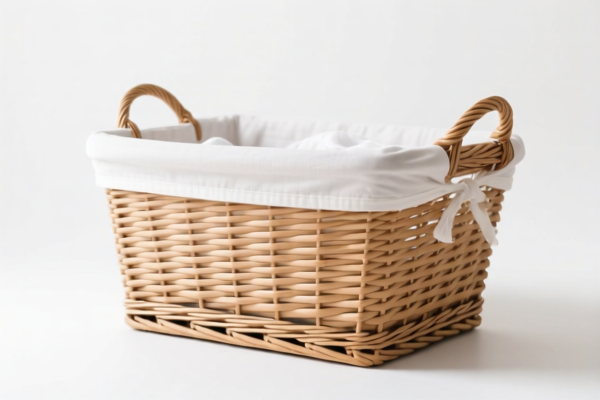
AI Analysis
🧺 Bread Baskets: HS Code Classification & Tariff Strategy (US Imports from China)
🌐 HS Code Reference & Customs Clearance Guide | 2026 Latest Tariff Analysis | Professional-Level Entry Strategy
📌 I. Product Definition & Classification: Do You Really Understand "Bread Baskets"?
In international trade, "Bread Baskets" are not just simple kitchenware; their classification depends heavily on material composition and intended use. They are primarily categorized into three types:
- Wood/Bamboo Baskets: Natural fiber products, classified under Chapter 44.
- Plastic Baskets: Synthetic polymer products, classified under Chapter 39.
- Ceramic Baskets: Inorganic non-metallic products, classified under Chapter 69.
⚠️ Critical Distinction:
- If it is wood/bamboo → It falls under 4419.
- If it is plastic → It falls under 3924.
- If it is ceramic → It falls under 6911, but specific sub-headings differ based on food-contact certification and basic tariff rates.
📦 II. HS Code Classification Details (2026 Latest Tariff Authority Comparison)
| HS Code | Product Description | Applicable Scenario | Material |
|---|---|---|---|
4419.19.90.00 |
Bread baskets, of wood or bamboo | Kitchen utensils, tableware | ✅ Wood/Bamboo |
3924.10.40.00 |
Bread baskets, of plastics | Tableware, household goods | ✅ Plastic |
3924.10.30.00 |
Bread baskets, of plastics or other non-metallic materials | Kitchen supplies | ✅ Plastic (High Tax Variant) |
6911.10.41.00 |
Bread baskets, of ceramicware | Kitchen utensils, tableware | ✅ Ceramic |
6911.10.80.10 |
Bread baskets, of ceramicware, for food contact | Food-contact specific uses | ✅ Ceramic (High Tax Variant) |
🔍 Key Reminder:
- Material is King: You cannot classify a plastic basket under wood (Ch 44) or vice versa.
- Ceramic Nuance: For ceramic items, the HS code splits based on the basic tariff rate. Even if both are "ceramic bread baskets," one may be taxed at 6.3% base while the other is taxed at 20.8% base.
💰 III. 2026 Latest Tariff Rate Detailed Breakdown (Including Surtaxes & Policy Surcharges)
✅ Applicable Country: United States (US)
✅ Country of Origin: China (CN)
✅ Effective Date: 2025/2026 (Current Terms)
🎯 1. 4419.19.90.00 —— Bread Baskets, of Wood or Bamboo
| Item | Content |
|---|---|
| Basic Tariff | 3.2% (ad valorem) |
| Section 301 Surcharge (Add-on) | 0.0% |
| Section 122 Surcharge | +10.0% |
| Total Tax Rate | 13.2% |
| Tax Calculation | CIF Value × 13.2% |
| Legal Basis | Section 301 applies 0%; Section 122 applies 10%. |
📌 Explanation:
- Wood/bamboo kitchenware enjoys a lower base tariff (3.2%).
- The total cost is relatively low compared to plastic/ceramic variants, making this a cost-effective classification for natural materials.
🎯 2. 3924.10.40.00 —— Bread Baskets, of Plastics (Standard)
| Item | Content |
|---|---|
| Basic Tariff | 3.4% (ad valorem) |
| Section 301 Surcharge (Add-on) | 0.0% |
| Section 122 Surcharge | +10.0% |
| Total Tax Rate | 13.4% |
| Tax Calculation | CIF Value × 13.4% |
| Legal Basis | Section 301 applies 0%; Section 122 applies 10%. |
📌 Note:
- This is the standard classification for common plastic tableware.
- Low base tariff makes it competitive, but still subject to the 10% Section 122 surcharge.
🎯 3. 3924.10.30.00 —— Bread Baskets, of Plastics (High Tax Variant)
| Item | Content |
|---|---|
| Basic Tariff | 5.3% (ad valorem) |
| Section 301 Surcharge (Add-on) | +7.5% |
| Section 122 Surcharge | +10.0% |
| Total Tax Rate | 22.8% |
| Tax Calculation | CIF Value × 22.8% |
| Legal Basis | Section 301 applies 7.5%; Section 122 applies 10%. |
📌 Warning:
- Even though it is plastic, if classified under this specific sub-heading, the Section 301 surcharge jumps to 7.5%.
- Total rate is 22.8%, significantly higher than3924.10.40.00.
- Cause for Concern: Misclassification here can lead to massive duty overpayment or underpayment penalties.
🎯 4. 6911.10.41.00 —— Bread Baskets, of Ceramicware (Standard)
| Item | Content |
|---|---|
| Basic Tariff | 6.3% (ad valorem) |
| Section 301 Surcharge (Add-on) | 0.0% |
| Section 122 Surcharge | +10.0% |
| Total Tax Rate | 16.3% |
| Tax Calculation | CIF Value × 16.3% |
| Legal Basis | Section 301 applies 0%; Section 122 applies 10%. |
📌 Explanation:
- Standard ceramic tableware benefits from a 0% Section 301 surcharge.
- A solid choice if the product does not require "special food contact" certification nuances.
🎯 5. 6911.10.80.10 —— Bread Baskets, of Ceramicware (High Tax Variant)
| Item | Content |
|---|---|
| Basic Tariff | 20.8% (ad valorem) |
| Section 301 Surcharge (Add-on) | +7.5% |
| Section 122 Surcharge | +10.0% |
| Total Tax Rate | 38.3% |
| Tax Calculation | CIF Value × 38.3% |
| Legal Basis | Section 301 applies 7.5%; Section 122 applies 10%. |
📌 Critical Alert:
- This is the highest tax bracket in the dataset.
- The Base Tariff alone is 20.8%, plus 7.5% Section 301, plus 10% Section 122.
- Total Effective Rate: 38.3%.
- Action Required: Avoid this code unless absolutely necessary for specific food-contact regulatory reasons. If possible, classify under6911.10.41.00if specifications allow.
🛠️ IV. Customs Clearance Practical Suggestions (Combat Pitfalls Guide)
✅ 1. Preparation Checklist (Missing Items Will Delay Clearance)
| Document | Must Provide | Explanation |
|---|---|---|
| ✅ Product Specification Sheet | ✔️ | Detail material (e.g., "100% Bamboo," "PP Plastic"), dimensions, weight. |
| ✅ Material Composition Certificate | ✔️ | Crucial for proving it is not "mixed" if claiming a lower-tier HS code. |
| ✅ Product Photos (Labeled) | ✔️ | Show the basket, handles, and any labels/markings clearly. |
| ✅ Commercial Invoice | ✔️ | Description must match HS Code summary exactly (e.g., "Bread Basket, Ceramic"). |
| ✅ Packing List | ✔️ | Ensure net/gross weight matches customs declarations. |
✅ 2. Declaration Tips (Key Mantra)
🔥 "Material First, Code Second. Don't Guess, Don't Guess!"
| Scenario | Correct Declaration | Wrong Practice |
|---|---|---|
| Wooden Basket | 4419.19.90.00 |
Declaring as "Tableware" (Generic) → Risk of Re-classification |
| Plastic Basket | 3924.10.40.00 (Low Tax) OR 3924.10.30.00 (High Tax) |
Assuming all plastics are the same → 22.8% vs 13.4% Difference! |
| Ceramic Basket | 6911.10.41.00 (Low Tax) OR 6911.10.80.10 (High Tax) |
Assuming all ceramics are 38.3% → Potential Savings of 22%! |
💡 Pro Tip:
- For Ceramic items, check if the product design falls under the "General Kitchenware" category (6911.10.41.00) rather than "Special Food Contact" (6911.10.80.10). If the design is standard, argue for the lower tax code. - For Plastic items, ensure the product matches the definition of3924.10.40.00. If it has unique features that trigger3924.10.30.00, you will pay 22.8%. Consult a customs broker to see if redesign can justify the lower code.
✅ 3. Special Circumstances Handling
| Situation | Handling Advice |
|---|---|
| Mixed Material Basket | If a basket has a wood frame and plastic lining, customs may classify by the essential character or the principal material. Prepare technical documents to support the lower-tariff material classification. |
| OEM Custom Design | Provide design sketches to prove the product does not meet the specific criteria for high-tariff subheadings. |
| Sample vs. Bulk | Ensure sample HS code matches bulk declaration. Discrepancies lead to audits. |
🌍 V. Global Market Customs Comparison (2026 Latest)
| Country/Region | Recommended HS Code | Base Tariff | Surcharges | Total Est. Rate | Notes |
|---|---|---|---|---|---|
| 🇺🇸 USA | 4419.19.90.00 |
3.2% | 10% (Sec 122) | 13.2% | Low tax for wood/bamboo. |
| 🇺🇸 USA | 6911.10.80.10 |
20.8% | 17.5% (Sec 301+122) | 38.3% | High tax for specific ceramics. |
| 🇨🇳 China | Varies | 10-20% | None | 10-20% | Import duties for China. |
| 🇪🇺 EU | Varies | 6-8% | None | 6-8% | No Section 301/122 equivalent. |
📌 Conclusion:
- USA is the only market in this data set with complex surcharges (Section 301 & 122).
- Tariff Arbitrage is Possible: By carefully selecting the correct HS sub-heading (e.g., Ceramic...41.00vs...80.10), you can save up to 22% in duties.
📌 VI. Common Errors & Pitfall Guide (Blood Lessons)
❌ Error 1: Classifying Plastic Baskets as 3924.10.40.00 when they actually fall under 3924.10.30.00.
👉 Consequence: You save 13.4% but owe 22.8%. Result: Underpayment penalty + Back taxes + Interest.
❌ Error 2: Classifying Ceramic Baskets as 6911.10.80.10 when they are standard kitchenware.
👉 Consequence: Paying 38.3% instead of 16.3%. Result: Lost profit margin by ~22%.
❌ Error 3: Ignoring Section 122 (10%) in all calculations.
👉 Consequence: All items in this dataset include a 10% surcharge. Forgetting this leads to inaccurate landed cost quotes for customers.
✅ Correct Practice:
"Bread Basket, Wood, 10-inch, for Tabletop Use, HS 4419.19.90.00"
"Bread Basket, Ceramic, White, Standard Kitchen Use, HS 6911.10.41.00"
🎯 VII. Conclusion: Precision in Classification, Precision in Profit!
🎯 Remember the Mantra:
🔹 "Wood & Standard Plastic: Low Tax (13-14%).
🔹 High-Tax Plastic/Ceramic: High Tax (22-38%).
🔹 Check Material, Check Sub-Code, Check Surcharges!"🔹 "HS Code Determines Destiny, Tax Rate Determines Margin!"
📌 Pro Tip:
If you are importing Ceramic baskets, work with your supplier to ensure the product design aligns with 6911.10.41.00 (Base 6.3%) rather than 6911.10.80.10 (Base 20.8%) unless specific food-contact certifications force the latter. This single change can save you over 20% in total duties.
📣 Immediate Action:
📞 Contact your Customs Broker → Provide Product Photos → Request HS Code Pre-Ruling for high-risk codes (
3924.10.30.00and6911.10.80.10).
🚀 Let your bread baskets clear customs smoothly, maximize profits, and taste success!
✨ Professional Customs Clearance Starts with Precise Classification!
💼 Every Cent of Cost Deserves to be Calculated Accurately!
Customer Reviews
About HS Code Classification
The Harmonized System (HS) is an internationally standardized nomenclature developed by the World Customs Organization (WCO) to classify traded products. Over 200 countries use the HS system as the basis for customs tariffs, trade statistics, and import/export regulations.
Each HS code follows a hierarchical structure:
- Chapter (2 digits) — Broad category of goods (e.g., Chapter 84: Machinery and Mechanical Appliances)
- Heading (4 digits) — More specific grouping within the chapter
- Subheading (6 digits) — Internationally standardized breakdown, used by all WCO member countries
- National subdivisions (8-10 digits) — Country-specific extensions for further classification, such as US HTSUS 10-digit codes
Correct HS code classification is essential for smooth customs clearance, accurate duty payment, and compliance with trade regulations. Misclassification can lead to customs delays, overpayment of duties, or penalties.
When importing from CN to US, the applicable tariff rates may include:
- Most-Favored-Nation (MFN) rate — The standard duty rate applied to WTO members
- General rate — Applied to countries without trade agreements
- Trade remedy duties — Additional tariffs such as Section 301 (anti-dumping), Section 232 (national security), or countervailing duties
The information provided on this page is for reference purposes only. For official classification, please consult with your local customs authority or a licensed customs broker.