breakfast cup
CN → US| HS Code | Tariff Rate | Origin | Destination | Doc |
|---|---|---|---|---|
| 6912004810 | 19.8% | CN | US | Official Doc |
| 6912004400 | 20.0% | CN | US | Official Doc |
| 7013492090 | 32.5% | CN | US | Official Doc |
| 7013496090 | 24.7% | CN | US | Official Doc |
| 6911108010 | 38.3% | CN | US | Official Doc |
| 6911105200 | 25.5% | CN | US | Official Doc |
Product Images
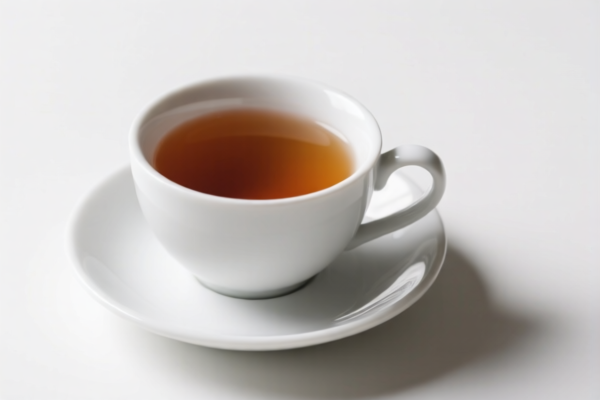
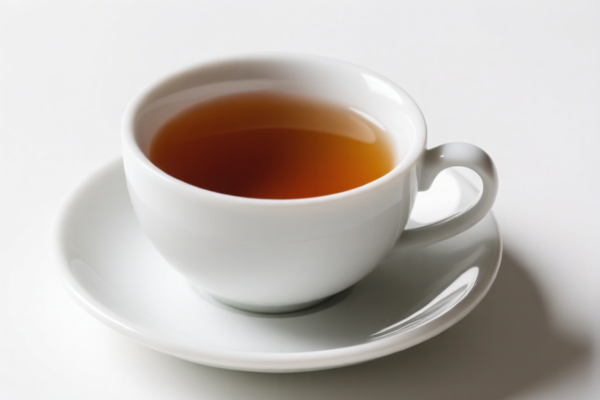
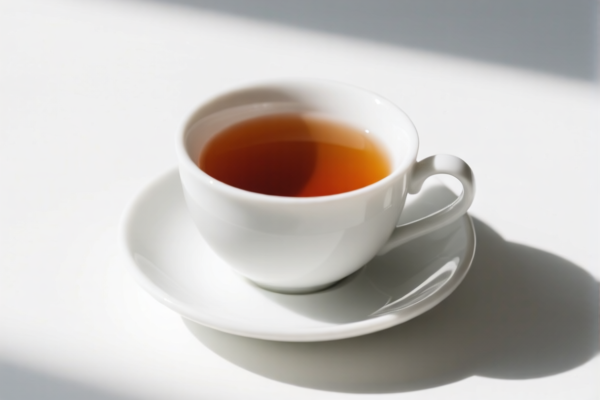
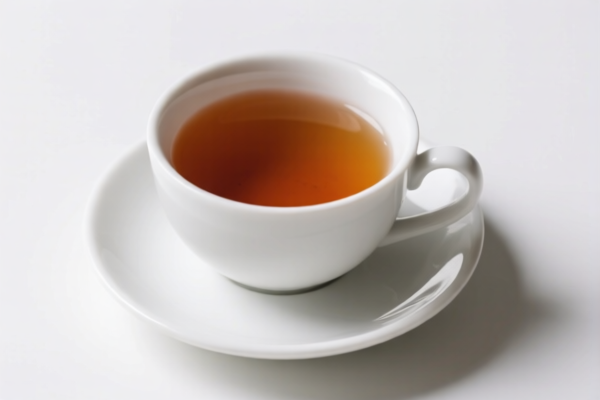
AI Analysis
☕ Breakfast Cup (Ceramic & Glass Tableware)
🌐 HS Code Reference & Customs Clearance Guide | 2026 Latest Tariff Analysis | Professional Clearance Strategy
📌 1. Product Definition & Classification: What exactly is a "Breakfast Cup"?
In international trade, "Breakfast Cup" is a commercial term rather than a strict legal classification. It typically refers to tableware (cups, mugs, steins) made from ceramic or glass, intended for hot beverages (coffee, tea) or food contact.
To determine the correct HS Code and tax rate, we must distinguish between: 1. Material: Is it Porcelain/China (fine, translucent, high-fired) or Other Ceramic (coarser, opaque, earthenware/stoneware)? 2. Type: Is it a standard cup, or specifically a "Mug/Stein" with a handle? 3. Value: For glass, is the unit value over or under $3?
⚠️ Key Distinction:
- If it is Porcelain/China → It falls under Chapter 6911 (Higher Base Tariff).
- If it is Other Ceramic (Earthenware, Stoneware) → It falls under Chapter 6912 (Lower Base Tariff).
- If it is Glass → It falls under Chapter 7013 (Tax varies by value).
📦 2. HS Code Classification Details (2026 Tariff Reference)
Based on the provided <DATA>, here is the precise breakdown for Breakfast Cups depending on material and specification:
| HS Code | Product Description | Material | Key Characteristics |
|---|---|---|---|
6912.00.48.10 |
Other Ceramic Tableware/Kitchenware | Other Ceramic (Not Porcelain/China) | Suitable for food/drink contact. General ceramic cups/mugs. |
6912.00.44.00 |
Mugs and other steins | Other Ceramic (Not Porcelain/China) | Specifically Mugs/Steins (usually with handles). |
6911.10.80.10 |
Other Porcelain/China Tableware | Porcelain or China | Fine ceramic cups. Higher value/quality threshold. |
6911.10.52.00 |
Valued Porcelain/China Tableware | Porcelain or China | Specific price ranges (e.g., Cups >$8/dozen). |
7013.49.20.90 |
Glass Tableware | Glass | Valued not over $3 each. |
7013.49.60.90 |
Glass Tableware | Glass | Valued over $5 each. |
🔍 Critical Note:
- "Breakfast Cup" is not an HS Code. You must declare based on Material and Type. - If your cup is Ceramic, check if it is "Porcelain" (fine) or "Other" (standard/earthenware). - If your cup is Glass, declare the FOB/Unit Value.
💰 3. Tariff Rate Breakdown (US Import from China)
✅ Applicable Country: United States (US)
✅ Origin: China (CN)
✅ Validity: Current tariffs apply.
🎯 1. 6912.00.48.10 & 6912.00.44.00 — Other Ceramic Tableware (Mugs/Cups)
| Item | Detail |
|---|---|
| Base Tariff | 9.8% – 10.0% |
| Additional Tariff | 0.0% |
| Total Tariff | 9.8% – 10.0% |
| Tax Calculation | CIF Value × (9.8% to 10.0%) |
| Description Match | - 6912.00.48.10: Other suitable for food/drink.- 6912.00.44.00: Mugs and other steins. |
📌 Explanation:
- "Other Ceramic" (non-porcelain) has a lower base tariff than porcelain. - There is no additional tariff (0.0%) for these specific subheadings in the provided data. - Best for: Standard stoneware, earthenware mugs, and everyday ceramic breakfast cups.
🎯 2. 6911.10.80.10 — Porcelain or China Tableware
| Item | Detail |
|---|---|
| Base Tariff | 20.8% |
| Additional Tariff | 7.5% |
| Total Tariff | 28.3% |
| Tax Calculation | CIF Value × 28.3% |
| Description Match | Porcelain/China cups suitable for food/drink contact. |
📌 Explanation:
- Porcelain/China is taxed significantly higher (28.3%) than other ceramics. - This includes all porcelain tableware not specifically listed in the priced subheadings (6911.10.52.00).
🎯 3. 6911.10.52.00 — Valued Porcelain/China (Specific Price Brackets)
| Item | Detail |
|---|---|
| Base Tariff | 8.0% |
| Additional Tariff | 7.5% |
| Total Tariff | 15.5% |
| Tax Calculation | CIF Value × 15.5% |
| Description Match | Cups valued >$8 but ≤$29 per dozen (approx. $0.67–$2.41 each). |
📌 Explanation:
- If your porcelain cups are in this specific price range, you can benefit from a lower base tariff (8.0%). - Total tax is 15.5%, which is much lower than the standard 28.3% for porcelain (6911.10.80.10). - Strategy: If you sell premium porcelain cups priced within this bracket, ensure your invoice reflects the price per dozen to qualify for this rate.
🎯 4. 7013.49.20.90 & 7013.49.60.90 — Glass Tableware
| HS Code | Unit Value | Base Tariff | Additional | Total Tariff |
|---|---|---|---|---|
7013.49.20.90 |
≤ $3 each | 22.5% | 7.5% | 30.0% |
7013.49.60.90 |
> $5 each | 7.2% | 7.5% | 14.7% |
📌 Explanation:
- Glass cups under $3/unit: High base tariff (22.5%) → 30.0% Total. - Glass cups over $5/unit: Low base tariff (7.2%) → 14.7% Total. - ⚠️ Trap: Values between $3 and $5 are not explicitly covered in the provided data. Ensure your declared value is clearly ≤$3 or >$5 to avoid classification ambiguity.
🛠️ 4. Customs Clearance Practical Advice (Real-World Pitfall Guide)
✅ 1. Documentation Checklist (Must-Have)
| Document | Required? | Purpose |
|---|---|---|
| ✅ Product Specification Sheet | ✔️ | Defines material (Porcelain vs. Ceramic vs. Glass). |
| ✅ Commercial Invoice | ✔️ | Must clearly state Unit Price and Price per Dozen (for porcelain). |
| ✅ Product Photos | ✔️ | Show handle (for mug classification), transparency (for glass), and branding. |
| ✅ Foods Contact Declaration | ✔️ | Essential for ceramic/glass tableware to prove FDA compliance. |
| ✅ Packing List | ✔️ | Details gross/net weight, carton dimensions. |
✅ 2. Classification Strategy (Key Tips)
🔥 “Material First, Value Second, Type Third!”
| Scenario | Correct Classification | Why? |
|---|---|---|
| Standard White Coffee Mug | 6912.00.44.00 |
It’s a "Mug" made of "Other Ceramic". |
| Fine Bone China Cup | 6911.10.80.10 or 6911.10.52.00 |
It’s "Porcelain". Check if price per dozen fits the $8–$29 bracket. |
| Cheap Glass Cup ($1.50 each) | 7013.49.20.90 |
Value is ≤$3. |
| Premium Glass Cup ($6.00 each) | 7013.49.60.90 |
Value is >$5. |
| Ceramic Bowl (Not a Cup) | 6912.00.48.10 |
General "Other Ceramic Tableware". |
✅ 3. Special Cases & Warnings
| Situation | Advice |
|---|---|
| "Porcelain" vs. "Ceramic" | If unsure, test translucency. Porcelain is translucent; other ceramics are opaque. Misclassification can lead to 18% tax difference! |
| Price Declaration for Porcelain | If you claim 6911.10.52.00 (15.5% tax), your invoice must show a price per dozen within the specified range. Customs will audit this strictly. |
| Glass Value Gap | Avoid declaring glass cup values between $3.01 and $4.99. Stick to ≤$3 or ≥$5 to use the provided rates. |
| FDA Compliance | All tableware for food/drink contact must meet FDA standards. Lack of compliance can lead to seizure. |
🌍 5. Global Market Comparison (2026)
| Market | Typical HS Code (Ceramic) | Tariff (China Origin) | Notes |
|---|---|---|---|
| 🇺🇸 USA | 6912.00.44.00 |
10.0% | No additional tariff for "Other Ceramic". |
| 🇺🇸 USA | 6911.10.80.10 |
28.3% | High tariff for Porcelain. |
| 🇪🇺 EU | 6912 / 6911 | Varies (0-6%) | Generally lower than US. No Section 301 tariffs. |
| 🇨🇳 China | 6912 / 6911 | 0-12% | Export from China has no Chinese export tax for these items. |
📌 Conclusion:
- USA has higher tariffs for tableware, especially porcelain (28.3%). - "Other Ceramic" (Mugs/Cups) is the most cost-effective category for US imports (10%). - Glass tariffs are value-dependent. Higher-value glass cups can have lower total tariffs (14.7%) than low-value ones (30%).
📌 6. Common Mistakes & Pitfalls (Lessons Learned)
❌ Mistake 1: Declaring "Breakfast Cup" as a generic term without specifying material.
👉 Result: Customs delays, potential reclassification to highest applicable rate.
👉 Fix: Always specify "Ceramic Mug" or "Glass Cup".
❌ Mistake 2: Misclassifying Porcelain as "Other Ceramic" to save tax.
👉 Result: Audits, back taxes (18% difference), and penalties.
👉 Fix: Use material tests or supplier declarations to confirm if it’s truly non-porcelain.
❌ Mistake 3: Ignoring the price bracket for Porcelain.
👉 Result: Paying 28.3% instead of 15.5%.
👉 Fix: If your porcelain cups cost $10/dozen, use 6911.10.52.00 (15.5%).
❌ Mistake 4: Incorrect Glass Value Declaration.
👉 Result: If you declare $4.00 for a glass cup, it doesn’t fit neatly into the provided categories.
👉 Fix: Ensure value is clearly ≤$3 or ≥$5, or consult for intermediate categories.
✅ Correct Practice:
"12 pcs Ceramic Mugs, White, 12oz, Earthenware, FDA Compliant, FOB $2.00/unit"
→ HS Code:6912.00.44.00| Tariff: 10.0%
🎯 7. Conclusion: Professional Declaration, Cost Savings!
🎯 Remember the Rules:
🔹 "Ceramic > 10% | Porcelain > 15-28% | Glass > 14-30%"
🔹 "Check the price per dozen for porcelain to unlock 15.5%"
🔹 "Glass under $3 is expensive; Glass over $5 is cheaper!"
📌 Pro Tip:
If you are exporting to the US, consider "Other Ceramic" (Earthenware/Stoneware) mugs for lower tariffs (10%).
If you must use Porcelain, structure your pricing to fit the $8–$29/dozen bracket to reduce tariffs from 28.3% to 15.5%.
For Glass, avoid the $3–$5 price trap.
📣 Immediate Action:
📞 Verify Material: Confirm if your cup is Porcelain or Other Ceramic.
📝 Check Invoice Price: Ensure price per dozen/unit matches the desired HS Code bracket.
🚀 Declare Precisely: Use specific terms like "Ceramic Mug" or "Glass Cup" instead of "Breakfast Cup".
✨ Professional Clearance Starts with Precise Classification!
💼 Your Cost Savings Lie in the Details!
Customer Reviews
About HS Code Classification
The Harmonized System (HS) is an internationally standardized nomenclature developed by the World Customs Organization (WCO) to classify traded products. Over 200 countries use the HS system as the basis for customs tariffs, trade statistics, and import/export regulations.
Each HS code follows a hierarchical structure:
- Chapter (2 digits) — Broad category of goods (e.g., Chapter 84: Machinery and Mechanical Appliances)
- Heading (4 digits) — More specific grouping within the chapter
- Subheading (6 digits) — Internationally standardized breakdown, used by all WCO member countries
- National subdivisions (8-10 digits) — Country-specific extensions for further classification, such as US HTSUS 10-digit codes
Correct HS code classification is essential for smooth customs clearance, accurate duty payment, and compliance with trade regulations. Misclassification can lead to customs delays, overpayment of duties, or penalties.
When importing from CN to US, the applicable tariff rates may include:
- Most-Favored-Nation (MFN) rate — The standard duty rate applied to WTO members
- General rate — Applied to countries without trade agreements
- Trade remedy duties — Additional tariffs such as Section 301 (anti-dumping), Section 232 (national security), or countervailing duties
The information provided on this page is for reference purposes only. For official classification, please consult with your local customs authority or a licensed customs broker.