breathable vest
CN → USProduct Images
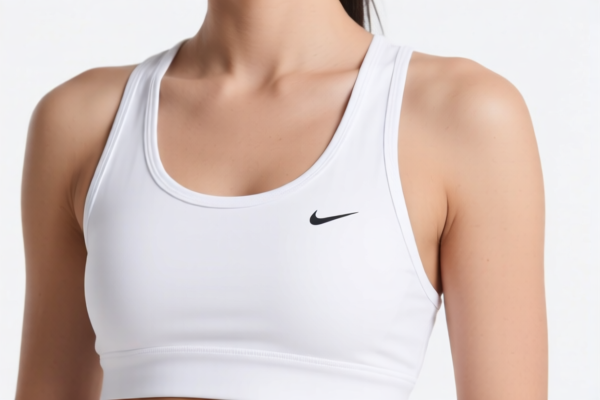

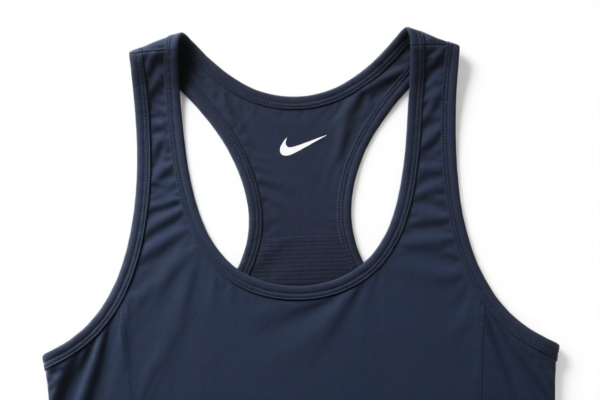
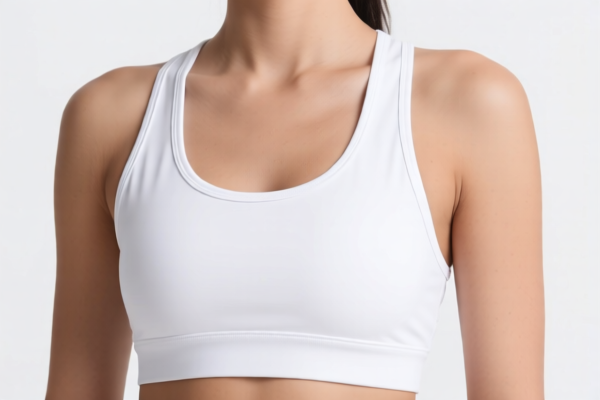
AI Analysis
🌬️ Breathable Vests: The Ultimate Trade Compliance & Customs Guide (2026 Edition)
🌐 HS Code Reference & Customs Clearance Strategy | Latest Tariff Analysis for Apparel Imports | Professional Compliance Guide
📌 I. Product Definition & Classification: What Exactly Is a "Breathable Vest"?
A "breathable vest" is a broad term in international trade. Its classification depends heavily on material composition, intended use, and construction. It is not a single HS code but spans multiple categories.
Key Distinctions: * Athletic/Performance Vests: Made of synthetic fibers (polyester, nylon) with moisture-wicking or mesh panels. → Heading 61 or 62 * Safety/Reflective Vests: Used in construction, traffic control, or emergency services. → Heading 62 or 61 * Insulated/Vest with Filling: Contains down, synthetic fill, or foam for warmth. → Heading 61 or 62 * Specialized Functional Vests: E.g., bulletproof, medical, or industrial protective vests. → Heading 90 or 61/62
⚠️ Critical Classification Point:
- Knitted vs. Woven: Knitted vests fall under Chapter 61; Woven vests fall under Chapter 62.
- Men’s vs. Women’s: Many HS codes differentiate by gender.
- Material: Cotton, synthetic, or other textile materials affect the subheading.
📦 II. HS Code Classification Details (2026 Latest Tariff Alignment)
| HS Code | Product Description | Typical Use Case | Knitted/Woven | Material |
|---|---|---|---|---|
6110.30.00 |
Sweaters, pullovers, cardigans, and other knitted or crocheted garments | Athletic vests, casual knit vests | ✅ Knitted | Synthetic (e.g., polyester) |
6211.33.00 |
Woven garments of man-made fibers, other | Men’s/women’s woven synthetic vests (e.g., cycling, work) | ❌ Woven | Synthetic |
6211.34.00 |
Woven garments of cotton, other | Cotton athletic or casual vests | ❌ Woven | Cotton |
6211.39.00 |
Woven garments of other textile materials | Wool, linen, or blended vests | ❌ Woven | Other textiles |
6110.90.00 |
Knitted garments of other textile materials | Knitted vests of wool, cotton blends, or other fibers | ✅ Knitted | Other |
6101.30.00 |
Men’s or boys’ anoraks, windbreakers, and similar garments | Windbreaker-style breathable vests | ✅ Knitted | Synthetic |
6201.93.00 |
Men’s or boys’ anoraks, windbreakers, etc. | Woven windbreakers/vests | ❌ Woven | Synthetic |
9021.90.00 |
Parts and accessories for orthopedic appliances | Medical support vests or specialized safety vests | N/A | Various |
6307.90.00 |
Other made-up articles | Reflective safety vests (if classified as safety gear rather than apparel) | N/A | Various |
🔍 Key Clarification:
- "Breathable" is not an HS classifier. You must declare the fiber content (e.g., 100% Polyester) and construction (knitted/woven).
- Safety Vests: If the vest is primarily for safety (e.g., high-visibility, reflective strips), it may still be classified under 6211 if it’s apparel, but check for specific "safety apparel" codes in some countries. In the US, high-vis vests are often 6211.33 or 6211.34.
- Bulletproof/Vest Inserts: If it’s a rigid vest with plates, it may fall under 9021 or 6101/6201 depending on construction.
💰 III. 2026 Latest Tariff Rate Breakdown (Including Surtaxes & Policy Surcharges)
✅ Applicable Country: United States (US)
✅ Country of Origin: China (CN)
✅ Effective Date: November 10, 2025 (includes subsequent imports)
🎯 1. 6110.30.00 —— Knitted Synthetic Vests (e.g., Athletic)
| Item | Details |
|---|---|
| Base Duty Rate | 16.5% (ad valorem) |
| USITC Surtax (Section 301) | +7.5% |
| IEEPA Surtax (China) | +10% |
| Total Effective Rate | 34% |
| Calculation Basis | CIF Value × 34% |
| De Minimis Eligibility | ❌ No (Deny de minimis) |
| Legal Reference Path | IEEPA:9903.01.25 → USITC:6110.30.00 → FOOTNOTE:9903.88.01 |
📌 Explanation:
- Knitted synthetic garments face Section 301 tariffs (7.5%) and IEEPA tariffs (10%).
- Total 34% is significant for low-margin apparel.
- No de minimis exemption applies to Chinese-origin goods under current rules.
🎯 2. 6211.33.00 —— Woven Synthetic Vests (e.g., Cycling, Work)
| Item | Details |
|---|---|
| Base Duty Rate | 16.5% (ad valorem) |
| USITC Surtax (Section 301) | +7.5% |
| IEEPA Surtax (China) | +10% |
| Total Effective Rate | 34% |
| Calculation Basis | CIF Value × 34% |
| De Minimis Eligibility | ❌ No |
| Legal Reference Path | IEEPA:9903.01.25 → USITC:6211.33.00 → FOOTNOTE:9903.88.01 |
📌 Note:
- Woven synthetic vests are taxed identically to knitted ones under current US tariffs.
- Even "breathable mesh" vests fall under this category if made of synthetic fibers.
🎯 3. 6211.34.00 —— Woven Cotton Vests
| Item | Details |
|---|---|
| Base Duty Rate | 16.5% (ad valorem) |
| USITC Surtax (Section 301) | +7.5% |
| IEEPA Surtax (China) | +10% |
| Total Effective Rate | 34% |
| Calculation Basis | CIF Value × 34% |
| De Minimis Eligibility | ❌ No |
| Legal Reference Path | IEEPA:9903.01.25 → USITC:6211.34.00 → FOOTNOTE:9903.88.01 |
📌 Note:
- Cotton vests from China also incur the full 34% combined tariff.
- No preferential treatment under current US-China trade policy.
🎯 4. 6307.90.00 —— High-Visibility Safety Vests (Non-Apparel Classification)
| Item | Details |
|---|---|
| Base Duty Rate | 3.5% (ad valorem) |
| USITC Surtax (Section 301) | +7.5% |
| IEEPA Surtax (China) | +10% |
| Total Effective Rate | 21% |
| Calculation Basis | CIF Value × 21% |
| De Minimis Eligibility | ❌ No |
| Legal Reference Path | IEEPA:9903.01.25 → USITC:6307.90.00 → FOOTNOTE:9903.88.01 |
📌 Note:
- If the vest is classified as a made-up safety article rather than apparel, it may fall under 6307, which has a lower base rate (3.5%).
- However, this is risky and depends on specific design (e.g., no seams like traditional clothing). Consult a customs broker.
🛠️ IV. Customs Clearance Practical Advice (Battle-Tested Pitfall Guide)
✅ 1. Required Documentation (Non-Negotiable)
| Document | Mandatory | Explanation |
|---|---|---|
| ✅ Commercial Invoice | ✔️ | Must specify: "Breathable Vest, 100% Polyester, Knitted" |
| ✅ Packing List | ✔️ | Detail quantity, weight, and dimensions |
| ✅ Fiber Content Declaration | ✔️ | Critical for HS code accuracy (e.g., "100% Polyester") |
| ✅ Brand & Model Info | ✔️ | Needed for HTS verification and brand registration |
| ✅ Third-Party Test Reports | ✔️ | Flammability, colorfastness, and safety tests (if applicable) |
| ✅ Certification | ✔️ | CPSIA (if for children), OSHA (if for work) |
| ✅ Country of Origin Label | ✔️ | Must be marked "Made in China" on product or packaging |
✅ 2. Declaration Tactics (Key Mantra)
🔥 "Fiber Defines Code, Knit/Woven Divides, Gender Splits Rate, Accuracy Saves Money!"
| Scenario | Correct Declaration | Wrong Practice |
|---|---|---|
| Men’s Knitted Polyester Vest | 6110.30.00 |
Misdeclare as Women’s → Audit risk |
| Women’s Woven Cotton Vest | 6211.34.00 |
Use Men’s code → Delay/Correction |
| Unisex Breathable Mesh Vest | Classify by majority fiber & construction | Use vague "Vest" → Rejection |
| Safety Vest with Reflective Tape | 6211.33.00 (if apparel) or 6307.90.00 (if safety gear) |
Misclassify as general apparel → Penalty |
| Baby Vest (Under 2 yrs) | 6111.20 or 6209.20 |
Adult code → High duty + Rejection |
✅ 3. Special Cases & Handling
| Case | Handling Advice |
|---|---|
| OEM/Custom Vests | Provide design specs + fiber content. Avoid "generic" descriptions. |
| Vests with Smart Features (e.g., heating, sensors) | May fall under Chapter 85 or 90. Separate electronics from textile vest. |
| Children’s Breathable Vests | Subject to CPSIA compliance. Ensure lead/phthalate tests are included. |
| Reflective/High-Vis Vests | If used for traffic control, ensure ANSI/ISEA 107 compliance for US market. |
| Insulated Vests (Down/Synthetic Fill) | May fall under 6101/6201 (jackets) if filled. Check fill weight. |
🌍 V. Global Market Clearance Comparison (2026 Latest)
| Country/Region | Recommended HS Code | Duty Rate (CN Origin) | Certification Required | Notes |
|---|---|---|---|---|
| 🇺🇸 USA | 6110.30.00 / 6211.33.00 |
34% (Total) | CPSIA, OSHA (if safety) | De minimis denied for CN goods |
| 🇨🇳 China | 6110.30.00 / 6211.33.00 |
9-11% | CCC (if applicable) | No additional surtaxes |
| 🇪🇺 EU | 6110.30.00 / 6211.33.00 |
12% | CE (if safety), REACH | No Section 301 equivalent |
| 🇬🇧 UK | 6110.30.00 / 6211.33.00 |
12% | UKCA | Post-Brexit rules apply |
| 🇦🇺 Australia | 6110.30.00 / 6211.33.00 |
5% | RCM | Lower duty base |
| 🇯🇵 Japan | 6110.30.00 / 6211.33.00 |
16% | PSE (if electrical) | Moderate duty |
📌 Conclusion:
- USA is the most challenging market due to 34% total tariff.
- EU & UK have moderate duties but strict REACH/chemical regulations.
- China & Australia offer lower duty burdens.
- Consider supply chain diversification (e.g., Vietnam, Bangladesh) to mitigate US tariffs.
📌 VI. Common Mistakes & Pitfall Guide (Lessons Learned)
❌ Mistake 1: Declaring "Breathable Vest" without fiber content
👉 Consequence: Customs cannot classify → Hold + Inspection + Delays
❌ Mistake 2: Misclassifying Knitted as Woven (or vice versa)
👉 Consequence: Wrong HS Code → Corrected by Customs + Penalties
❌ Mistake 3: Ignoring Gender Classification
👉 Consequence: Some HS codes have different duty rates or quotas → Overpayment or Rejection
❌ Mistake 4: Failing to Declare Reflective Material
👉 Consequence: If classified as safety gear, missing ANSI/ISEA certification → Seizure
❌ Mistake 5: Assuming De Minimis Applies
👉 Consequence: For China-origin goods, no de minimis → Sudden Tax Bill at Border
✅ Correct Approach:
"Men’s Knitted Polyester Breathable Vest, Athletic, Size M-L, 100% Polyester, Made in China, FCC/CPSIA Compliant"
🎯 VII. Conclusion: Precision Classification for Profit Protection
🎯 Remember the Mantra:
🔹 "Fiber is King, Knit/Woven Divides, Gender Splits, Safety Adds Layers!"
🔹 "HS Code Determines Duty, 34% in US, 12% in EU, Plan Ahead!"
🔹 "Accuracy Saves Thousands, Misclassification Costs Everything!"
📌 Pro Tip:
If your vests are original design and you can claim First Sale for Export, you may reduce the dutiable value.
For high-volume imports, apply for a Binding Ruling from US Customs (CBP) to lock in the HS Code and avoid future disputes.
📣 Immediate Action:
📞 Contact a Licensed Customs Broker
📄 Prepare Fiber Content Specs + Construction Details
🚀 Apply for CBP Binding Ruling (if high volume)
💡 Evaluate Supply Chain for Tariff Optimization
✨ Professional Compliance Starts with Precise Classification!
💼 Every Percent Saved is Pure Profit!
Customer Reviews
About HS Code Classification
The Harmonized System (HS) is an internationally standardized nomenclature developed by the World Customs Organization (WCO) to classify traded products. Over 200 countries use the HS system as the basis for customs tariffs, trade statistics, and import/export regulations.
Each HS code follows a hierarchical structure:
- Chapter (2 digits) — Broad category of goods (e.g., Chapter 84: Machinery and Mechanical Appliances)
- Heading (4 digits) — More specific grouping within the chapter
- Subheading (6 digits) — Internationally standardized breakdown, used by all WCO member countries
- National subdivisions (8-10 digits) — Country-specific extensions for further classification, such as US HTSUS 10-digit codes
Correct HS code classification is essential for smooth customs clearance, accurate duty payment, and compliance with trade regulations. Misclassification can lead to customs delays, overpayment of duties, or penalties.
When importing from CN to US, the applicable tariff rates may include:
- Most-Favored-Nation (MFN) rate — The standard duty rate applied to WTO members
- General rate — Applied to countries without trade agreements
- Trade remedy duties — Additional tariffs such as Section 301 (anti-dumping), Section 232 (national security), or countervailing duties
The information provided on this page is for reference purposes only. For official classification, please consult with your local customs authority or a licensed customs broker.