brush
CN → US| HS Code | Tariff Rate | Origin | Destination | Doc |
|---|---|---|---|---|
| 3926909989 | 22.8% | CN | US | Official Doc |
| 9603908050 | 70.3% | CN | US | Official Doc |
| 9603500000 | 17.5% | CN | US | Official Doc |
| 8205595560 | 40.3% | CN | US | Official Doc |
| 7326908688 | 87.9% | CN | US | Official Doc |
| 8205598000 | 38.7% | CN | US | Official Doc |
Product Images
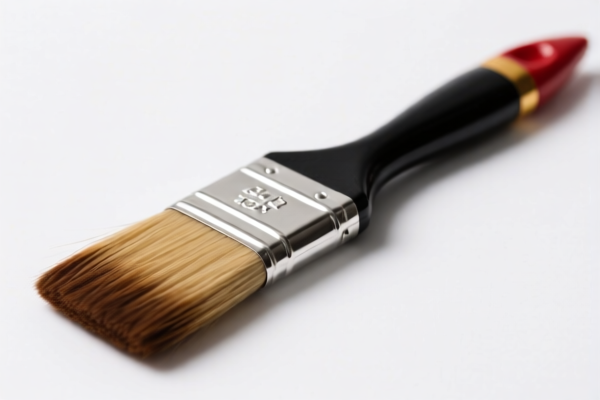
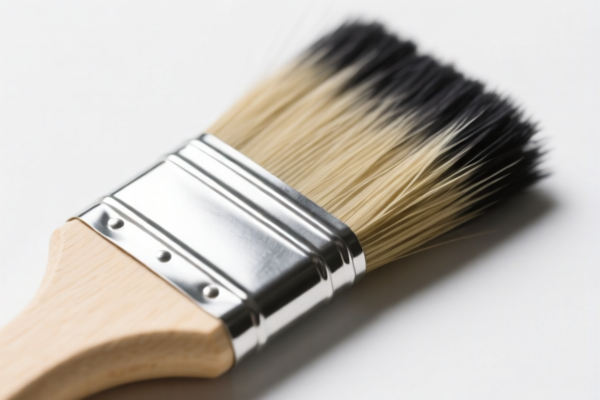
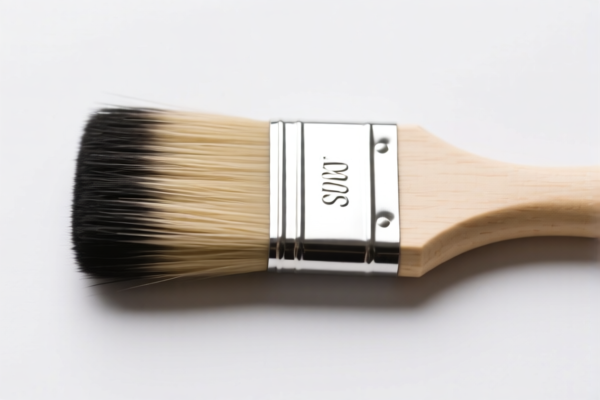
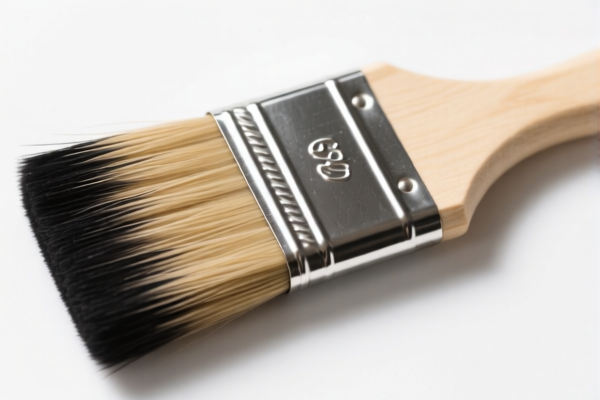
AI Analysis
🖌️ Brush (刷子/Brushes)
🌐 HS Code Reference & Customs Clearance Guide | 2026 Latest Tariff Analysis | Professional Level Strategy
📌 I. Product Definition & Classification: What Kind of "Brush" Are We Talking About?
In international trade, the term "Brush" is deceptively simple but highly complex due to material and functional diversity. A brush can be a cleaning tool, a painting instrument, or an industrial component. Customs classification depends entirely on: 1. Material: Plastic, Metal (Steel/Iron), Natural Bristle, Synthetic Fiber. 2. Function: Hand tool, Machine part, Cosmetic tool, Household item. 3. Core Use: Cleaning, Painting, Polishing, Grooming.
⚠️ Critical Distinction:
- If it’s a plastic item without specific brush characteristics → Likely Chapter 39 (Plastics).
- If it’s a hand tool made of metal (iron/steel) → Likely Chapter 82 (Tools).
- If it’s a general brush (natural/synthetic bristles) → Likely Chapter 96 (Miscellaneous Manufactured Articles).
📦 II. HS Code Classification Details (2026 Latest Tariff Authority)
Based on the provided data, here are the 6 possible HS Codes for "Brushes," ranging from low tax to extremely high tax.
| HS Code | Summary Description | Core Logic & Material | Total Tax Rate | Tax Structure |
|---|---|---|---|---|
3926.90.99.89 |
Plastic Brush Items | Plastic material; falls under the "catch-all" category for other plastic articles. | 22.8% | Base: 5.3% + 301/Tariff: 7.5% + Section 122: 10% |
9603.50.00.00 |
Brushes (General) | Core function match; explicit definition of "Brush" (likely synthetic/natural bristles). | 17.5% | Base: 0.0% + 301/Tariff: 7.5% + Section 122: 10% |
8205.59.80.00 |
Iron Brush (Hand Tool) | Metal Hand Tool; Iron/Steel manual tool, fitting the "other hand tools" logic. | 38.7% | Base: 3.7% + 301/Tariff: 25.0% + Section 122: 10% |
8205.59.55.60 |
Iron Brush (Steel/Iron) | Iron/Steel Hand Tool; specifically categorized as iron or steel hand tools. | 40.3% | Base: 5.3% + 301/Tariff: 25.0% + Section 122: 10% |
9603.90.80.50 |
Brush (Other/Metal) | Mixed/Specific; Core use matches brush, but may involve metal components or specific forms. | 70.3% | Base: 2.8% + 301/Tariff: 7.5% + Section 122: 10% + Steel/Al/Cu Surtax: 50% |
7326.90.86.88 |
Iron Brush (Article) | Iron/Steel Article; categorized as "Other" iron/steel articles, not specifically tools. | 87.9% | Base: 2.9% + 301/Tariff: 25.0% + Section 122: 10% + Steel/Al/Cu Surtax: 50% |
🔍 Key Insight:
- Lowest Tax:9603.50.00.00(17.5%) – Best for general synthetic/natural bristle brushes.
- Highest Tax:7326.90.86.88(87.9%) – Avoid this if it’s a standard hand tool; it incurs the heavy 50% Surtax for steel articles.
- Plastic vs. Metal: Plastic brushes (3926...) have lower base duties but still face 301 tariffs. Metal hand tools (8205...) face 25% 301 tariffs but avoid the extra 50% surtax if classified correctly as "hand tools."
💰 III. Detailed 2026 Tariff Breakdown (Including Surtaxes)
✅ Applicable Country: United States (US)
✅ Origin: China (CN)
✅ Effective Date: 2025/2026 Import Cycle
🎯 1. 9603.50.00.00 – Best Case for General Brushes
- Base Duty: 0.0% (Most Favored Nation rate for brushes)
- 301 Tariff (Section 301): +7.5%
- Section 122 Tariff: +10.0%
- Total Effective Rate: 17.5%
- Legal Path:
HTSUS:9603.50.00.00→301_Tariff→122_Tariff - Strategy: ✅ Highly Recommended if the brush is primarily for cleaning/painting with non-metal handles/bristles.
🎯 2. 3926.90.99.89 – Plastic Brushes
- Base Duty: 5.3%
- 301 Tariff: +7.5%
- Section 122 Tariff: +10.0%
- Total Effective Rate: 22.8%
- Legal Path:
HTSUS:3926.90.99.89→301_Tariff→122_Tariff - Strategy: ⚠️ Only use if the item is 100% plastic and doesn't fit the "brush" definition in Ch 96 (e.g., a plastic comb with bristles or a specific plastic applicator).
🎯 3. 8205.59.80.00 & 8205.59.55.60 – Metal Hand Tools
- Base Duty: 3.7% - 5.3%
- 301 Tariff: +25.0% (Standard steel tool rate)
- Section 122 Tariff: +10.0%
- Total Effective Rate: 38.7% - 40.3%
- Legal Path:
HTSUS:8205.59.80.00→301_Tariff→122_Tariff - Strategy: ✅ Acceptable for industrial cleaning brushes made of steel wire, provided they are considered "hand tools."
🎯 4. 9603.90.80.50 & 7326.90.86.88 – High Risk Categories
- Base Duty: 2.8% - 2.9%
- 301 Tariff: 7.5% - 25.0%
- Section 122 Tariff: +10.0%
- Steel/Al/Cu Surtax: +50.0% (Critical!)
- Total Effective Rate: 70.3% - 87.9%
- Legal Path: Includes
IEEPAorUSITCfootnotes triggering the 50% surtax for certain steel/aluminum/copper articles. - Strategy: ❌ AVOID unless absolutely necessary. These codes trigger punitive additional taxes. Misclassification here can cost you 50% more in duties.
🛠️ IV. Customs Clearance Practical Advice (Pitfall Avoidance)
✅ 1. Preparation Checklist (Must-Haves)
| Document | Requirement | Explanation |
|---|---|---|
| Product Photos | ✔️ Essential | Clear images showing material (plastic vs. metal) and bristles (synthetic vs. wire). |
| Material Spec Sheet | ✔️ Essential | Detailed breakdown: e.g., "Handle: PP Plastic; Bristles: Nylon 6,6." For metal: "Steel Wire, 0.5mm diameter." |
| Function Statement | ✔️ Essential | Describe primary use: "Household cleaning," "Industrial paint application," "Makeup application." |
| Composition Breakdown | ✔️ Essential | If mixed material (e.g., plastic handle + steel bristles), declare the primary character (essential character). |
| Commercial Invoice | ✔️ Essential | Must match HS Code description precisely. Avoid vague terms like "Tool." Use "Nylon Bristle Cleaning Brush." |
✅ 2. Declaration Strategy (Key Mantra)
🔥 “Material Dictates Code, Function Defines Chapter, Avoid Steel Surcharge!”
| Scenario | Recommended HS Code | Why? |
|---|---|---|
| Plastic Brush (e.g., plastic comb, plastic applicator) | 3926.90.99.89 |
Plastic chapter (Ch 39). Low surtax risk. |
| General Cleaning/Painting Brush (Nylon/Bristle) | 9603.50.00.00 |
Lowest tax (17.5%). Explicit "Brush" heading. |
| Steel Wire Brush (Hand Tool) | 8205.59.80.00 or 8205.59.55.60 |
Classified as "Hand Tool" (Ch 82). Avoids 50% surtax if correctly labeled as tool. |
| Miscellaneous Steel Item (Not a tool, but steel) | 7326.90.86.88 |
❌ High Risk. Triggers 50% steel surtax. Only use if it cannot be classified as a tool or brush. |
✅ 3. Special Handling Tips
| Situation | Recommendation |
|---|---|
| Mixed Material Brush (Plastic Handle + Metal Bristles) | Declare based on Essential Character. If bristles define use, it may be Ch 96 (9603). If handle/tool function dominates, Ch 82 (8205). |
| Industrial Steel Brush | Ensure it is marketed and described as a "Hand Tool" in documentation to justify Ch 82 (8205) rather than Ch 73 (7326). |
| Cosmetic Brush | Must fall under 9603.50.00.00 or 9603.90.... Do not classify as plastic tools unless 100% plastic. |
| Avoid Ambiguity | Never use "Brush" alone in the description. Use "Nylon Bristle Paint Brush, Plastic Handle." |
🌍 V. Global Market Comparison (2026 Outlook)
| Market | Recommended HS Code | Est. Total Tax (China Origin) | Key Requirement |
|---|---|---|---|
| 🇺🇸 USA | 9603.50.00.00 |
17.5% | FCC/CE not needed, but clear origin labeling. |
| 🇪🇺 EU | 9603.21.10 (Similar) |
~3-5% + VAT | CE Marking, REACH Compliance. |
| 🇨🇳 China | 9603.21.00 |
20-30% (Import) | CCC for some electrical brushes. |
| 🇯🇵 Japan | 9603.21.00 |
5-8% | JIS Standards. |
📌 Conclusion:
- The USA has the most complex tariff structure due to Section 301 and Section 122.
- Correct classification can save you up to 70% in duties (17.5% vs 87.9%).
- Plastic and General Brushes are the safest bets for low tariffs. Metal Articles require careful distinction between "Tool" (lower tax) and "Other Article" (higher tax).
📌 VI. Common Errors & Pitfalls (Lessons Learned)
❌ Error 1: Classifying a Steel Wire Brush as 7326.90.86.88
👉 Result: 87.9% Tax due to the 50% steel surtax.
💡 Fix: Classify as 8205.59.80.00 (Hand Tool) if used manually for cleaning. Tax drops to 38.7%.
❌ Error 2: Calling a Plastic Brush a "Brush" in Ch 96
👉 Result: Incorrect classification if it lacks bristles/fibers.
💡 Fix: If 100% plastic with no bristles, use 3926.90.99.89.
❌ Error 3: Vague Description "Brush"
👉 Result: Customs inspection delay, potential reclassification to higher tax bracket.
💡 Fix: Provide Material + Function details (e.g., "Nylon Bristle, Plastic Handle, Cleaning Use").
🎯 VII. Conclusion: Precise Classification Saves Money!
🎯 Remember This Mantra:
🔹 "Ch 96 is King for Brushes (17.5%)!"
🔹 "Ch 82 for Metal Tools (38-40%)!"
🔹 "Ch 39 for Plastic (22.8%)!"
🔹 "Ch 73 is a Trap (87.9%) – Avoid Steel Surtax!"
📌 Pro Tip:
If you have mixed-material brushes, submit a Binding Tariff Ruling (BTR) request with US Customs (CBP) before shipment. This provides legal certainty and protects against audits.
📣 Immediate Action:
📞 Audit your current HS Codes for Brushes.
📄 Update descriptions to include Material and Function.
🚀 Switch from7326to8205or9603where possible to save up to 50% in duties.
✨ Customs Clarity, Cost Control!
💼 Every percentage point counts in global trade.
Customer Reviews
About HS Code Classification
The Harmonized System (HS) is an internationally standardized nomenclature developed by the World Customs Organization (WCO) to classify traded products. Over 200 countries use the HS system as the basis for customs tariffs, trade statistics, and import/export regulations.
Each HS code follows a hierarchical structure:
- Chapter (2 digits) — Broad category of goods (e.g., Chapter 84: Machinery and Mechanical Appliances)
- Heading (4 digits) — More specific grouping within the chapter
- Subheading (6 digits) — Internationally standardized breakdown, used by all WCO member countries
- National subdivisions (8-10 digits) — Country-specific extensions for further classification, such as US HTSUS 10-digit codes
Correct HS code classification is essential for smooth customs clearance, accurate duty payment, and compliance with trade regulations. Misclassification can lead to customs delays, overpayment of duties, or penalties.
When importing from CN to US, the applicable tariff rates may include:
- Most-Favored-Nation (MFN) rate — The standard duty rate applied to WTO members
- General rate — Applied to countries without trade agreements
- Trade remedy duties — Additional tariffs such as Section 301 (anti-dumping), Section 232 (national security), or countervailing duties
The information provided on this page is for reference purposes only. For official classification, please consult with your local customs authority or a licensed customs broker.