buffalo grain leather for aircraft interior
CN → US| HS Code | Tariff Rate | Origin | Destination | Doc |
|---|---|---|---|---|
| 4205001000 | 35.0% | CN | US | Official Doc |
| 4113103000 | 12.4% | CN | US | Official Doc |
| 4114203000 | 37.3% | CN | US | Official Doc |
| 4114100000 | 38.2% | CN | US | Official Doc |
| 4205008000 | 35.0% | CN | US | Official Doc |
Product Images
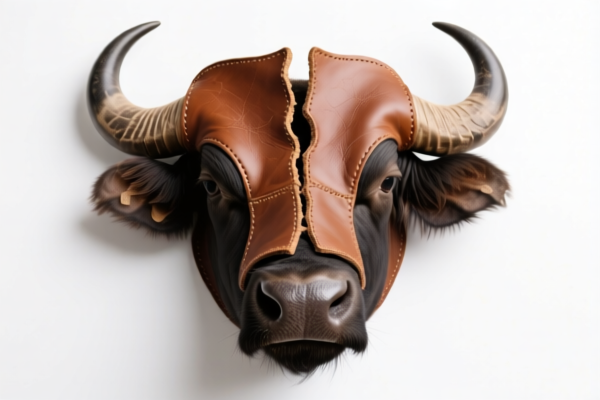
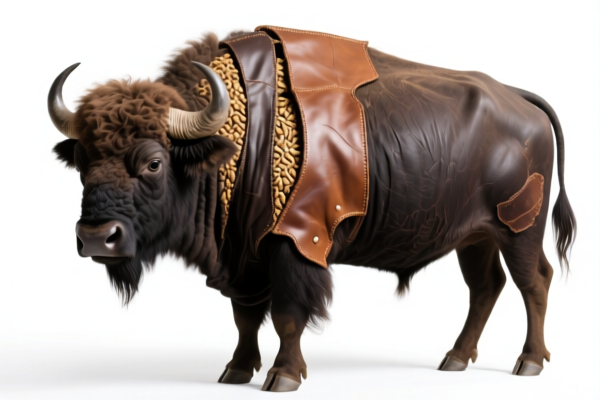
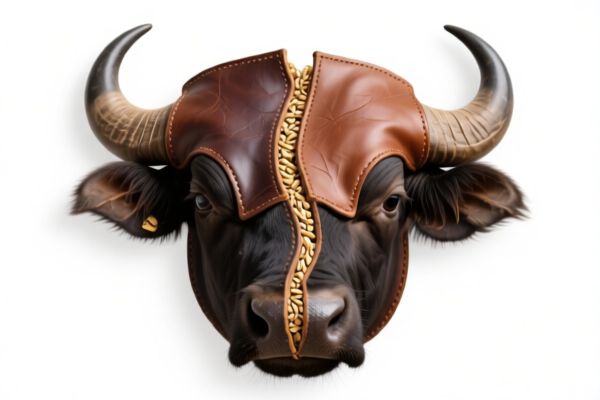
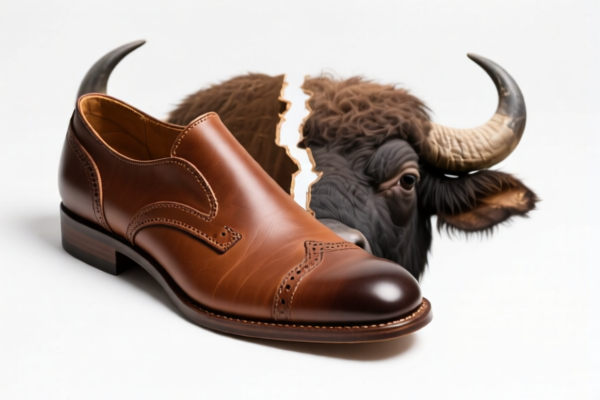
AI Analysis
🛋️ Buffalo Grain Leather for Aircraft Interior
🌐 HS Code Reference & Customs Clearance Guide | 2026 Latest Tariff Analysis | Professional Compliance Strategy
📌 I. Product Definition & Classification: What is "Buffalo Grain Leather"?
Buffalo Grain Leather is a premium, durable material derived from bovine hides, characterized by a natural, textured surface (grain) that offers both aesthetic appeal and robust wear resistance. In the context of Aircraft Interiors, it is used for seating, panels, and trim.
However, in international trade, its classification depends heavily on its form and processing state: 1. Raw/Processed Hide: If it is merely treated animal leather (not yet manufactured into a specific final article), it falls under Chapter 41. 2. Finished Article: If it is cut, stitched, or formed into a specific component (like a seat cover) that has the essential character of a manufactured good, it may fall under Chapter 42 (Articles of Animal Leather).
⚠️ Key Distinction:
- If the leather is finished but still a sheet/skin (not yet a specific article like a seat cushion) → Classify under HS 4113/4114 (Other prepared leather).
- If the leather is part of a manufactured article (e.g., a specific interior trim piece or seat part) → Classify under HS 4205 (Articles of leather or composition leather).
- Note: "Buffalo" is a type of cowhide. If the grain is natural, it is often treated as standard cowhide unless specified as "Suede/Nubuck" (which might fall under 4114.10).
📦 II. HS Code Classification Details (2026 Latest Tariff Authority Mapping)
Based on the provided data, here are the precise HS Codes and their corresponding tax structures for Buffalo Grain Leather for Aircraft Interior:
| HS Code | Product Description | Application Scenario | Tax Detail Breakdown |
|---|---|---|---|
4205.00.10.00 |
Articles of animal leather for aircraft interiors, categorized under "Technical Uses/Other". | Used when the leather is considered a specific technical component or part of a larger manufactured assembly rather than just raw material. | Total: 35.0% - Base: 0.0% - Section 301: 25.0% - Section 301 (122): 10% |
4113.10.30.00 |
Other prepared leather, incl. reptile leather, for aircraft interiors. Attributes consistent with goat or kid leather. | Applied when the leather is processed but not yet a finished article. The data suggests it shares attributes with processed goat/kid leather. | Total: 12.4% - Base: 2.4% - Section 301: 0.0% - Section 301 (122): 10% |
4114.20.30.00 |
Other prepared leather, incl. patent leather & patent laminated leather, for aircraft interiors. | Specifically for Patent Leather (high-gloss finished leather). If the "Buffalo Grain" is coated with a glossy finish (patent), use this. | Total: 37.3% - Base: 2.3% - Section 301: 25.0% - Section 301 (122): 10% |
4114.10.00.00 |
Suede & Nubuck Leather (Leather for Aircraft Interiors). | If the "Grain" is actually Suede/Nubuck (roughened surface, not smooth grain), use this. Note: True "Grain" is usually smooth; Suede is the reverse side. | Total: 38.2% - Base: 3.2% - Section 301: 25.0% - Section 301 (122): 10% |
4205.00.80.00 |
Other articles of animal leather or composition leather, for aircraft interiors. | A general category for leather articles that do not fit into more specific subheadings of Chapter 42. Often used for finished trim pieces. | Total: 35.0% - Base: 0.0% - Section 301: 25.0% - Section 301 (122): 10% |
🔍 Critical Insight:
-4113.10.30.00(12.4%) is the most cost-effective option if the product can be classified as "Other Prepared Leather" (Chapter 41) rather than a manufactured article (Chapter 42).
-4114.10.00.00(38.2%) and4114.20.30.00(37.3%) carry the highest duties due to the 25% Section 301 tariff on top of base rates.
-4205.00.10.00and4205.00.80.00both sit at 35.0%, combining 0% base + 25% Section 301 + 10% Section 301 (122).
💰 III. 2026 Latest Tariff Rate Breakdown (Including Surtaxes & Policy Add-ons)
✅ Applicable Country: United States (US)
✅ Origin: China (CN)
✅ Effective Date: From November 10, 2025 onwards
🎯 1. 4205.00.10.00 & 4205.00.80.00 —— Articles of Animal Leather (Chapter 42)
| Item | Content |
|---|---|
| Base Rate | 0% (ad valorem) |
| USITC Surtax | +25% (Under USITC Footnote 9903.88.01 or similar Section 301 provisions) |
| IEEPA Surtax | +10% (Under IEEPA Section 301(122) for specific Chinese-origin goods) |
| Total Rate | 35.0% |
| Calculation | CIF Value × 35% |
| De Minimis Exemption | ❌ Not Eligible (Section 301 duties apply regardless of value) |
| Legal Path | IEEPA:9903.01.25 → USITC:4205.00.10.00 / 4205.00.80.00 → FOOTNOTE:301 |
📌 Explanation:
- Chapter 42 articles (finished leather goods) often face 0% base duty but are heavily impacted by Section 301 and IEEPA 10% add-ons.
- The 25% rate is the standard Section 301 surtax for many leather articles from China.
- The additional 10% is a specific policy-driven add-on (Section 301(122)), pushing the total to 35%.
🎯 2. 4113.10.30.00 —— Other Prepared Leather (Chapter 41)
| Item | Content |
|---|---|
| Base Rate | 2.4% |
| USITC Surtax | 0.0% (No Section 301 surtax applied in this specific breakdown) |
| IEEPA Surtax | +10% (Under IEEPA Section 301(122)) |
| Total Rate | 12.4% |
| Calculation | CIF Value × 12.4% |
| De Minimis Exemption | ❌ Not Eligible (If IEEPA 10% applies, de minimis is usually blocked) |
| Legal Path | IEEPA:9903.01.24 → USITC:4113.10.30.00 |
📌 Strategic Advantage:
- This is the lowest tariff option (12.4%).
- It avoids the 25% Section 301 surtax, likely because it is classified as "Other Prepared Leather" rather than "Suede" or "Patent Leather," which may have different trade remedy statuses.
- Goal: Try to classify your product here if it is not suede and not patent leather.
🎯 3. 4114.20.30.00 —— Patent Leather
| Item | Content |
|---|---|
| Base Rate | 2.3% |
| USITC Surtax | +25% |
| IEEPA Surtax | +10% |
| Total Rate | 37.3% |
| Calculation | CIF Value × 37.3% |
📌 Note: Only use if the leather is Patent (high-gloss coated). If your "Buffalo Grain" is matte or natural, do not use this code.
🎯 4. 4114.10.00.00 —— Suede / Nubuck
| Item | Content |
|---|---|
| Base Rate | 3.2% |
| USITC Surtax | +25% |
| IEEPA Surtax | +10% |
| Total Rate | 38.2% |
| Calculation | CIF Value × 38.2% |
📌 Note: Only use if the leather surface is Suede/Nubuck (velvety texture). True "Grain Leather" is usually smooth, so this may be a misclassification if applied to smooth buffalo leather.
🛠️ IV. Customs Clearance Practical Advice (Actionable Strategies)
✅ 1. Critical Documentation Checklist
| Document | Required? | Purpose |
|---|---|---|
| ✅ Product Specification Sheet | ✔️ | Must detail: Material (Bovine/Buffalo), Finish (Grain/Suede/Patent), Processing Level (Prepared Leather vs. Article). |
| ✅ Photos of Material | ✔️ | Show the texture (grain pattern), cross-section, and any coating (patent). |
| ✅ Invoice & Packing List | ✔️ | Clearly state "Buffalo Grain Leather for Aircraft Interior." Avoid vague terms like "Leather Parts" without detail. |
| ✅ Certificate of Origin | ✔️ | Prove origin as China to determine applicability of Section 301/IEEPA taxes. |
| ✅ Technical Data Sheet (TDS) | ✔️ | To support classification under 4113 (12.4%) vs 4114 (37%+). Prove it is not Suede or Patent. |
✅ 2. Classification Strategy (Key Takeaways)
🔥 “Define Finish Precisely, Choose Chapter 41 if Possible”
| Scenario | Recommended HS Code | Total Tax | Reasoning |
|---|---|---|---|
| Smooth, Natural Grain Buffalo Leather (Prepared) | 4113.10.30.00 |
12.4% | Best option. Classified as "Other Prepared Leather." Avoids 25% surtax. |
| Smooth Buffalo Leather (Finished Article) | 4205.00.10.00 |
35.0% | If already cut/sewn into a specific interior part. |
| High-Gloss Buffalo Leather (Patent) | 4114.20.30.00 |
37.3% | Only if coated with patent finish. |
| Velvety/Rough Surface (Suede/Nubuck) | 4114.10.00.00 |
38.2% | Only if texture is suede. |
📌 Warning:
- Do not use4114.10.00.00(Suede) for smooth grain leather. Customs may reject it and reassess at a higher rate.
- Do not use4114.20.30.00(Patent) unless it is visibly glossy and coated.
- Aim for4113.10.30.00to save ~23-26% in taxes compared to other options.
✅ 3. Special Considerations for Aircraft Interiors
| Issue | Handling Advice |
|---|---|
| Fire Retardancy | Aircraft leather must meet FAA/FAR 25.853 flame retardancy standards. Include FAR Compliance Certificate in documentation. |
| Material vs. Article | If you ship leather rolls, use Chapter 41. If you ship pre-cut seat covers, use Chapter 42. |
| Section 301 Exemptions | Check if your specific HS Code has any excluded HTSUs (Harmonized Tariff Schedule Unique Identifiers). Unlikely for leather, but verify. |
🌍 V. Global Market Comparison (2026)
| Country/Region | Recommended HS Code | Total Tax (China Origin) | Key Requirement |
|---|---|---|---|
| 🇺🇸 USA | 4113.10.30.00 |
12.4% | IEEPA 10% applies. Avoid 4114/4205 if possible. |
| 🇪🇺 EU | 4113.10.30.00 |
~10-12% | No Section 301/IEEPA. Standard EU duty. |
| 🇨🇳 China | 4113.10.30.00 |
~10% | Standard MFN rate. No surtaxes. |
📌 Conclusion:
- The US market is the most expensive due to IEEPA 10% and Section 301 25% add-ons.
- Strategic Goal: Classify as4113.10.30.00to minimize US duties to 12.4%.
📌 VI. Common Mistakes & Pitfalls
❌ Mistake 1: Calling it "Suede" when it is "Grain Leather"
👉 Result: Wrong HS Code (4114.10.00.00 at 38.2% instead of 12.4%). Overpayment of taxes.
❌ Mistake 2: Calling it "Patent Leather" when it is "Natural Grain"
👉 Result: Wrong HS Code (4114.20.30.00 at 37.3%). Unnecessary high tax.
❌ Mistake 3: Shipping finished seat covers as "Raw Leather"
👉 Result: Customs may reclassify to 4205 (35.0%) due to "Essential Character" rules. Always declare accurately.
✅ Correct Declaration Example:
"Buffalo Grain Leather, Prepared, for Aircraft Interiors, Not Suede or Patent, Chemical Tanned, Cut into Rolls"
HS Code:4113.10.30.00
🎯 VII. Conclusion: Optimize Your Classification
🎯 Remember:
🔹 "Smooth Grain = 4113 (12.4%) | Patent/Suede = 4114 (37%+) | Articles = 4205 (35%)"
🔹 "Small classification difference = Big tax savings!"
📌 Pro Tip:
If you are importing large volumes, consider applying for a Binding Tariff Information (BTI) or Pre-Ruling from US Customs and Border Protection (CBP) to lock in the 4113.10.30.00 classification with 12.4% tax.
📣 Immediate Action:
📞 Contact your customs broker with material samples and technical sheets.
📝 Request classification under4113.10.30.00if possible.
🚀 Save up to 26% in tariffs by choosing the right HS Code!
✨ Precision in Classification = Profit in Your Pocket!
💼 Your Leather, Your Rules, Your Savings.
Customer Reviews
About HS Code Classification
The Harmonized System (HS) is an internationally standardized nomenclature developed by the World Customs Organization (WCO) to classify traded products. Over 200 countries use the HS system as the basis for customs tariffs, trade statistics, and import/export regulations.
Each HS code follows a hierarchical structure:
- Chapter (2 digits) — Broad category of goods (e.g., Chapter 84: Machinery and Mechanical Appliances)
- Heading (4 digits) — More specific grouping within the chapter
- Subheading (6 digits) — Internationally standardized breakdown, used by all WCO member countries
- National subdivisions (8-10 digits) — Country-specific extensions for further classification, such as US HTSUS 10-digit codes
Correct HS code classification is essential for smooth customs clearance, accurate duty payment, and compliance with trade regulations. Misclassification can lead to customs delays, overpayment of duties, or penalties.
When importing from CN to US, the applicable tariff rates may include:
- Most-Favored-Nation (MFN) rate — The standard duty rate applied to WTO members
- General rate — Applied to countries without trade agreements
- Trade remedy duties — Additional tariffs such as Section 301 (anti-dumping), Section 232 (national security), or countervailing duties
The information provided on this page is for reference purposes only. For official classification, please consult with your local customs authority or a licensed customs broker.