buffer packaging bag
CN → US| HS Code | Tariff Rate | Origin | Destination | Doc |
|---|---|---|---|---|
| 3926909989 | 22.8% | CN | US | Official Doc |
| 4819400020 | 35.0% | CN | US | Official Doc |
| 3923210085 | 38.0% | CN | US | Official Doc |
| 3923290000 | 38.0% | CN | US | Official Doc |
| 4819502000 | 35.0% | CN | US | Official Doc |
Product Images

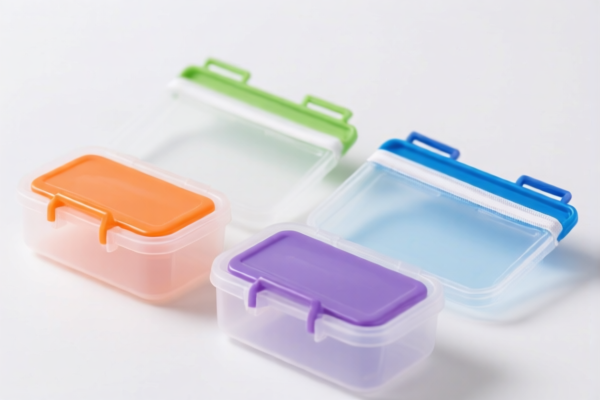

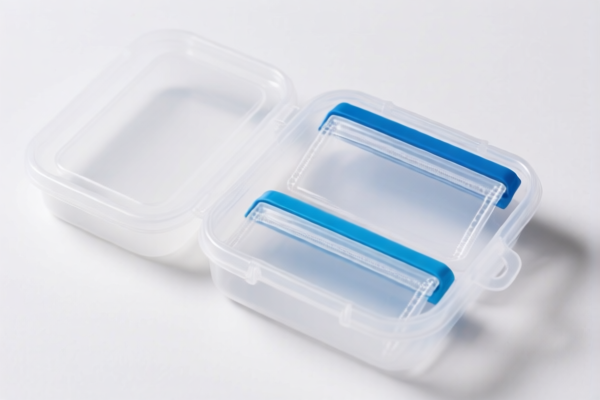
AI Analysis
📦 Buffer Packaging Bags (Plastic & Paper Cushioning Pouches)
🌐 HS Code Reference & Customs Clearance Guide | 2026 Latest Tariff Analysis | Professional Clearance Strategy
📌 I. Product Definition & Classification: Do You Really Know "Buffer Packaging"?
Buffer packaging bags are protective materials used to cushion goods during transportation and storage. In international trade, they are primarily classified based on their material composition (Plastic vs. Paper) and specific structure. Misclassification can lead to significant tariff differences due to US trade policies (Section 301 & Section 122).
Key Distinction Criteria: * Plastic Buffer Bags: Made from PE, PP, or other polymers. Often used for void fill, cushioning, or outer protective layers. * Paper/Cellulose Buffer Bags: Made from kraft paper, corrugated paper, or other fibrous materials. Often used for eco-friendly cushioning or wrapping.
⚠️ Critical Classification Point:
- If the bag is a generic plastic article not specifically described elsewhere (e.g., simple void fill bags), it may fall under "Other Articles of Plastic."
- If it is a specific sack or bag for transport (e.g., polyethylene sacks), it falls under Chapter 39 (Articles of Plastic) or Chapter 48 (Paper) specific subheadings for sacks/bags.
- Tariff Impact: The difference between "Other Plastic Articles" and "Plastic Sacks/Bags" can change the Base Tariff from 5.3% to 3.0%, though the Additional Tariffs often dominate the final cost.
📦 II. HS Code Classification Details (2026 Latest Tariff Authority Mapping)
| HS Code | Product Description | Application Scenario | Material Type |
|---|---|---|---|
3926.90.99.89 |
Other plastic articles (Catch-all for generic plastic buffer bags not specified elsewhere) | Generic plastic void fill, non-sack specific plastic buffers | 🧴 Plastic |
4819.40.00.20 |
Other paper or cellulose fibre boards, sacks, bags, and pouches | Paper-based cushioning, kraft paper bags for transport | 📄 Paper/Cellulose |
3923.21.00.85 |
Plastic sacks and bags, of polyethylene | PE buffer bags used for shipping/packaging goods | 🧴 PE Plastic |
3923.29.00.00 |
Other plastic sacks and bags (e.g., PP, PVC, others) | Non-PE plastic buffer bags, pouches for transport | 🧴 Other Plastic |
4819.50.20.00 |
Sacks and bags (including cones), of paper or paperboard | Paper cushioning bags, fiber-based protective pouches | 📄 Paper/Fiber |
🔍 Key Reminder:
- Plastic Bags (3923.xxxx) are generally subject to a 3.0% Base Tariff.
- Generic Plastic Articles (3926.xxxx) are subject to a 5.3% Base Tariff.
- Paper Bags (4819.xxxx) generally have a 0.0% Base Tariff.
- All categories are subject to significant Additional Tariffs due to US-China trade tensions.
💰 III. 2026 Latest Tariff Rate Breakdown (Including Additional Taxes & Policy Surcharge)
✅ Applicable Country: United States (US)
✅ Origin: China (CN)
✅ Effective Date: Current trade policies (Section 301 & Section 122) apply
🎯 1. 3926.90.99.89 —— Other Plastic Articles (Generic Buffer Bags)
| Item | Content |
|---|---|
| Base Tariff | 5.3% (ad valorem) |
| Section 301 Additional Tariff | 7.5% |
| Section 122 Tariff | 10% |
| Total Tax Rate | 22.8% |
| Tax Calculation | CIF Value × 22.8% |
| De Minimis Eligibility | ❌ No (Subject to high additional tariffs) |
| Legal Basis Path | USITC:3926.90.99.89 → Section 301: 7.5% → Section 122: 10% |
📌 Explanation:
- This code is often used as a "catch-all" for plastic packaging items that don't fit specific "sack/bag" descriptions.
- Total 22.8% is the lowest among plastic options but still significant.
- Use this only if the item is not a "sack or bag" in the traditional sense (e.g., complex formed plastic cushions).
🎯 2. 4819.40.00.20 & 4819.50.20.00 —— Paper/Cellulose Buffer Bags
| Item | Content |
|---|---|
| Base Tariff | 0.0% |
| Section 301 Additional Tariff | 25.0% |
| Section 122 Tariff | 10% |
| Total Tax Rate | 35.0% |
| Tax Calculation | CIF Value × 35.0% |
| De Minimis Eligibility | ❌ No |
| Legal Basis Path | USITC:4819.40.00.20 / 4819.50.20.00 → Section 301: 25% → Section 122: 10% |
📌 Explanation:
- 0% Base Tariff is offset by 35% Total Rate.
- Paper is not exempt from Section 301 or 122 tariffs in this context.
- Despite higher total tax than plastic catch-alls, paper is often preferred for sustainability claims and may qualify for different marketing advantages, but tax-wise, it is expensive.
🎯 3. 3923.21.00.85 & 3923.29.00.00 —— Plastic Sacks/Bags (PE & Other)
| Item | Content |
|---|---|
| Base Tariff | 3.0% |
| Section 301 Additional Tariff | 25.0% |
| Section 122 Tariff | 10% |
| Total Tax Rate | 38.0% |
| Tax Calculation | CIF Value × 38.0% |
| De Minimis Eligibility | ❌ No |
| Legal Basis Path | USITC:3923.21.00.85 / 3923.29.00.00 → Section 301: 25% → Section 122: 10% |
📌 Explanation:
- This is the highest tax category (38.0%).
- Why so high? Specific "sacks and bags" are targeted more aggressively under Section 301 (25%) compared to generic plastic articles (7.5%).
- Avoid this classification if your product can be argued as a "generic plastic article" (3926.90.99.89) to save 15.2% in taxes.
- Only use this if the item is clearly defined as a "sack or bag" (e.g., standard shipping poly bags).
🛠️ IV. Customs Clearance Practical Advice (Real-World Pitfall Avoidance)
✅ 1. Preparation Checklist (Mandatory)
| Document | Required | Explanation |
|---|---|---|
| ✅ Product Specification Sheet | ✔️ | Material type (PE, PP, Paper), dimensions, thickness, weight. |
| ✅ Photos (Labeled) | ✔️ | Show the bag's shape, closure type, and any branding. Distinguish between "sack" and "formed cushion." |
| ✅ Commercial Invoice | ✔️ | Clearly state "Buffer Packaging Bag" and material. Avoid vague terms like "Plastic Bag." |
| ✅ Packing List | ✔️ | Indicate weight and quantity. |
| ✅ Material Declaration | ✔️ | Confirm origin (China) and composition (e.g., 100% PE). |
✅ 2. Classification Strategy (Key Mantra)
🔥 "Sack vs. Article: 15% Tax Difference! Claim 'Generic' to Save!"
| Scenario | Correct Classification | Tax Rate | Incorrect Approach |
|---|---|---|---|
| Generic Plastic Void Fill / Cushion | 3926.90.99.89 |
22.8% | 3923.21.00.85 (38.0%) → Overpaid! |
| Standard Poly Shipping Bag | 3923.21.00.85 |
38.0% | 3926.90.99.89 → Under-declared (Risk of audit) |
| Kraft Paper Cushion Bag | 4819.40.00.20 |
35.0% | N/A |
| Paper Sack for Transport | 4819.50.20.00 |
35.0% | N/A |
📌 Critical Tip:
- If your plastic buffer bag is not a simple open-ended sack but has complex shapes (e.g., air pillows, formed cushions), argue for3926.90.99.89to benefit from the lower Section 301 rate (7.5% vs 25%).
- If it is a standard poly bag (like those used for clothes), customs will likely force3923.21.00.85(38.0%).
✅ 3. Special Cases & Handling
| Situation | Handling Advice |
|---|---|
| Mixed Materials | If bag has plastic window + paper body, classify based on essential character. Often paper (4819) or plastic (3923), leading to high tax. |
| Recycled Material | No automatic tax reduction for recycled content under current US tariffs. Still subject to Section 301/122. |
| De Minimis (Section 321) | ❌ NOT ELIGIBLE for $800 de minimis exemption due to high additional tariffs (Section 301/122 apply to all China-origin goods regardless of value). |
| Section 122 Applicability | Ensure Section 122 (10%) is correctly applied. This is a recent addition targeting shipping containers and related logistics materials. |
🌍 V. Global Market Comparison (2026 Latest)
| Country/Region | Recommended HS Code | Total Tariff (China Origin) | Certification | Notes |
|---|---|---|---|---|
| 🇺🇸 USA | 3926.90.99.89 |
22.8% | None | Lowest tax for plastic. Avoid 3923 (38%). |
| 🇨🇳 China | 3926.90.99.89 |
5.3% (Import) | None | No additional tariffs. |
| 🇪🇺 EU | 3926.90.99 |
~4-6% | REACH | No Section 301/122 equivalent. |
| 🇯🇵 Japan | 3926.90.90 |
6-8% | JIS | No significant additional tariffs. |
📌 Conclusion:
- USA is the most expensive market due to the combination of Base + Section 301 + Section 122.
- Strategic Move: For plastic buffer bags, maximize the use of3926.90.99.89by ensuring the product description emphasizes "non-sack" features (e.g., "cushioning articles," "void fill inserts").
- Paper options (4819) are tax-inefficient (35%) unless sustainability marketing justifies the cost.
📌 VI. Common Errors & Pitfall Guide (Lessons Learned)
❌ Error 1: Classifying all plastic bags as 3923.21.00.85
👉 Consequence: Paying 38.0% instead of 22.8%. Loss of 15.2% margin.
👉 Fix: Argue that complex buffer bags are "other plastic articles" under 3926.
❌ Error 2: Claiming De Minimis ($800 exemption) for China-origin buffer bags
👉 Consequence: Seizure or forced payment of 22.8%-38.0% duties.
👉 Fix: All China-origin goods under Section 301/122 are excluded from de minimis.
❌ Error 3: Using vague descriptions like "Plastic Packaging"
👉 Consequence: Customs may assign the highest possible code (3923) or detain shipment.
👉 Fix: Use precise terms: "Polyethylene Buffer Cushioning Bags, Model XYZ."
✅ Correct Action:
"Plastic Buffer Packaging Bags, Void Fill Type, Polyethylene, Non-Sack Form, Model ABC" →
3926.90.99.89
🎯 VII. Conclusion: Professional Classification, Cost Optimization!
🎯 Remember the Mantra:
🔹 "Sack vs. Article: 15% Gap!"
🔹 "Section 301 Kills Savings: 25% vs 7.5%."
🔹 "De Minimis is Dead for China: Plan Accordingly."
📌 Pro Tip:
If you are importing paper buffer bags, consider if the 35% total tax is worth it. If possible, explore plastic alternatives classified under 3926.90.99.89 for 22.8% tax, unless brand value requires "eco-friendly" paper.
📣 Immediate Action:
📞 Contact Your Broker: Ask for a Pre-Ruling on
3926.90.99.89vs3923.21.00.85.
🚀 Optimize Your Supply Chain: Understand that USA imports are heavily taxed. Factor 22.8%–38.0% into your landed cost.
✨ Professional Clearance Starts with Accurate Classification!
💼 Every Percentage Point Saved is Pure Profit!
Customer Reviews
About HS Code Classification
The Harmonized System (HS) is an internationally standardized nomenclature developed by the World Customs Organization (WCO) to classify traded products. Over 200 countries use the HS system as the basis for customs tariffs, trade statistics, and import/export regulations.
Each HS code follows a hierarchical structure:
- Chapter (2 digits) — Broad category of goods (e.g., Chapter 84: Machinery and Mechanical Appliances)
- Heading (4 digits) — More specific grouping within the chapter
- Subheading (6 digits) — Internationally standardized breakdown, used by all WCO member countries
- National subdivisions (8-10 digits) — Country-specific extensions for further classification, such as US HTSUS 10-digit codes
Correct HS code classification is essential for smooth customs clearance, accurate duty payment, and compliance with trade regulations. Misclassification can lead to customs delays, overpayment of duties, or penalties.
When importing from CN to US, the applicable tariff rates may include:
- Most-Favored-Nation (MFN) rate — The standard duty rate applied to WTO members
- General rate — Applied to countries without trade agreements
- Trade remedy duties — Additional tariffs such as Section 301 (anti-dumping), Section 232 (national security), or countervailing duties
The information provided on this page is for reference purposes only. For official classification, please consult with your local customs authority or a licensed customs broker.