bundled firewood logs for campfires
CN → US| HS Code | Tariff Rate | Origin | Destination | Doc |
|---|---|---|---|---|
| 4401110000 | 35.0% | CN | US | Official Doc |
| 4401120000 | 35.0% | CN | US | Official Doc |
Product Images
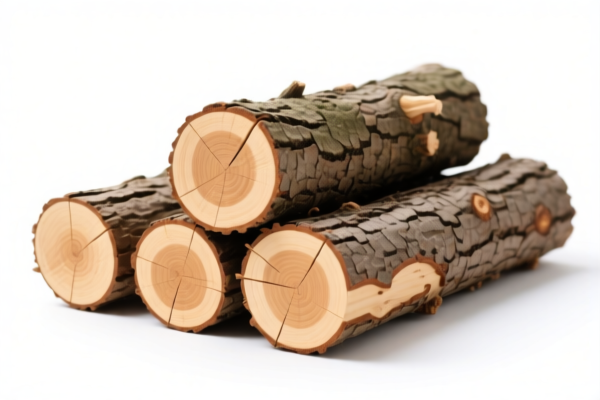
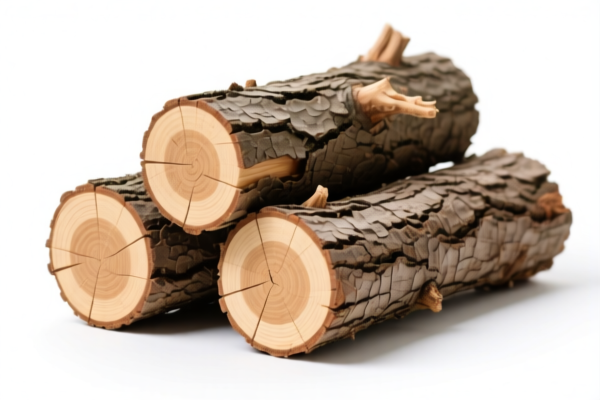
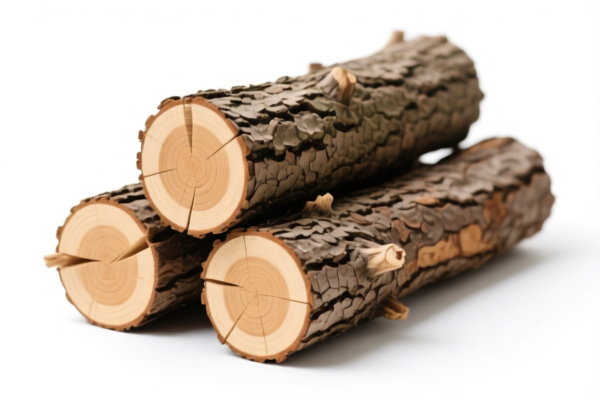
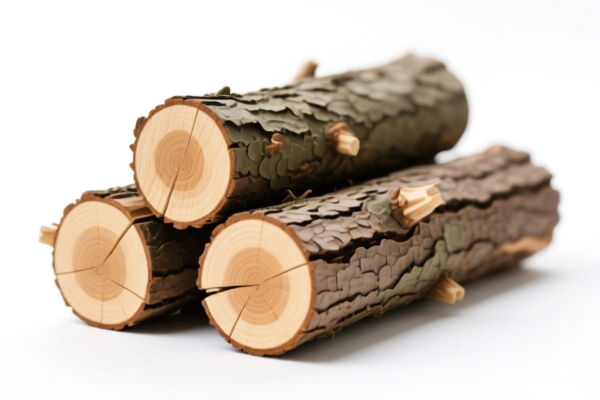
AI Analysis
🔥 Bundled Firewood Logs for Campfires
🌐 HS Code Reference & Customs Clearance Guide | 2026 Latest Tariff Analysis | Professional Compliance Strategy
📌 I. Product Definition & Classification: Do You Truly Understand "Firewood"?
Firewood, specifically in logs, billets, twigs, or faggots forms, is a critical commodity for heating and recreational use (e.g., campfires). In international trade, it is strictly categorized by the biological origin of the wood. The key distinction lies between Coniferous (Softwood) and Nonconiferous (Hardwood) species.
⚠️ Key Distinction Point:
- If the wood comes from pine, spruce, fir, cedar, etc. → Classified as Coniferous
- If the wood comes from oak, maple, beech, eucalyptus, etc. → Classified as Nonconiferous
- Note: "Bundled" or "Agglomerated" forms (logs, briquettes, pellets) still fall under this category if they are in "log-like" or similar forms, as per HS 4401.
📦 II. HS Code Classification Details (2026 Latest Tariff Authority Comparison)
| HS Code | Product Description | Applicable Scenario | Wood Type |
|---|---|---|---|
4401.11.00.00 |
Fuel wood, in logs, in billets, in twigs, in faggots or in similar forms: Coniferous | Pine logs, spruce bundles, fir billets | ✅ Coniferous |
4401.12.00.00 |
Fuel wood, in logs, in billets, in twigs, in faggots or in similar forms: Nonconiferous | Oak logs, hardwood bundles, mixed hardwood | ✅ Nonconiferous |
🔍 Important Reminder:
- "Bundled" does not change the HS Code: Whether the logs are loose, tied in bundles, or stacked, as long as they are not processed into pellets (which might fall under different subheadings if agglomerated differently, but here specified as "logs/billets"), they remain in Chapter 44.01.
- Mandatory Separation: You cannot mix Coniferous and Nonconiferous wood in the same HS Code declaration. They must be declared separately.
💰 III. 2026 Latest Tariff Rate Details (Including Additional Taxes)
✅ Applicable Country: United States (US)
✅ Origin: China (CN) (Based on the provided DATA context)
✅ Effective Time: Current 2026 Tariff Schedule
🎯 1. 4401.11.00.00 —— Coniferous Fuel Wood (Logs, Billets, etc.)
| Item | Content |
|---|---|
| Base Tariff Rate | 0.0% |
| Additional Tariff (Section 301 / USITC) | +25.0% |
| Total Tax Rate | 25.0% |
| Tax Calculation | CIF Value × 25% |
| De Minimis Exemption Eligible? | ❌ No (Subject to high tariffs) |
📌 Explanation:
- The Base Tariff is 0%, meaning there is no standard MFN duty.
- However, a significant Additional Tariff of 25% applies due to trade remedies (likely Section 301 tariffs on Chinese wood products).
- Total Effective Rate: 25%. This is a high cost barrier for bulk imports.
🎯 2. 4401.12.00.00 —— Nonconiferous Fuel Wood (Logs, Billets, etc.)
| Item | Content |
|---|---|
| Base Tariff Rate | 0.0% |
| Additional Tariff (Section 301 / USITC) | +25.0% |
| Total Tax Rate | 25.0% |
| Tax Calculation | CIF Value × 25% |
| De Minimis Exemption Eligible? | ❌ No |
📌 Explanation:
- Identical tax treatment to Coniferous wood.
- Whether it is Oak, Maple, or other hardwoods, the 25% additional tariff remains unchanged.
- Total Effective Rate: 25%.
🛠️ IV. Customs Clearance Practical Advice (Real-World Pitfall Guide)
✅ 1. Required Documentation Checklist (Non-negotiable)
| Document | Mandatory? | Description |
|---|---|---|
| ✅ Phytosanitary Certificate | ✔️ CRITICAL | Issued by the country of origin’s plant protection agency. Proves wood is free of pests/diseases. Without this, shipment will be rejected. |
| ✅ Commercial Invoice | ✔️ | Must clearly state: "Fuel Wood," specify Coniferous vs. Nonconiferous, and list HS Codes (4401.11.00.00 / 4401.12.00.00). |
| ✅ Packing List | ✔️ | Detail weight, dimensions, and number of bundles/logs. |
| ✅ Bill of Lading/Air Waybill | ✔️ | Standard shipping document. |
| ✅ Declaration of Wood Species | ✔️ | Written statement specifying exact tree species (e.g., "Pinus sylvestris" for Coniferous, "Quercus robur" for Nonconiferous). |
✅ 2. Declaration Tips (Key Mnemonics)
🔥 “Species Define Code, Bundle Define Form, Phytosanitary Defines Entry!”
| Scenario | Correct Declaration | Wrong Practice |
|---|---|---|
| Pine logs tied in bundles | 4401.11.00.00 |
Mislabel as "Timber" or "Plywood" → Delayed clearance |
| Oak logs for fire pits | 4401.12.00.00 |
Mixing Coniferous & Nonconiferous in one line item → Rejection |
| Treated/Anti-fungal wood | Still 4401.11/12 |
Do not declare as "Chemical Products" unless treated beyond standard fuel wood prep |
| Wood Chips (not logs) | Different HS (4401.41/42) | Do not confuse Logs/Billets with Chips/Particles |
✅ 3. Special Handling & Risk Mitigation
| Situation | Handling Advice |
|---|---|
| Mixed Species Shipments | Separate shipments or declare each species line separately. Mixing will cause classification errors and potential fines. |
| Bark Presence | If bark is present, it is still Fuel Wood. However, ensure no live insects are present. Phytosanitary certificate must explicitly cover bark. |
| Value Declaration | Ensure CIF value includes insurance and freight. The 25% tax is calculated on CIF. Undervaluation triggers audits. |
| Destination Port Inspection | High risk of inspection due to biosecurity. Prepare for potential physical examination by APHIS (USDA). |
🌍 V. Global Market Comparison (2026 Latest)
| Country/Region | Recommended HS Code | Tariff (China Origin) | Certification Required | Remarks |
|---|---|---|---|---|
| 🇺🇸 USA | 4401.11.00.00 / 4401.12.00.00 |
25.0% | Phytosanitary Cert. | High tariff barrier. Strict biosecurity. |
| 🇨🇳 China | 4401.11.00.00 / 4401.12.00.00 |
Varies (Low) | ISPM 15 Marking | Domestic fuel wood trade. |
| 🇪🇺 EU | 4401.11.00 / 4401.12.00 |
0% - 2.5% | ISPM 15 Marking | Stricter wood health rules, but lower tariffs. |
| 🇬🇧 UK | 4401.11.00 / 4401.12.00 |
0% - 2.5% | ISPM 15 Marking | Post-Brexit rules apply. |
| 🇯🇵 Japan | 4401.11.00 / 4401.12.00 |
0% - 2.5% | ISPM 15 Marking | Strict pest control. |
📌 Conclusion:
- The USA imposes a significant 25% additional tariff on Chinese firewood logs, making it expensive compared to EU/UK markets.
- Biosecurity (Phytosanitary Certificate) is the most critical document for any market. Failure to provide it results in immediate rejection/destruction.
📌 VI. Common Errors & Pitfalls (Lessons Learned)
❌ Error 1: Declaring "Firewood" without specifying Coniferous vs. Nonconiferous
👉 Consequence: Customs will flag the entry for clarification, causing delays. They may assign a default code or reject it.
❌ Error 2: Forgetting the Phytosanitary Certificate
👉 Consequence: Shipment Rejected or Destroyed. This is the #1 cause of firewood import failure.
❌ Error 3: Confusing "Logs/Billets" with "Wood Chips/Particles"
👉 Consequence: Wrong HS Code (4401.41 vs 4401.11). Chips have different tax rules and handling requirements.
❌ Error 4: Underestimating the 25% Tax Impact
👉 Consequence: Profit margin erosion. Budget for 25% duty + port handling + storage fees if delayed.
✅ Correct Practice:
“Bundled Coniferous Fuel Wood (Pinus spp.), 10,000 kg, ISPM 15 Marked, Certified Pest-Free, HS: 4401.11.00.00”
🎯 VII. Conclusion: Professional Declaration, Smooth Customs, Cost Efficiency!
🎯 Remember the Mantra:
🔹 “Species Split, Bundle Form, Phytosanitary Gold, 25% Tax Bold!”
🔹 “HS Code 4401.11/12, Tax 25%, Cert First, Pass Customs!”
📌 Pro Tip:
- If shipping to the US, verify ISPM 15 compliance on all packaging (pallets, crates) in addition to the wood itself.
- Consider sourcing from countries with FTA (Free Trade Agreement) benefits if available, to mitigate the 25% tariff (though wood tariffs are often less flexible than electronics).
- Pre-clearance: Engage a licensed customs broker to review the Phytosanitary Certificate before shipment departure.
📣 Immediate Action:
📞 Contact a certified customs broker + Ensure Phytosanitary Certificate + Verify ISPM 15 Marking
🚀 Let your firewood pass customs smoothly, safely, and cost-effectively!
✨ Professional Clearance Starts with Precise Classification!
💼 Every percent of tax matters in bulk commodity trade!
Customer Reviews
About HS Code Classification
The Harmonized System (HS) is an internationally standardized nomenclature developed by the World Customs Organization (WCO) to classify traded products. Over 200 countries use the HS system as the basis for customs tariffs, trade statistics, and import/export regulations.
Each HS code follows a hierarchical structure:
- Chapter (2 digits) — Broad category of goods (e.g., Chapter 84: Machinery and Mechanical Appliances)
- Heading (4 digits) — More specific grouping within the chapter
- Subheading (6 digits) — Internationally standardized breakdown, used by all WCO member countries
- National subdivisions (8-10 digits) — Country-specific extensions for further classification, such as US HTSUS 10-digit codes
Correct HS code classification is essential for smooth customs clearance, accurate duty payment, and compliance with trade regulations. Misclassification can lead to customs delays, overpayment of duties, or penalties.
When importing from CN to US, the applicable tariff rates may include:
- Most-Favored-Nation (MFN) rate — The standard duty rate applied to WTO members
- General rate — Applied to countries without trade agreements
- Trade remedy duties — Additional tariffs such as Section 301 (anti-dumping), Section 232 (national security), or countervailing duties
The information provided on this page is for reference purposes only. For official classification, please consult with your local customs authority or a licensed customs broker.