bunny toy
CN → US| HS Code | Tariff Rate | Origin | Destination | Doc |
|---|---|---|---|---|
| 9503000071 | 10.0% | CN | US | Official Doc |
| 6307907500 | 14.3% | CN | US | Official Doc |
| 6307909891 | 24.5% | CN | US | Official Doc |
| 9503000073 | 10.0% | CN | US | Official Doc |
| 3926400090 | 15.3% | CN | US | Official Doc |
Product Images
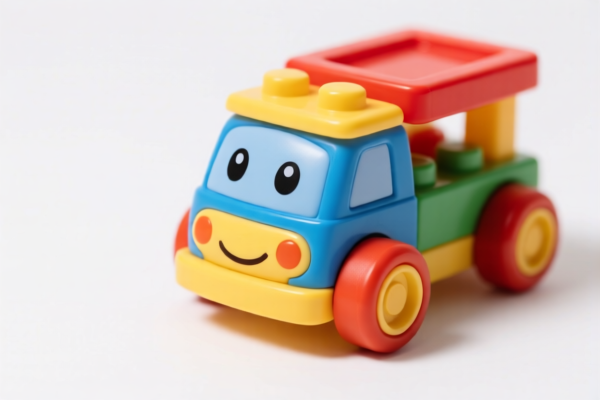
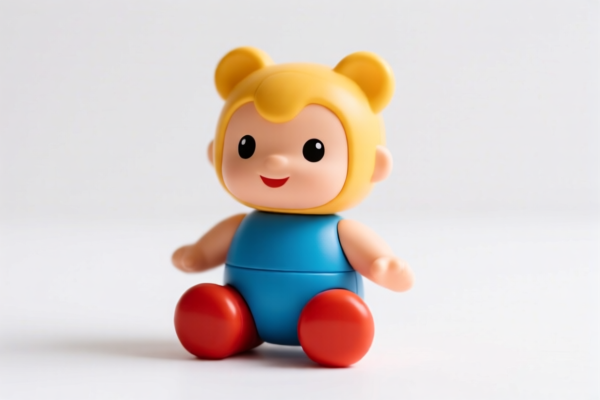
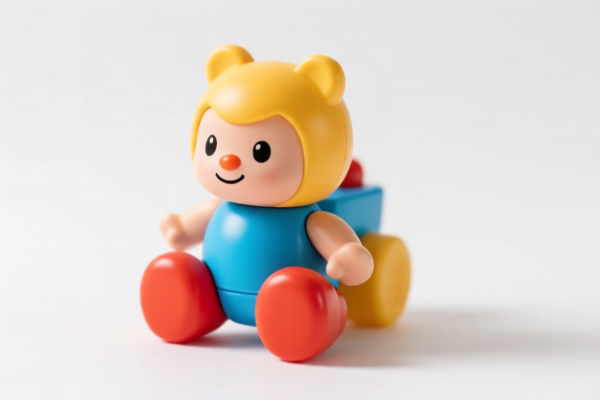
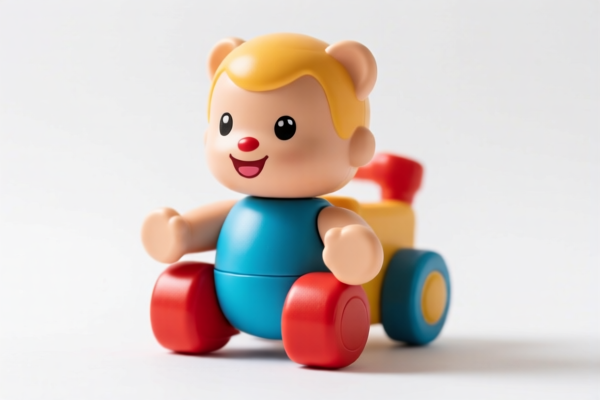
AI Analysis
🐰 Bunny Toys: The Ultimate HS Code Classification & Tax Guide (2026 Update)
🌐 HS Code Reference & Customs Clearance Guide | 2026 Latest Tariff Analysis | Professional Clearance Strategy
📌 1. Product Definition & Classification: What Exactly is a "Bunny Toy"?
A "Bunny Toy" (Rabbit/Hare themed) is a broad category in international trade. It is not a single HS Code. The classification depends entirely on Material, Function, and Target Audience.
In the provided data, we see 5 distinct HS Codes for bunny toys. Why? Because customs looks at what it's made of and what it is specifically designed for.
⚠️ Key Distinction Points: - Stuffed Plush (9503): Soft, filled with fiber/stuffing, clearly a toy for children. - Textile Finished Goods (6307): May be toys but classified under "other made-up articles" if not strictly plush or if part of a broader textile category. - Other Materials (3926): Plastic, rubber, or mixed materials (e.g., hard plastic bunny bodies with plush heads). - Pet Toys (6307.90.75): Designed for animals, not humans.
📦 2. HS Code Classification Details (From Provided Data)
| HS Code | Product Description | Material / Key Feature | Total Tax Rate | Tax Breakdown |
|---|---|---|---|---|
9503.00.00.71 |
Plush Toys | Plush material, used as toys | 10.0% | Base: 0.0% Section 301: 0.0% Section 122: 10% |
6307.90.75.00 |
Textile Pet or General Toy | Fabric/Textile material | 14.3% | Base: 4.3% Section 301: 0.0% Section 122: 10% |
6307.90.98.91 |
Other Made-up Articles | Fiber/Plush material (non-toy specific or broader category) | 24.5% | Base: 7.0% Section 301: 7.5% Section 122: 10% |
9503.00.00.73 |
Plush/Textile Toys | Plush/Fabric material, used as toys | 10.0% | Base: 0.0% Section 301: 0.0% Section 122: 10% |
3926.40.00.90 |
Statuettes & Ornamental Articles | Plastic/Other materials, filled/decorative dolls | 15.3% | Base: 5.3% Section 301: 0.0% Section 122: 10% |
🔍 Critical Insight: - 9503 is the "Toy Home": If it’s clearly a toy made of plush/fabric, it goes here. Lowest base tax (0%). - 6307 is the "Textile Trap": If it’s made of fabric but not classified strictly as a "toy" in Chapter 95, or is for pets, it falls here. Higher base tax (4.3% - 7.0%). - 3926 is the "Mixed Material" Zone: If the bunny has a hard plastic body, even if it’s stuffed, it may be classified here. Moderate base tax (5.3%).
💰 3. 2026 Tariff Rate Breakdown (Including Additional Duties)
✅ Applicable Country: United States (US)
✅ Origin: China (CN)
✅ Effective Date: Current 2026 tariffs
🎯 1. 9503.00.00.71 & 9503.00.00.73 —— Plush Toys (Best Scenario)
| Item | Details |
|---|---|
| Base Tariff | 0% (Ad Valorem) |
| Section 301 Tariff | 0% (Waived for specific plush toys under certain codes) |
| Section 122 Tariff | +10% |
| Total Effective Rate | 10.0% |
| Tax Calculation | CIF Value × 10% |
| De Minimis Eligibility | ❌ No (Section 122 applies) |
| Legal Basis | USITC:9503.00.00.71/73 → Section 122: 10% |
📌 Explanation:
- These codes benefit from 0% base tariff and 0% Section 301 tariff.
- Only the Section 122 tariff (10%) applies.
- Why Section 122? This is a newer tariff provision targeting specific textile/plush imports from China.
- Result: This is the most cost-effective classification for plush bunnies.
🎯 2. 6307.90.75.00 —— Textile Pet/General Toys
| Item | Details |
|---|---|
| Base Tariff | 4.3% |
| Section 301 Tariff | 0% |
| Section 122 Tariff | +10% |
| Total Effective Rate | 14.3% |
| Tax Calculation | CIF Value × 14.3% |
| De Minimis Eligibility | ❌ No |
| Legal Basis | USITC:6307.90.75.00 → Section 122: 10% |
📌 Explanation:
- Base tariff is higher (4.3%) because it’s not classified under Chapter 95 (Toys).
- Still benefits from 0% Section 301.
- Risk: If declared as "Pet Toy" but intended for children, customs may reclassify to 9503, leading to penalties.
🎯 3. 6307.90.98.91 —— Other Made-up Articles (Highest Cost)
| Item | Details |
|---|---|
| Base Tariff | 7.0% |
| Section 301 Tariff | +7.5% |
| Section 122 Tariff | +10% |
| Total Effective Rate | 24.5% |
| Tax Calculation | CIF Value × 24.5% |
| De Minimis Eligibility | ❌ No |
| Legal Basis | USITC:6307.90.98.91 → Section 301: 7.5% → Section 122: 10% |
📌 Explanation:
- Avoid this code unless necessary.
- It incurs all three tariffs: Base (7%), Section 301 (7.5%), and Section 122 (10%).
- Typically used for decorative plush items that are not primarily toys (e.g., decorative cushions with bunny shapes).
🎯 4. 3926.40.00.90 —— Plastic/Other Material Dolls
| Item | Details |
|---|---|
| Base Tariff | 5.3% |
| Section 301 Tariff | 0% |
| Section 122 Tariff | +10% |
| Total Effective Rate | 15.3% |
| Tax Calculation | CIF Value × 15.3% |
| De Minimis Eligibility | ❌ No |
| Legal Basis | USITC:3926.40.00.90 → Section 122: 10% |
📌 Explanation:
- Applies to bunnies made primarily of plastic or mixed materials where plastic is dominant.
- Higher base than plush, but no Section 301.
🛠️ 4. Customs Clearance Practical Advice (Real-World Pitfalls)
✅ 1. Documentation Checklist (Must-Have)
| Document | Required | Notes |
|---|---|---|
| Product Specification Sheet | ✔️ | Detail material: Is it 100% plush? Plastic body? |
| Material Composition Report | ✔️ | % of fabric, stuffing, plastic, etc. |
| Product Photos | ✔️ | Show label, intended use (child vs. pet), and structure |
| Commercial Invoice | ✔️ | Accurate description: "Plush Bunny Toy" vs. "Plush Decorative Item" |
| Certificate of Origin | ✔️ | Confirm China origin for tariff calculation |
| Child Safety Certification | ✔️ | ASTM F963 or CPSIA if intended for children |
✅ 2. Declaration Tips (Key Phrases)
🔥 “Be Specific, Be Accurate, Be Classifiable!”
| Scenario | Correct Declaration | Incorrect Declaration | Risk |
|---|---|---|---|
| Plush Bunny for Kids | "Plush stuffed bunny toy, 100% polyester, child-safe" | "Plush animal" or "Toy" (vague) | May be reclassified to 6307 (higher tax) |
| Plastic Bunny Doll | "Vinyl plastic bunny doll, 30cm" | "Bunny plush" (false) | Misdeclaration, penalties, seizure |
| Bunny for Dogs | "Dog toy, plush rabbit, squeaker" | "Bunny toy" (implies human) | May be flagged for CPSIA violation |
| Decorative Plush Bunny | "Plush decorative bunny, not for play" | "Toy" | Reclassified to 9503 if deemed toy, or 6307.98 if decorative |
✅ 3. Special Cases
| Case | Handling Advice |
|---|---|
| Mixed Material (Plastic + Plush) | If plastic body > 50% by weight, consider 3926.40.00.90. If plush head dominates, consider 9503. |
| Pet Toy vs. Child Toy | Crucial! Pet toys are NOT subject to CPSIA. Child toys ARE. Misclassification can lead to product recalls. |
| Section 122 Application | All 5 codes above are subject to Section 122 10% tariff. This is non-negotiable for China-origin goods in this category. |
🌍 5. Global Market Comparison (2026)
| Market | Recommended HS Code | Base Tariff | Additional Tariffs | Total Effective Rate | Notes |
|---|---|---|---|---|---|
| 🇺🇸 USA | 9503.00.00.71 (Plush) |
0% | Section 122: 10% | 10.0% | Best option for plush |
| 🇺🇸 USA | 6307.90.98.91 (Other) |
7.0% | 301: 7.5% + 122: 10% | 24.5% | Avoid if possible |
| 🇨🇳 China | 9503.00.00.71 |
7.5% | None | 7.5% | Lower entry tax |
| 🇪🇺 EU | 9503.00.00 |
6.5% | None | 6.5% | No Section 122/301 |
| 🇬🇧 UK | 9503.00.00 |
6.5% | None | 6.5% | Post-Brexit alignment with EU |
📌 Conclusion:
- USA is the most complex due to Section 122 and potential Section 301.
- Plush toys (9503) are the safest bet for low tax (10%) in the US.
- Avoid 6307.90.98.91 unless the item is truly not a toy.
📌 6. Common Mistakes & Pitfalls (Blood-Teachings)
❌ Mistake 1: Calling a plastic bunny a "plush toy"
👉 Result: Reclassified to 3926.40.00.90 → Tax jumps from 10% to 15.3%. Plus, misdeclaration fine.
❌ Mistake 2: Declaring a child toy as a "pet toy"
👉 Result: Severe penalty for violating CPSIA. Product recall. Ban from sale.
❌ Mistake 3: Using vague description "Toy Bunny"
👉 Result: Customs officer may choose the highest-tax code (6307.90.98.91 → 24.5%).
❌ Mistake 4: Ignoring Section 122
👉 Result: Assuming 0% tax. Surprise 10% bill at customs.
✅ Correct Approach:
"Plush Stuffed Bunny Toy, 100% Polyester, Fill: PP Cotton, ASTM F963 Certified, Model XYZ"
🎯 7. Conclusion: Smart Classification Saves Money!
🎯 Remember These Rules:
🔹 "Plush for Kids = 9503 (10% Total)"
🔹 "Plastic/Mixed = 3926 (15.3% Total)"
🔹 "Pet Toy = 6307.90.75 (14.3% Total)"
🔹 "Decorative/Other = 6307.90.98 (24.5% Total) – AVOID!"
📌 Pro Tip:
- Always provide photos and material specs.
- Clearly state "For Children" or "For Pets" on the invoice.
- Apply for Advance Ruling if your product is on the border (e.g., mixed materials).
📣 Act Now:
📞 Consult a licensed customs broker.
📄 Get a pre-classification ruling.
🚀 Clear customs smoothly, keep profits high, and let every bunny bounce to its new home!
✨ Professional Clearance Starts with Accurate Classification!
💼 Every dollar saved on tax is pure profit!
Customer Reviews
About HS Code Classification
The Harmonized System (HS) is an internationally standardized nomenclature developed by the World Customs Organization (WCO) to classify traded products. Over 200 countries use the HS system as the basis for customs tariffs, trade statistics, and import/export regulations.
Each HS code follows a hierarchical structure:
- Chapter (2 digits) — Broad category of goods (e.g., Chapter 84: Machinery and Mechanical Appliances)
- Heading (4 digits) — More specific grouping within the chapter
- Subheading (6 digits) — Internationally standardized breakdown, used by all WCO member countries
- National subdivisions (8-10 digits) — Country-specific extensions for further classification, such as US HTSUS 10-digit codes
Correct HS code classification is essential for smooth customs clearance, accurate duty payment, and compliance with trade regulations. Misclassification can lead to customs delays, overpayment of duties, or penalties.
When importing from CN to US, the applicable tariff rates may include:
- Most-Favored-Nation (MFN) rate — The standard duty rate applied to WTO members
- General rate — Applied to countries without trade agreements
- Trade remedy duties — Additional tariffs such as Section 301 (anti-dumping), Section 232 (national security), or countervailing duties
The information provided on this page is for reference purposes only. For official classification, please consult with your local customs authority or a licensed customs broker.