butterfly hairpin
CN → US| HS Code | Tariff Rate | Origin | Destination | Doc |
|---|---|---|---|---|
| 7117909000 | 28.5% | CN | US | Official Doc |
| 9601908000 | 21.2% | CN | US | Official Doc |
| 9601902000 | 17.5% | CN | US | Official Doc |
| 3926903500 | 24.0% | CN | US | Official Doc |
| 3926908500 | 24.0% | CN | US | Official Doc |
Product Images
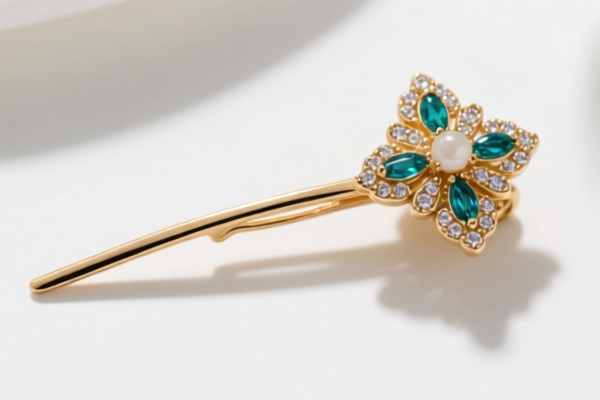
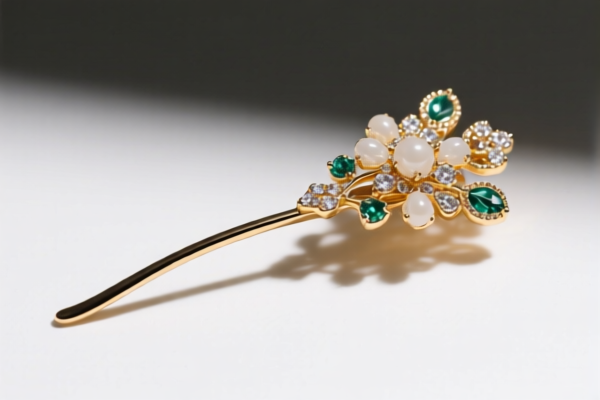
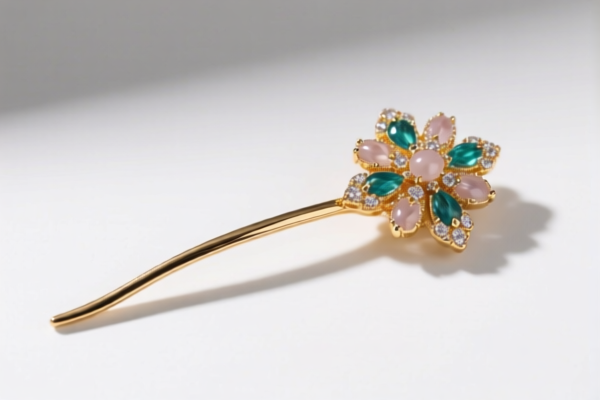
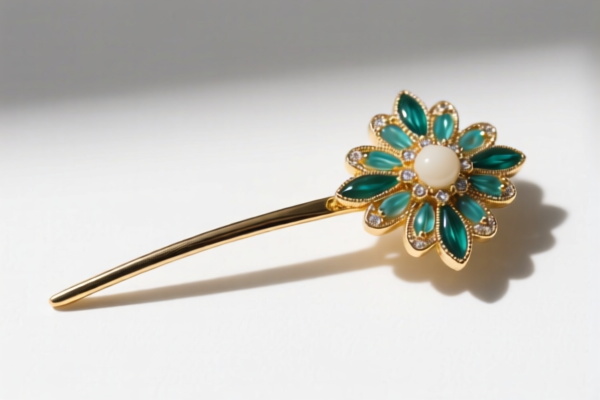
AI Analysis
🦋 Butterfly Hairpins (Fashion Hair Accessories)
🌐 HS Code Reference & Customs Clearance Guide | 2026 Latest Tariff Analysis | Professional Customs Strategy
📌 I. Product Definition & Classification: Do You Really Understand "Butterfly Hairpins"?
Butterfly hairpins are popular fashion accessories designed to decorate hair. In international trade, their classification is strictly determined by their material composition. Unlike generic "plastic goods," specific materials (such as non-precious metals, animal materials, or specific plastic types) lead to different HS Codes and significantly different tax liabilities.
Key Classification Criteria: 1. Material: Is it made of plastic, metal, or carved animal materials? 2. Function: Is it for decoration (jewelry-like) or general utility? 3. Complexity: Does it contain complex mechanical parts or simple decorative components?
⚠️ Critical Distinction: - If it looks like jewelry and uses non-precious metals → It is classified as Imitation Jewelry (
7117.90.90.00). - If it is purely plastic → It falls under Plastic Articles (3926.90.35.00or3926.90.85.00). - If it involves carved materials (e.g., shell, bone, horn) → It falls under Worked Animal Materials (9601.90.20.00or9601.90.80.00).
📦 II. HS Code Classification Details (2026 Latest Tariff Authority Comparison)
Based on the provided data, here are the 5 possible HS Codes for Butterfly Hairpins, ranked by typical material usage and tax implications.
| HS Code | Product Description | Material Basis | Why This Code? |
|---|---|---|---|
| 7117.90.90.00 | Imitation Jewelry (Non-precious metal) | Non-precious metals (Zinc alloy, Copper, etc.) | Classified as "Fancy Jewelry" because it serves a decorative, jewelry-like function. Highest base tax. |
| 9601.90.80.00 | Other Worked Articles (Animal materials) | Carved animal materials (Shell, Bone, Horn) | Contains worked animal materials. Classified under "Other articles of worked animal materials." |
| 9601.90.20.00 | Worked Shell & Articles | Processed Shell/Bone | Specifically for articles made from processed shell or similar animal materials. Lower base tax than general worked articles. |
| 3926.90.35.00 | Other Plastic Articles | Plastic | Plastic hairpins fall under "Other articles of plastics." Specific subheading for general plastic fashion accessories. |
| 3926.90.85.00 | Other Plastic Articles (Plastic Components) | Plastic | Plastic hairpins with plastic components. General catch-all for plastic items not specified elsewhere. |
🔍 Key Reminder: - Do not mix materials in one declaration. If a hairpin has a metal base and a plastic butterfly head, customs may classify it based on the principal component or the essential character. However, for safety and accuracy, declare the dominant material clearly. - Plastic vs. Metal: Plastic items generally have a lower base tax (0%-6.5%) compared to Imitation Jewelry (11%). However, all categories share the same additional tariffs.
💰 III. 2026 Latest Tariff Rate Breakdown (Including Surtaxes & Policy Add-ons)
✅ Applicable Country: United States (US) ✅ Origin: China (CN) ✅ Effective Date: Current policy structure including Section 301 and Section 122 tariffs
All listed HS Codes share the same Additional Tariff Structure: - Section 301 Surcharge: +7.5% - Section 122 Tariff: +10% - Total Additional Tariffs: +17.5%
🎯 1. 7117.90.90.00 — Imitation Jewelry (Non-Precious Metal)
| Item | Content |
|---|---|
| Base Duty | 11.0% |
| Section 301 Surcharge | +7.5% |
| Section 122 Tariff | +10% |
| Total Tax Rate | 28.5% |
| Tax Calculation | CIF Value × 28.5% |
| De Minimis Exemption | ❌ No (Commercial goods) |
| Legal Basis Path | HTSUS:7117.90.90.00 → USITC:Section301 → USITC:Section122 |
📌 Explanation: - This is the highest base duty category. - Total Rate: 28.5%. - Suitable for hairpins made of zinc alloy, copper, or iron with gold/silver plating.
🎯 2. 9601.90.80.00 — Other Worked Articles (Animal Materials)
| Item | Content |
|---|---|
| Base Duty | 3.7% |
| Section 301 Surcharge | +7.5% |
| Section 122 Tariff | +10% |
| Total Tax Rate | 21.2% |
| Tax Calculation | CIF Value × 21.2% |
| De Minimis Exemption | ❌ No |
| Legal Basis Path | HTSUS:9601.90.80.00 → USITC:Section301 → USITC:Section122 |
📌 Explanation: - Lower base duty than jewelry. - Total Rate: 21.2%. - Suitable for hairpins made from worked tortoise shell, horn, or bone.
🎯 3. 9601.90.20.00 — Worked Shell & Articles
| Item | Content |
|---|---|
| Base Duty | 0.0% |
| Section 301 Surcharge | +7.5% |
| Section 122 Tariff | +10% |
| Total Tax Rate | 17.5% |
| Tax Calculation | CIF Value × 17.5% |
| De Minimis Exemption | ❌ No |
| Legal Basis Path | HTSUS:9601.90.20.00 → USITC:Section301 → USITC:Section122 |
📌 Explanation: - Lowest Total Tax Rate among all options. - Total Rate: 17.5%. - Only apply if the product is explicitly made from processed shell or similar animal materials.
🎯 4. 3926.90.35.00 — Other Plastic Articles
| Item | Content |
|---|---|
| Base Duty | 6.5% |
| Section 301 Surcharge | +7.5% |
| Section 122 Tariff | +10% |
| Total Tax Rate | 24.0% |
| Tax Calculation | CIF Value × 24.0% |
| De Minimis Exemption | ❌ No |
| Legal Basis Path | HTSUS:3926.90.35.00 → USITC:Section301 → USITC:Section122 |
📌 Explanation: - Standard plastic hairpins. - Total Rate: 24.0%.
🎯 5. 3926.90.85.00 — Other Plastic Articles (Plastic Components)
| Item | Content |
|---|---|
| Base Duty | 6.5% |
| Section 301 Surcharge | +7.5% |
| Section 122 Tariff | +10% |
| Total Tax Rate | 24.0% |
| Tax Calculation | CIF Value × 24.0% |
| De Minimis Exemption | ❌ No |
| Legal Basis Path | HTSUS:3926.90.85.00 → USITC:Section301 → USITC:Section122 |
📌 Explanation: - Often used for plastic hairpins with complex plastic assemblies. - Total Rate: 24.0% (Same as above).
🛠️ IV. Customs Clearance Practical Advice (Real-World Pitfall Guide)
✅ 1. Documentation Checklist (Must-Haves)
| Document | Required | Notes |
|---|---|---|
| ✅ Product Material Specification | ✔️ | Clearly state: "100% Plastic," "Zinc Alloy with Enamel," or "Worked Shell." |
| ✅ Product Photos | ✔️ | Close-ups of material texture to prove it is not precious metal. |
| ✅ Commercial Invoice | ✔️ | Must match HS Code description (e.g., "Plastic Hair Clip" vs. "Imitation Jewelry"). |
| ✅ Packing List | ✔️ | Weight and quantity details. |
✅ 2. Classification Strategy (Key Principles)
🔥 “Material Determines Code, Code Determines Tax!”
| Scenario | Recommended HS Code | Tax Rate | Why? |
|---|---|---|---|
| Zinc Alloy/Copper Base | 7117.90.90.00 |
28.5% | Classified as Imitation Jewelry. Highest tax. |
| 100% Plastic | 3926.90.35.00 or 85 |
24.0% | Plastic articles. Moderate tax. |
| Shell/Bone/Horn | 9601.90.20.00 |
17.5% | Lowest Tax! Use if material allows. |
| Mixed Metal/Plastic | Consult Expert | Variable | Usually classified by essential character. If metal dominates, might go to 28.5%. |
✅ 3. Special Situation Handling
| Situation | Handling Advice |
|---|---|
| OEM Custom Designs | Provide design drawings to prove material composition. Do not let customs guess. |
| "Metal-Plated" Plastic | If the core is plastic and only the surface is plated, try to argue for 3926 (Plastic) with strong evidence. If the core is metal, it’s 7117 (Jewelry). |
| De Minimis (Section 321) | ❌ Not Applicable. These are commercial shipments, not personal gifts. All taxes apply. |
🌍 V. Global Market Comparison (2026 Latest)
| Country/Region | Recommended HS Code | Estimated Total Tax | Certification | Notes |
|---|---|---|---|---|
| 🇺🇸 USA | 7117.90.90.00 (Jewelry) |
28.5% | None specific | Highest tax due to Section 122 + 301. |
| 🇨🇳 China | 7117.90.90.00 |
~8-15% | N/A | Lower base tax, no US surcharges. |
| 🇪🇺 EU | 7117.90.90.00 |
~10-12% | REACH | No Section 122. Lower overall cost. |
| 🇬🇧 UK | 7117.90.90.00 |
~12% | UKCA | Post-Brexit rules apply. |
📌 Conclusion: - The USA imposes the highest effective tax rate (up to 28.5%) due to Section 122 and Section 301 tariffs. - Plastic hairpins (24%) are cheaper to import than Jewelry-style (28.5%). - Shell-based hairpins (17.5%) offer the best tax efficiency, provided the material is authentic.
📌 VI. Common Errors & Pitfalls (Lessons Learned)
❌ Error 1: Declaring Zinc Alloy Hairpins as "Plastic Accessories" 👉 Consequence: Customs inspection reveals metal → Reclassification to 7117 → Pay 28.5% + Penalties!
❌ Error 2: Using "Hair Ornament" as a generic description 👉 Consequence: Customs cannot determine material → Delay in clearance → Storage fees!
❌ Error 3: Ignoring Section 122 Tariffs 👉 Consequence: Budgeting only for base duty + Section 301 → Unexpected 10% cost increase!
❌ Error 4: Confusing Imitation Jewelry with Costume Jewelry 👉 Clarification: In US HS Code, "Imitation Jewelry" (Chapter 71) covers fashion accessories made of non-precious metals. Butterfly hairpins with metal components fall here.
✅ Correct Practice:
"Butterfly Hair Pin, 100% ABS Plastic, Fashion Accessory, Model XYZ" →
3926.90.35.00"Butterfly Hair Pin, Zinc Alloy, Gold Plated, Imitation Jewelry" →7117.90.90.00
🎯 VII. Conclusion: Precise Classification Saves Money!
🎯 Remember the Golden Rule:
🔹 "Plastic is 24%, Shell is 17.5%, Metal is 28.5%!" 🔹 "Always declare the EXACT material. Customs checks everything!" 🔹 "Section 122 (10%) and Section 301 (7.5%) are unavoidable for Chinese origin."
📌 Pro Tip: If your supplier can produce hairpins using Shell or Horn, choose that material to save 11% in taxes compared to metal jewelry. If plastic is the only option, ensure your invoice clearly states "Plastic" to avoid reclassification.
📣 Immediate Action:
📞 Verify Material with Supplier → Select Correct HS Code → Calculate Total Landed Cost (CIF + 28.5% max) 🚀 Clear Customs Smoothly, Maximize Profit Margins!
✨ Professional Customs Clearance Starts with Accurate Classification! 💼 Every Percent Counts in International Trade!
Customer Reviews
About HS Code Classification
The Harmonized System (HS) is an internationally standardized nomenclature developed by the World Customs Organization (WCO) to classify traded products. Over 200 countries use the HS system as the basis for customs tariffs, trade statistics, and import/export regulations.
Each HS code follows a hierarchical structure:
- Chapter (2 digits) — Broad category of goods (e.g., Chapter 84: Machinery and Mechanical Appliances)
- Heading (4 digits) — More specific grouping within the chapter
- Subheading (6 digits) — Internationally standardized breakdown, used by all WCO member countries
- National subdivisions (8-10 digits) — Country-specific extensions for further classification, such as US HTSUS 10-digit codes
Correct HS code classification is essential for smooth customs clearance, accurate duty payment, and compliance with trade regulations. Misclassification can lead to customs delays, overpayment of duties, or penalties.
When importing from CN to US, the applicable tariff rates may include:
- Most-Favored-Nation (MFN) rate — The standard duty rate applied to WTO members
- General rate — Applied to countries without trade agreements
- Trade remedy duties — Additional tariffs such as Section 301 (anti-dumping), Section 232 (national security), or countervailing duties
The information provided on this page is for reference purposes only. For official classification, please consult with your local customs authority or a licensed customs broker.