cable management device
CN → US| HS Code | Tariff Rate | Origin | Destination | Doc |
|---|---|---|---|---|
| 7326908688 | 87.9% | CN | US | Official Doc |
| 3926909989 | 22.8% | CN | US | Official Doc |
| 3926902500 | 24.0% | CN | US | Official Doc |
| 8536908510 | 35.0% | CN | US | Official Doc |
| 8536908530 | 35.0% | CN | US | Official Doc |
| 8538908180 | 38.5% | CN | US | Official Doc |
Product Images
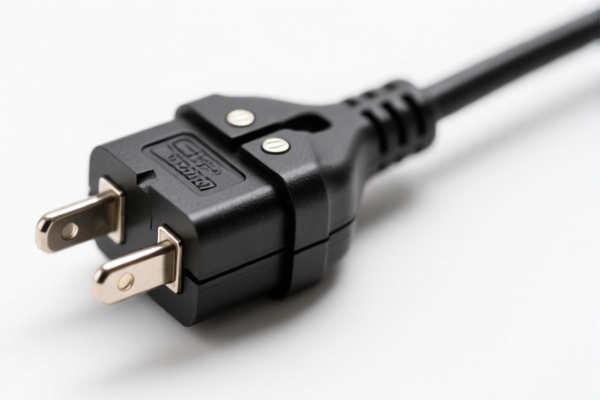
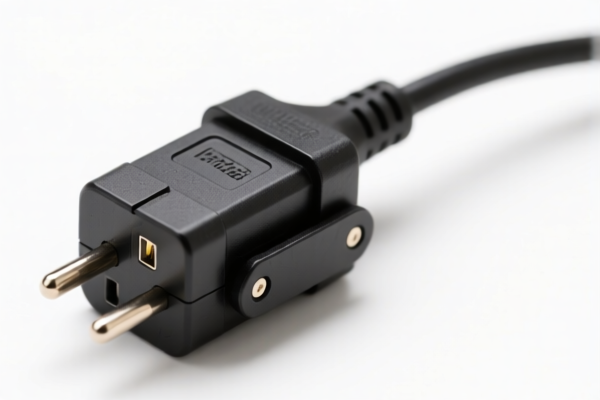
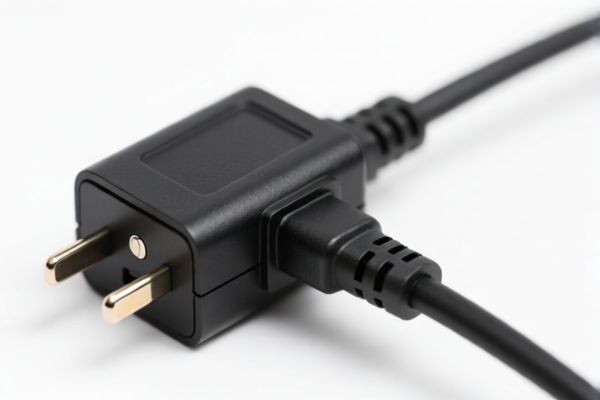
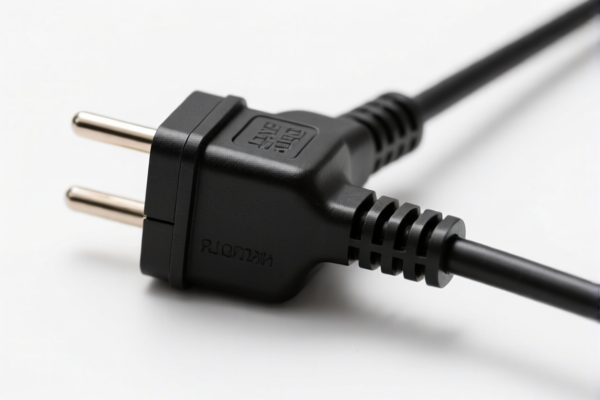
AI Analysis
🛠️ Cable Management Device (理线器/整理器)
🌐 HS Code Reference & Customs Clearance Guide | 2026 Latest Tariff Analysis | Professional Clearance Strategy
📌 I. Product Definition & Classification: What is a "Cable Management Device"?
Cable Management Devices (often called cable ties, clips, organizers, or grommets) are auxiliary tools used to organize, route, and protect electrical wires and data cables. In international trade, their classification depends heavily on material composition and functional purpose. They are generally not considered standalone "electrical apparatus" but rather components, accessories, or simple manufactured goods.
⚠️ Key Classification Distinction:
- If made of Metal (Steel/Iron): Usually falls under miscellaneous articles of base metals.
- If made of Plastic: Falls under miscellaneous plastic articles.
- If specifically for Electrical Circuit Connection: May fall under electrical accessories.
- If specifically for Electrical Switchgear Parts: Falls under parts of switchgear/control gear.
📦 II. HS Code Classification Details (2026 Latest Tariff Authority Comparison)
Based on the provided data, here are the 6 potential HS Codes for Cable Management Devices, along with their rationale and tax implications.
| HS Code | Product Description & Rationale | Material/Function | Total Tax Rate |
|---|---|---|---|
7326.90.86.88 |
Miscellaneous Articles of Iron/Steel Reasonable inference: Cable ties/clips are often metal. This is a fallback category for other iron/steel articles that are parts/accessories. |
🛠️ Metal (Iron/Steel) | 87.9% |
3926.90.99.89 |
Other Plastic Articles Reasoning: Plastic cable organizers are small storage tools. This category covers plastic articles not specifically listed elsewhere. |
🟦 Plastic | 22.8% |
3926.90.25.00 |
Other Plastic Articles Reasoning: Small plastic items for general use. Inferred as plastic material based on common usage. |
🟦 Plastic | 24.0% |
8536.90.85.10 |
Electrical Circuit Accessories (Conduits) Reasoning: Viewed as auxiliary devices for wiring protection/routing, an extension of electrical conduit applications. |
⚡ Electrical Accessory | 35.0% |
8536.90.85.30 |
Connectors/Connection Devices Reasoning: Used for organizing electrical circuits or connections, fitting the scope of connectors. |
⚡ Electrical Accessory | 35.0% |
8538.90.81.80 |
Parts of Switchgear/Control Gear Reasoning: Cable management is an accessory for switchboards, distribution, or control equipment. Defined as parts/accessories. |
⚡ Part of Electrical Gear | 38.5% |
🔍 Critical Note:
- Plastic vs. Metal: The tax difference is massive. Metal cable ties face 87.9%, while plastic ones face ~23-24%. - Electrical vs. General: Electrical-specific classifications (35-38.5%) are more expensive than general plastic articles but cheaper than metal.
💰 III. 2026 Latest Tariff Rate Details (Including Surcharges)
✅ Applicable Country: United States (US)
✅ Origin: China (CN)
✅ Effective Time: Current US Trade Regulations (Section 301 + IEEPA)
🎯 1. 7326.90.86.88 —— Miscellaneous Articles of Iron/Steel
| Item | Detail |
|---|---|
| Base Tariff | 2.9% |
| Section 301 Surcharge | +25.0% |
| IEEPA (Section 122) Surcharge | +50.0% (Steel/Aluminum/Copper products) |
| Total Tariff | 87.9% |
| Tax Calculation | CIF Value × 87.9% |
| De Minimis Eligibility | ❌ Not Eligible (deny_de_minimis) |
| Legal Basis | USITC:7326.90.86.88 + Steel Surcharges |
📌 Explanation:
- This is the highest tax bracket. - The 50% IEEPA surcharge applies specifically to steel/aluminum/copper products. - Avoid this classification if possible unless the product is undeniably a heavy-duty metal industrial component.
🎯 2. 3926.90.99.89 —— Other Plastic Articles
| Item | Detail |
|---|---|
| Base Tariff | 5.3% |
| Section 301 Surcharge | +7.5% |
| IEEPA Surcharge | +10.0% |
| Total Tariff | 22.8% |
| Tax Calculation | CIF Value × 22.8% |
| De Minimis Eligibility | ❌ Not Eligible (deny_de_minimis) |
| Legal Basis | IEEPA:9903.01.25 → USITC:3926.90.99.89 |
📌 Explanation:
- This is the most cost-effective option for standard plastic cable ties/clips. - Lower base tariff (5.3%) and lower Section 301 rate (7.5%).
🎯 3. 3926.90.25.00 —— Other Plastic Articles (Specific Subheading)
| Item | Detail |
|---|---|
| Base Tariff | 6.5% |
| Section 301 Surcharge | +7.5% |
| IEEPA Surcharge | +10.0% |
| Total Tariff | 24.0% |
| Tax Calculation | CIF Value × 24.0% |
| De Minimis Eligibility | ❌ Not Eligible (deny_de_minimis) |
📌 Explanation:
- Slightly higher than3926.90.99.89due to a higher base tariff (6.5% vs 5.3%). - Still significantly cheaper than metal or electrical classifications.
🎯 4. 8536.90.85.10 & 8536.90.85.30 —— Electrical Accessories
| Item | Detail |
|---|---|
| Base Tariff | 0.0% |
| Section 301 Surcharge | +25.0% |
| IEEPA Surcharge | +10.0% |
| Total Tariff | 35.0% |
| Tax Calculation | CIF Value × 35.0% |
| De Minimis Eligibility | ❌ Not Eligible (deny_de_minimis) |
📌 Explanation:
- Base tariff is 0%, but the 25% Section 301 surcharge pushes it to 35%. - Applies if the device is strictly viewed as part of the electrical circuit infrastructure (e.g., conduit protectors).
🎯 5. 8538.90.81.80 —— Parts of Switchgear
| Item | Detail |
|---|---|
| Base Tariff | 3.5% |
| Section 301 Surcharge | +25.0% |
| IEEPA Surcharge | +10.0% |
| Total Tariff | 38.5% |
| Tax Calculation | CIF Value × 38.5% |
| De Minimis Eligibility | ❌ Not Eligible (deny_de_minimis) |
📌 Explanation:
- Classifying as a "part" of switchgear incurs a higher base tariff (3.5%) than general electrical accessories. - Suitable only if the cable manager is an integral, custom-fitted part of a switchboard panel.
🛠️ IV. Customs Clearance Practical Advice (Pitfall Avoidance Guide)
✅ 1. Preparation Checklist (Must-Haves)
| Document | Required | Notes |
|---|---|---|
| ✅ Product Specifications | ✔️ | Specify material (Plastic/Metal), size, quantity per box. |
| ✅ Material Declaration | ✔️ | Explicitly state "100% PVC" or "Stainless Steel 304". |
| ✅ Product Photos | ✔️ | Show the item clearly. If plastic, highlight texture; if metal, highlight finish. |
| ✅ Commercial Invoice | ✔️ | Description should match the HS Code rationale (e.g., "Plastic Cable Clips"). |
| ✅ Packing List | ✔️ | Net weight/Gross weight must align with declared value. |
✅ 2. Declaration Tips (Key Mantra)
🔥 “Material First, Function Second; Plastic is Best, Metal is Expensive!”
| Scenario | Recommended HS Code | Risk if Misclassified |
|---|---|---|
| Standard Plastic Cable Ties/Clips | 3926.90.99.89 (22.8%) |
Misclassifying as Metal → 87.9% Tax! |
| Heavy-Duty Metal Cable Trays/Ties | 7326.90.86.88 (87.9%) |
Misclassifying as Plastic → Audit/Fines for undervaluation. |
| Integrated Cable Organizers for Racks | 8538.90.81.80 (38.5%) |
If standalone, may be challenged; better as 3926 if plastic. |
| Cable Conduit Protectors | 8536.90.85.10 (35.0%) |
Only if directly part of electrical wiring protection system. |
✅ 3. Special Situations
| Situation | Advice |
|---|---|
| Mixed Material (Plastic + Metal Clips) | Declare as Plastic if plastic is the primary material/volume. Provide material breakdown. |
| OEM Custom Cable Management Systems | Provide design drawings. If it’s a complex assembly, it might fall under 8538 (Parts), increasing tax. |
| Small Quantity (De Minimis) | ❌ Not Applicable. All listed HS codes have deny_de_minimis. You must pay duties on all shipments, regardless of value. |
🌍 V. Global Market Clearance Comparison (2026 Latest)
| Country/Region | Recommended HS Code | Tariff (China Origin) | Certification | Notes |
|---|---|---|---|---|
| 🇺🇸 USA | 3926.90.99.89 |
22.8% (Plastic) | FCC/UL (if electrical) | Highest Risk: Steel faces 87.9%. |
| 🇨🇳 China | 3926.90.99.89 |
~10-13% | CCC (if electrical) | Lower import duties. |
| 🇪🇺 EU | 3926.90.99 |
~4.5% | CE/RoHS | No Section 301/IEEPA surcharges. |
| 🇬🇧 UK | 3926.90.99 |
~4.5% | UKCA/RoHS | Post-Brexit rules apply. |
📌 Conclusion:
- The USA market is extremely punitive on Chinese-origin goods, especially steel and electrical parts. - Plastic cable management is the most tax-efficient category (22.8%). - Steel cable management is financially disastrous (87.9%) due to the 50% IEEPA steel tariff.
📌 VI. Common Errors & Pitfalls (Blood & Tears Lessons)
❌ Error 1: Declaring Metal Cable Ties as "Plastic"
👉 Consequence: Customs audit, penalty, and back-taxes (Difference: 87.9% - 22.8% = 65.1%).
❌ Error 2: Using "Cable Tie" as a vague description
👉 Consequence: Customs may assign a default higher tariff code.
✅ Fix: Use precise descriptions like "Flexible PVC Cable Clips" or "Stainless Steel Cable Clips".
❌ Error 3: Assuming De Minimis (Section 321) applies
👉 Consequence: Shipment held at border. All these HS codes are excluded from de minimis thresholds for China.
✅ Fix: Prepare for full duty payment on all entries.
✅ Correct Declaration Example:
"Plastic Cable Management Clips, Model XYZ, 100% PVC, Used for Organizing Data Cables, Not Electrical Conductors"
🎯 VII. Conclusion: Smart Classification Saves Money
🎯 Remember the Mantra:
🔹 "Plastic is King (22.8%), Steel is Doom (87.9%), Electrical is Middle (35%)."
🔹 "Always declare material. Always pay duty. No de minimis!"
📌 Pro Tip:
If your cable management device is plastic, insist on 3926.90.99.89.
If it is metal, consider if you can use plastic alternatives to save 65% in taxes.
If it is electrical, ensure it is truly a "part" of switchgear, otherwise, it might be reclassified.
📣 Immediate Action:
📞 Consult a Customs Broker before shipping.
📄 Confirm Material Composition in your supply chain.
🚀 Plan for 23-88% Duty Costs in your financial model for US imports from China.
✨ Professional Clearance Starts with Precise Classification!
💼 Every Percentage Point Saved is Pure Profit!
Customer Reviews
About HS Code Classification
The Harmonized System (HS) is an internationally standardized nomenclature developed by the World Customs Organization (WCO) to classify traded products. Over 200 countries use the HS system as the basis for customs tariffs, trade statistics, and import/export regulations.
Each HS code follows a hierarchical structure:
- Chapter (2 digits) — Broad category of goods (e.g., Chapter 84: Machinery and Mechanical Appliances)
- Heading (4 digits) — More specific grouping within the chapter
- Subheading (6 digits) — Internationally standardized breakdown, used by all WCO member countries
- National subdivisions (8-10 digits) — Country-specific extensions for further classification, such as US HTSUS 10-digit codes
Correct HS code classification is essential for smooth customs clearance, accurate duty payment, and compliance with trade regulations. Misclassification can lead to customs delays, overpayment of duties, or penalties.
When importing from CN to US, the applicable tariff rates may include:
- Most-Favored-Nation (MFN) rate — The standard duty rate applied to WTO members
- General rate — Applied to countries without trade agreements
- Trade remedy duties — Additional tariffs such as Section 301 (anti-dumping), Section 232 (national security), or countervailing duties
The information provided on this page is for reference purposes only. For official classification, please consult with your local customs authority or a licensed customs broker.