cake silicone mold
CN → US| HS Code | Tariff Rate | Origin | Destination | Doc |
|---|---|---|---|---|
| 4016996050 | 37.5% | CN | US | Official Doc |
| 3926909905 | 22.8% | CN | US | Official Doc |
| 3926909910 | 22.8% | CN | US | Official Doc |
| 3926909989 | 22.8% | CN | US | Official Doc |
| 4016990500 | 20.9% | CN | US | Official Doc |
Product Images
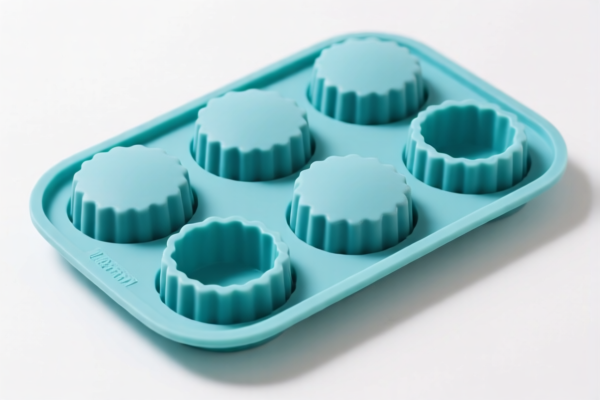
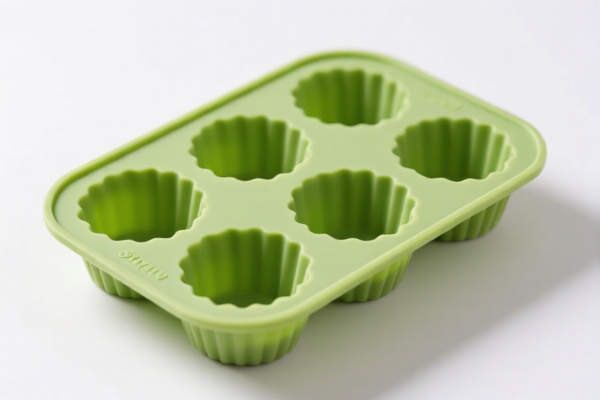
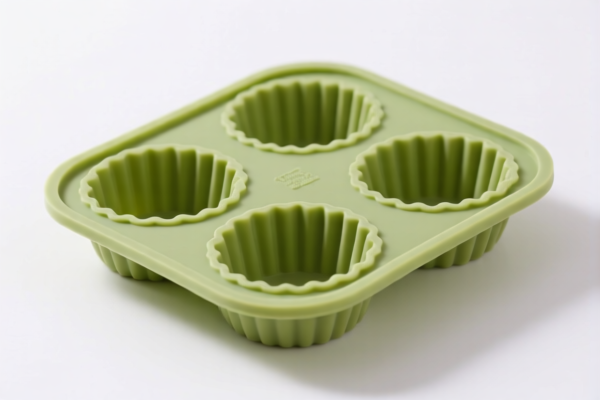

AI Analysis
🍰 Cake Silicone Molds (Silicone Baking Molds)
🌐 HS Code Reference & Customs Clearance Guide | 2026 Latest Tariff Analysis | Professional Entry Strategy
📌 I. Product Definition & Classification: Do You Really Understand "Silicone Molds"?
Silicone cake molds are essential tools in professional baking and home kitchens, used for shaping cakes, breads, and pastries. In international trade, they are primarily classified into two material categories:
Silicone Rubber Products (4016): Classified under vulcanized rubber articles, specifically for molds made of high-grade silicone rubber. Plastic Articles (3926): Classified under other plastic articles, sometimes applied if the material is perceived as a plastic compound rather than rubber in specific regulatory contexts.
⚠️ Key Distinction:
- If the mold is strictly defined as vulcanized silicone rubber (elastic, heat-resistant), it leans towards Chapter 40.
- If the customs authority deems the material composition as plastic-based or if specific subheadings for rubber are restricted, it may fall under Chapter 39.
- Note: The classification significantly impacts the total tax burden due to differing base tariffs and Section 301 (Trade Act) penalties.
📦 II. HS Code Classification Details (2026 Latest Tariff Authority Comparison)
| HS Code | Product Description | Application Scenario | Material Basis |
|---|---|---|---|
4016.99.60.50 |
Other vulcanized rubber goods, molds | Professional silicone baking molds | ✅ Vulcanized Rubber |
3926.90.99.05 |
Other articles of plastics | Silicone molds classified as plastics | ✅ Plastic/Composite |
3926.90.99.10 |
Other articles of plastics | Silicone molds classified as plastics | ✅ Plastic/Composite |
3926.90.99.89 |
Other articles of plastics | Silicone molds classified as plastics | ✅ Plastic/Composite |
4016.99.05.00 |
Other vulcanized rubber goods, molds | Alternative rubber mold classification | ✅ Vulcanized Rubber |
🔍 Key Reminder:
- Chapter 40 (Rubber) items generally face higher Section 301 tariffs (25%) in the provided data context.
- Chapter 39 (Plastics) items generally face lower Section 301 tariffs (7.5%) in the provided data context.
- Misclassification can lead to significant tax discrepancies (e.g., 37.5% vs. 22.8%).
💰 III. 2026 Latest Tariff Rate Details (Including Additional Taxes & Policy Surcharges)
✅ Applicable Country: United States (US)
✅ Origin: China (CN)
✅ Effective Time: Current trade policy framework (Includes Section 301 and IEEPA surcharges)
🎯 1. 4016.99.60.50 —— Vulcanized Rubber Molds (Chapter 40)
| Item | Detail |
|---|---|
| Base Tariff | 2.5% (Ad Valorem) |
| Section 301 Surcharge | +25.0% (Trade Act Section 301) |
| IEEPA Surcharge | +10.0% (Targeting Chinese Products) |
| Total Tax Rate | 37.5% |
| Tax Calculation | CIF Value × 37.5% |
| De Minimis Eligibility | ❌ No (High tariffs usually exclude small packages from de minimis benefits in strict enforcement scenarios) |
| Legal Basis Path | IEEPA:9903.01.25 → USITC:4016.99.60.50 → FOOTNOTE:301_25% |
📌 Explanation:
- The 25% is the standard Section 301 penalty on Chinese rubber goods.
- The 10% is an additional IEEPA levy.
- Total 37.5% is a high tariff, requiring strict cost management.
🎯 2. 3926.90.99.05 / .10 / .89 —— Plastic Articles (Chapter 39)
| Item | Detail |
|---|---|
| Base Tariff | 5.3% (Ad Valorem) |
| Section 301 Surcharge | +7.5% (Trade Act Section 301) |
| IEEPA Surcharge | +10.0% (Targeting Chinese Products) |
| Total Tax Rate | 22.8% |
| Tax Calculation | CIF Value × 22.8% |
| De Minimis Eligibility | ❌ No (Recommended to verify current de minimis thresholds as policies shift) |
| Legal Basis Path | IEEPA:9903.01.25 → USITC:3926.90.99.xx → FOOTNOTE:301_7.5% |
📌 Note:
- Although labeled "Plastics," this classification is used for silicone molds in certain contexts where the rubber classification is disputed or restricted.
- The 7.5% Section 301 rate is significantly lower than the 25% for rubber.
- Total 22.8% is moderate, offering better margin protection than Chapter 40.
🎯 3. 4016.99.05.00 —— Other Vulcanized Rubber Goods (Alternative Chapter 40)
| Item | Detail |
|---|---|
| Base Tariff | 3.4% (Ad Valorem) |
| Section 301 Surcharge | +7.5% (Trade Act Section 301) |
| IEEPA Surcharge | +10.0% (Targeting Chinese Products) |
| Total Tax Rate | 20.9% |
| Tax Calculation | CIF Value × 20.9% |
| De Minimis Eligibility | ❌ No |
| Legal Basis Path | IEEPA:9903.01.25 → USITC:4016.99.05.00 → FOOTNOTE:301_7.5% |
📌 Critical Insight:
- This specific subheading (4016.99.05.00) carries a lower Section 301 rate (7.5%) compared to4016.99.60.50(25%).
- Total 20.9% is the lowest effective rate among all Chapter 40 options provided.
- Verification Required: Ensure your product's technical specifications (hardness, material composition) strictly meet the criteria for this specific subheading to avoid misclassification penalties.
🛠️ IV. Customs Clearance Practical Advice (Pitfall Avoidance Guide)
✅ 1. Required Documentation Checklist
| Document | Mandatory | Description |
|---|---|---|
| ✅ Product Specification Sheet | ✔️ | Must detail material composition (100% Silicone Rubber vs. Plastic Compound), cure temperature, and FDA/LFGB compliance. |
| ✅ Material Safety Data Sheet (MSDS) | ✔️ | Proves chemical composition to support HS Code choice (Rubber vs. Plastic). |
| ✅ Product Photos (Labeled) | ✔️ | Clear images showing flexibility, brand, and model number. |
| ✅ Commercial Invoice | ✔️ | Clearly state "Silicone Cake Mold" and declare accurate value. |
| ✅ Certificate of Origin (CO) | ✔️ | Critical for proving Chinese origin to apply/add correct surcharges. |
| ✅ Packaging List | ✔️ | Itemize contents to prevent split-shipping issues. |
✅ 2. Declaration Strategy (Key Mantra)
🔥 "Material Dictates Code, Code Dictates Tax, Declare Honestly, Avoid Seizure!"
| Scenario | Correct Declaration | Wrong Practice |
|---|---|---|
| High-Quality Food-Grade Silicone | 4016.99.05.00 (If compliant) or 4016.99.60.50 |
Misdeclare as "Plastic" to lower tax → Audit Risk |
| Plastic-Silicone Blend | 3926.90.99.xx |
Declare as 100% Rubber → Misclassification Penalty |
| Mixed Container (Rubber + Plastic) | Separate line items with distinct HS Codes | Combine into one generic "Household Goods" → 100% Tax Rate + Fine |
| Small Samples (Under $800) | Verify de minimis eligibility for 3926 codes | Assume all silicone goods are exempt → Customs Hold |
✅ 3. Special Situations Handling
| Situation | Handling Advice |
|---|---|
| FDA Compliance | Ensure molds are FDA-approved for food contact. Provide test reports. |
| Color Variations | Declare as "Assorted Colors" if packed together, but ensure material type is uniform. |
| Custom Shapes | No special HS code; stick to generic "Mold" classifications. Provide design files if requested. |
| OEM/ODM Products | Provide authorization letters if using branded silicone materials to prove legitimate trade. |
🌍 V. Global Market Clearance Comparison (2026 Latest)
| Country/Region | Recommended HS Code | Tariff (China Origin) | Certification | Notes |
|---|---|---|---|---|
| 🇺🇸 USA | 4016.99.05.00 |
20.9% (Lowest Rubber) | FDA + RoHS | Avoid 4016.99.60.50 due to 37.5% tax. |
| 🇨🇳 China | 4016.99.60.50 |
5-10% | CCC (if applicable) | Lower tariffs, domestic consumption friendly. |
| 🇪🇺 EU | 4016.99.05 |
4-6% | REACH + LFGB | No Section 301; focus on chemical safety. |
| 🇦🇺 Australia | 4016.99.05 |
5% | Australian Standards | Liberal trade policies, low tariffs. |
| 🇯🇵 Japan | 4016.99.05 |
3-5% | JIS Standards | High quality expectations, strict labeling. |
📌 Conclusion:
- USA is the most complex market due to Section 301 and IEEPA surcharges.
- Optimization Strategy: If technically permissible, classify under4016.99.05.00(20.9%) or3926.90.99.xx(22.8%) to minimize the 37.5% burden of4016.99.60.50.
📌 VI. Common Errors & Pitfalls (Lessons from Experience)
❌ Mistake 1: Declaring all silicone molds as 3926 to save tax.
👉 Consequence: If customs verifies material as rubber, they will reclassify and charge the difference + interest.
❌ Mistake 2: Ignoring the difference between 4016.99.60.50 (37.5%) and 4016.99.05.00 (20.9%).
👉 Consequence: 16.6% unnecessary tax loss on every shipment.
❌ Mistake 3: Failing to provide FDA compliance documents.
👉 Consequence: US Customs and FDA may detain the shipment for "Food Contact Material" violations.
✅ Correct Approach:
"Silicone Cake Mold, 100% Food-Grade Platinum Silicone, FDA Compliant, Heat Resistant to 230°C, Model XYZ, Origin: China"
🎯 VII. Conclusion: Precise Classification for Maximum Profit
🎯 Remember the Mantra:
🔹 "Check the Subheading: .60.50 is 37.5%, .05.00 is 20.9%. Choose wisely!"
🔹 "Rubber vs. Plastic: Let the MSDS speak, don't guess at the gate!"
📌 Pro Tip:
If your silicone mold contains plastic inserts (e.g., rigid frames), declare the plastic parts separately under
3926if possible to leverage the lower 7.5% Section 301 rate.
Recommendation: Apply for a Binding Ruling with US Customs (CBP) if shipping large volumes to lock in the4016.99.05.00classification.
📣 Take Action Now:
📞 Consult a Licensed Customs Broker + Provide MSDS + Verify HS Code
4016.99.05.00Eligibility
🚀 Streamline Clearance, Reduce Tax Burden, Maximize Profit!
✨ Professional Clearance Starts with Accurate Classification!
💼 Your Bottom Line Deserves Precision!
Customer Reviews
About HS Code Classification
The Harmonized System (HS) is an internationally standardized nomenclature developed by the World Customs Organization (WCO) to classify traded products. Over 200 countries use the HS system as the basis for customs tariffs, trade statistics, and import/export regulations.
Each HS code follows a hierarchical structure:
- Chapter (2 digits) — Broad category of goods (e.g., Chapter 84: Machinery and Mechanical Appliances)
- Heading (4 digits) — More specific grouping within the chapter
- Subheading (6 digits) — Internationally standardized breakdown, used by all WCO member countries
- National subdivisions (8-10 digits) — Country-specific extensions for further classification, such as US HTSUS 10-digit codes
Correct HS code classification is essential for smooth customs clearance, accurate duty payment, and compliance with trade regulations. Misclassification can lead to customs delays, overpayment of duties, or penalties.
When importing from CN to US, the applicable tariff rates may include:
- Most-Favored-Nation (MFN) rate — The standard duty rate applied to WTO members
- General rate — Applied to countries without trade agreements
- Trade remedy duties — Additional tariffs such as Section 301 (anti-dumping), Section 232 (national security), or countervailing duties
The information provided on this page is for reference purposes only. For official classification, please consult with your local customs authority or a licensed customs broker.