camera housing
CN → US| HS Code | Tariff Rate | Origin | Destination | Doc |
|---|---|---|---|---|
| 8473309100 | 35.0% | CN | US | Official Doc |
| 8473509000 | 35.0% | CN | US | Official Doc |
| 3926905000 | 21.3% | CN | US | Official Doc |
| 3926909989 | 22.8% | CN | US | Official Doc |
| 9006910001 | 23.3% | CN | US | Official Doc |
| 9006990000 | 21.4% | CN | US | Official Doc |
Product Images
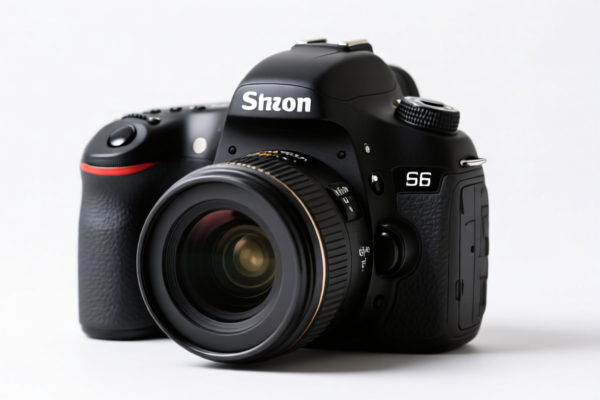
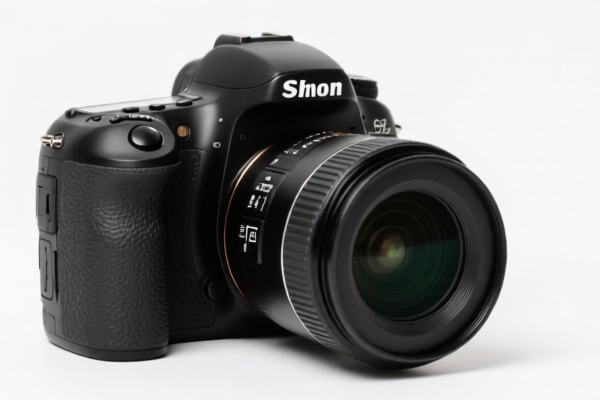
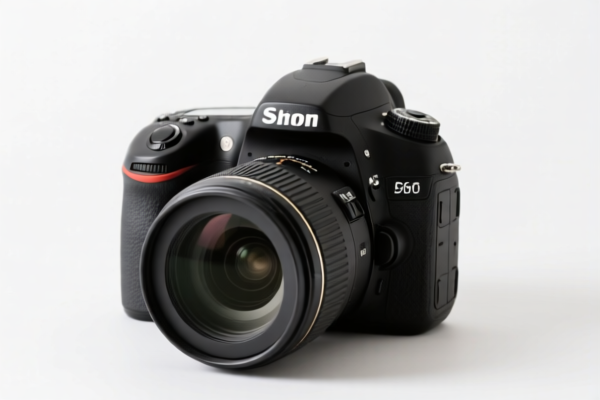
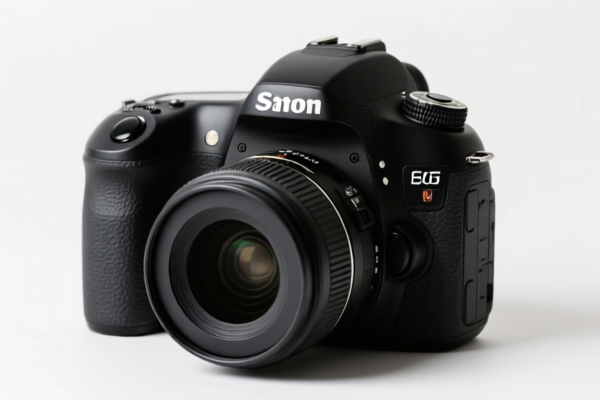
AI Analysis
📷 Camera Housing (Plastic) | HS Code Classification & Tariff Deep Dive (2026)
🌐 HS Code Reference & Customs Clearance Guide | 2026 Latest Tariff Analysis | Professional Clearance Strategy
📌 I. Product Definition & Classification: What Exactly is a "Camera Housing"?
A Plastic Camera Housing is the external protective shell or casing for digital cameras, action cameras, or industrial vision systems. In international trade, its classification depends heavily on material composition, functionality, and specific usage.
Key Classification Logic: 1. As a Machine Part (Chapter 84): If it is specifically designed as a part for automatic data processing machines or specific mechanical apparatus, it may fall under Chapter 84. 2. As a Plastic Article (Chapter 39): If it is primarily valued for its material (plastic) and acts as a general accessory or protective cover, it falls under Chapter 39. 3. As a Camera Part (Chapter 90): If it is an integral part of optical equipment (cameras), it is classified under Chapter 90.
⚠️ Critical Distinction:
- Is it a standalone plastic shell (generic)? → Likely Chapter 39.
- Is it a functional component of a specific machine (e.g., scanner/camera part)? → Likely Chapter 84 or 90.
- Clue: The summary data indicates it is a "Plastic Camera Shell." This ambiguity creates multiple valid HS Code options, each with drastically different tax implications.
📦 II. HS Code Classification Matrix (2026 Latest Tariff Data)
Based on the provided data, here are the 5 valid classifications for a Plastic Camera Housing, ranging from machine parts to general plastic goods.
| HS Code | Summary Description | Classification Logic | Total Tax Rate |
|---|---|---|---|
8473.30.91.00 |
Plastic Camera Shell, Part of Automatic Data Processing Machines | Classified as a part of ADPM (8471). Since a camera can be part of a data processing system, this code applies if deemed a machine part. | 35.0% |
8473.50.90.00 |
Plastic Camera Shell, Other Machine Parts | Classified as a general part for other machines (8473). Used when the housing is not specific to ADPM but is still a functional mechanical part. | 35.0% |
3926.90.50.00 |
Plastic Camera Shell, Other Plastic Articles (Catch-all) | Classified as a plastic article not elsewhere specified. This is the "catch-all" for plastic items that don't fit specific machinery parts. | 21.3% |
3926.90.99.89 |
Plastic Camera Shell, Other Plastic Articles (Parts/Accessories) | Another plastic article code, specifically for parts/accessories of plastic goods. Often used for generic plastic casings. | 22.8% |
9006.91.00.01 |
Plastic Camera Shell, Part of Photographic Cameras | Classified as a part of a camera (9006). This is often the most accurate classification for a camera-specific shell, as it directly relates to optical equipment. | 23.3% |
🔍 Analysis:
- Most Expensive:8473.30.91.00&8473.50.90.00(35.0%) – Classified as machine parts.
- Most Affordable:3926.90.50.00(21.3%) – Classified as a general plastic article.
- Most "Logical" for Industry:9006.91.00.01(23.3%) – Classified as a camera part.
- Strategy: Importers often prefer Chapter 39 (3926) or Chapter 90 (9006) over Chapter 84 due to lower total tax rates, provided the product description supports it.
💰 III. 2026 Tariff Rate Breakdown (Detailed)
✅ Applicable Country: United States (US)
✅ Origin: China (CN)
✅ Effective Date: Post-November 2025 (Current Tariff Regime)
🎯 1. Machine Parts: 8473.30.91.00 & 8473.50.90.00
| Item | Detail |
|---|---|
| Base Duty | 0.0% |
| Section 301 Duty | +25.0% (Trade War Tariff) |
| Section 122 Duty | +10.0% (Newer Trade Action Tariff) |
| Total Rate | 35.0% |
| De Minimis Exemption? | ❌ NO (Value subject to full taxation) |
| Legal Path | USITC:8473.30.91.00 → SECT301:25% → SECT122:10% |
📌 Explanation:
- These codes are considered parts of machines.
- They are subject to the highest surcharge due to the combination of Section 301 (25%) and Section 122 (10%).
- Risk: High. If customs argues the housing is a "machine part" for a printer/scanner (linked to 8471), this high tariff applies.
🎯 2. General Plastic Articles: 3926.90.50.00
| Item | Detail |
|---|---|
| Base Duty | 3.8% |
| Section 301 Duty | +7.5% |
| Section 122 Duty | +10.0% |
| Total Rate | 21.3% |
| De Minimis Exemption? | ❌ NO |
| Legal Path | USITC:3926.90.50.00 → SECT301:7.5% → SECT122:10% |
📌 Explanation:
- This is a more favorable classification if the product can be defined as a "plastic article" rather than a specific "machine part."
- The Section 301 rate is significantly lower (7.5% vs 25%).
🎯 3. General Plastic Parts: 3926.90.99.89
| Item | Detail |
|---|---|
| Base Duty | 5.3% |
| Section 301 Duty | +7.5% |
| Section 122 Duty | +10.0% |
| Total Rate | 22.8% |
| De Minimis Exemption? | ❌ NO |
| Legal Path | USITC:3926.90.99.89 → SECT301:7.5% → SECT122:10% |
📌 Explanation:
- Similar to3926.90.50.00, but categorized as "other parts." Slightly higher base duty, but still much lower than Chapter 84.
🎯 4. Camera Parts: 9006.91.00.01
| Item | Detail |
|---|---|
| Base Duty | 5.8% |
| Section 301 Duty | +7.5% |
| Section 122 Duty | +10.0% |
| Total Rate | 23.3% |
| De Minimis Exemption? | ❌ NO |
| Legal Path | USITC:9006.91.00.01 → SECT301:7.5% → SECT122:10% |
📌 Explanation:
- This is the most technically accurate classification for a camera housing.
- It avoids the high Section 301 rate (25%) applied to machine parts in Chapter 84.
- Recommendation: This is often the best balance of compliance accuracy and cost efficiency.
🛠️ IV. Customs Clearance Practical Advice (Avoiding Pitfalls)
✅ 1. Documentation Checklist (Mandatory)
| Document | Required | Notes |
|---|---|---|
| ✅ Product Specifications | ✔️ | Material (e.g., ABS, PC), Dimensions, Weight |
| ✅ Structural Diagram | ✔️ | Show that it is a housing/shell only, no electronics |
| ✅ Commercial Invoice | ✔️ | Must specify "Plastic Camera Housing, No Electronics" |
| ✅ Packing List | ✔️ | Confirm no batteries or accessories included |
| ✅ Photos | ✔️ | Clear images of the shell, emphasizing it is empty |
| ✅ Origin Certificate | ✔️ | For US-China trade context |
✅ 2. Declaration Strategy (Key Tips)
🔥 "Declare by Material & Function, Not Just by Use!"
| Scenario | Recommended HS Code | Reason |
|---|---|---|
| Generic Plastic Shell | 3926.90.50.00 |
Low tax (21.3%), easy to defend as "plastic article" |
| Specific Camera Shell | 9006.91.00.01 |
Accurate (23.3%), matches product end-use |
| Machine Part (e.g., Scanner) | 8473.30.91.00 |
Only use if it fits a printer/scanner, not just any camera |
Avoid: 8473.50.90.00 |
35.0% | High tax, hard to justify if not a core machine component |
⚠️ Critical Warning:
- Do NOT declare a plastic camera housing as a "part of a computer" (8471) unless it is explicitly designed for that purpose. Customs may reclassify it, leading to 35% tax + penalties.
- Use Chapter 39 or Chapter 90 to benefit from the lower 7.5% Section 301 rate.
✅ 3. Special Cases
| Case | Handling Advice |
|---|---|
| OEM Custom Shell | Provide design files to prove it is a specific part for a known camera model → Supports 9006.91.00.01 |
| Blank Generic Shell | Declare as "Plastic Article for General Use" → Supports 3926.90.50.00 |
| Shipped with Camera Body | Declare the entire camera under 9006.91.00.01 or whole product code. Do not split. |
| Shipped as Accessory | If it’s a protective case with padding, consider 9503.00.00 (toys/accessories) or 4202 (luggage), but for hard plastic shells, 3926 or 9006 is safer. |
🌍 V. Global Market Comparison (2026)
| Market | Recommended HS Code | Est. Total Duty | Notes |
|---|---|---|---|
| 🇺🇸 USA | 9006.91.00.01 or 3926.90.50.00 |
21.3% - 23.3% | Avoid 8473 (35%) |
| 🇨🇳 China | 9006.91.00.01 |
~5-10% | Lower base duty, no Section 301/122 |
| 🇪🇺 EU | 9006.91.00.01 |
~0-4% | No Section 301/122 equivalents |
| 🇯🇵 Japan | 9006.91.00.01 |
~0-8% | Generally favorable for camera parts |
📌 Conclusion:
- USA is the most challenging market due to Section 301 (7.5% or 25%) and Section 122 (10%).
- Strategy: Always aim for Chapter 39 or Chapter 90 to minimize Section 301 exposure.
- Avoid Chapter 84 unless absolutely necessary, as it triggers the 25% Section 301 rate.
📌 VI. Common Mistakes & Pitfalls (Blood Lessons)
❌ Mistake 1: Declaring as "Computer Part" (8471)
👉 Result: 35% Tax (25% + 10% + Base). Overpayment!
❌ Mistake 2: Declaring as "Plastic Toy Accessory" (9503)
👉 Result: Customs may reject if it’s clearly for professional cameras. Detention & Re-classification.
❌ Mistake 3: Ignoring "Section 122"
👉 Result: Forgetting the additional 10% tariff. Underestimating Cost.
❌ Mistake 4: Shipping with Electronics Inside
👉 Result: Entire shipment reclassified as "Electronic Device," higher taxes, and potential regulatory violations. Clear the shell!
✅ Correct Practice:
"Plastic Camera Housing, Model XYZ, Made of ABS, No Electronics, For Use With Camera Series A, Origin China."
🎯 VII. Conclusion: Professional Declaration, Cost Savings
🎯 Remember:
🔹 "Plastic Shell ≠ Machine Part"
🔹 "Camera Part = Lower Section 301 (7.5%)"
🔹 "General Plastic = Lowest Tax (21.3%)"
🔹 "Chapter 84 = High Risk (35%)"
📌 Pro Tip:
- Apply for an Advance Ruling from US Customs (CBP) if your shipment volume is high.
- Provide photos and specs to prove the item is a passive plastic component.
- Consider supplier differentiation: If possible, source from non-Chinese origins to avoid Section 301/122 entirely.
📣 Immediate Action:
📞 Consult a licensed customs broker.
📄 Prepare product drawings showing it’s an empty shell.
🚀 Secure your margin by choosing the right HS Code!
✨ Precise Classification = Profit Protection
💼 Every percentage point matters in trade.
Customer Reviews
About HS Code Classification
The Harmonized System (HS) is an internationally standardized nomenclature developed by the World Customs Organization (WCO) to classify traded products. Over 200 countries use the HS system as the basis for customs tariffs, trade statistics, and import/export regulations.
Each HS code follows a hierarchical structure:
- Chapter (2 digits) — Broad category of goods (e.g., Chapter 84: Machinery and Mechanical Appliances)
- Heading (4 digits) — More specific grouping within the chapter
- Subheading (6 digits) — Internationally standardized breakdown, used by all WCO member countries
- National subdivisions (8-10 digits) — Country-specific extensions for further classification, such as US HTSUS 10-digit codes
Correct HS code classification is essential for smooth customs clearance, accurate duty payment, and compliance with trade regulations. Misclassification can lead to customs delays, overpayment of duties, or penalties.
When importing from CN to US, the applicable tariff rates may include:
- Most-Favored-Nation (MFN) rate — The standard duty rate applied to WTO members
- General rate — Applied to countries without trade agreements
- Trade remedy duties — Additional tariffs such as Section 301 (anti-dumping), Section 232 (national security), or countervailing duties
The information provided on this page is for reference purposes only. For official classification, please consult with your local customs authority or a licensed customs broker.