cami top
CN → US| HS Code | Tariff Rate | Origin | Destination | Doc |
|---|---|---|---|---|
| 6114200010 | 28.3% | CN | US | Official Doc |
| 6108920030 | 33.5% | CN | US | Official Doc |
| 6108920015 | 33.5% | CN | US | Official Doc |
| 6114301020 | 45.7% | CN | US | Official Doc |
| 6208199000 | 26.2% | CN | US | Official Doc |
Product Images
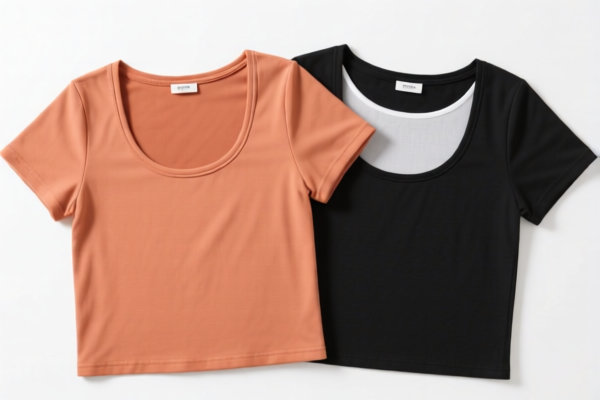
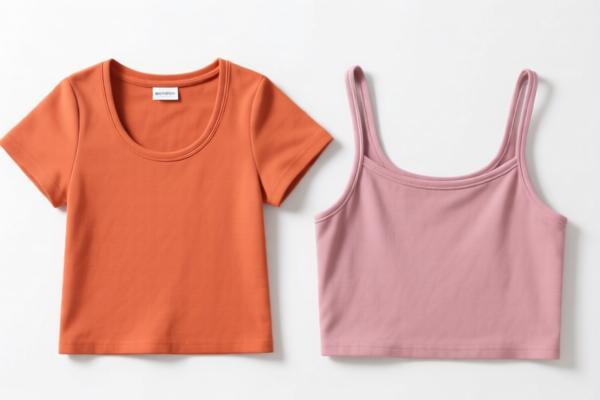
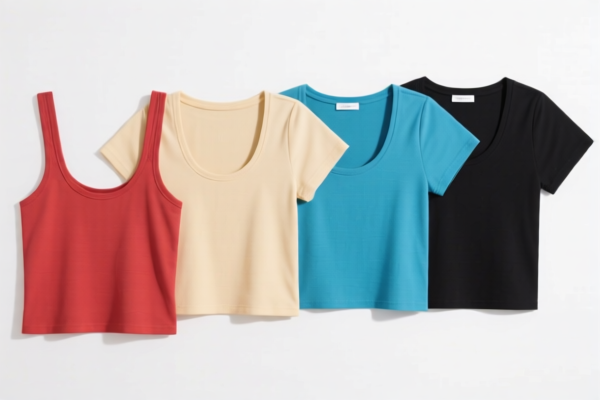
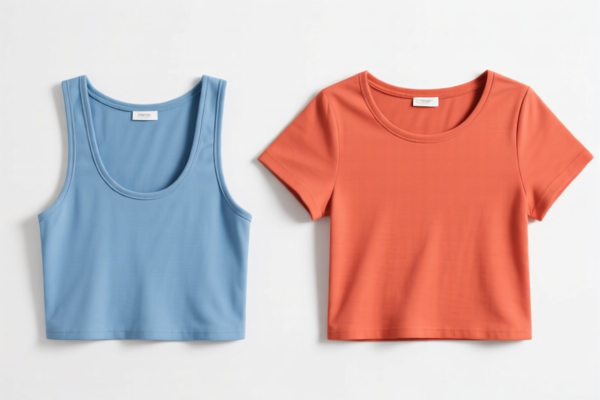
AI Analysis
👙 Cami Top (Women's Camisole/Tank Top)
🌐 HS Code Reference & Customs Clearance Guide | 2026 Latest Tariff Analysis | Professional Entry Strategy
📌 I. Product Definition & Classification: Do You Really Know the "Cami Top"?
A Cami Top (Cami) is a lightweight, sleeveless upper garment, typically featuring thin straps and a low neckline. In international trade, it is classified based on knitting vs. weaving and fiber content. The classification drastically affects the duty rate, especially under current US-China trade restrictions (Section 301 & Section 122).
⚠️ Key Distinction Point:
- If made of knitted fabric (stretchy, looped yarn) → Falls under Chapter 61.
- If made of woven fabric (non-stretchy, cross-hatched yarn) → Falls under Chapter 62.
- Material matters: Cotton vs. Synthetic vs. Other Textiles determine the Base Duty Rate.
📦 II. HS Code Classification Details (2026 Latest Tariff Authority Comparison)
Based on the provided data, here are the five specific HS Codes associated with Cami Tops, their summaries, and tax implications.
| HS Code | Product Summary | Material/Fabric Type | Total Tax Rate |
|---|---|---|---|
6114.20.00.10 |
Women's Cami Top, Knitted | Cotton (Implied) | 28.3% |
6108.92.00.30 |
Women's Cami Top, Knitted | Artificial Fibers or Cotton | 33.5% |
6108.92.00.15 |
Women's Cami Top, Knitted | Other Textile Fibers | 33.5% |
6114.30.10.20 |
Women's Cami Top, Knitted/Artificial | Artificial Fiber or Other | 45.7% |
6208.19.90.00 |
Women's Cami Top, Woven | Other Textile Materials | 26.2% |
🔍 Key Insight:
- Knitted (Ch. 61) items generally have higher base duties (8.7%–28.2%) than the specific Woven (Ch. 62) item listed here.
- Section 122 Tariffs apply uniformly (+10%) to all these categories for Chinese origin.
- Section 301 (7.5%) applies uniformly to all these categories for Chinese origin.
- Base Duty varies significantly: From 8.7% (Woven) to 28.2% (Knitted/Artificial).
💰 III. 2026 Latest Tariff Rate Breakdown (Including Surcharges & Policy Add-ons)
✅ Applicable Country: United States (US)
✅ Origin: China (CN)
✅ Effective Time: Current (Includes Section 301 & Section 122 measures)
🎯 1. 6114.20.00.10 —— Knitted, Cotton Base
Most Common for Basic Cotton Camisoles
| Item | Detail |
|---|---|
| Base Duty Rate | 10.8% |
| Section 301 Surcharge | +7.5% |
| Section 122 Surcharge | +10.0% |
| Total Tax Rate | 28.3% |
| Calculation | CIF Value × 28.3% |
| Legal Basis | HTSUS 6114.20.00.10 + Footnotes for Sec 301/122 |
📌 Explanation:
- This code targets Knitted garments made primarily of Cotton.
- Base duty is moderate at 10.8%.
- Total effective tax is 28.3%, which is relatively lower compared to synthetic/artificial fiber knitted tops.
🎯 2. 6108.92.00.30 —— Knitted, Artificial Fiber/Cotton Mix
Common for Polyester or Blends
| Item | Detail |
|---|---|
| Base Duty Rate | 16.0% |
| Section 301 Surcharge | +7.5% |
| Section 122 Surcharge | +10.0% |
| Total Tax Rate | 33.5% |
| Calculation | CIF Value × 33.5% |
| Legal Basis | HTSUS 6108.92.00.30 + Footnotes for Sec 301/122 |
📌 Explanation:
- This code covers Knitted items made of Artificial Fibers (e.g., Polyester, Rayon) or specific cotton blends.
- Base duty jumps to 16.0%.
- Total tax rises to 33.5%.
🎯 3. 6108.92.00.15 —— Knitted, Other Textile Fibers
Less Common Materials (e.g., Wool, Silk, or Other Synthetics)
| Item | Detail |
|---|---|
| Base Duty Rate | 16.0% |
| Section 301 Surcharge | +7.5% |
| Section 122 Surcharge | +10.0% |
| Total Tax Rate | 33.5% |
| Calculation | CIF Value × 33.5% |
| Legal Basis | HTSUS 6108.92.00.15 + Footnotes for Sec 301/122 |
📌 Explanation:
- Similar to the above, but for Other Textile Fibers.
- Tax rate is identical: 33.5%.
- Crucial to specify "Other Fibers" correctly to avoid misclassification penalties.
🎯 4. 6114.30.10.20 —— Knitted, High Base Duty Category
Highest Tax Bracket for Knitted Items
| Item | Detail |
|---|---|
| Base Duty Rate | 28.2% |
| Section 301 Surcharge | +7.5% |
| Section 122 Surcharge | +10.0% |
| Total Tax Rate | 45.7% |
| Calculation | CIF Value × 45.7% |
| Legal Basis | HTSUS 6114.30.10.20 + Footnotes for Sec 301/122 |
📌 Explanation:
- This is the most expensive classification in the dataset.
- High base duty of 28.2% suggests a specific sub-category of knitted articles (possibly luxury fibers or specific garment types not fully detailed but implied as "Knitted/Artificial").
- Total Tax: 45.7% – Significant cost impact.
🎯 5. 6208.19.90.00 —— Woven, Other Textile Materials
Lowest Total Tax Rate in Dataset
| Item | Detail |
|---|---|
| Base Duty Rate | 8.7% |
| Section 301 Surcharge | +7.5% |
| Section 122 Surcharge | +10.0% |
| Total Tax Rate | 26.2% |
| Calculation | CIF Value × 26.2% |
| Legal Basis | HTSUS 6208.19.90.00 + Footnotes for Sec 301/122 |
📌 Explanation:
- Woven fabrics (non-stretchy) are classified here.
- Despite having the same surcharges (7.5% + 10%), the base duty is lowest (8.7%).
- Total Tax: 26.2% – This is the most cost-effective classification if the garment is truly woven.
🛠️ IV. Customs Clearance Practical Advice (Avoid Pitfalls)
✅ 1. Preparation Checklist (Must-Have Documents)
| Document | Required? | Description |
|---|---|---|
| ✅ Product Specification Sheet | ✔️ | Must state: Knitted OR Woven, Fiber Content (Cotton/%, Polyester/%), Neckline style, Strap type. |
| ✅ Fabric Swatch / Photo | ✔️ | Clear photo showing weave pattern (Knitted vs. Woven) is critical for HS Code determination. |
| ✅ Commercial Invoice | ✔️ | Must match HS Code exactly. Use description: "Women's Knitted Woven Cami Top, 100% Cotton/Poly". |
| ✅ Packing List | ✔️ | Include piece count per carton, net/gross weight. |
| ✅ Fiber Content Lab Test | ✔️ | Recommended to verify cotton vs. synthetic percentage to avoid misclassification fines. |
✅ 2. Declaration Tips (Key Strategy)
🔥 "Knit or Woven? Fiber Content is King! Get it wrong, tax doubles!"
| Scenario | Correct HS Code | Incorrect HS Code | Consequence |
|---|---|---|---|
| 100% Cotton, Knitted | 6114.20.00.10 (28.3%) |
6108.92.00.30 (33.5%) |
Overpaid tax (+5.2%) |
| Polyester, Knitted | 6108.92.00.30 or .15 (33.5%) |
6208.19.90.00 (26.2%) |
UNDERPAYMENT PENALTY! (If misdeclared as woven) |
| Woven Fabric | 6208.19.90.00 (26.2%) |
6114.20.00.10 (28.3%) |
Slight overpayment, but risk of delay if fabric test shows woven |
| Luxury/Large Base Duty | 6114.30.10.20 (45.7%) |
Any lower code | High Risk Audit → 45.7% applied + penalties |
📌 Critical Note:
- Section 122 (10%) and Section 301 (7.5%) are non-negotiable for Chinese-origin goods.
- Focus on reducing the Base Duty by correctly identifying Knitted/Woven and Fiber Type.
✅ 3. Special Circumstances
| Situation | Handling Advice |
|---|---|
| Blended Fibers | If >50% Cotton → Use Cotton code (6114.20.00.10). If >50% Synthetic → Use Synthetic code (6108.92...). |
| Lace/Net Overlay | If the main character is lace/net, it may still fall under 6114 or 6108, but ensure description is precise. |
| OEM/White Label | Declare as "Generic Women's Cami Top" to avoid brand-specific restrictions, but fiber content must still be accurate. |
| Small Package (De Minimis) | ❌ Not Applicable. Section 122 and 301 tariffs usually block de minimis exemptions for China. Expect full tax. |
🌍 V. Global Market Comparison (2026 Snapshot)
| Market | Recommended HS Code | Est. Total Tax | Notes |
|---|---|---|---|
| 🇺🇸 USA | 6114.20.00.10 |
28.3% | Highest due to Sec 301 + Sec 122 |
| 🇨🇳 China | 6114.20.00.10 |
~9-10% | Lower base duty, no US surcharges |
| 🇪🇺 EU | 6109.10.00 (Similar) |
~8-12% | No Sec 301/122. Look for MFN rates. |
| 🇬🇧 UK | 6109.10.00 |
~8-12% | Post-Brexit rules apply, no US surcharges. |
📌 Conclusion:
- The US market is uniquely expensive for textile imports from China due to the 27.5% combined surcharges (7.5% + 10%).
- Strategy: Optimize Base Duty. Woven items (6208.19.90.00) are cheaper (26.2%) than Knitted Cotton (6114.20.00.10at 28.3%) if the design allows.
📌 VI. Common Mistakes & Pitfalls (Lessons Learned)
❌ Mistake 1: Declaring all Camis as "T-Shirts"
👉 Consequence: Wrong HS Code (6109 vs 6114) → Audit risk.
✅ Fix: Use "Cami Top" or "Tank Top" in description, specify "Knitted".
❌ Mistake 2: Ignoring Fiber Content
👉 Consequence: Cotton (10.8% base) vs. Synthetic (16.0% base) → 5.2% tax difference.
✅ Fix: Always include "100% Cotton" or "100% Polyester" on Invoice.
❌ Mistake 3: Assuming Knitted = Weaveable
👉 Consequence: 6114 (Knitted) vs 6208 (Woven). If you claim Woven but it's Knitted, Customs will reclassify and charge higher base duty.
✅ Fix: Provide fabric photo showing looped structure (Knit) vs. cross-hatch (Woven).
🎯 VII. Conclusion: Smart Classification, Lower Costs!
🎯 Remember the Rules:
🔹 "Knit or Woven? First Decision!"
🔹 "Cotton is King (28.3%), Synthetics Cost More (33.5%), Woven is Cheapest (26.2%)!"
🔹 "Sec 122 + Sec 301 = 27.5% Extra Tax on Everything from China!"
📌 Pro Tip:
If your Cami Top is 100% Cotton and Knitted, use 6114.20.00.10 (28.3%).
If it is Woven, use 6208.19.90.00 (26.2%) – Save 2.1%.
If it is Synthetic Knitted, you pay 33.5% or 45.7%. Avoid synthetics if possible to minimize tax.
📣 Immediate Action:
📞 Verify Fabric Type: Knitted vs. Woven.
📄 Check Fiber Content: Cotton % vs. Synthetic %.
🚀 Select Correct HS Code from the 5 options above.
💡 Your profit margin depends on this 5-digit code!
✨ Professional Clearance, Starts with Precision!
💼 Every Percent Saved is Profit Gained!
Customer Reviews
About HS Code Classification
The Harmonized System (HS) is an internationally standardized nomenclature developed by the World Customs Organization (WCO) to classify traded products. Over 200 countries use the HS system as the basis for customs tariffs, trade statistics, and import/export regulations.
Each HS code follows a hierarchical structure:
- Chapter (2 digits) — Broad category of goods (e.g., Chapter 84: Machinery and Mechanical Appliances)
- Heading (4 digits) — More specific grouping within the chapter
- Subheading (6 digits) — Internationally standardized breakdown, used by all WCO member countries
- National subdivisions (8-10 digits) — Country-specific extensions for further classification, such as US HTSUS 10-digit codes
Correct HS code classification is essential for smooth customs clearance, accurate duty payment, and compliance with trade regulations. Misclassification can lead to customs delays, overpayment of duties, or penalties.
When importing from CN to US, the applicable tariff rates may include:
- Most-Favored-Nation (MFN) rate — The standard duty rate applied to WTO members
- General rate — Applied to countries without trade agreements
- Trade remedy duties — Additional tariffs such as Section 301 (anti-dumping), Section 232 (national security), or countervailing duties
The information provided on this page is for reference purposes only. For official classification, please consult with your local customs authority or a licensed customs broker.