candle
CN → US| HS Code | Tariff Rate | Origin | Destination | Doc |
|---|---|---|---|---|
| 9405504000 | 16.0% | CN | US | Official Doc |
| 3406000000 | 17.5% | CN | US | Official Doc |
| 7013993500 | 24.1% | CN | US | Official Doc |
| 7013911000 | 30.0% | CN | US | Official Doc |
| 9405502000 | 37.9% | CN | US | Official Doc |
Product Images
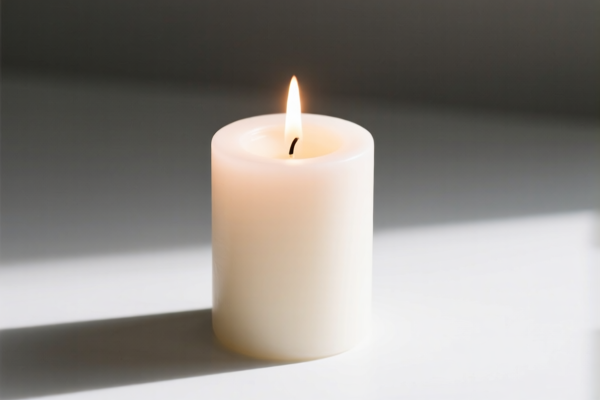

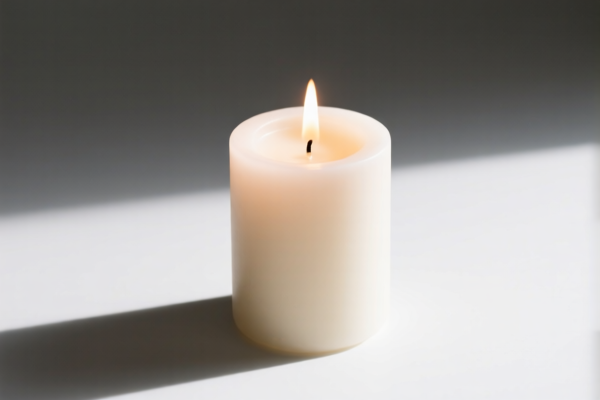
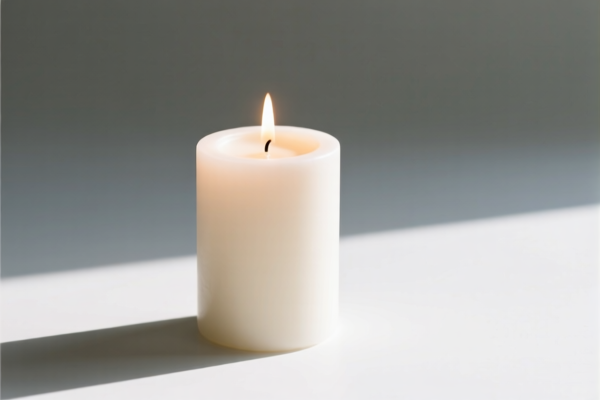
AI Analysis
🕯️ Candle (Candles & Similar Articles)
🌐 HS Code Reference & Clearance Guide | 2026 Latest Tariff Analysis | Professional Customs Strategy
📌 I. Product Definition & Classification: Do You Really Understand "Candle"?
The term "Candle" in international trade often extends to "Candle Lamps" (Candle Lights) or decorative wax-based lighting. The classification depends heavily on material composition (wax vs. glass) and function (pure lighting vs. decorative).
Key Distinction Points: - Pure Wax Candles: No electrical components, purely combustible → Grouped under Chapter 34. - Candle Lamps (Non-Electric): Designed to mimic electric lights but powered by wax/flame → Grouped under Chapter 94 (Lamps). - Glass-Based Decorative Candles: If the primary value or structure is glass (e.g., glass votive holders with wax), it may fall under Chapter 70 (Glassware).
⚠️ Critical Classification Logic: - If the item is primarily a light source (even non-electric) and fits the definition of a lamp → HS 9405. - If the item is primarily wax (consumable fuel) → HS 3406. - If the item is primarily glassware (decorative vessel) containing wax → HS 7013.
📦 II. HS Code Classification Details (2026 Tariff Authority Match)
Based on the provided data, here are the four possible classifications for "Candle/Candle Lamp," ranging from the most likely for functional lighting to decorative glassware.
| HS Code | Product Description | Summary / Rationale | Primary Material/Feature |
|---|---|---|---|
9405.50.40.00 |
Non-Electric Lamp / Candle Lamp | Summarized as: "Candle lamps belong to non-electric light sources, fitting the definition of non-electric lamps. Material is wax." | Wax / Non-Electric Light |
3406.00.00.00 |
Candles, Cones & Similar | Summarized as: "The name 'Candle' matches the classification explanation for candles/cones. Consistent in use and category." | Pure Wax / Consumable |
7013.99.35.00 |
Other Glassware (Ceremonial) | Summarized as: "Name 'Candle Lamp' aligns with ceremonial candle use. Material is typically glass." | Glass / Ceremonial |
7013.91.10.00 |
Glass Tableware/Decor | Summarized as: "Infers material is glass, use is indoor decoration. Fits glassware classification logic." | Glass / Decorative |
9405.50.20.00 |
Other Non-Electric Lamps | Summarized as: "Fits definition of non-electric lamps. Category: Lamps." | Wax / Lamp |
🔍 Key Reminder: -
9405Codes are for Lighting Fixtures. If your product is sold as a "Candle Lamp" (decorative light), this is often the correct functional classification, despite the wax material. -3406is strictly for consumable candles (firelighters, birthday candles). -7013applies only if the glass structure is the dominant feature (e.g., an ornate glass holder sold as a unit).
💰 III. 2026 Latest Tariff Rate Breakdown (Including Surtaxes & Policy Surcharges)
✅ Applicable Country: United States (US)
✅ Origin: China (CN)
✅ Effective Time: Current Trade Rules (Section 301 + IEEPA)
🎯 1. 9405.50.40.00 — Non-Electric Lamp (Wax Material)
Best for: "Candle Lamps" designed as lighting fixtures.
| Item | Detail |
|---|---|
| Base Tariff | 6.0% |
| Surtax (Section 301) | 0.0% |
| IEEPA Surtax (122 Clause) | 10% |
| Total Tariff Rate | 16.0% |
| Calculation Basis | CIF Value × 16.0% |
| De Minimis Exemption | ❌ Not Applicable (Subject to full duty) |
| Legal Path | Base Tariff 6% + IEEPA 10% |
📌 Analysis: - This is the most cost-effective classification for "Candle Lamps" among the lighting options. - Low base tariff (6%) and no Section 301 surcharge make it highly competitive. - Only the 10% IEEPA surcharge applies.
🎯 2. 3406.00.00.00 — Candles (Pure Wax)
Best for: Traditional birthday candles, festival candles, fuel sticks.
| Item | Detail |
|---|---|
| Base Tariff | 0.0% |
| Surtax (Section 301) | 7.5% |
| IEEPA Surtax (122 Clause) | 10% |
| Total Tariff Rate | 17.5% |
| Calculation Basis | CIF Value × 17.5% |
| De Minimis Exemption | ❌ Not Applicable |
| Legal Path | Base Tariff 0% + Surtax 7.5% + IEEPA 10% |
📌 Analysis: - While the base tariff is 0%, the Section 301 surcharge (7.5%) pushes the total to 17.5%. - This is slightly more expensive than
9405.50.40.00. - Use this only if the product is clearly not a "lamp" but a pure consumable candle.
🎯 3. 7013.99.35.00 — Glassware (Ceremonial)
Best for: Glass candle holders sold as decorative items.
| Item | Detail |
|---|---|
| Base Tariff | 6.6% |
| Surtax (Section 301) | 7.5% |
| IEEPA Surtax (122 Clause) | 10% |
| Total Tariff Rate | 24.1% |
| Calculation Basis | CIF Value × 24.1% |
| De Minimis Exemption | ❌ Not Applicable |
| Legal Path | Base 6.6% + Surtax 7.5% + IEEPA 10% |
📌 Analysis: - Higher total rate (24.1%) due to the combination of base and surtax. - Only relevant if customs determines the glass container is the primary commodity.
🎯 4. 7013.91.10.00 — Glass Tableware (Decorative)
Best for: High-end decorative glass candle holders.
| Item | Detail |
|---|---|
| Base Tariff | 20.0% |
| Surtax (Section 301) | 0.0% |
| IEEPA Surtax (122 Clause) | 10% |
| Total Tariff Rate | 30.0% |
| Calculation Basis | CIF Value × 30.0% |
| De Minimis Exemption | ❌ Not Applicable |
| Legal Path | Base 20% + IEEPA 10% |
📌 Analysis: - Highest base tariff (20%), though no Section 301. - Total 30.0% is the most expensive option. Avoid unless specifically classified as decorative glassware.
🎯 5. 9405.50.20.00 — Other Non-Electric Lamps
Best for: Alternative non-electric lighting fixtures.
| Item | Detail |
|---|---|
| Base Tariff | 2.9% |
| Surtax (Section 301) | 25.0% |
| IEEPA Surtax (122 Clause) | 10% |
| Total Tariff Rate | 37.9% |
| Calculation Basis | CIF Value × 37.9% |
| De Minimis Exemption | ❌ Not Applicable |
| Legal Path | Base 2.9% + Surtax 25% + IEEPA 10% |
📌 Analysis: - HARDEST Hit by Section 301 (25%). - Despite a low base tariff, the 25% surtax makes this the most expensive lighting classification. - AVOID this code for "Candle Lamps" if
9405.50.40.00is applicable.
🛠️ IV. Customs Clearance Practical Advice (Pitfall Avoidance Guide)
✅ 1. Essential Documentation Checklist
| Document | Required? | Purpose |
|---|---|---|
| Product Specification Sheet | ✔️ | Clarifies if it is a "Lamp" or "Consumable Candle". |
| Material Breakdown | ✔️ | Proves if it is Wax (3406/9405) or Glass (7013). |
| Product Photos | ✔️ | Show structure: Is there a wick? Is it a glass holder? |
| Commercial Invoice | ✔️ | Must clearly state "Non-Electric Candle Lamp" or "Candle". |
| HS Code Justification Letter | ✔️ | Explain why 9405 is chosen over 3406 (e.g., "Designed as decorative lighting fixture"). |
✅ 2. Declaration Strategy (Key Formulas)
🔥 “Function Over Material, Name Matters!”
| Scenario | Correct HS Code | Risk of Wrong Code |
|---|---|---|
| Candle Lamp (Decorative Light) | 9405.50.40.00 |
Misclassifying as 3406 may lead to rejection if it’s a fixture. Misclassifying as 9405.50.20 leads to 37.9% duty. |
| Pure Wax Candle | 3406.00.00.00 |
Declaring as 9405 might be rejected if it’s clearly a consumable. |
| Glass Candle Holder | 7013.99.35.00 |
Declaring as 9405 could result in customs imposing glass tariffs (24.1% vs 16.0%). |
⚠️ Critical Tip: - Do NOT use
9405.50.20.00for standard candle lamps. The 25% Section 301 surtax makes it significantly more expensive than9405.50.40.00. - If your product is glass, ensure it’s not just a "holder" but sold as a lighting unit to potentially qualify for9405if legally defensible, or stick to7013to avoid "misdeclaration" risks.
✅ 3. Special Handling Tips
| Situation | Recommendation |
|---|---|
| Mixed Package (Holder + Candle) | Declare as one unit. If the holder is glass, customs may still lean toward 7013 or 9405 depending on primary purpose. Be consistent. |
| OEM Custom Design | Provide design drawings to prove intent (e.g., "Decorative Lamp" vs. "Consumable Candle"). |
| High-Value Glass Items | If the glass value exceeds the wax, 7013 may be enforced. Calculate duty impact carefully. |
🌍 V. Global Market Clearance Comparison (2026)
| Country/Region | Recommended HS Code | Approx. Tariff (China Origin) | Notes |
|---|---|---|---|
| 🇺🇸 USA | 9405.50.40.00 |
16.0% | Best balance for Candle Lamps. Avoid 9405.50.20 (37.9%). |
| 🇺🇸 USA | 3406.00.00.00 |
17.5% | For pure candles. Slightly higher than 9405.50.40. |
| 🇨🇳 China | 9405.50.40.00 |
~6-13% | Import duties vary by exact subheading. |
| 🇪🇺 EU | 9405.50.00 |
0-6% | Often lower duties, but VAT applies. No Section 301. |
📌 Conclusion: - USA Market:
9405.50.40.00is the optimal choice for "Candle Lamps" (16% total). - Avoid9405.50.20.00due to the 25% surtax. - Use3406.00.00.00only for consumable candles.
📌 VI. Common Mistakes & Pitfalls (Lessons Learned)
❌ Mistake 1: Declaring "Candle Lamp" as 9405.50.20.00
👉 Result: Pay 37.9% tariff instead of 16.0%. Loss of 21.9% profit margin.
❌ Mistake 2: Declaring Glass Candle Holders as 9405 without proof of lighting function
👉 Result: Customs may reclassify as 7013 (24.1%) or issue penalties for misdeclaration.
❌ Mistake 3: Using "Candle" generic name for a complex glass fixture
👉 Result: Ambiguity leads to audit. Provide detailed product descriptions.
✅ Correct Declaration Example:
"Non-Electric Candle Lamp, Wax Fuel, Decorative Lighting Fixture, Model XYZ. HS: 9405.50.40.00"
🎯 VII. Conclusion: Precision Saves Money!
🎯 Remember the Formula:
🔹 Candle Lamp (Lighting Function) →
9405.50.40.00→ 16.0% Total ✅
🔹 Pure Candle (Consumable) →3406.00.00.00→ 17.5% Total
🔹 Glass Decor (Material Focus) →7013.99.35.00→ 24.1% Total
🔹 Avoid →9405.50.20.00→ 37.9% Total ❌
📌 Pro Tip:
If your product can be legally classified as 9405.50.40.00, always choose it over 9405.50.20.00 for US exports. The 21.9% tariff difference is significant.
📣 Immediate Action:
📞 Confirm with your supplier: Is it a lighting fixture or a consumable?
📄 Prepare spec sheets proving non-electric lighting function.
🚀 Apply for Pre-Ruling if unsure.
✨ Professional Clearance Starts with Accurate Classification!
💼 Every percentage point saved is pure profit!
Customer Reviews
About HS Code Classification
The Harmonized System (HS) is an internationally standardized nomenclature developed by the World Customs Organization (WCO) to classify traded products. Over 200 countries use the HS system as the basis for customs tariffs, trade statistics, and import/export regulations.
Each HS code follows a hierarchical structure:
- Chapter (2 digits) — Broad category of goods (e.g., Chapter 84: Machinery and Mechanical Appliances)
- Heading (4 digits) — More specific grouping within the chapter
- Subheading (6 digits) — Internationally standardized breakdown, used by all WCO member countries
- National subdivisions (8-10 digits) — Country-specific extensions for further classification, such as US HTSUS 10-digit codes
Correct HS code classification is essential for smooth customs clearance, accurate duty payment, and compliance with trade regulations. Misclassification can lead to customs delays, overpayment of duties, or penalties.
When importing from CN to US, the applicable tariff rates may include:
- Most-Favored-Nation (MFN) rate — The standard duty rate applied to WTO members
- General rate — Applied to countries without trade agreements
- Trade remedy duties — Additional tariffs such as Section 301 (anti-dumping), Section 232 (national security), or countervailing duties
The information provided on this page is for reference purposes only. For official classification, please consult with your local customs authority or a licensed customs broker.