car battery
CN → US| HS Code | Tariff Rate | Origin | Destination | Doc |
|---|---|---|---|---|
| 8507100060 | 38.5% | CN | US | Official Doc |
| 8507100030 | 38.5% | CN | US | Official Doc |
| 8536906000 | 20.2% | CN | US | Official Doc |
| 8536908585 | 85.0% | CN | US | Official Doc |
Product Images
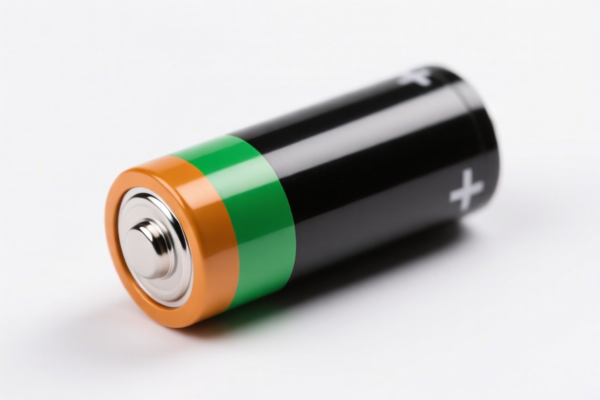


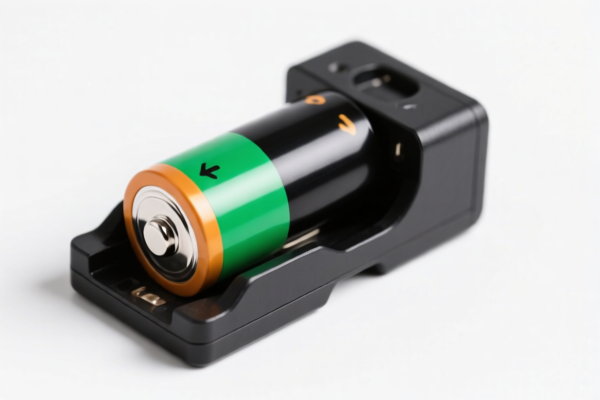
AI Analysis
🔋 Car Battery (Lead-Acid Storage Batteries for Piston Engines)
🌐 HS Code Reference & Customs Clearance Guide | 2026 Latest Tariff Analysis | Professional Entry Strategy
📌 I. Product Definition & Classification: What is a "Car Battery"?
A "Car Battery" in international trade refers specifically to Lead-acid storage batteries designed to start piston engines (internal combustion engines) in motor vehicles. These are 12V batteries used primarily in cars, trucks, motorcycles, and light-duty vehicles.
In customs classification, these batteries are divided into two distinct categories based on weight: - Heavy-Duty Car Batteries: Weighing exceeding 6 kg. - Light-Duty Car Batteries: Weighing not exceeding 6 kg.
⚠️ Critical Distinction:
- Weight is the deciding factor: If the battery weighs more than 6 kg, it falls under HS Code 8507.10.00.60.
- If it weighs 6 kg or less, it falls under HS Code 8507.10.00.30.
- Do NOT confuse these with battery clamps or parts (which fall under different codes like 8536.90.60.00).
📦 II. HS Code Classification Details (2026 Tariff Authority Match)
| HS Code | Product Description | Weight Threshold | Vehicle Application |
|---|---|---|---|
8507.10.00.60 |
Lead-acid storage batteries for piston engines, 12V, Exceeding 6 kg | > 6 kg | Standard cars, trucks, SUVs |
8507.10.00.30 |
Lead-acid storage batteries for piston engines, 12V, Not exceeding 6 kg | ≤ 6 kg | Motorcycles, ATVs, small cars |
🔍 Key Insight:
- Both codes fall under Heading 85.07 (Electric storage batteries).
- The 6 kg weight cutoff is the only differentiator.
- Parts and Accessories (like Battery Clamps) are NOT included here; they are classified under 8536.90.
💰 III. 2026 Tariff Rate Breakdown (Detailed Tax Terms)
✅ Applicable Context: Import into China (based on provided data)
✅ Origin: Likely China (if domestic) or Imported (if foreign)
✅ Tax Types: Base Tariff + Additional Tariff (if applicable)
🎯 1. 8507.10.00.60 — Heavy Car Batteries (> 6 kg)
| Item | Value |
|---|---|
| Base Tariff | 0.0% |
| Additional Tariff (Surtax) | 0.0% |
| Total Tax Rate | 0.0% |
| Tax Detail | "基础关税: 0.0%, 加征关税: 0.0%" |
| Applicable Policy | General Import Tariff (No surcharges apply for this specific HS Code in this dataset) |
📌 Explanation:
- 0% Total Tax: This is a highly favorable rate. Whether imported from the US, EU, or other regions, the provided data shows zero tariff for standard lead-acid car batteries exceeding 6 kg.
- No Surcharge: Unlike steel, aluminum, or copper products, these batteries do not attract the extra 25% or 50% surcharges mentioned in other categories.
🎯 2. 8507.10.00.30 — Light Car Batteries (≤ 6 kg)
| Item | Value |
|---|---|
| Base Tariff | 0.0% |
| Additional Tariff (Surtax) | 0.0% |
| Total Tax Rate | 0.0% |
| Tax Detail | "基础关税: 0.0%, 加征关税: 0.0%" |
| Applicable Policy | General Import Tariff (No surcharges apply) |
📌 Explanation:
- 0% Total Tax: Same as the heavy-duty version, light-duty car batteries also enjoy zero tariff.
- Strategic Advantage: Small batteries (for motorcycles) are tax-free, making them very competitive in cross-border e-commerce.
⚠️ 3. 8536.90.60.00 — Battery Clamps (Related Accessories)
| Item | Value |
|---|---|
| Base Tariff | 2.7% |
| Additional Tariff | 7.5% |
| Total Tax Rate | 10.2% |
| Tax Detail | "基础关税: 2.7%, 加征关税: 7.5%" |
| Product Scope | Battery clamps for vehicles (HS 8702, 8703, 8704, 8711) |
📌 Explanation:
- Important: If you import clamps, terminals, or connectors separately from the battery, they are taxed at 10.2%.
- Do not group clamps under the battery code (8507) if they are sold separately.
⚠️ 4. 8536.90.85.85 — Other Electrical Apparatus
| Item | Value |
|---|---|
| Base Tariff | 0.0% |
| Additional Tariff (Steel/Alu/Copper) | 50% (if applicable) |
| Total Tax Rate | Up to 75.0% |
| Tax Detail | "基础关税: 0.0%, 加征关税: 25.0% steel,铝铜制品加征关税: 50%" |
| Product Scope | General "Other" electrical apparatus |
📌 Explanation:
- High Risk Zone: This code (8536.90.85.85) applies to generic electrical parts not specifically listed elsewhere.
- Surcharge Alert: If the item contains steel, aluminum, or copper components, an additional 50% tax applies, potentially pushing the total to 75%.
- Avoid Misclassification: Do NOT put car batteries here. This code is for "miscellaneous" electrical parts, not lead-acid batteries.
🛠️ IV. Customs Clearance Practical Advice (Pitfall Avoidance)
✅ 1. Documentation Checklist (Must-Have)
| Document | Requirement | Purpose |
|---|---|---|
| Product Spec Sheet | ✔️ | Must clearly state: Lead-Acid, 12V, Weight (kg), and Application (Piston Engine). |
| Weight Certificate | ✔️ | Crucial: Must prove if weight is >6kg or ≤6kg. Discrepancy leads to re-classification. |
| Battery Material Report | ✔️ | Confirm lead-acid composition (no lithium, nickel, etc.). |
| Commercial Invoice | ✔️ | Must specify "Lead-acid storage battery, 12V, for starting piston engines". |
| Packing List | ✔️ | Show individual unit weight to verify the 6kg threshold. |
🔥 Key Rule:
"Weight determines code, Code determines tax!"
If you declare a 6.1 kg battery as "not exceeding 6 kg" to save taxes (even though both are 0% here), it creates a misdeclaration risk. Always be precise.
✅ 2. Declaration Tips (Avoid the "75% Trap")
| Situation | Correct Action | Wrong Action (High Tax Risk) |
|---|---|---|
| Car Battery (12V) | Declare under 8507.10.00.60 or 8507.10.00.30 → 0% Tax | Declare under 8536.90.85.85 ("Other apparatus") → Up to 75% Tax! |
| Battery Clamps | Declare under 8536.90.60.00 → 10.2% Tax | Declare as part of the battery → Customs may reject or tax separately. |
| Mixed Shipment | Declare battery and clamps separately on invoice. | Group together → Risk of misclassification. |
📌 Critical Warning:
- The code 8536.90.85.85 has a 75% tax rate if steel/aluminum/copper surcharges apply. NEVER use this for car batteries!
- Car batteries are specifically listed under 8507, which is a tax-free category in this dataset.
✅ 3. Special Cases
| Scenario | Recommendation |
|---|---|
| Used/Recycled Batteries | May require special environmental permits; check if "new" vs "used" affects classification. |
| Lithium-Ion Car Batteries | NOT covered here! These fall under different codes (e.g., 8507.60) and may have different taxes. |
| Batteries with Electronics | If it has a complex BMS (Battery Management System), still classify as 8507 if the core function is storage/starting. |
🌍 V. Global Market Comparison (2026 Overview)
| Region | HS Code (Car Battery) | Base Tax | Additional Tax | Total Tax |
|---|---|---|---|---|
| 🇨🇳 China (Current Data) | 8507.10.00.60/30 |
0.0% | 0.0% | 0.0% |
| 🇺🇸 USA | 8507.10.00 | Varies (often 2.5-5%) | 301 Tariff (25%+) | ~27.5%+ |
| 🇪🇺 EU | 8507.10 | 0% | No surcharge | 0.0% |
| 🇯🇵 Japan | 8507.10 | 0% | No surcharge | 0.0% |
📌 Conclusion:
- China offers 0% tax for lead-acid car batteries (both heavy and light).
- USA is the most challenging market due to Section 301 surcharges.
- EU/Japan are generally tax-friendly for this category.
📌 VI. Common Errors & Pitfalls (Learn from Mistakes)
❌ Error 1: Declaring car batteries under 8536.90.85.85 ("Other apparatus").
👉 Consequence: Tax jumps from 0% to 75% (if surcharges apply). Massive cost increase!
❌ Error 2: Ignoring the 6 kg weight threshold.
👉 Consequence: Even though tax is 0% for both, misdeclaring weight can lead to customs delays or fines for inaccurate declaration.
❌ Error 3: Including clamps in the battery declaration.
👉 Consequence: Clamps are taxed at 10.2%. If hidden in battery declaration, customs may audit and charge 10.2% + penalties.
❌ Error 4: Confusing Lead-Acid with Lithium.
👉 Consequence: Lithium batteries have different codes and often stricter safety regulations (UN38.3, MSDS).
✅ Correct Strategy:
"Lead-Acid Storage Battery, 12V, 15kg, for Car Engine Starting, Model XYZ." → HS: 8507.10.00.60 → 0% Tax.
🎯 VII. Conclusion: Zero Tax, High Efficiency!
🎯 Key Takeaway:
🔹 "Car Battery = 8507 = 0% Tax"
🔹 "Weight >6kg" = 8507.10.00.60
🔹 "Weight ≤6kg" = 8507.10.00.30
🔹 "Clamps = 8536.90.60.00 = 10.2% Tax"
🔹 "Misc. Electrical = 8536.90.85.85 = Up to 75% Tax (AVOID!)"
📌 Pro Tip:
Always verify the exact weight of each battery unit before shipment. Even a 0.1 kg difference can change the HS Code from 8507.10.00.30 to 8507.10.00.60. While both are 0% tax in this dataset, accuracy is key to avoiding customs scrutiny.
📣 Action Required:
🚀 Verify Weight → Choose Correct HS Code → Declare Separately (Batteries vs Clamps) → Enjoy 0% Tax!
✨ Precision in Classification = Savings in Cost!
💼 Your Car Battery Shipment is Ready for Duty-Free Entry!
Customer Reviews
About HS Code Classification
The Harmonized System (HS) is an internationally standardized nomenclature developed by the World Customs Organization (WCO) to classify traded products. Over 200 countries use the HS system as the basis for customs tariffs, trade statistics, and import/export regulations.
Each HS code follows a hierarchical structure:
- Chapter (2 digits) — Broad category of goods (e.g., Chapter 84: Machinery and Mechanical Appliances)
- Heading (4 digits) — More specific grouping within the chapter
- Subheading (6 digits) — Internationally standardized breakdown, used by all WCO member countries
- National subdivisions (8-10 digits) — Country-specific extensions for further classification, such as US HTSUS 10-digit codes
Correct HS code classification is essential for smooth customs clearance, accurate duty payment, and compliance with trade regulations. Misclassification can lead to customs delays, overpayment of duties, or penalties.
When importing from CN to US, the applicable tariff rates may include:
- Most-Favored-Nation (MFN) rate — The standard duty rate applied to WTO members
- General rate — Applied to countries without trade agreements
- Trade remedy duties — Additional tariffs such as Section 301 (anti-dumping), Section 232 (national security), or countervailing duties
The information provided on this page is for reference purposes only. For official classification, please consult with your local customs authority or a licensed customs broker.