car clean brush
CN → US| HS Code | Tariff Rate | Origin | Destination | Doc |
|---|---|---|---|---|
| 4417006000 | 35.0% | CN | US | Official Doc |
| 9603109000 | 27.5% | CN | US | Official Doc |
| 9603908050 | 70.3% | CN | US | Official Doc |
Product Images
AI Analysis
🧼 Car Clean Brush – HS Code & Tariff Guide 2026 | Expert Customs Classification & Compliance Strategy
🌐 HS Code Reference & Clearance Blueprint | 2026 Updated Tariff Rules | Pro-Level Import Planning
📦 一、Product Definition & Classification: What Exactly Is a "Car Clean Brush"?
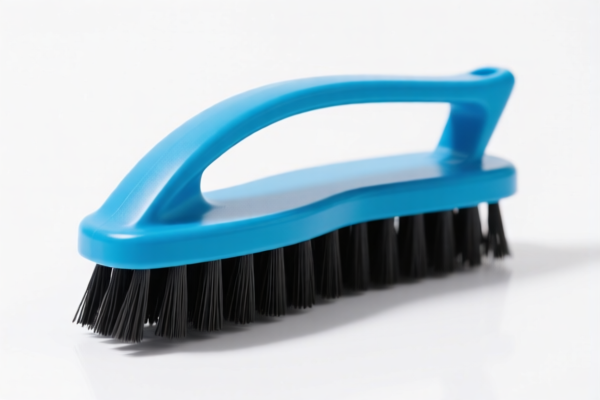
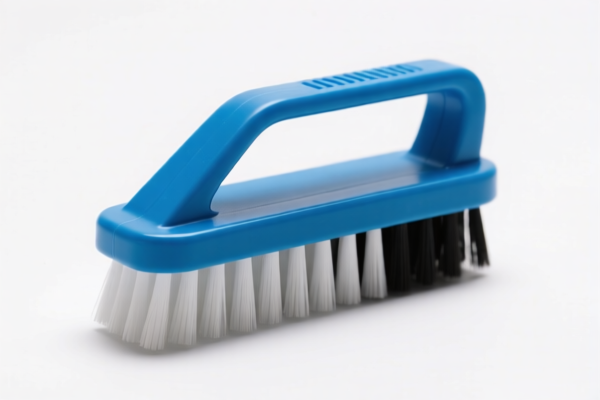
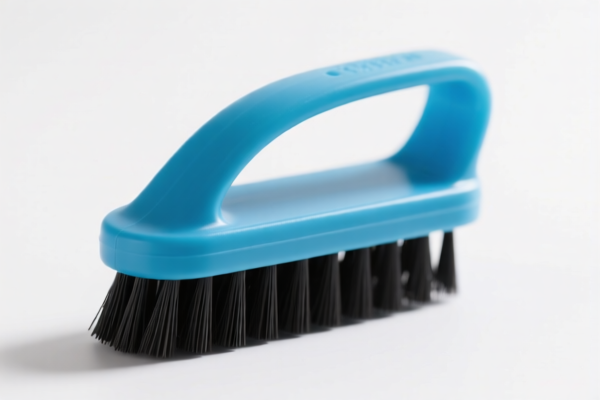
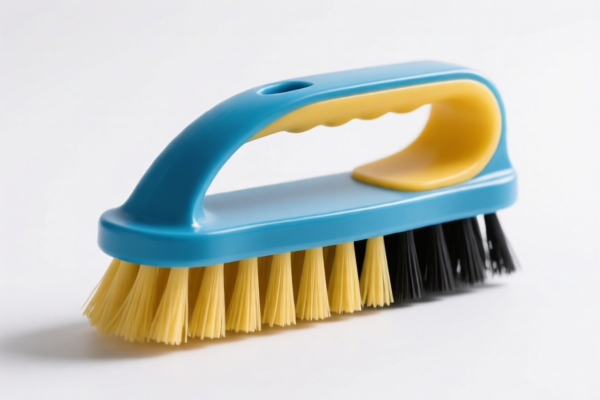
A car clean brush is a handheld or mounted tool used for cleaning vehicles — typically made of natural bristles (e.g., wood, bamboo) or synthetic fibers, designed to scrub dirt, grime, and debris from car surfaces such as wheels, tires, undercarriages, and body panels.
In international trade, it falls under brushes used for cleaning, and its classification depends on material, structure, and intended use.
⚠️ Key Distinction:
- If the brush has a wooden or natural handle with bristles → likely HS 4417.00.60.00
- If it's a general-purpose brush with no specific material focus → HS 9603.10.90.00
- If it contains metal (steel/aluminum/copper) components → HS 9603.90.80.50 (higher tariff due to material)
🔍 二、HS Code Breakdown (2026 Updated Tariff Table)
| HS Code | Product Description | Applicable Use Case | Material & Structure |
|---|---|---|---|
4417.00.60.00 |
Wood-based cleaning brushes, with bristles attached to a wooden handle | Classic car detailing brushes, wheel brushes, hand-held cleaning tools | Wooden handle, natural/synthetic bristles — matches "brush body" category |
9603.10.90.00 |
Other brushes for cleaning, not specified elsewhere | General-purpose cleaning brushes, brooms, or brush-like tools | No specific material — "other" catch-all for brushes |
9603.90.80.50 |
Other brushes, including those with metal parts (steel, aluminum, copper) | High-end or industrial-grade car brushes with metal shafts or fittings | Contains steel/aluminum/copper components — triggers additional tariff |
📌 Important Note:
- All three HS codes are valid, depending on material composition and design.
- Do not assume a "car brush" is always the same HS code — material is king.
💰 三、2026 U.S. Tariff Breakdown (Detailed Tax Clause Analysis)
✅ Target Market: United States (US)
✅ Origin Country: China (CN)
✅ Effective Date: November 10, 2025 (and ongoing)
🎯 1. 4417.00.60.00 – Wood-Based Cleaning Brush
| Tax Item | Detail |
|---|---|
| Base Duty | 0.0% (ad valorem) |
| Section 301 (USITC) Additional Duty | +25.0% |
| Section 122 (IEEPA) Additional Duty | +10.0% |
| Total Effective Tariff | 35.0% |
| Tax Calculation | CIF Value × 35.0% |
| De Minimis Exemption? | ❌ No (denied under U.S. law) |
| Legal Basis Path | IEEPA:9903.01.25 → USITC:4417.00.60.00 → FOOTNOTE:9903.88.01 |
📌 Why This Applies:
- The brush is wooden-based, which aligns with HS 4417.00.60.00.
- It’s a cleaning tool used in vehicle maintenance — matches “brushes for cleaning” use.
- No metal parts → avoids the 50% steel/aluminum surcharge.
- Still subject to 25% USITC + 10% IEEPA due to Chinese origin.
🎯 2. 9603.10.90.00 – Other Cleaning Brushes (General Purpose)
| Tax Item | Detail |
|---|---|
| Base Duty | 10.0% |
| Section 301 (USITC) Additional Duty | +7.5% |
| Section 122 (IEEPA) Additional Duty | +10.0% |
| Total Effective Tariff | 27.5% |
| Tax Calculation | CIF Value × 27.5% |
| De Minimis Exemption? | ❌ No |
| Legal Basis Path | IEEPA:9903.01.24 → USITC:9603.10.90.00 → FOOTNOTE:9903.88.01 |
📌 Why This Applies:
- Used when the brush doesn’t clearly fit wood-based classification.
- Common for synthetic bristle brushes or non-wood handles.
- Still considered "other brushes" under 9603.10.90.00.
- No metal components → avoids 50% steel surcharge.
🎯 3. 9603.90.80.50 – Brushes with Metal Components (Steel/Aluminum/Copper)
| Tax Item | Detail |
|---|---|
| Base Duty | 2.8% |
| Section 301 (USITC) Additional Duty | +7.5% |
| Section 122 (IEEPA) Additional Duty | +10.0% |
| Steel/Aluminum/Copper Surcharge | +50.0% (applies only if metal parts present) |
| Total Effective Tariff | 70.3% |
| Tax Calculation | CIF Value × 70.3% |
| De Minimis Exemption? | ❌ No |
| Legal Basis Path | IEEPA:9903.01.24 → USITC:9603.90.80.50 → FOOTNOTE:9903.88.01 → ADD:50% metal surcharge |
📌 Why This Applies:
- Any steel, aluminum, or copper component (e.g., metal shaft, ferrule, bracket) triggers this code.
- Even a small metal ring or metal base in the brush can push it into this category.
- 50% surcharge is applied on top of base + USITC + IEEPA duties — this is the highest tariff tier.
- Extremely risky for importers — always verify material composition.
🛠️ 四、Customs Clearance Best Practices (Pro Tips to Avoid Penalties)
✅ 1. Essential Documentation (Must-Have)
| Document | Required? | Purpose |
|---|---|---|
| ✅ Product Specification Sheet | ✔️ | Detail bristle type, handle material, dimensions |
| ✅ Bill of Lading (B/L) | ✔️ | Proof of shipment |
| ✅ Commercial Invoice | ✔️ | Must state: “Car Cleaning Brush, Wooden Handle, Synthetic Bristles” |
| ✅ Packing List | ✔️ | Show quantity, weight, packaging |
| ✅ Material Certificate | ✔️ | Confirm absence/presence of steel/aluminum/copper |
| ✅ Test Report (if applicable) | ✔️ | RoHS, CE, or safety compliance |
| ✅ Certificate of Origin (CO) | ✔️ | Critical for tariff eligibility |
✅ 2.申报技巧(Key Rules to Remember)
🔥 "Material First, Handle Second, Metal Last!"
| Scenario | Correct HS Code | Wrong Practice |
|---|---|---|
| Wooden handle, synthetic bristles | 4417.00.60.00 |
Misclassified as 9603.10.90.00 → higher tariff |
| Synthetic handle, no metal | 9603.10.90.00 |
Misclassified as 4417.00.60.00 → risk of rejection |
| Metal ferrule or shaft | 9603.90.80.50 |
Ignoring metal → 70.3% tariff risk! |
| Brush with steel bracket | 9603.90.80.50 |
Declare as "non-metal" → penalty + seizure |
✅ 3. Special Case Handling
| Situation | Recommended Action |
|---|---|
| Brush with tiny metal ring | Declare as 9603.90.80.50 — even small metal triggers 50% surcharge |
| OEM or private label brush | Provide design drawings + material list for pre-ruling |
| Brush used in auto detailing kits | Still classified individually — do not combine with other tools |
| Brush with bamboo handle + metal ferrule | Must use 9603.90.80.50 — metal component triggers higher tariff |
🌍 五、Global Market Comparison (2026)
| Country/Region | Recommended HS Code | Base Tariff | Additional Duties | Notes |
|---|---|---|---|---|
| 🇺🇸 United States | Depends on material | 0–10% | +25% (USITC) +10% (IEEPA) +50% (metal) | Highest risk — always verify metal content |
| 🇨🇳 China | 9603.10.90.00 or 9603.90.80.50 |
5% | None | No additional tariffs |
| 🇪🇺 European Union | 9603.10.90.00 |
0% | None | CE certification required |
| 🇦🇺 Australia | 9603.10.90.00 |
5% | None | RCM compliance |
| 🇯🇵 Japan | 9603.10.90.00 |
0% | None | PSE certification |
📌 Insight:
- U.S. is the only market with multi-tiered, material-based surcharges.
- China, EU, Australia, Japan have no additional tariffs on car brushes — ideal for re-export.
🚨 Six Common Mistakes & How to Avoid Them
❌ Mistake 1: Declaring a metal-ferruled brush as 4417.00.60.00
👉 Result: 70.3% tariff applied — penalty, delay, or seizure
❌ Mistake 2: Not disclosing metal components in invoice
👉 Result: Customs audit → reclassification + back taxes + fines
❌ Mistake 3: Using "car brush" as generic name without material details
👉 Result: Incorrect HS code → detention at port
❌ Mistake 4: Assuming wooden brushes are always low tariff
👉 Result: Still face 35% total duty — no exemption
❌ Mistake 5: Combining brush with cleaning kit (soap, gloves)
👉 Result: Entire kit reclassified as "set" → higher tariff
✅ Best Practice:
"Name the material, declare the metal, use the right code — or pay the price!"
🎯 Seven Key Takeaways: Pro-Level Strategy
🔹 Wood = 35% tariff (no metal)
🔹 Synthetic = 27.5% tariff (no metal)
🔹 Any metal = 70.3% tariff (50% surcharge!)
🔹 No de minimis exemption — even small metal counts
🔹 Always verify material composition before shipment
🔹 Use pre-ruling (Advance Ruling) for high-risk items
🔹 Avoid U.S. entry unless you’re prepared for 70%+ tariffs
📌 Final Advice: Stay Ahead of the Game
📞 Contact a U.S. Customs Broker + Request an HS Code Pre-Ruling
📊 Get a Material Certificate from Supplier
🛡️ Use a Clear, Accurate Description in Invoice:
"Car Cleaning Brush, Wooden Handle, Synthetic Bristles, No Metal Parts, Model ABC123"
📣 Act Now!
🚀 Your brush might be a 70.3% tax bomb — don’t find out at the border!
💼 Precision classification = Profit protection. One mistake = Thousands in penalties.
✨ Professional Clearance Starts with Perfect Classification!
💼 Your next shipment shouldn’t be a gamble — make it a win.
Customer Reviews
About HS Code Classification
The Harmonized System (HS) is an internationally standardized nomenclature developed by the World Customs Organization (WCO) to classify traded products. Over 200 countries use the HS system as the basis for customs tariffs, trade statistics, and import/export regulations.
Each HS code follows a hierarchical structure:
- Chapter (2 digits) — Broad category of goods (e.g., Chapter 84: Machinery and Mechanical Appliances)
- Heading (4 digits) — More specific grouping within the chapter
- Subheading (6 digits) — Internationally standardized breakdown, used by all WCO member countries
- National subdivisions (8-10 digits) — Country-specific extensions for further classification, such as US HTSUS 10-digit codes
Correct HS code classification is essential for smooth customs clearance, accurate duty payment, and compliance with trade regulations. Misclassification can lead to customs delays, overpayment of duties, or penalties.
When importing from CN to US, the applicable tariff rates may include:
- Most-Favored-Nation (MFN) rate — The standard duty rate applied to WTO members
- General rate — Applied to countries without trade agreements
- Trade remedy duties — Additional tariffs such as Section 301 (anti-dumping), Section 232 (national security), or countervailing duties
The information provided on this page is for reference purposes only. For official classification, please consult with your local customs authority or a licensed customs broker.