car detail brush
CN → US| HS Code | Tariff Rate | Origin | Destination | Doc |
|---|---|---|---|---|
| 3926909989 | 22.8% | CN | US | Official Doc |
| 3926903500 | 24.0% | CN | US | Official Doc |
| 9603500000 | 17.5% | CN | US | Official Doc |
| 9603908050 | 70.3% | CN | US | Official Doc |
| 3926909910 | 22.8% | CN | US | Official Doc |
Product Images
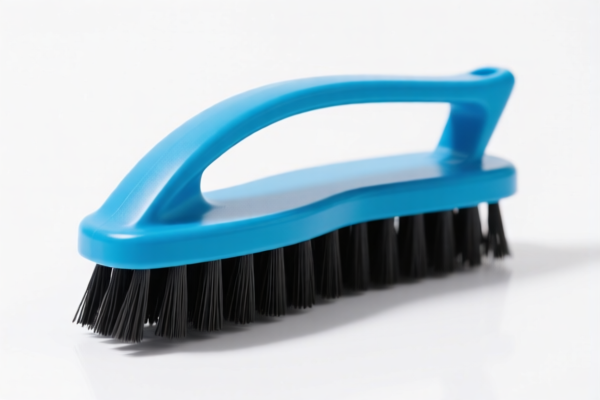
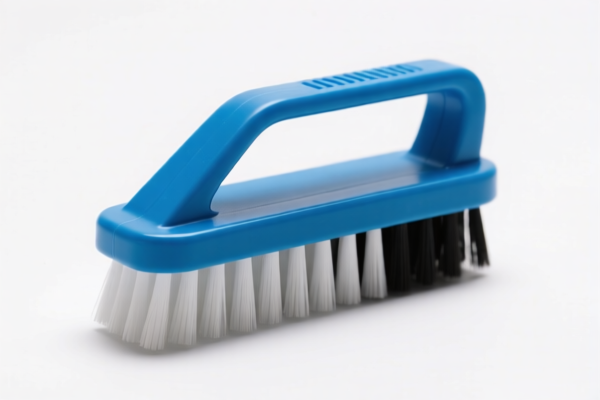
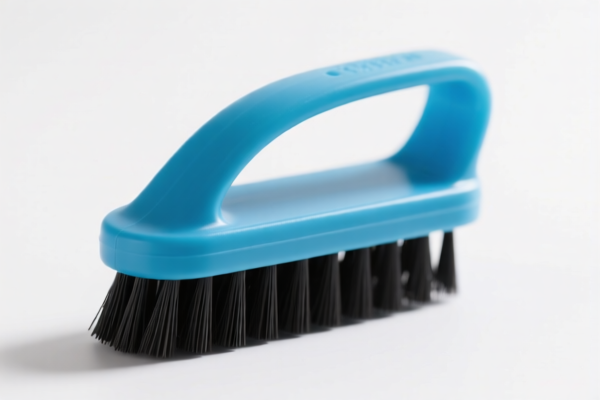
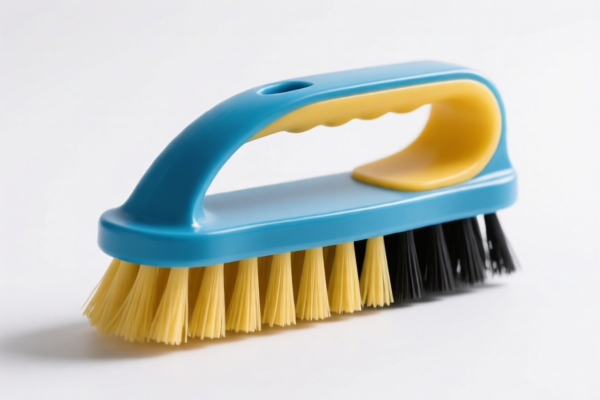
AI Analysis
🚗 Car Detail Brush – HS Code Classification & US Customs Clearance Guide (2026)
🌐 HS Code Reference & Customs Strategy | 2026 Latest Tariff Analysis | Professional Clearance Protocol
📌 I. Product Definition & Classification: What Exactly is a "Car Detail Brush"?
A "Car Detail Brush" is a specialized tool used in automotive detailing to clean intricate parts of a vehicle (vents, logos, crevices, wheels) without scratching surfaces. In international trade, its classification depends heavily on material composition and specific use.
There are two main categorization paths: 1. Plastic Brushes/Parts: If the handle and bristles are primarily plastic/synthetic, it may fall under Chapter 39 (Plastics). 2. Brushes (General): If classified primarily as a "brush" regardless of material, it may fall under Chapter 96 (Brooms, Brushes).
⚠️ Key Classification Conflict:
- Path A (Plastic Parts): Focuses on the material (Plastic). High risk of high tariffs due to Section 301/122 provisions.
- Path B (Brushes): Focuses on the function (Brush). Lower base tariffs but subject to specific "122" or general anti-dumping/Section 301 add-ons.
- Critical Check: Does the brush have a significant metal component? If yes, additional "Steel/Aluminum/Copper" tariffs (50%) may apply under specific sub-headings.
📦 II. HS Code Classification Details (2026 Latest Tariff Authority Comparison)
| HS Code | Product Description | Application Scenario | Material Composition | Tax Risk Level |
|---|---|---|---|---|
3926.90.99.89 |
Other plastic articles | Plastic handle + synthetic bristles; "Other" category | Predominantly Plastic | 🟡 Medium-High (22.8%) |
3926.90.35.00 |
Other plastic articles | Plastic handle/bristles; Tool-like plastic item | Predominantly Plastic | 🟠 High (24.0%) |
3926.90.99.10 |
Other plastic articles | Plastic handle + synthetic fiber; "Other" plastic article | Predominantly Plastic | 🟡 Medium-High (22.8%) |
9603.50.00.00 |
Brushes for cleaning vehicles | Specific use for auto detail; No material conflict | Any (Focus on Function) | 🔵 Lowest (17.5%) |
9603.90.80.50 |
Other brooms/brushes | General brush category; Not specifically for vehicles | Any (Focus on Function) | 🔴 Highest (70.3%) |
🔍 Critical Analysis:
-9603.50.00.00is generally the most favorable for auto detail brushes because it specifically mentions "brushes for cleaning vehicles" (or similar specific use), resulting in a 0% base tariff.
-9603.90.80.50is the "other" brush category, which carries a 2.8% base tariff plus a massive 50% additional tariff for steel/aluminum/copper components (if any metal parts exist) or high general rates, leading to a total effective rate of 70.3%.
-3926.xxxxxxcodes classify the item as a "Plastic Article." While base tariffs are lower (5.3%-6.5%), the total effective tax is still high (22.8%-24.0%) due to Section 301/122 add-ons.
- NO HS CODE in the provided data offers a 0% total tax for plastics.9603.50.00.00offers the lowest base (0%).
💰 III. 2026 Latest Tariff Rate Breakdown (Including Add-ons & Policy Surcharges)
✅ Applicable Country: United States (US)
✅ Origin: China (CN)
✅ Effective Date: November 10, 2025 onwards (including subsequent imports)
🎯 1. 9603.50.00.00 —— Brushes for Cleaning Vehicles (RECOMMENDED)
| Item | Details |
|---|---|
| Base Tariff | 0.0% (ad valorem) |
| Section 301 Add-on | +7.5% |
| Section 122 Add-on | +10% |
| Total Effective Rate | 17.5% |
| Tax Calculation | CIF Value × 17.5% |
| De Minimis Eligibility | ❌ Not Applicable (De Minimis generally does not apply to Section 301/122 goods; requires formal entry) |
| Legal Basis Path | Section 122: 122 → Section 301: 9903.88.01 → USITC: 9603.50.00.00 |
📌 Interpretation:
- This is the most cost-effective option if the item is clearly identified as a "brush for cleaning vehicles."
- The 0% base rate helps significantly against the 17.5% total.
- Note: You must prove the primary use is for vehicles. Generic "detailing brushes" might be challenged as "other brushes."
🎯 2. 3926.90.99.89 / 3926.90.99.10 —— Other Plastic Articles (Material-Based)
| Item | Details |
|---|---|
| Base Tariff | 5.3% (ad valorem) |
| Section 301 Add-on | +7.5% |
| Section 122 Add-on | +10% |
| Total Effective Rate | 22.8% |
| Tax Calculation | CIF Value × 22.8% |
| De Minimis Eligibility | ❌ Not Applicable |
| Legal Basis Path | IEEPA: 9903.01.25 → Section 122: 122 → USITC: 3926.90.99.89 |
📌 Interpretation:
- If customs argues the item is a "plastic part" rather than a "brush," this classification applies.
- Higher cost than9603.50.00.00.
- Justification: "Handle and bristles are plastic; no specific brush category fits better."
🎯 3. 3926.90.35.00 —— Other Plastic Articles (Tool-like)
| Item | Details |
|---|---|
| Base Tariff | 6.5% (ad valorem) |
| Section 301 Add-on | +7.5% |
| Section 122 Add-on | +10% |
| Total Effective Rate | 24.0% |
| Tax Calculation | CIF Value × 24.0% |
| De Minimis Eligibility | ❌ Not Applicable |
| Legal Basis Path | IEEPA: 9903.01.25 → Section 122: 122 → USITC: 3926.90.35.00 |
📌 Interpretation:
- Slightly higher base rate than other plastic codes.
- Used if the item is viewed as a "plastic tool" rather than a generic article.
🎯 4. 9603.90.80.50 —— Other Brooms/Brushes (HIGHEST RISK)
| Item | Details |
|---|---|
| Base Tariff | 2.8% (ad valorem) |
| Section 301 Add-on | +7.5% |
| Section 122 Add-on | +10% |
| Steel/Aluminum/Copper Add-on | +50% (If metal components exist) |
| Total Effective Rate | 70.3% (if metal) or 20.3% (if pure plastic/non-metal) |
| Tax Calculation | CIF Value × 70.3% (Worst Case) |
| De Minimis Eligibility | ❌ Not Applicable |
| Legal Basis Path | Section 122: 122 → Section 301: 9903.88.01 → USITC: 9603.90.80.50 |
📌 Interpretation:
- AVOID THIS CODE if possible.
- The 50% additional tariff for steel/aluminum/copper makes this extremely expensive.
- Even without metal, the base rate + add-ons (20.3%) is higher than9603.50.00.00.
- This code is for "other brushes" not specifically for vehicles. Using it for a car brush is a classification error risk.
🛠️ IV. Customs Clearance Practical Advice (Real-World Pitfall Avoidance)
✅ 1. Documentation Checklist (Non-Negotiable)
| Document | Mandatory? | Explanation |
|---|---|---|
| ✅ Product Specification Sheet | ✔️ | Must state: "Car Detailing Brush," material (plastic/synthetic), dimensions. |
| ✅ Product Photos | ✔️ | Clear images of the brush in use (cleaning car vents, wheels) to prove vehicle-specific use. |
| ✅ Commercial Invoice | ✔️ | Description must read: "Car Detailing Brush, Plastic Handle, Synthetic Bristles, for Vehicle Use." |
| ✅ Material Declaration | ✔️ | Explicitly state: "100% Plastic/Synthetic. No Metal Components." (Crucial to avoid the 50% tariff in 9603.90.80.50). |
| ✅ Origin Certificate | ✔️ | If applicable, for potential preferential treatment (though unlikely for CN origin under current tariffs). |
✅ 2. Declaration Strategy (Key Mnemonics)
🔥 “Specific Use First, Material Second, Avoid Metal, Choose
9603.50!”
| Scenario | Correct Declaration | Incorrect Declaration |
|---|---|---|
| Auto Detail Brush | 9603.50.00.00 (Brushes for vehicles) |
9603.90.80.50 (Other brushes) → 70.3% Tax |
| Plastic Brush | 3926.90.99.89 (If 9603 is rejected) |
9603.90.80.50 |
| Brush with Metal Handle | 9603.90.80.50 (But expect 70.3%) |
Try to hide metal → Fraud Risk |
| Brush for Home Cleaning | 9603.90.80.50 |
9603.50.00.00 (Misuse) |
📌 Pro Tip:
- Emphasize "Vehicle Cleaning" in all documentation.
- If the brush is also used for home details, still declare for vehicle use as it’s the primary intended market for such specialized tools.
- Avoid Metal: Ensure no metal springs, cores, or fasteners are present to avoid the 50% surcharge in9603.90.80.50.
✅ 3. Special Circumstances
| Situation | Handling Advice |
|---|---|
| OEM Custom Brushes | Provide customer PO + design specs to prove specific vehicle application. |
| Multi-Use Brushes | If marketed for cars, homes, and pets, declare for car use to qualify for 9603.50.00.00. |
| Metal Components | If the brush has metal parts, you must use 9603.90.80.50 and pay ~70%. Consider redesigning to be all-plastic. |
| Pre-Ruling | Highly Recommended. Submit an Advance Ruling request to CBP to confirm 9603.50.00.00 applies to your specific brush. |
🌍 V. Global Market Comparison (2026 Latest)
| Country/Region | Recommended HS Code | Tariff | Certification | Note |
|---|---|---|---|---|
| 🇺🇸 USA | 9603.50.00.00 |
17.5% | None specific | Lowest US tariff if classified as vehicle brush. |
| 🇨🇳 China | 9603.50.00.00 |
~5-10% | CCC (if applicable) | Lower tariffs, but export from CN to US is the focus here. |
| 🇪🇺 EU | 9603.30.00 |
4.7% | CE (if applicable) | Different HS structure; brush category varies. |
| 🇬🇧 UK | 9603.30.00 |
4.7% | UKCA | Similar to EU. |
| 🇯🇵 Japan | 9603.30.00 |
6.5% | PSE (if electric) | Standard brush tariffs. |
📌 Conclusion:
- USA is the most complex market due to Section 301/122 add-ons.
-9603.50.00.00is the only code in the provided data that offers a 0% base rate, making it the most tax-efficient choice.
- Avoid9603.90.80.50due to the potential 50% metal tariff and higher overall cost.
📌 VI. Common Errors & Pitfall Guide (Lessons Learned)
❌ Mistake 1: Classifying as 9603.90.80.50 (Other Brushes)
👉 Consequence: 70.3% Tax if any metal is present. Even without metal, it’s 20.3%.
✅ Fix: Prove it’s for vehicle cleaning → Use 9603.50.00.00.
❌ Mistake 2: Using Plastic HS Codes (3926.xx) when 9603 is applicable
👉 Consequence: Higher tax (22.8%-24.0%) vs. 17.5%.
✅ Fix: Brushes are primarily functional items → Chapter 96 is preferred over Chapter 39 unless it’s a non-functional plastic part.
❌ Mistake 3: Ignoring Material Composition
👉 Consequence: If metal parts are hidden, customs may reclassify and apply the 50% surcharge.
✅ Fix: Declare "100% Plastic/Synthetic" clearly. Remove all metal components if possible.
❌ Mistake 4: Vague Description
👉 Consequence: Customs may assign the wrong HS code arbitrarily.
✅ Fix: Use "Car Detailing Brush, Plastic, for Vehicle Use" in all documents.
✅ Correct Declaration Example:
"Car Detailing Brush, Plastic Handle, Synthetic Bristles, for Cleaning Vehicle Interiors and Exteriors, No Metal Components, Model XYZ"
🎯 VII. Conclusion: Professional Declaration, Save Costs, Ensure Clearance!
🎯 Remember the Mantra:
🔹 “Vehicle Use First, Plastic Only,
9603.50is King!”
🔹 “Metal Means 50% Extra, Plastic Means 17.5% Total!”
📌 Quick Tips:
- If your brush is 100% plastic and used for cars, fight for 9603.50.00.00.
- If you cannot prove vehicle-specific use, fall back to 3926.90.99.89 (22.8%).
- Never use 9603.90.80.50 unless necessary, due to the risk of the 50% metal surcharge.
📣 Immediate Action:
📞 Contact a Customs Broker + Provide Product Photos + Apply for Advance Ruling
🚀 Ensure smooth customs clearance, minimize tax burden, and maximize profit margins!
✨ Professional Clearance Starts with Accurate Classification!
💼 Every percent of tax saved is pure profit!
Customer Reviews
About HS Code Classification
The Harmonized System (HS) is an internationally standardized nomenclature developed by the World Customs Organization (WCO) to classify traded products. Over 200 countries use the HS system as the basis for customs tariffs, trade statistics, and import/export regulations.
Each HS code follows a hierarchical structure:
- Chapter (2 digits) — Broad category of goods (e.g., Chapter 84: Machinery and Mechanical Appliances)
- Heading (4 digits) — More specific grouping within the chapter
- Subheading (6 digits) — Internationally standardized breakdown, used by all WCO member countries
- National subdivisions (8-10 digits) — Country-specific extensions for further classification, such as US HTSUS 10-digit codes
Correct HS code classification is essential for smooth customs clearance, accurate duty payment, and compliance with trade regulations. Misclassification can lead to customs delays, overpayment of duties, or penalties.
When importing from CN to US, the applicable tariff rates may include:
- Most-Favored-Nation (MFN) rate — The standard duty rate applied to WTO members
- General rate — Applied to countries without trade agreements
- Trade remedy duties — Additional tariffs such as Section 301 (anti-dumping), Section 232 (national security), or countervailing duties
The information provided on this page is for reference purposes only. For official classification, please consult with your local customs authority or a licensed customs broker.