carabiner
CN → US| HS Code | Tariff Rate | Origin | Destination | Doc |
|---|---|---|---|---|
| 7326908688 | 87.9% | CN | US | Official Doc |
| 8308100000 | 0.0% | CN | US | Official Doc |
| 7326190080 | 87.9% | CN | US | Official Doc |
| 7326190080 | 87.9% | CN | US | Official Doc |
| 7326908688 | 87.9% | CN | US | Official Doc |
Product Images
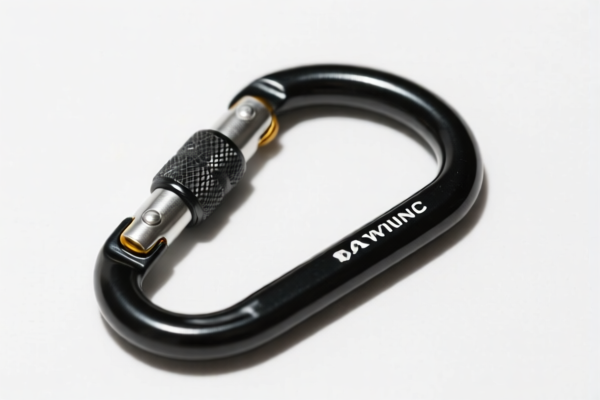
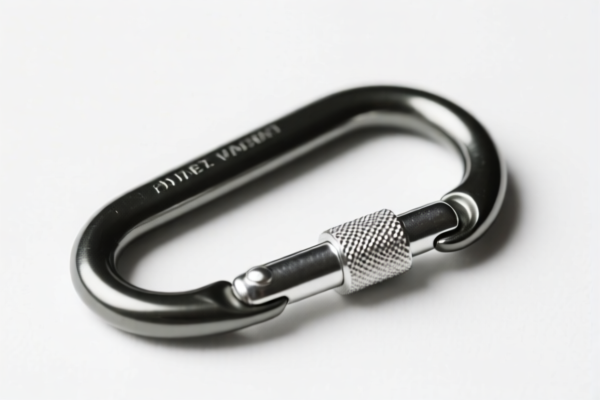
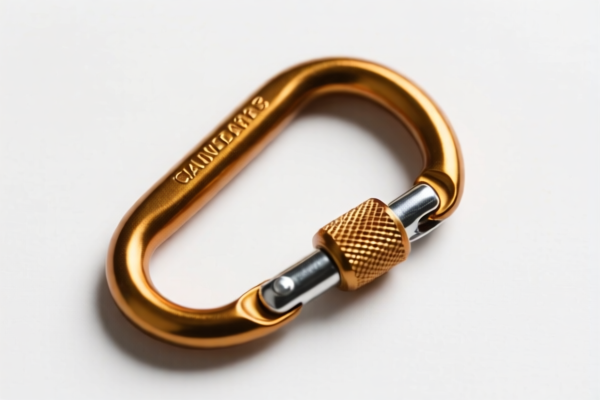
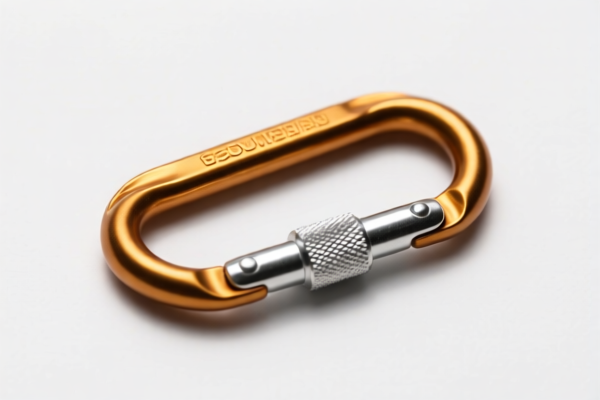
AI Analysis
🧗 Carabiners (The Climbing Hardware)
🌐 HS Code Reference & Clearance Guide | 2026 Latest Tariff Analysis | Professional Customs Strategy
📌 I. Product Definition & Classification: Do You Really Know "Carabiners"?
Carabiners are specialized metal loops with a short spring-loaded gate, primarily used in climbing, rescue operations, and industrial lifting. In international trade, their classification is strictly material-dependent. While they look similar, a steel carabiner and an aluminum carabiner may fall under entirely different HS Codes with drastically different tax implications.
⚠️ Key Distinction Point:
- Iron/Steel Based: If the primary material is iron or steel (including stainless steel), it falls under Chapter 73 (Articles of Iron or Steel).
- Base Metal/Aluminum Based: If made of base metals like aluminum or generic "base metal" classifications for fasteners/hooks, it may fall under Chapter 83 (Miscellaneous Articles of Base Metal) or specific subheadings for fasteners.
- Material Dictates Tax: The total tariff can skyrocket from ~37% to ~88% depending solely on whether the Customs Officer classifies it as a "Steel Article" or a "Fastener/Hook."
📦 II. HS Code Classification Details (2026 Latest Tariff Authority)
| HS Code | Product Description | Material Basis | Applicable Scenario |
|---|---|---|---|
| 7326.90.86.88 | Other articles of iron or steel, n.e.s. | Iron/Steel / Stainless Steel | General steel carabiners; Stainless steel carabiners (classified as steel articles). |
| 8308.10.00.00 | Clasps, frames with clasps, buckles, buckle-clasps, hooks, eyes, hooks, eyes, and similar articles of base metal. | Base Metal (e.g., Aluminum/Generic) | Carabiners classified as "hooks/fasteners" made of non-steel base metals. |
| 7326.19.00.80 | Other articles of iron or steel, n.e.s. | Steel or Aluminum Alloy | Note: Despite summary mentioning Aluminum, this code is under Ch. 73 (Iron/Steel). Often applied to steel components or mixed-material items where steel is dominant or specific national interpretation applies. |
🔍 Critical Warning:
- Stainless Steel Carabiners are frequently misclassified. Many might assume they are "Base Metal" (Ch. 83), but under US HTS, stainless steel is often grouped under Chapter 73 (7326.90.86.88) unless specific "fastener" criteria in Ch. 83 are met.
- 7326.19.00.80 is flagged for "Steel or Aluminum Alloy." This creates ambiguity. If it is purely aluminum, 8308.10.00.00 is the more technically accurate "Hook/Clasp" code, but 7326.19.00.80 is also cited in the data for "Aluminum Alloy" items, suggesting a potential classification trap or specific national rule application.
💰 III. 2026 Latest Tariff Rate Breakdown (Including Surcharges & Policy Add-ons)
✅ Applicable Country: United States (US)
✅ Origin: China (CN)
✅ Effective Date: Current rates apply (Section 301 + Section 122/EO 14117 implications)
🎯 1. 7326.90.86.88 & 7326.19.00.80 —— Steel/Steel-Based Carabiners
Applies to: Iron, Steel, Stainless Steel, and potentially Aluminum Alloy items classified under Ch 73.
| Item | Content |
|---|---|
| Base Tariff | 2.9% (Ad Valorem) |
| Section 301 Tariff | +25.0% (Retaliatory tariff on Chinese goods) |
| Section 122 / EO 14117 Tariff | +50.0% (Specific surcharge on Steel, Aluminum, and Copper articles under recent executive orders/trade actions) |
| Total Tariff Rate | 87.9% |
| Calculation Method | CIF Value × 87.9% |
| De Minimis Exemption | ❌ NOT ALLOWED (High duty rate exceeds thresholds for de minimis clearance) |
| Legal Basis Path | USHTS:7326.90.86.88 → Section 301: Footnote 9903.88.01 → EO 14117/Section 122: Steel/Alum Surcharge |
📌 Explanation:
- This is a DISASTROUS tariff rate.
- The 2.9% base duty is negligible.
- The 25% is the standard Section 301 tariff.
- The 50% is the critical new layer for "Steel, Aluminum, and Copper" products under recent trade enforcement actions.
- Total: 87.9%. This effectively kills the profit margin for cheap steel carabiners from China.
🎯 2. 8308.10.00.00 —— Base Metal Hooks/Clasps (e.g., Aluminum)
Applies to: Carabiners classified specifically as "Clasps/Hooks" of base metal (often Aluminum).
| Item | Content |
|---|---|
| Base Tariff | 1.1¢/kg (Specific Duty) + 2.9% (Ad Valorem) |
| Section 301 Tariff | +25.0% |
| Section 122 / EO 14117 Tariff | +10.0% (Note: Data specifies 10% for this code, differing from the 50% for steel codes. See Analysis Below) |
| Total Tariff Rate | ~2.9% + 1.1¢/kg + 35.0% (Total ~37.9% + Specific) |
| Calculation Method | (CIF Value × 37.9%) + (Weight kg × $0.011) |
| De Minimis Exemption | ❌ NOT ALLOWED |
| Legal Basis Path | USHTS:8308.10.00.00 → Section 301 → Section 122: 10% Surcharge |
📌 Explanation:
- This classification offers a significant savings compared to the Steel codes.
- Total Rate: ~35-38% (depending on weight).
- Why the difference? The data shows a 10% surcharge for this code vs. 50% for the steel codes. This suggests that if the carabiner can be legally classified as a "Base Metal Clasp/Hook" (Ch 83) rather than an "Article of Steel" (Ch 73), the Section 122 surcharge is lower or different.
- CRITICAL: Ensure the product is indeed Aluminum or Base Metal, not Stainless Steel, to potentially use this code.
🛠️ IV. Customs Clearance Practical Advice (Real-World Pitfall Guide)
✅ 1. Preparation Checklist (Non-Negotiable)
| Document | Required? | Details |
|---|---|---|
| ✅ Material Composition Certificate | ✔️ | Must specify exact alloy (e.g., "A7075-T6 Aluminum" vs. "304 Stainless Steel"). This is the #1 factor for HS Code selection. |
| ✅ Product Photos | ✔️ | Show the gate mechanism, spring, and overall structure. |
| ✅ Technical Data Sheet | ✔️ | Include breaking strength, weight, dimensions. |
| ✅ Commercial Invoice | ✔️ | Clearly state "Carabiner, Climbing Grade, [Material Name]." Do not use vague terms like "Metal Hook." |
| ✅ Certificate of Origin | ✔️ | Essential for proving Chinese origin and applying (or disputing) surcharges. |
✅ 2. Classification Strategy (The "Save Your Money" Playbook)
🔥 "Material is King: Steel pays 88%, Aluminum pays 38%!"
| Scenario | Recommended HS Code | Estimated Tax | Risk Level |
|---|---|---|---|
| Stainless Steel Carabiner | 7326.90.86.88 |
87.9% | 🔴 HIGH COST. Hard to argue against Ch 73 for stainless steel. |
| Standard Steel Carabiner | 7326.90.86.88 |
87.9% | 🔴 HIGH COST. Standard steel attracts the 50% surcharge. |
| Aluminum Carabiner (Classified as Hook) | 8308.10.00.00 |
~37.9% | 🟡 MEDIUM RISK. Requires convincing Customs it's a "Clasp/Hook" of base metal, not a generic steel article. |
| Aluminum Alloy (Classified as Steel Art.) | 7326.19.00.80 |
87.9% | 🔴 HIGH COST. If Customs ignores the "Aluminum" part and classifies under Ch 73, the 50% surcharge applies. |
📌 Strategic Advice:
- If importing Aluminum carabiners, strive for8308.10.00.00. It saves ~50 percentage points in duty.
- Justification: Argue that it is a "Clasp/Hook" (Chapter 83) rather than a general "Article of Steel" (Chapter 73). Emphasize the mechanical function of "fastening/clasping."
- For Stainless Steel, there is little room for maneuver. Expect 87.9%. Consider sourcing from non-China origins (e.g., USA, Europe) if possible, or absorbing the cost.
✅ 3. Special Circumstances
| Situation | Handling Advice |
|---|---|
| Mixed Materials | If a carabiner has a stainless steel body but aluminum gate, Customs may look at the "essential character." If steel dominates, Ch 73 applies. |
| Packaging | Do not ship loose in bulk without proper labeling. Labeled carabiners are easier to classify. |
| Pre-Ruling | 🚀 Highly Recommended. Apply for an International Trade Commission (ITC) Ruling or consult a customs broker before shipping. A binding ruling on 8308.10.00.00 for aluminum carabiners can save hundreds of thousands in duties. |
🌍 V. Global Market Comparison (2026)
| Country/Region | Recommended HS Code | Approx. Duty (China Origin) | Notes |
|---|---|---|---|
| 🇺🇸 USA | 7326.90.86.88 (Steel) / 8308.10.00.00 (Alu) |
87.9% (Steel) vs ~38% (Alu) | Most punitive market. Section 122/EO 14117 adds massive surcharges. |
| 🇨🇳 China | 7326.90.90.00 |
~5-10% | Export from China usually has low duties, but US import duties are the bottleneck. |
| 🇪🇺 EU | 7326.90.98 |
0-4.5% | No Section 301 equivalent. Much more favorable for steel. |
| 🇬🇧 UK | 7326.90.98 |
0-4.5% | Similar to EU post-Brexit. |
📌 Conclusion:
- The USA is uniquely harsh on Chinese steel/aluminum climbing gear.
- Aluminum carabiners have a viable pathway to ~38% duty if classified correctly.
- Steel/Stainless Steel carabiners face a near-prohibitive 87.9% duty.
📌 VI. Common Errors & Pitfalls (Lessons Learned from the Field)
❌ Error 1: Calling "Stainless Steel" a "Base Metal" to fit 8308.10.00.00.
👉 Consequence: Customs rejects, audits, and back-charges 87.9% + penalties. Stainless Steel is legally "Steel" in many HTS interpretations.
❌ Error 2: Using 7326.19.00.80 for pure Aluminum.
👉 Consequence: You pay 87.9% instead of ~38%. Chapter 73 is for Iron/Steel. If it's Aluminum, Ch 83 is better.
❌ Error 3: Ignoring the "Section 122/EO 14117" 50% surcharge.
👉 Consequence: Your profit margin disappears overnight. Many brokers miss this new layer.
✅ Correct Declaration Example:
"Carabiner, Climbing Grade, 6061-T6 Aluminum, Hook Style, Spring Loaded Gate, Model XYZ, Made in China."
(Target HS: 8308.10.00.00)"Carabiner, Rescue Grade, 304 Stainless Steel, Screw Gate, Model ABC, Made in China."
(Target HS: 7326.90.86.88 - Expect 87.9%)
🎯 VII. Conclusion: Professional Declaration, Save Your Margin!
🎯 Remember the Mantra:
🔹 "Aluminum = Hooks (Ch 83) = ~38%. Steel = Articles (Ch 73) = ~88%."
🔹 "Don't let 'Steel' ruin your 'Aluminum' profit. Declare material accurately!"
🔹 "Stainless Steel is Steel. Prepare for the 87.9% tax or find another market."
📌 Pro Tip:
If you are importing Aluminum Carabiners, work with a customs broker to draft a Classification Support Letter emphasizing the "Hook/Clasp" function and "Aluminum" material to secure 8308.10.00.00. For Stainless Steel, consider tariff engineering (e.g., sourcing non-steel components) or non-China origin to avoid the 87.9% hit.
📣 Immediate Action:
📞 Consult a Customs Broker Now!
📄 Get a Material Certificate.
🚀 Classify Correctly to Avoid 87.9% Shocks!
✨ Smart Clearance Starts with Accurate Classification!
💼 Every Percentage Point Saved is Profit Gained!
Customer Reviews
About HS Code Classification
The Harmonized System (HS) is an internationally standardized nomenclature developed by the World Customs Organization (WCO) to classify traded products. Over 200 countries use the HS system as the basis for customs tariffs, trade statistics, and import/export regulations.
Each HS code follows a hierarchical structure:
- Chapter (2 digits) — Broad category of goods (e.g., Chapter 84: Machinery and Mechanical Appliances)
- Heading (4 digits) — More specific grouping within the chapter
- Subheading (6 digits) — Internationally standardized breakdown, used by all WCO member countries
- National subdivisions (8-10 digits) — Country-specific extensions for further classification, such as US HTSUS 10-digit codes
Correct HS code classification is essential for smooth customs clearance, accurate duty payment, and compliance with trade regulations. Misclassification can lead to customs delays, overpayment of duties, or penalties.
When importing from CN to US, the applicable tariff rates may include:
- Most-Favored-Nation (MFN) rate — The standard duty rate applied to WTO members
- General rate — Applied to countries without trade agreements
- Trade remedy duties — Additional tariffs such as Section 301 (anti-dumping), Section 232 (national security), or countervailing duties
The information provided on this page is for reference purposes only. For official classification, please consult with your local customs authority or a licensed customs broker.